Dubai Port Rashid-Dubai Harbour, UAE
UAE
223
Cruises availables
At departure or passage at this port
Celestyal Cruises (42 Cruises)
Celestyal Journey
42 Cruises


| 27 November | 7 days | Round-trip 7 Night Desert Days Cruise |
450-628-6241
Call us
|
| 30 November | 6 days | Round-trip 7 Night Desert Days Cruise |
450-628-6241
Call us
|
Crystal Cruises (9 Cruises)
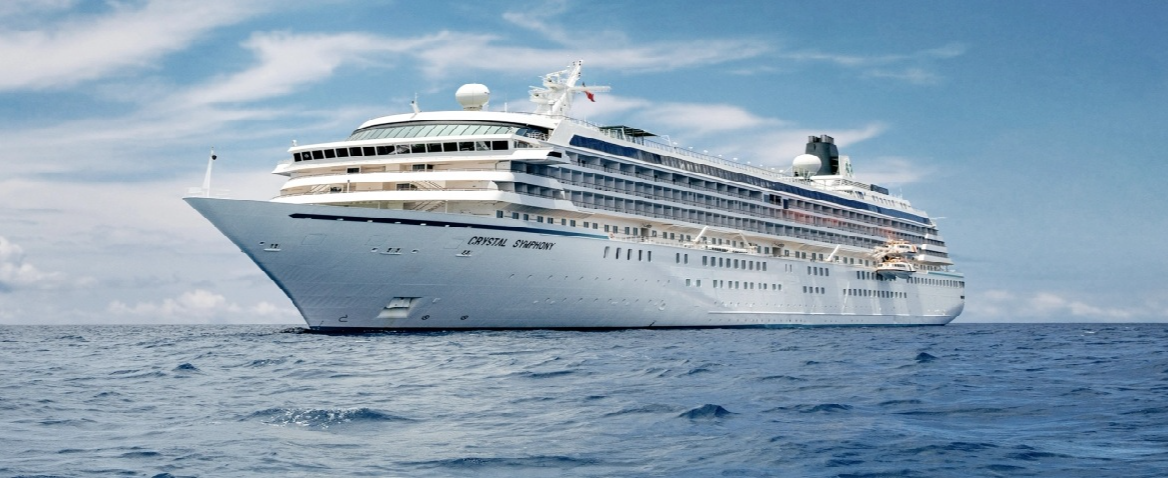
Crystal Symphony
9 Cruises

| 11 January | 137 days | One-way from Fort Lauderdale to Barcelona |
450-628-6241
Call us
|
| 11 January | 151 days | Round-trip 150 Night Roundtrip Fort Lauderdale Cruise |
450-628-6241
Call us
|
| 10 March | 48 days | One-way from Melbourne to Dubai |
450-628-6241
Call us
|
| 10 March | 47 days | One-way from Melbourne to Dubai |
450-628-6241
Call us
|
Explora Journeys (34 Cruises)
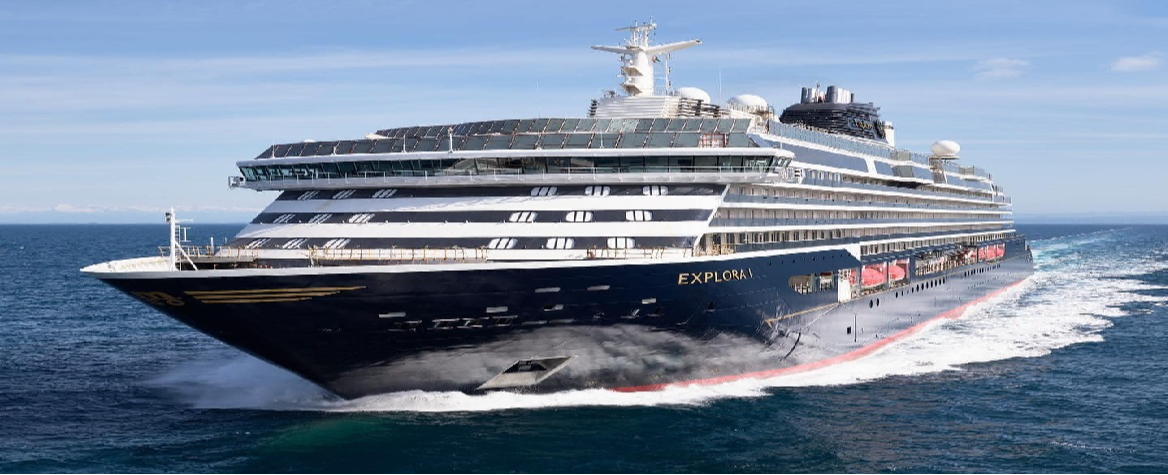
Explora I
34 Cruises

MSC Cruises (66 Cruises)
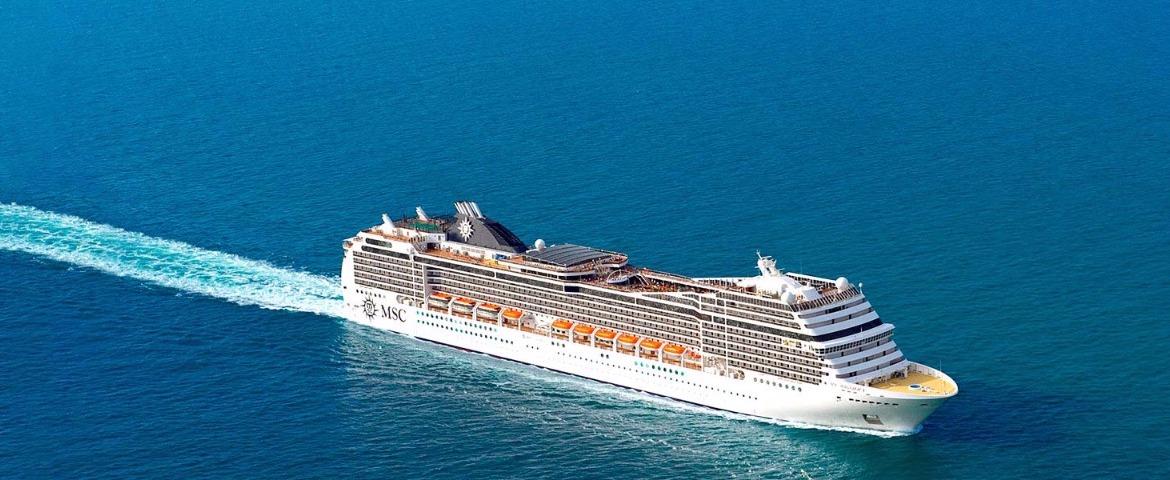

MSC World Europa
62 Cruises

Norwegian Cruise Line (2 Cruises)


Oceania Cruises (42 Cruises)
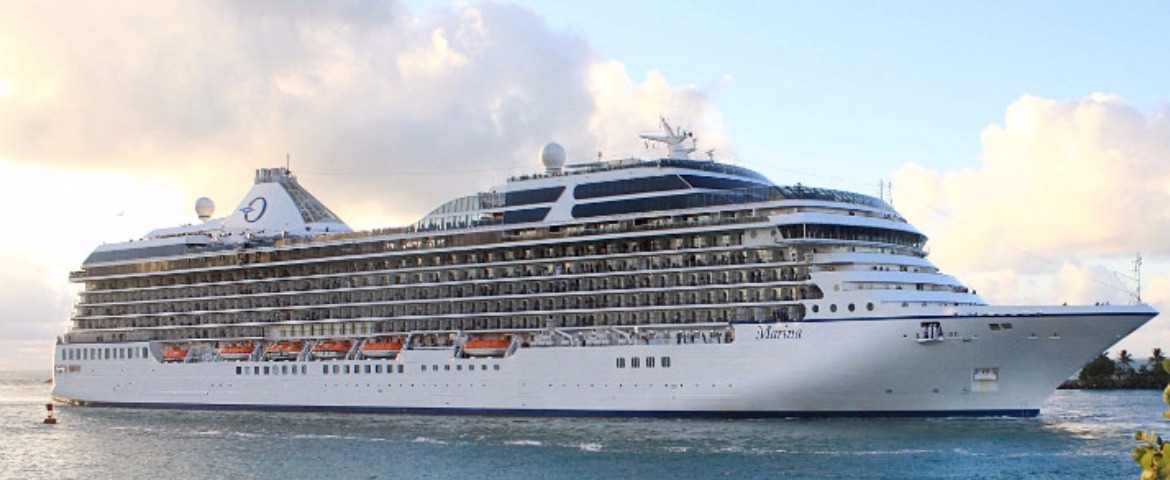
Oceania Aurelia
7 Cruises
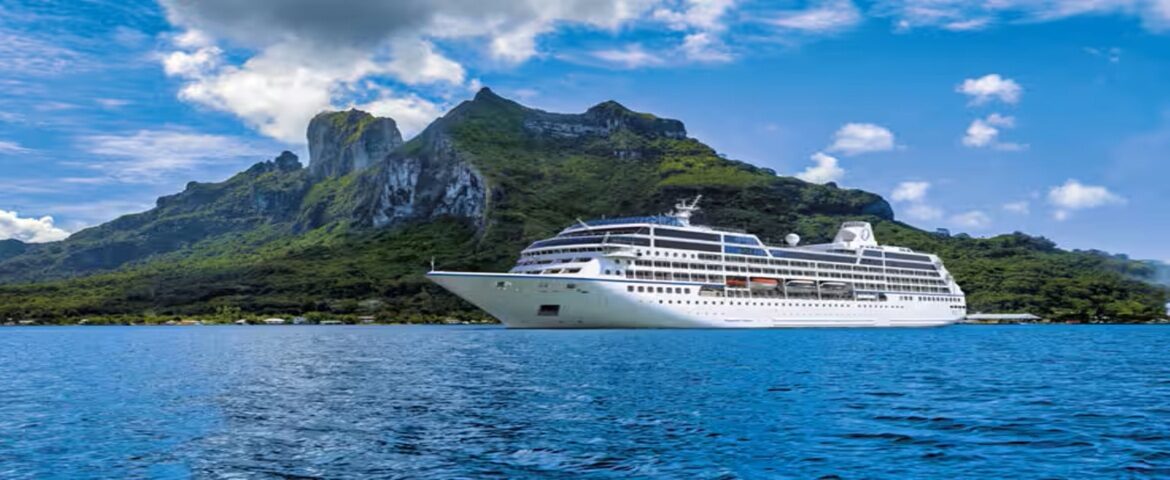

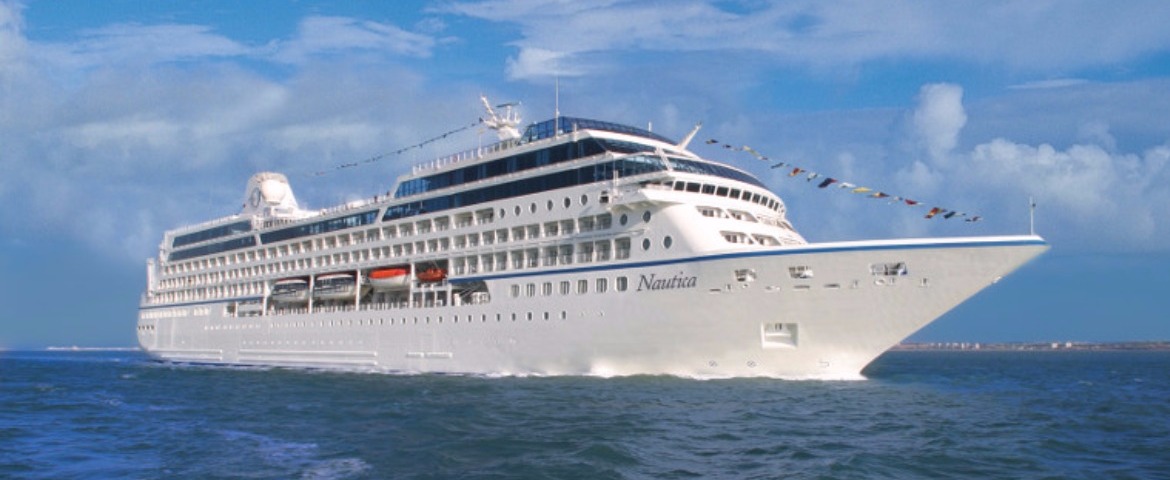
Oceania Nautica
7 Cruises
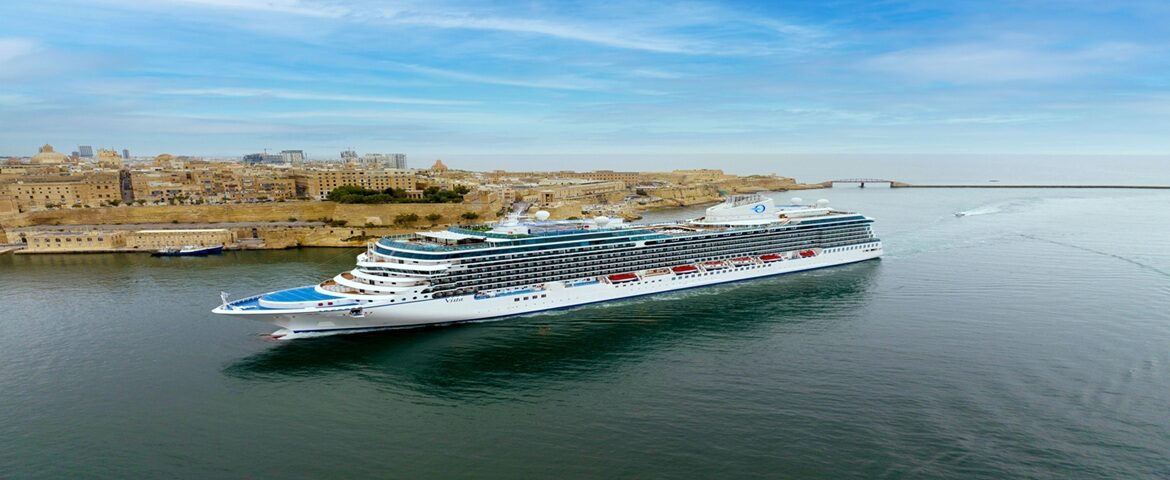
Oceania Vista
23 Cruises
| 6 January | 244 days | One-way from Miami to New York |
450-628-6241
Call us
|
| 6 January | 180 days | One-way from Miami to Southampton |
450-628-6241
Call us
|
| 26 February | 129 days | One-way from Sydney to Southampton |
450-628-6241
Call us
|
| 26 February | 130 days | One-way from Sydney to Southampton |
450-628-6241
Call us
|
Regent Seven Seas Cruises (23 Cruises)
Seven Seas Explorer
6 Cruises
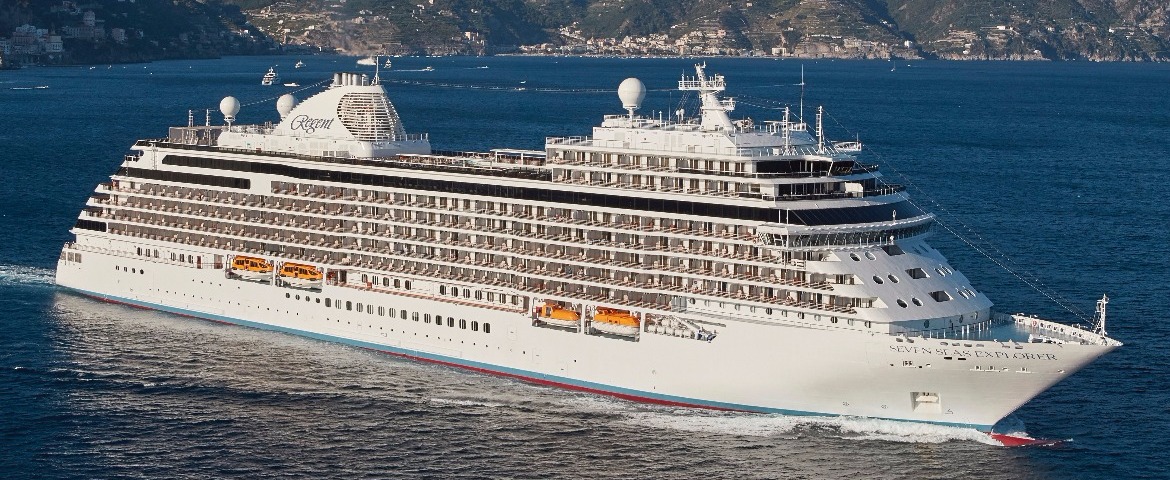

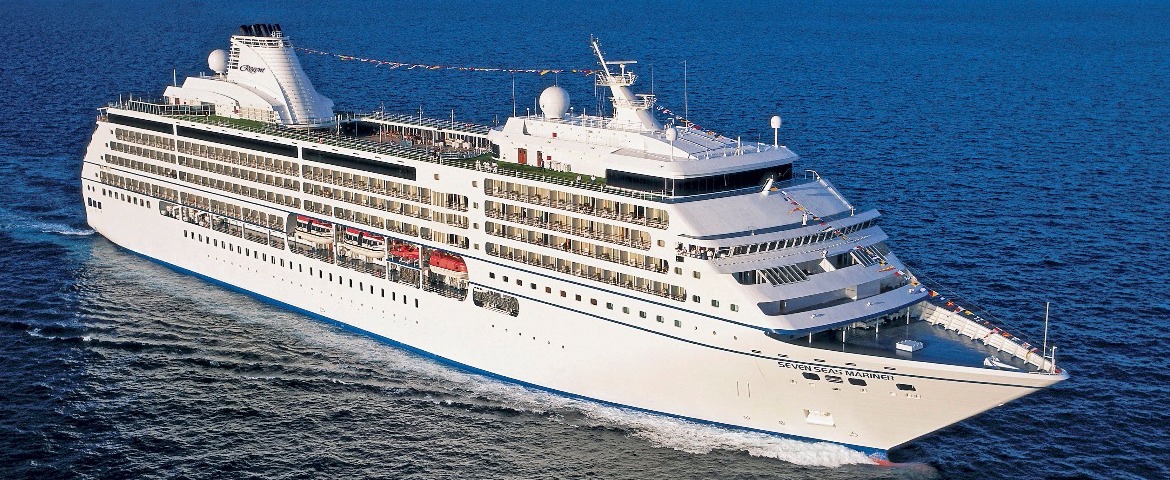
Seven Seas Mariner
9 Cruises


Port of Dubai | Cruise Port Guide
Frequently Asked Questions
At one of two terminals, and that changes your whole day. Port Rashid faces the creek, at the doorstep of the old quarters; Dubai Harbour, a modern terminal completed in 2021, opens onto the newer coastal districts and the Palm Jumeirah promenade. Check your terminal before planning: the city is enormous.
About 13 kilometres from Port Rashid. From Dubai Harbour, allow more, as that terminal sits further west along the coast. Either way, taxis and shuttles are plentiful and the metro rounds out the day nicely.
Very. It is clean, air-conditioned and punctual, and its elevated line links the key areas in about twenty minutes, with a commanding view over the traffic. It is often faster than a taxi at busy hours, and the cost is in no way comparable.
Choose one Dubai, not both. Either the creek, the souks and Al Fahidi, or downtown and the Burj Khalifa. Trying to string the two together means spending the day in transit across a metropolis that punishes bad distance calculations.
The creek district, the waterway separating Deira from the historic quarters on the opposite bank. This is pre-oil Dubai, the Dubai of the pearl divers: wooden dhows loaded with cargo, souks, ochre lanes. Starting there puts the metropolis back in proportion.
A small wooden boat that crosses the creek for a few coins, among the dhows. It is one of the rare pleasures in Dubai that costs next to nothing, and it is also the best vantage point on the original merchant city.
On the Deira side, the spice souk is fragrant with saffron and incense, and the gold souk lines up its glittering windows. Bargaining is part of the game, always with a smile. On the opposite bank, Al Fahidi keeps its wind towers, ancestors of air conditioning, and its restored houses holding museums, galleries and cafés.
Yes, but book ahead: that's what avoids the queues and secures a slot that fits your schedule. The world's tallest tower rises 828 metres and its observation floors open dizzying views over the urban grid and the desert.
The UAE dirham. Cards work everywhere, but keep cash for the abra, the souks and small cafés. Arabic is official, English is spoken by everyone, and you'll also hear Hindi, Urdu and Tagalog: most residents come from elsewhere.
November to March, the Gulf's only cruise season. Summer regularly exceeds 45 degrees with heavy humidity, and even the covered souks become punishing. Bring a light layer all the same: the malls and the metro are air-conditioned to extremes.


