Izmir Turkey
Turkey
251
Cruises availables
At departure or passage at this port
Carnival Cruise Line (3 Cruises)


Costa Cruises (57 Cruises)
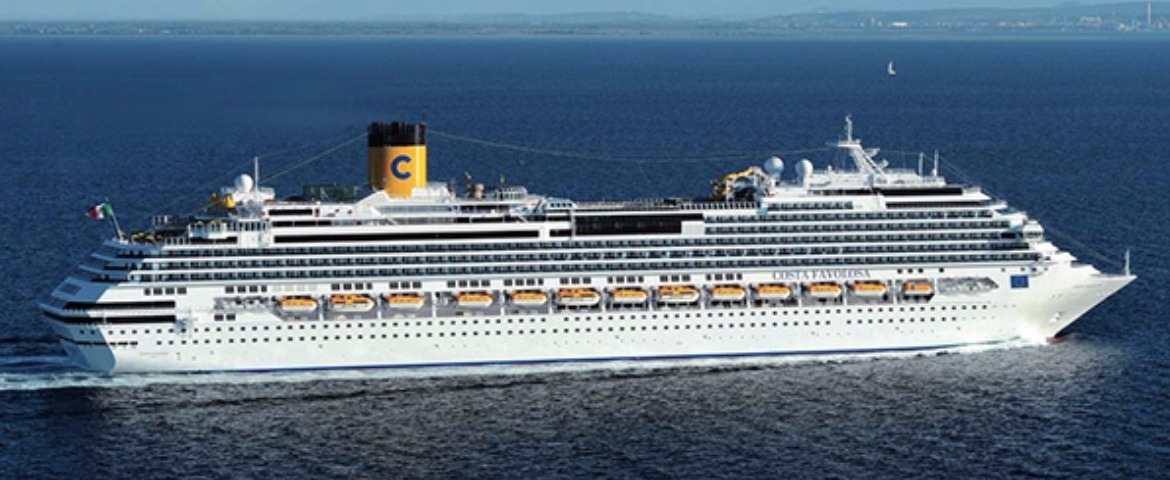
Costa Favolosa
6 Cruises

Costa Pacifica
51 Cruises

MSC Cruises (158 Cruises)
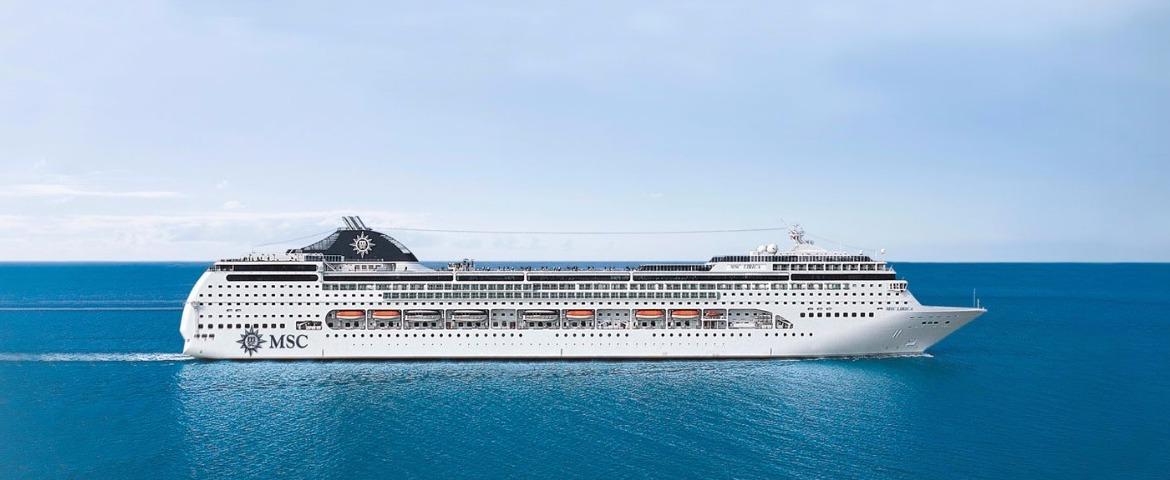
MSC Lirica
27 Cruises

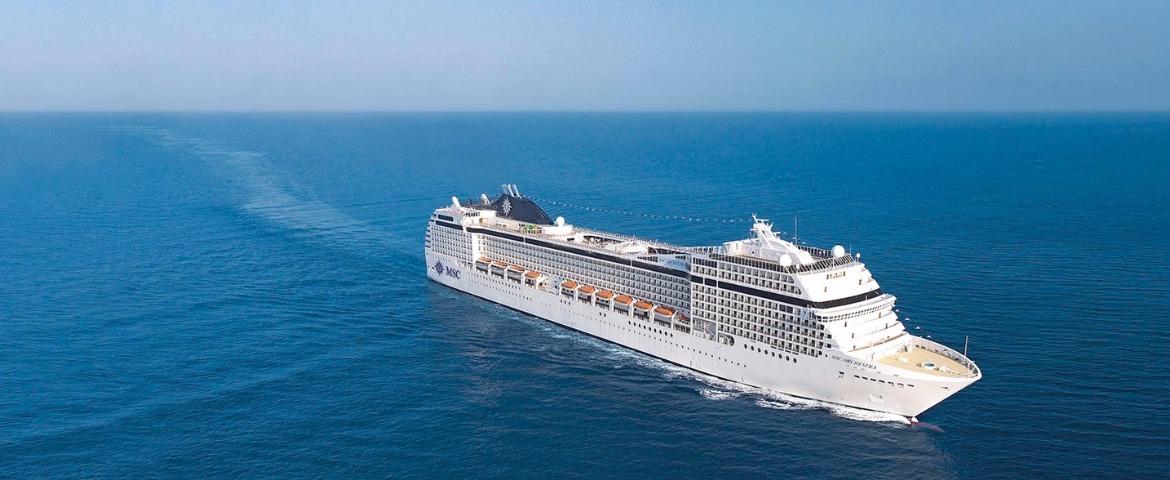
MSC Orchestra
122 Cruises
| 31 October | 5 days | One-way from Bari to Istanbul |
450-628-6241
Call us
|
| 31 October | 8 days | Round-trip from Bari, Italy |
450-628-6241
Call us
|
| 2 January | 8 days | Round-trip from Bari, Italy |
450-628-6241
Call us
|
| 4 January | 6 days | One-way from Piraeus-Athens to Bari |
450-628-6241
Call us
|
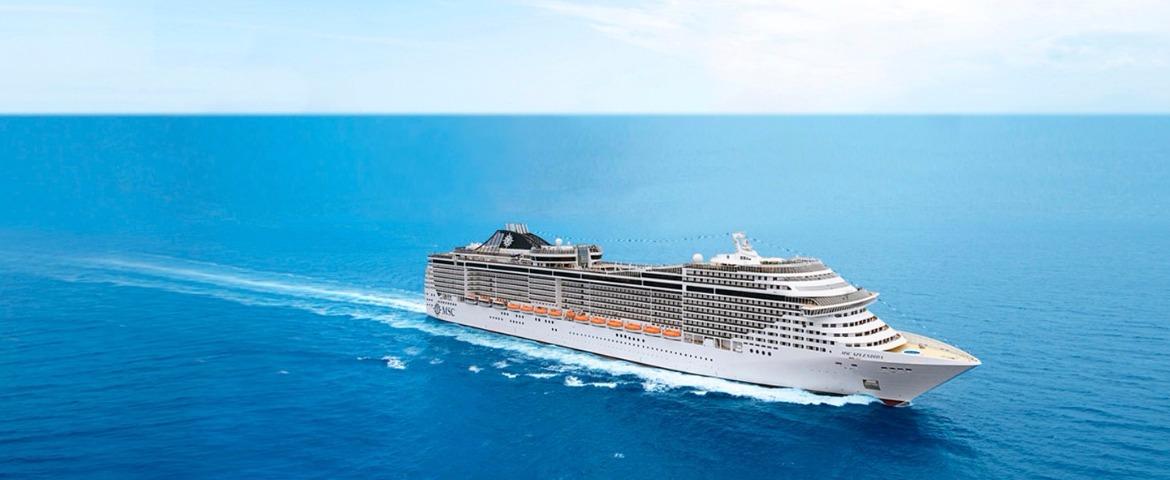
MSC Splendida
9 Cruises
Norwegian Cruise Line (1 Cruises)


Oceania Cruises (21 Cruises)
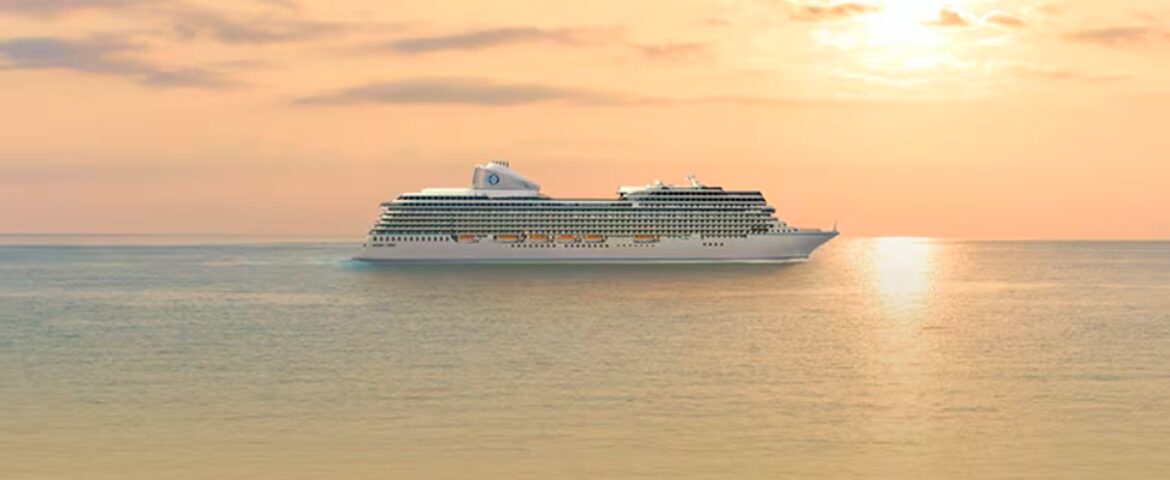

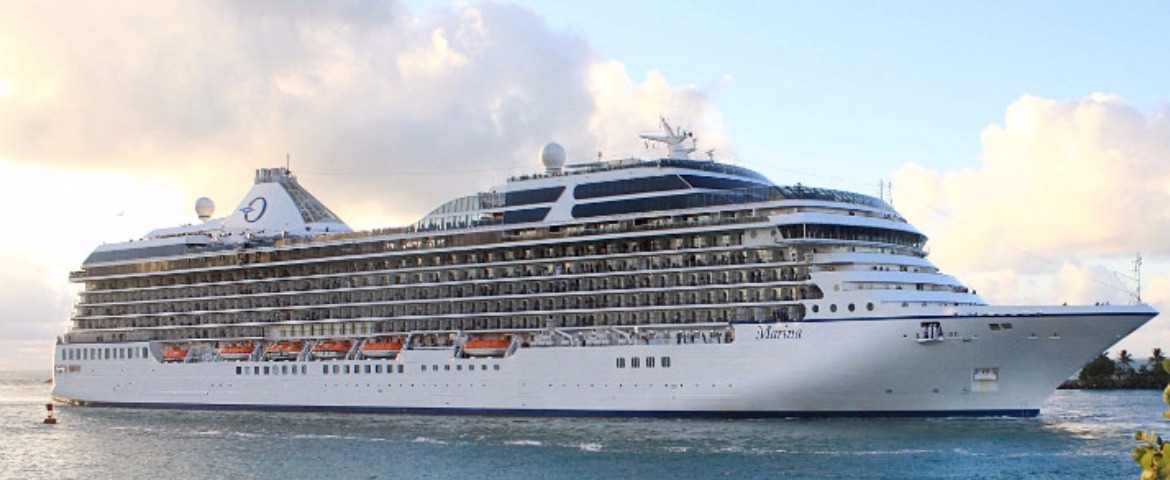
Oceania Marina
7 Cruises
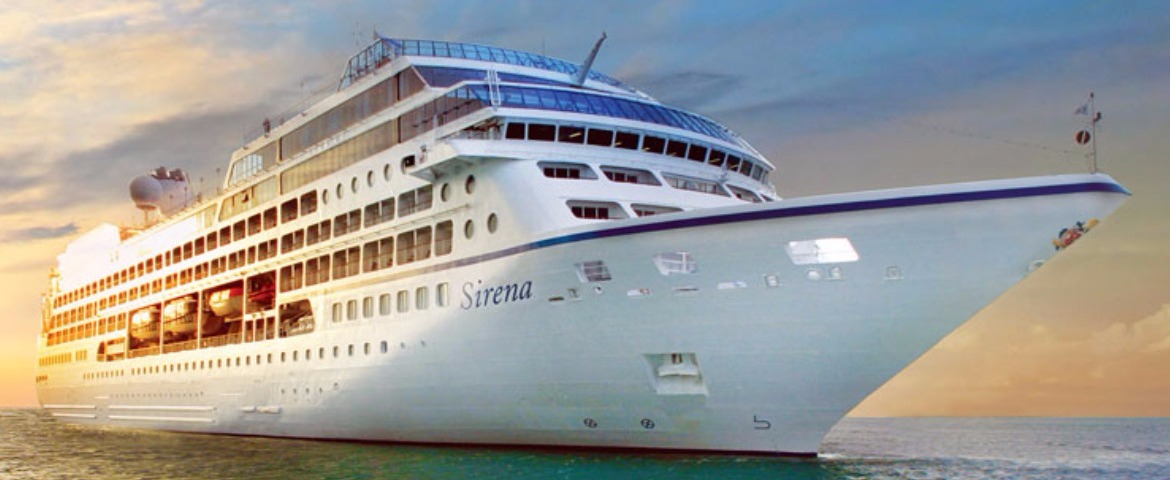
Oceania Sonata
4 Cruises
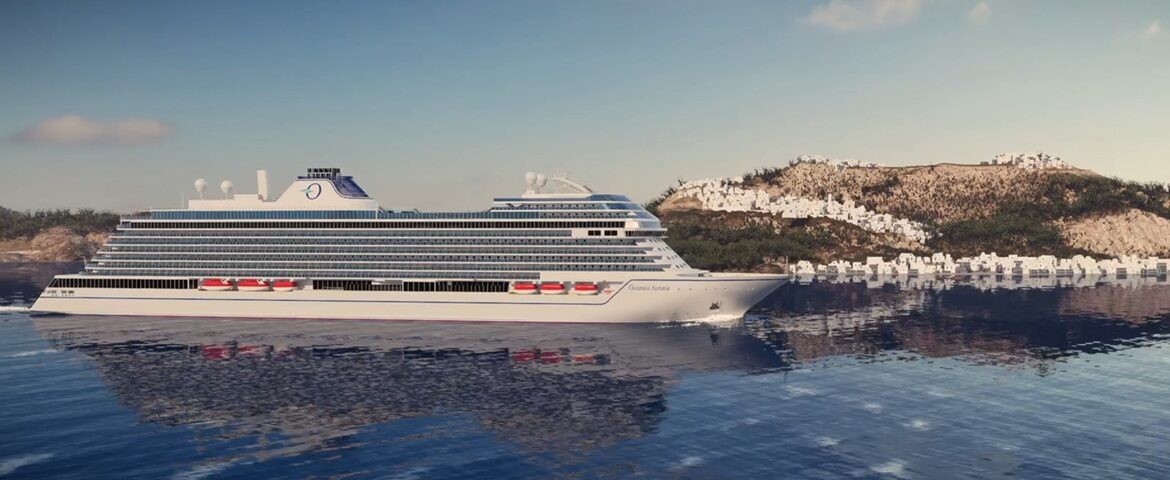
Oceania Vista
7 Cruises
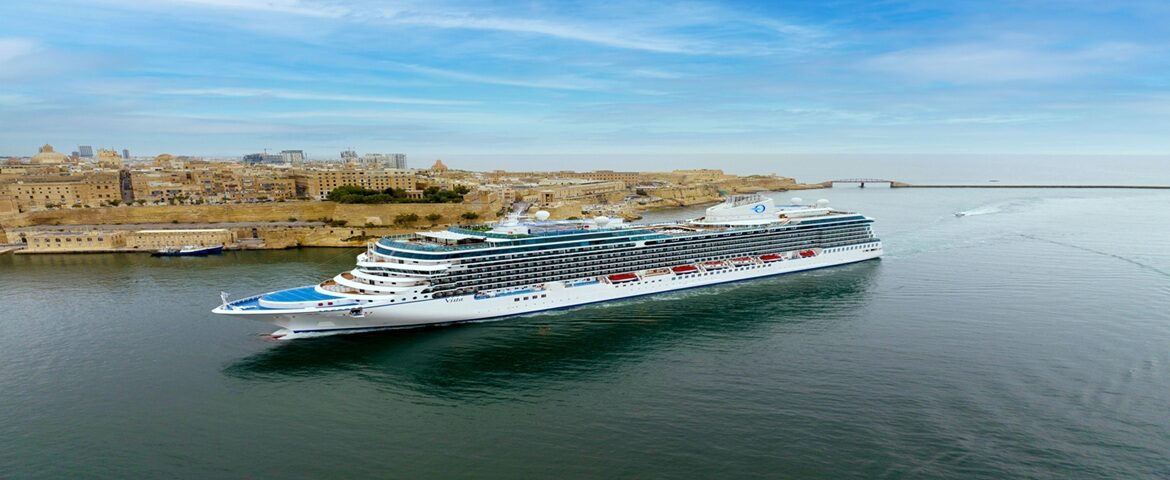
| 4 January | 96 days | One-way from Auckland to Civitavecchia-Rome |
450-628-6241
Call us
|
| 4 January | 97 days | One-way from Auckland to Civitavecchia-Rome |
450-628-6241
Call us
|
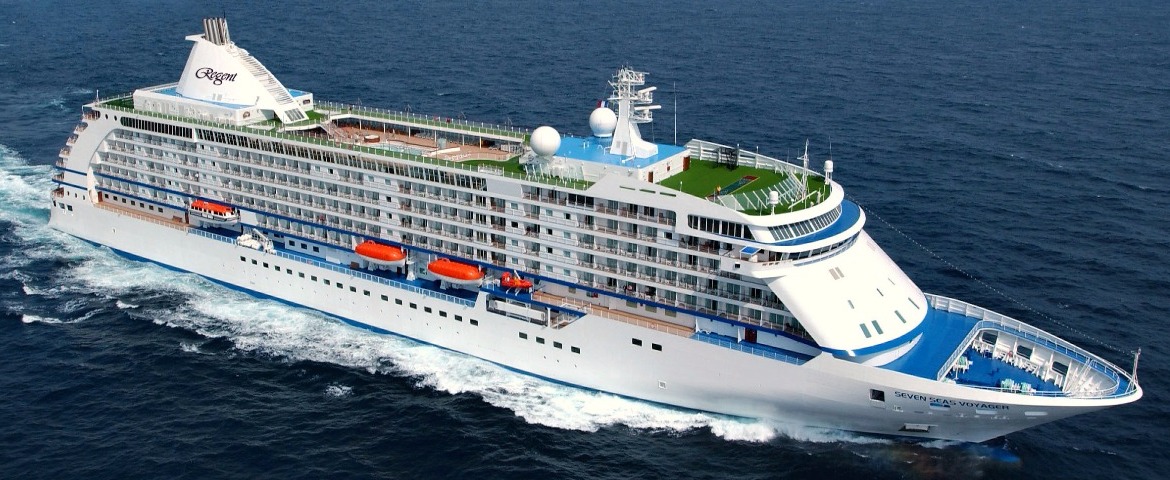
Regent Seven Seas Cruises (11 Cruises)
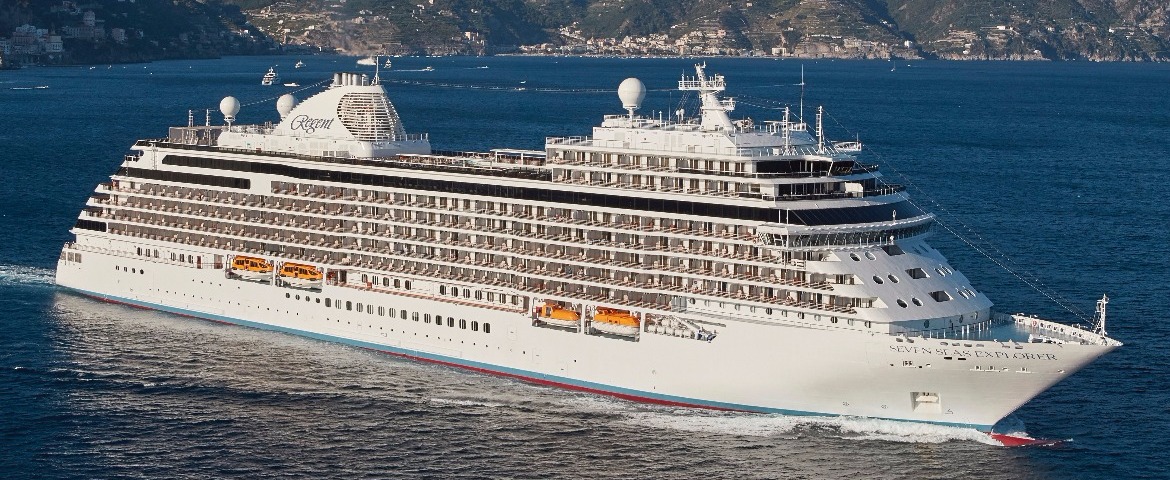
Seven Seas Explorer
7 Cruises


Izmir Turkey | Aegean Coast Cruise & Ancient Heritage Guide
Frequently Asked Questions
At the Alsancak terminal, only minutes from the city's heart. It is a genuine downtown berth: the Kordon promenade is reached in no time and the Alsancak district begins right behind the terminal. No shuttle is needed.
The palm-lined esplanade running along the bay for kilometres, where locals cycle, run, fish and settle at tables facing the sunset. Following it south is the most pleasant possible introduction: allow half an hour's easy walk to Konak square.
The Kordon to Konak, the Clock Tower, then one to two hours in the Kemeraltı bazaar. It all lies along a single axis, with no complicated transport. Add the Alsancak district on the way back if time allows.
A piece of marble lacework raised in 1901 on Konak square, now the city's emblem, beside a small mosque with delicate tilework. Pigeons and seed sellers complete the square's unchanging scene: it is Izmir's central landmark.
One of the largest open-air bazaars in the country, behind Konak square: covered and open lanes lined with spices, fabrics, jewellers, narghile cafés and Ottoman caravanserais converted into merchant courtyards. It's easy to lose an hour or two there, glass of tea in hand.
Boyoz, a dense pastry locals eat at lunch with a hard-boiled egg, and kumru, the filled roll typical of the Aegean coast. These two specialties are found practically nowhere else, and they're eaten standing, for a few lira.
The region's figs and raisins, among the best in Turkey and found throughout Kemeraltı. They travel perfectly in a suitcase and cost a fraction of what they do at home. Spices and Turkish delight round out the basket.
Yes, but it's an expensive choice in time: the site is about an hour and a quarter's drive away. If your itinerary also includes Kuşadaşı, save Ephesus for that call, only twenty-five minutes away, and give Izmir to the city itself.
Very. It is a city of more than four million that lives first for itself: the Alsancak district holds student cafés, galleries and shops in an atmosphere more relaxed than touristic. You aren't approached the way you are in the coastal resorts.
The Turkish lira; cards work everywhere in this large city, but keep cash for Kemeraltı, taxis and street stalls. Turkish is spoken, with decent English among younger people and around the Kordon, patchier in the bazaar.


