Madrid Spain

248 Cruises availables At departure or passage at this port

Emerald Waterways (20 Cruises)

Emerald Radiance.

Emerald Radiance

149 Passengers
Visit the ship's page

Scenic Cruises (112 Cruises)

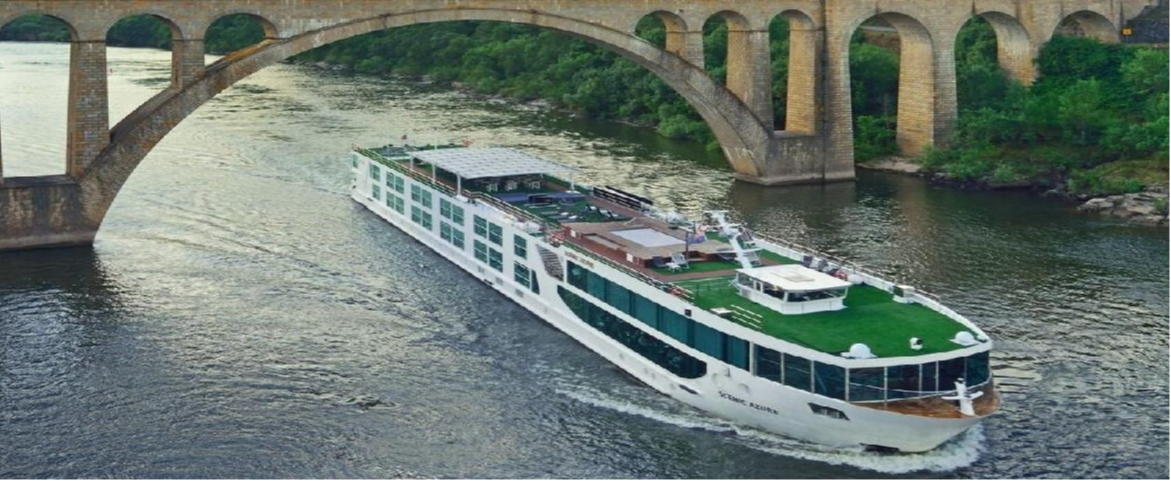
Scenic Azure.

Scenic Azure

96 Passengers
Visit the ship's page
Scenic Diamond

Scenic Diamond

169 Passengers
Visit the ship's page

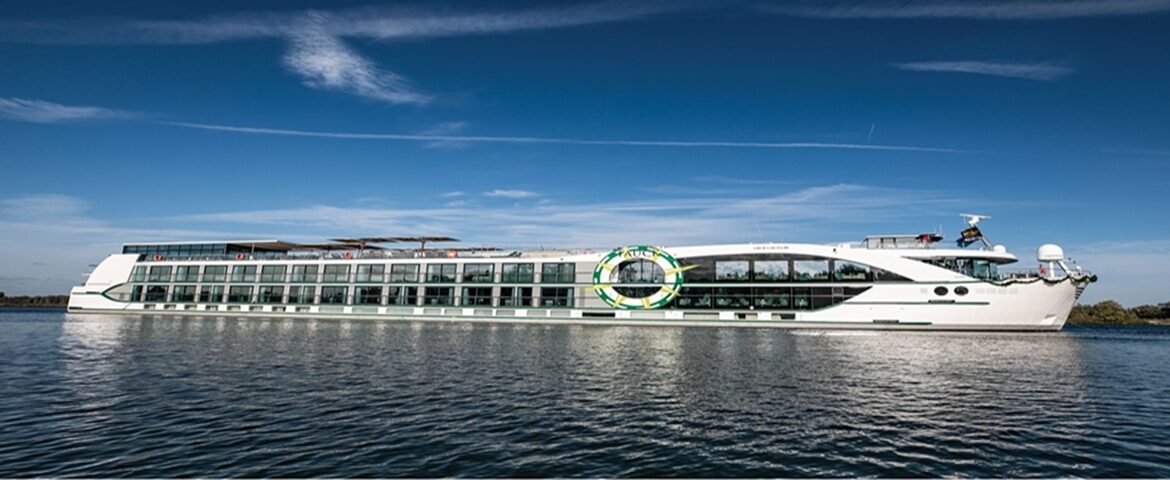
Tauck Cruises (93 Cruises)

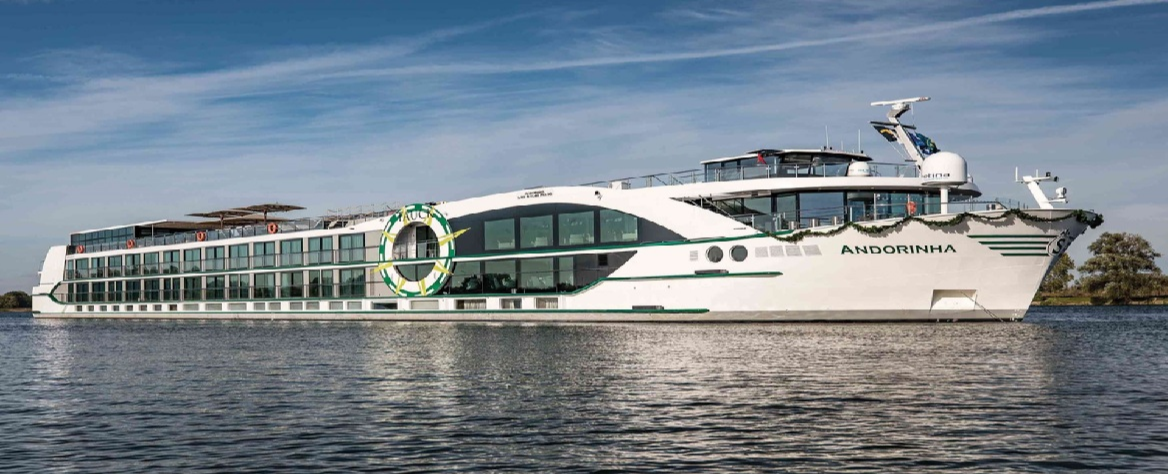
ms Andorinha.

ms Andorinha

120 Passengers
Visit the ship's page
ms Saudade2

MS Saudade

84 Passengers
Visit the ship's page

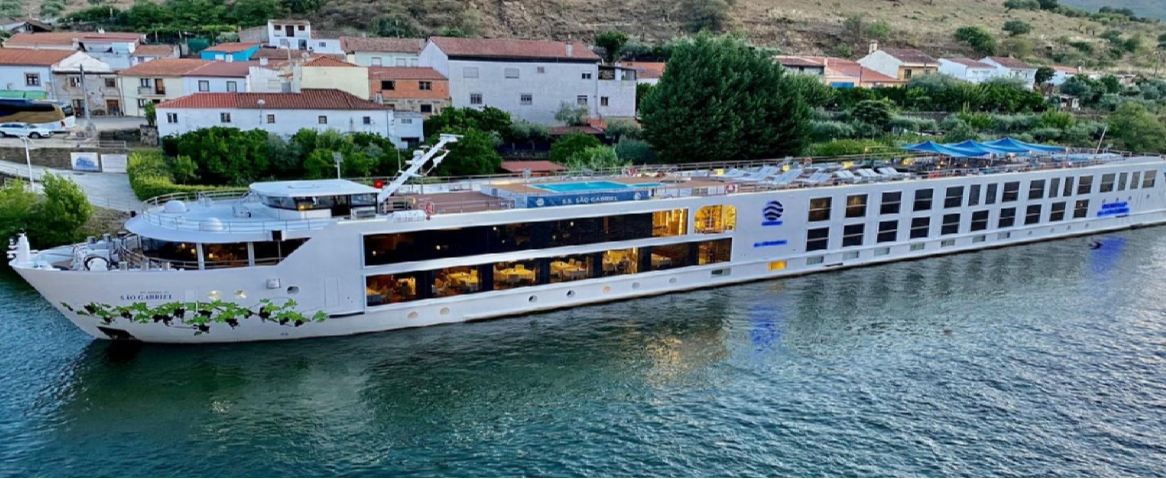
Uniworld Boutique River Cruise (23 Cruises)

S.S. São Gabriel.

S.S. São Gabriel

Visit the ship's page

Madrid Spain | Cultural Capital & City Travel Guide

No ship docks in Madrid: the Spanish capital stands on its plateau more than three hundred kilometres from the nearest shore. Yet it has carved out a prime place on cruise itineraries, as a gateway or a pre-cruise extension before Barcelona, Valencia, Málaga or Lisbon. High-speed trains link the city to the major Mediterranean terminals in two to three hours, and many cruise lines offer a Madrid extension. Its international airport, among the busiest in Europe, also makes it the natural gateway to the Iberian Peninsula. Here's how to make the most of a full day in the capital.

Start with the Prado

The morning belongs to the Prado Museum, one of the world's major art galleries. Velázquez reigns there with "Las Meninas," Goya unfolds his Black Paintings, and El Greco stretches out his flamboyant saints. There's no point trying to cover everything: two well-chosen hours leave a clearer memory than four hours of exhaustion. Booking your ticket online the day before saves you a line that grows quickly, especially in high season.

Catching Your Breath at the Retiro

As you exit, the gates of Retiro Park open just steps away. A former royal garden turned Madrid's green lung, it lines up shaded paths, flower beds and statues around its great pond, where you can row a boat beneath the monument to Alfonso XII. Don't miss the Crystal Palace, a monumental iron and glass greenhouse set beside a pond full of turtles. Street musicians, readers on benches and Sunday families make up a peaceful theatre that offers a rest from the museum galleries.

Two More Giants of Painting

If your appetite for art survives the Prado, the Paseo del Arte brings together two other first-rate collections within a few hundred metres. The Reina Sofía holds "Guernica," Picasso's masterpiece before which visitors invariably fall silent, surrounded by the Spanish avant-garde. The Thyssen-Bornemisza, for its part, spans seven centuries of European painting, from the Flemish primitives to the Impressionists. Three major galleries in the same neighbourhood: few capitals can say as much, and art lovers will come back one day for them alone.

The Afternoon in Habsburg Madrid

Then head for the historic centre. Puerta del Sol, kilometre zero of Spain's roads, leads in a few minutes to the Plaza Mayor, a vast rectangular stage lined with arcades where markets and royal festivities were once held. Nearby lanes hide the Mercado de San Miguel, an iron and glass market hall where you can graze on Iberian ham, olives and vermouth at the counter. Continuing west, the Royal Palace lines up its hundreds of rooms facing Almudena Cathedral; the changing of the guard or simply the façade, depending on the time, is worth the detour.

Insiders' Little Pleasures

  • Dip churros in the thick hot chocolate of the Chocolatería San Ginés, an institution open since 1894;
  • Walk along the Gran Vía at dusk, when the signs light up on the domed buildings;
  • Enjoy a last drink on a patio in Plaza de Santa Ana, in the heart of the Barrio de las Letras, the literary quarter of Cervantes and Lope de Vega.

The Traveller's Word

Madrid has neither beach nor gangway, but it offers what few port cities can bring together: world-class art collections within a one-kilometre radius, a street life that only fades at dawn and a dining scene that rivals every capital in Europe. Those embarking the next day in Barcelona or Lisbon will see their voyage differently: the sea is never as appealing as after crossing Castile. Spend one night here, and the Spanish capital will settle into your travel memories on a par with the finest ports of call.

Frequently Asked Questions

No. Madrid sits on its plateau more than three hundred kilometres from the nearest coast. The capital appears in itineraries as a gateway or a trip extension, never as a port of call.
By high-speed rail: two to three hours to Barcelona, Valencia or Málaga. Madrid's international airport, among Europe's busiest, is also the natural gateway to the Iberian peninsula.
At least one night, ideally two. A full day covers the Prado, the Retiro and the historic centre. Leaving the same day you land from a transatlantic flight means crossing the city without seeing it.
The Prado in the morning, Retiro park next door to catch your breath, then Habsburg Madrid in the afternoon: Puerta del Sol, Plaza Mayor, the San Miguel market and the Royal Palace. Dense, but realistic.
Two well-chosen hours. Trying to cover everything turns into four hours of exhaustion and a blurrier memory. Velázquez and Las Meninas, Goya's black paintings, El Greco's saints — the rest can wait for a next visit. Book online the day before; the queue grows fast in high season.
At the Reina Sofía museum, a few hundred metres from the Prado on the Paseo del Arte. Picasso's canvas hangs among the Spanish avant-garde, and visitors invariably fall silent in front of it. The Thyssen-Bornemisza completes the trio with seven centuries of European painting.
The former royal garden that became Madrid's lung, its gates a short walk from the Prado. Shaded avenues, statues, a large basin where you can row a boat, and the Crystal Palace, a monumental iron and glass greenhouse beside a turtle pond. It is the necessary counterweight to a morning of museums.
Iberian ham, olives and a vermouth at the counter of the San Miguel market, an iron and glass hall steps from the Plaza Mayor. For something sweet, churros dipped in the thick chocolate at Chocolatería San Ginés, open since 1894.
Yes. The Retiro with its rowing boats, the Royal Palace and the changing of the guard, and short distances between central sights: the capital works with children without heavy logistics. The three great museums, however, force a choice.
Spring and autumn. July and August are crushing on the Castilian plateau and many locals leave town; winter is dry and cold, which hardly troubles a Canadian. Street life, for its part, only fades at dawn, in any season.