Salaverry-Trujillo Peru
66
Cruises availables
At departure or passage at this port
Crystal Cruises (16 Cruises)
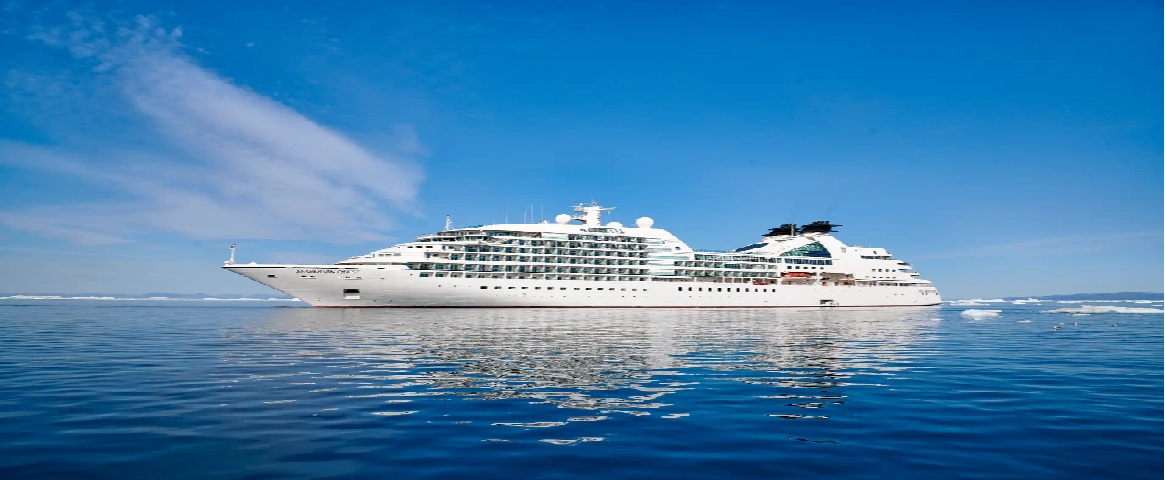
Crystal Serenity
10 Cruises
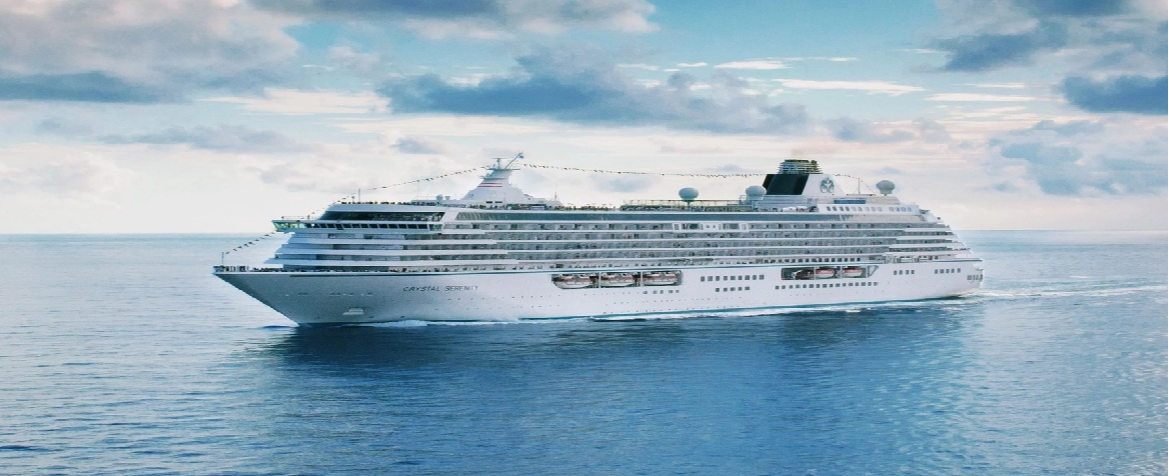

| 12 October | 71 days | One-way from New York to Fort Lauderdale |
450-628-6241
Call us
|
| 12 October | 72 days | One-way from New York to Fort Lauderdale |
450-628-6241
Call us
|
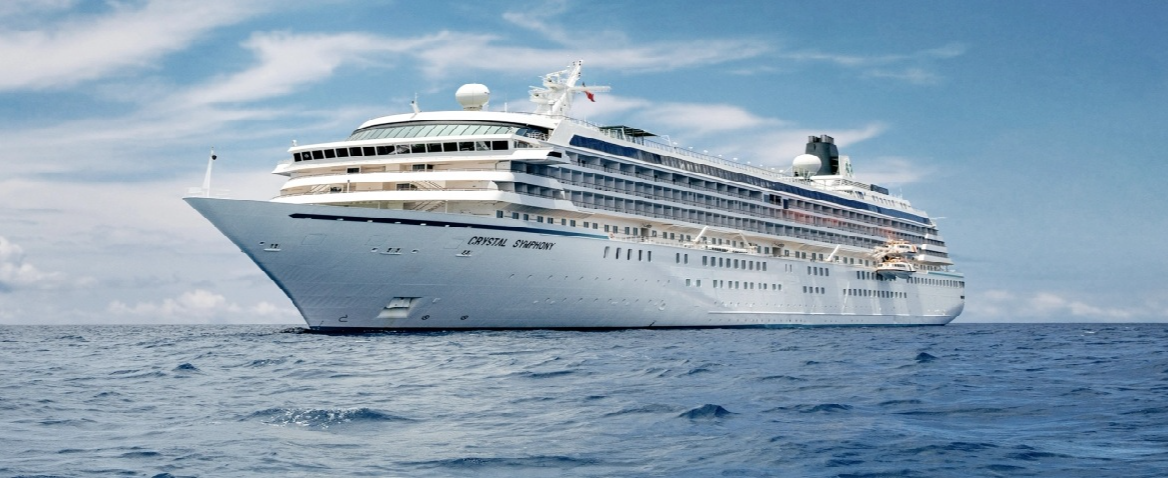
Crystal Symphony
6 Cruises
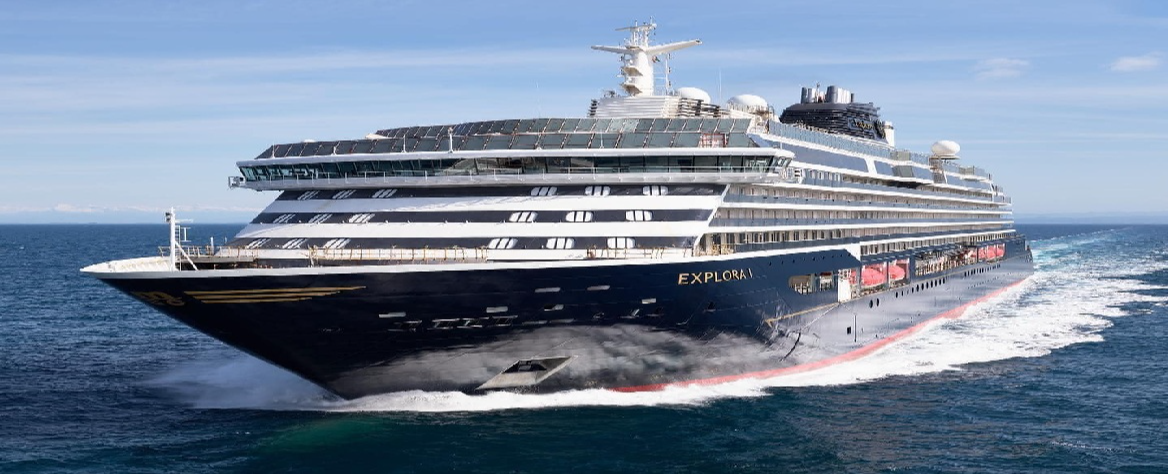
Explora Journeys (3 Cruises)

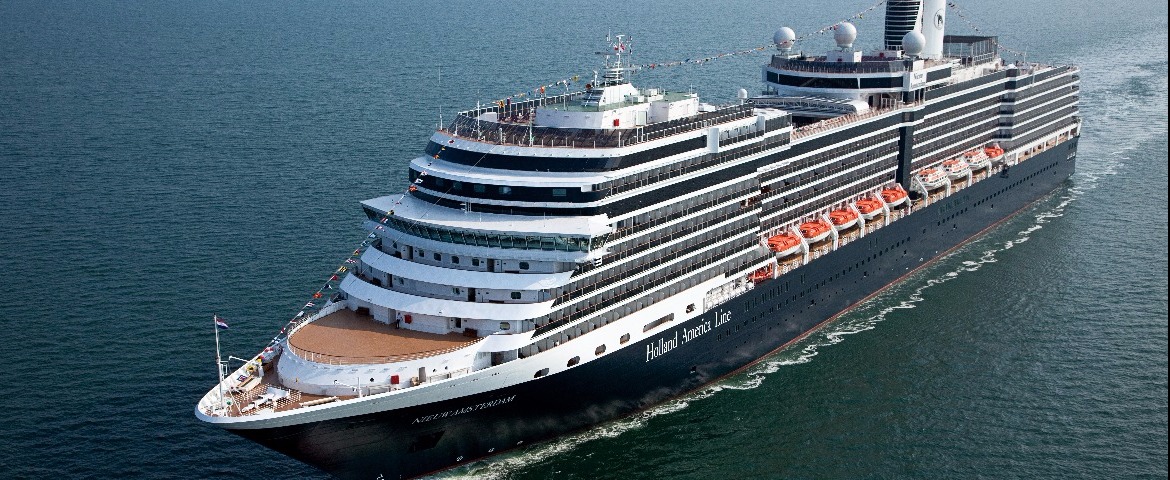
Holland America Line (26 Cruises)
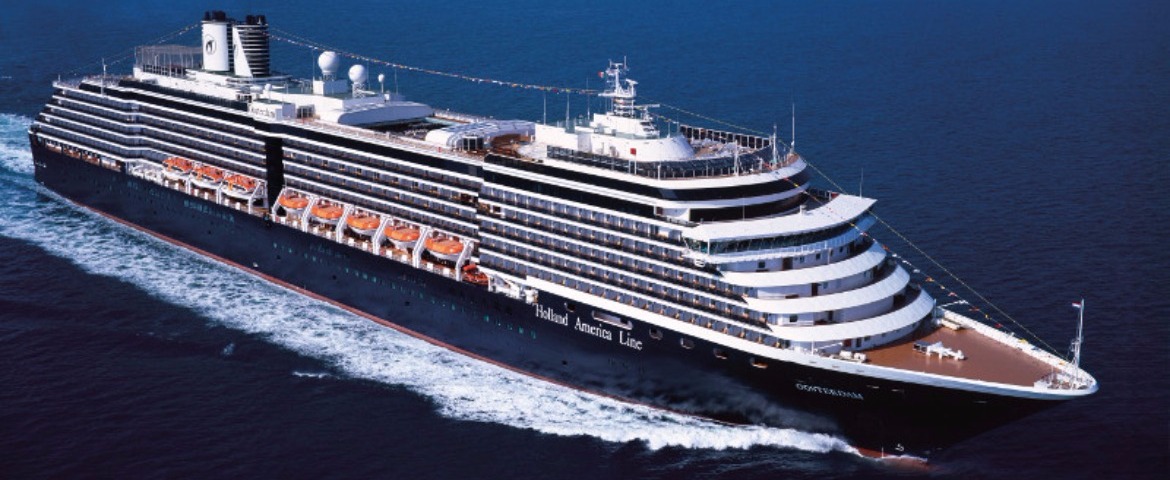
ms Nieuw Amsterdam
9 Cruises

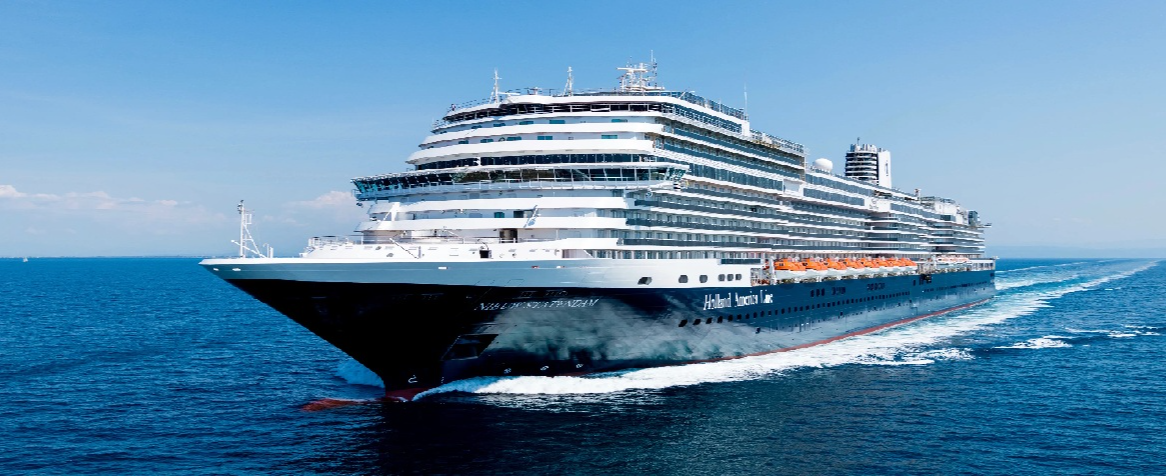
ms Nieuw Statendam
9 Cruises
Oceania Cruises (4 Cruises)
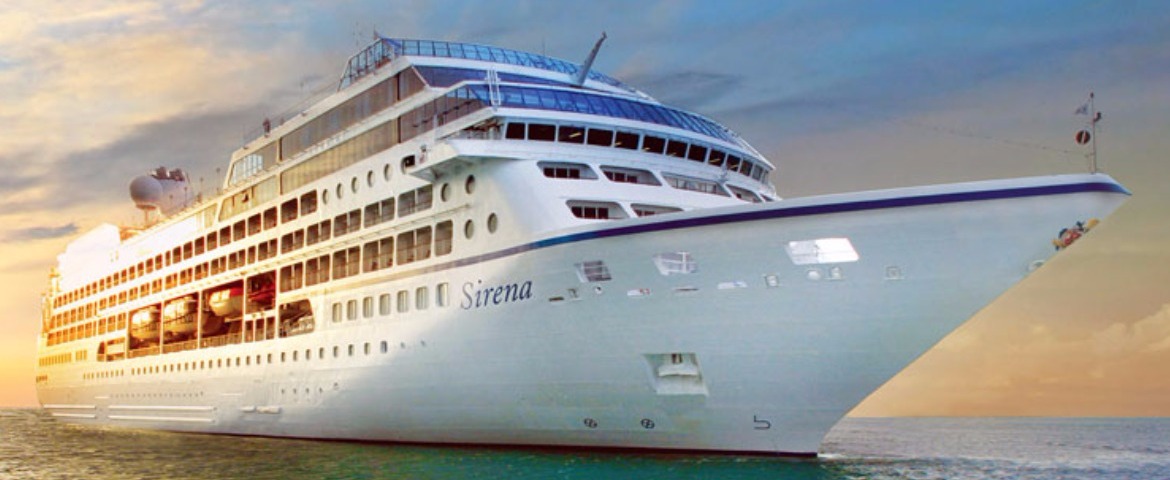
Oceania Sirena
4 Cruises

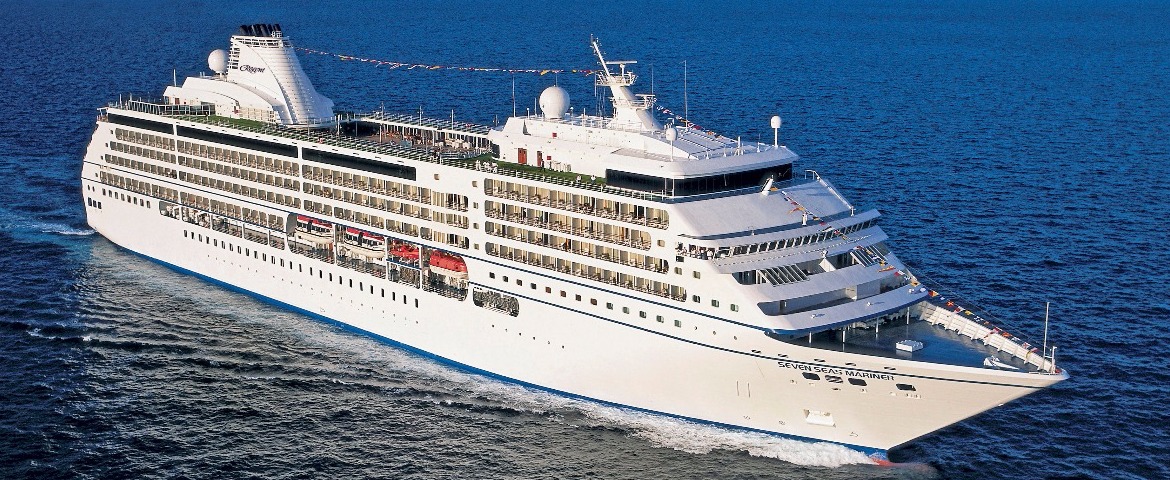

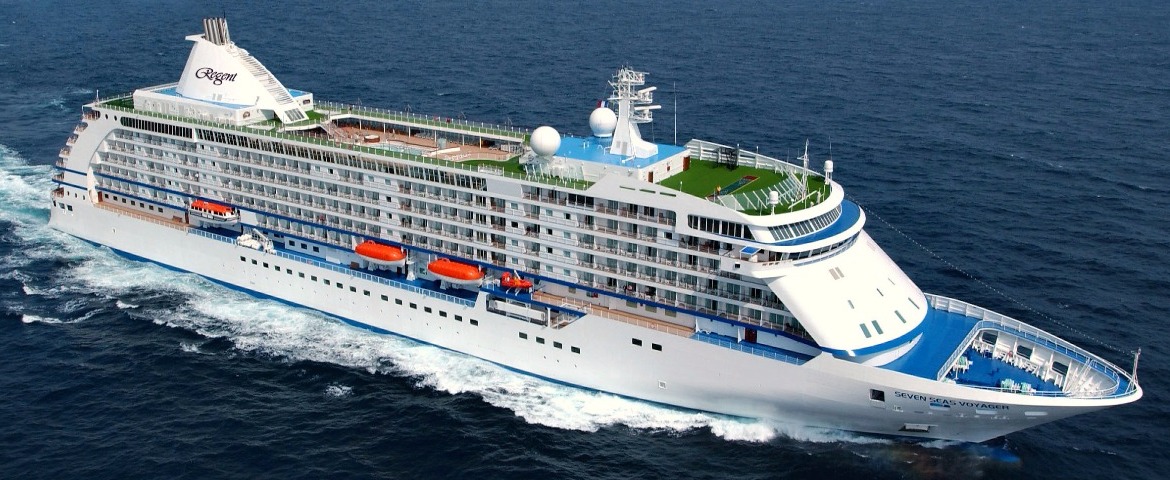
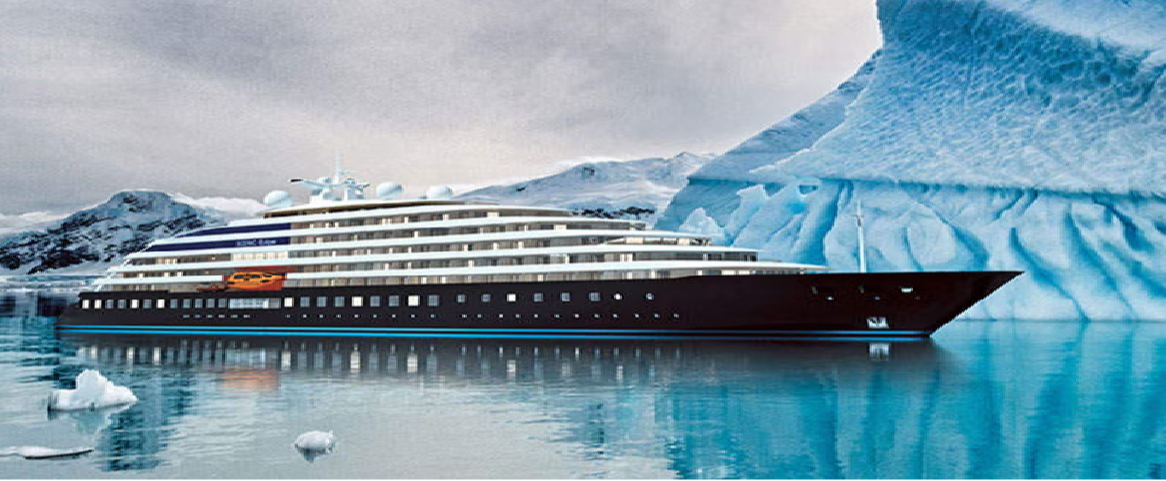
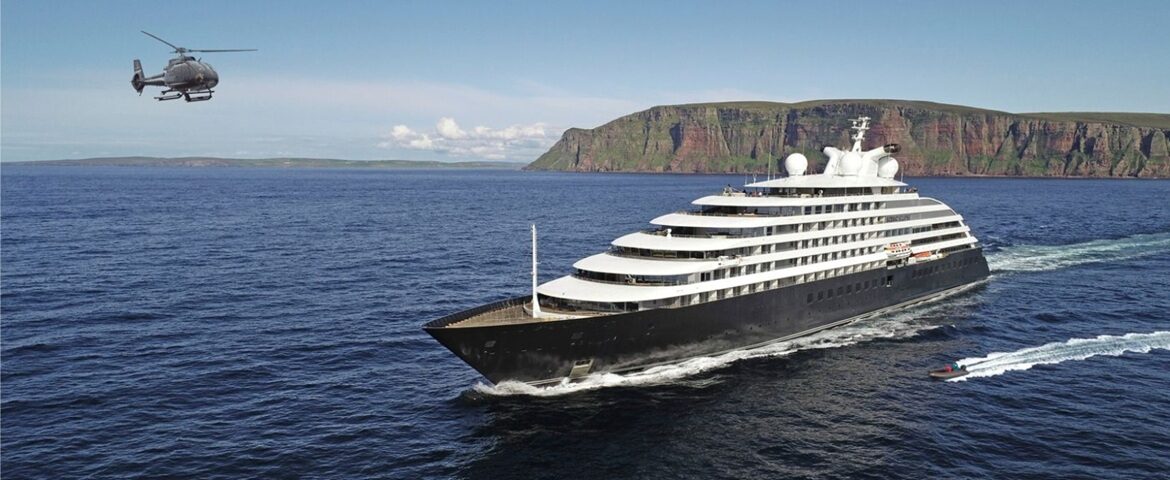
Scenic Cruises (4 Cruises)

Seabourn Cruise Line (9 Cruises)
Seabourn Quest
9 Cruises

Salaverry (Trujillo), Peru | Cruise Port Guide
Frequently Asked Questions
At the commercial port mole on Peru's north coast. The pier itself offers nothing for walkers: tours and taxis wait outside the terminal gate.
About fifteen kilometres, 15 to 20 minutes by road. The whole call is really about Trujillo and its archaeological heritage.
Chan Chan and Huaca de la Luna, or one of the two plus a wander through Trujillo. Adding Huanchaco makes a full day. All three major sites in half a day means skimming everything.
The capital of the Chimú kingdom and the largest adobe city in the world, a World Heritage site about thirty minutes from the pier. You walk between mud-brick walls carved with fish, pelicans and stylised waves.
A Moche temple-pyramid whose stacked levels preserve polychrome murals fifteen centuries old, including the god Ai Apaec in red, ochre and blue. Archaeologists still work there, and the site museum completes the visit.
The Plaza de Armas with its sky-blue, saffron and brick-red facades around the Freedom monument, the carved wooden balconies, and the Casa de la Emancipación, where Trujillo declared Peru's independence before Lima.
A seaside village a few kilometres from Trujillo, where reed craft dry on the beach in a shape unchanged for three thousand years. Fishermen still straddle them to get through the surf.
In Huanchaco, facing the waves. The region claims the origin of ceviche, with ancient evidence to back it up. Have it with lime and toasted corn: it does not get more local.
Sturdy shoes and sun protection: you walk a long way between the earthen enclosures, with no shade. A guide turns the walk into a journey through time.
A desert of mist: the garúa, the typical coastal fog, often veils the sky and keeps temperatures mild year-round. Rainfall is minimal, which is why the mud-brick sites have survived.


