Iquitos Peru Amazon

292 Cruises availables At departure or passage at this port

Aqua Expeditions (56 Cruises)

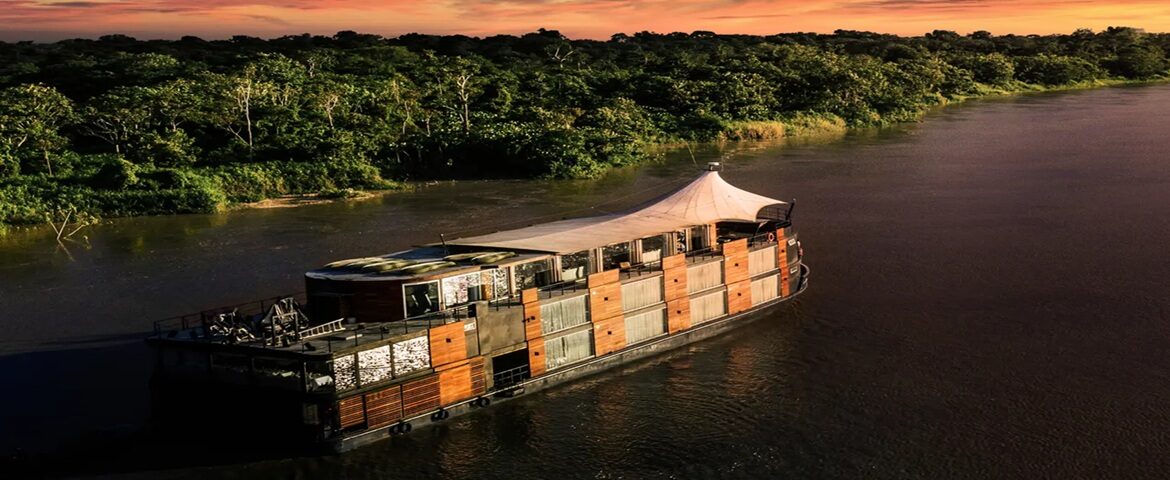
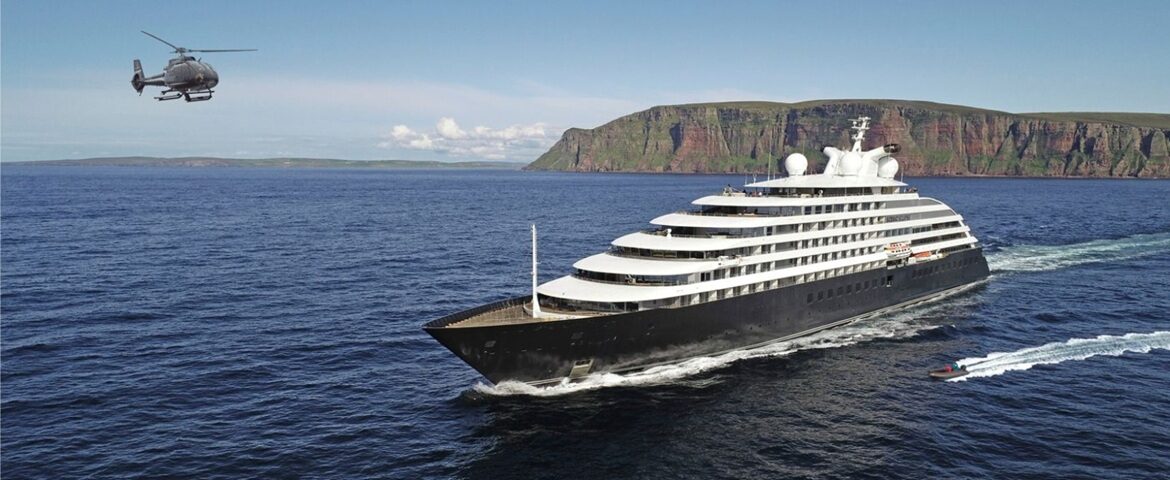
Aria Amazone.

Aria Amazone

32 Passengers
Visit the ship's page

Lindblad Expeditions (164 Cruises)

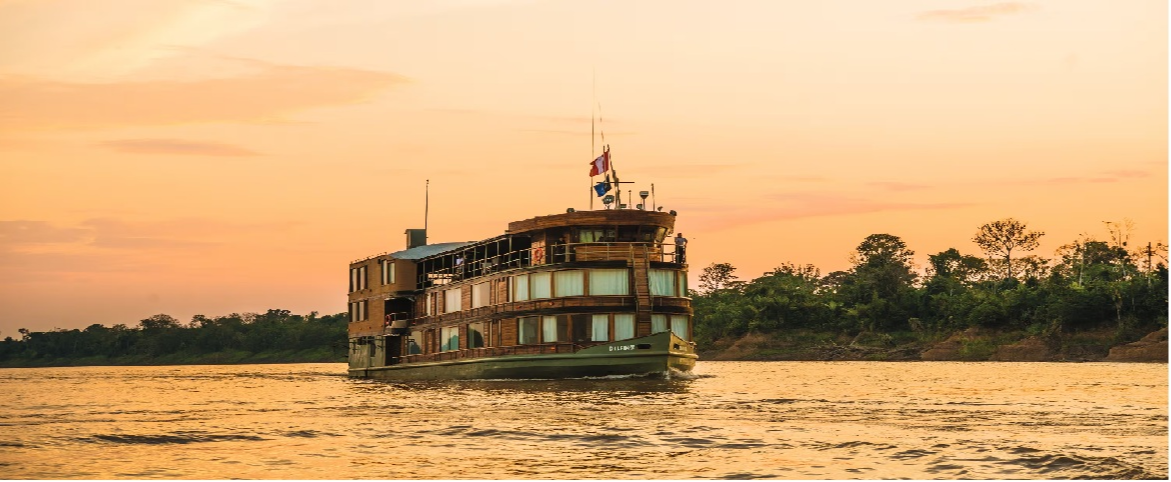
Delfin II.

Delfin II

43 Passengers
Visit the ship's page

Uniworld Boutique River Cruise (56 Cruises)

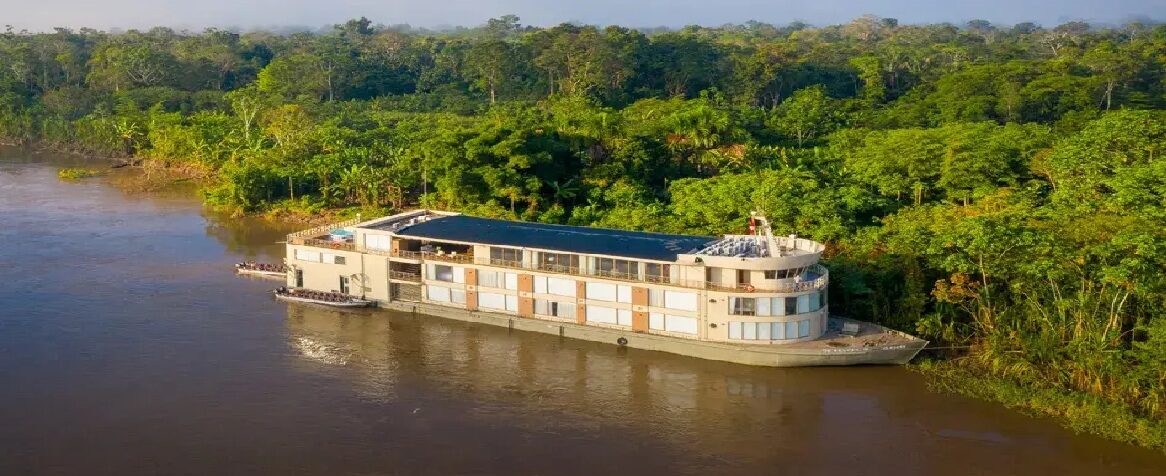
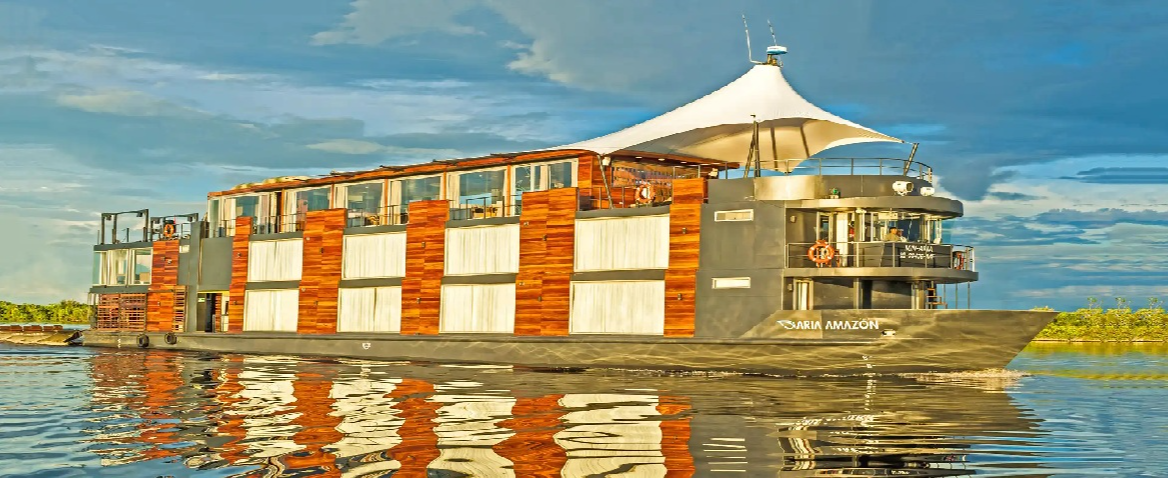
Aria Amazon.

Aria Amazon

59 Passengers
Visit the ship's page

Guide

To reach Iquitos, you need the river or the sky: no road connects the largest city in the Peruvian Amazon to the rest of the world. Nearly half a million people live here along the Amazon River, amid a happy, constant din of motorcycle taxis, and it's here that most Peruvian river cruises begin or end. Cruise lines arrange transfers to their nearby embarkation docks, and it would be a shame to know Iquitos only as the road from the airport. A day in town is worth defending against the urge to head straight for the jungle, since this Amazonian capital has a character that nothing, downstream or upstream, can replace.

The Splendour of the Rubber Boom

Around the Plaza de Armas, the city still bears the marks of a fortune as brief as it was enormous. The Casa de Fierro, an entirely metal structure ordered from Europe in the late 19th century and attributed by local tradition to the Eiffel firm, faces façades covered in azulejo tiles that the rubber barons once had shipped in from Portugal. Along the Malecón Tarapacá, these glazed tiles gleam in the equatorial sun above ice cream vendors; a restored steamship, the Ayapua, houses a museum devoted to the historic vessels of the Amazon and to the dark side of that era, when the white sap of the rubber tree was traded for fortunes and for lives. Stepping aboard, touching the brass fittings, reading the accounts of rubber tappers: history stops being abstract here.

Belén, the Floating Town

Belén Market sprawls across some twenty city blocks: fruits whose names you've never heard, river fish as long as your arm, plant remedies sold at a shout. Below, an entire neighbourhood of stilt houses and rafts rises and falls with the floods, earning it the nickname Venice of the Amazon. The visit is best done in the morning with a local guide, by canoe when the waters are high: a lesson in riverine life more than a sightseeing stop. It also gives a sense of the scale of the floods, a difference of ten metres or so between seasons, which dictates absolutely everything: architecture, calendar, the price of fish.

The Forest Within a Day's Reach

Without ever leaving the area, a rescue centre lets visitors get close to orphaned Amazonian manatees being rehabilitated before their return to the river; keepers sometimes let passengers help with the bottle-feeding. Across the water, a butterfly farm doubles as a refuge for confiscated animals. And on the Amazon itself, it's not unusual for a pink back to break the surface: pink river dolphins patrol right up to the malecón, indifferent to the passing canoes.

Before Heading Out to Explore

  • The motorcycle taxi is the transport of choice; agree on the fare before getting in, in soles and small bills.
  • Constant humid heat: water, a hat, and light clothing make all the difference to the day.
  • In Belén, stay with your guide and travel light; the place is lively, dense, and poor all at once.
  • At the table, be bold with Amazonian cuisine: juanes of rice and chicken, river fish like paiche, and fruit juices you won't taste anywhere else.

As evening falls, the malecón fills with musicians and families out for a stroll, and the immense river rolls on, carrying logs and canoes, indifferent to the fortunes it has made and unmade. Iquitos isn't just a gateway to the jungle: it's a world unto itself in the middle of the forest, and those who give it a few hours will then board the Amazon with a far better sense of where they're sailing, and why this region is unlike any other on the continent.

Frequently Asked Questions

By river or by air: no road connects the largest city of the Peruvian Amazon to the rest of the world. Cruise lines arrange transfers to their embarkation docks nearby.
An embarkation port in most cases: most Peruvian river cruises begin or end here. Do not reduce the city to the airport road, it deserves a day.
The Belén market in the morning with a local guide, then the Plaza de Armas and the Malecón Tarapacá for the rubber-boom facades. A manatee rescue centre rounds out the day nicely.
A market spread over some twenty blocks, above a district of stilt houses and rafts that rises and falls with the floods. It is nicknamed the Amazonian Venice. Go in the morning, with a guide, by canoe when the water is high.
Plenty of facades. The Casa de Fierro, an all-metal structure ordered from Europe in the late 19th century, and the Portuguese azulejos along the malecón. The restored steamer Ayapua houses a museum that also tells the darker side of that fortune.
Yes, and without leaving town: they patrol the Amazon right in front of the malecón, unbothered by canoe traffic. Nothing is guaranteed, but sightings are frequent.
By mototaxi, which rules the city. Agree on the fare before you climb in, in soles and small notes. The racket of the engines is part of the sound of Iquitos.
The Peruvian sol and Spanish. Keep cash in small notes: mototaxis and market stalls take nothing else. English is limited to hotels and guides.
Water, a hat and light clothing: the humid heat never lets up. In Belén, stay with your guide and travel light; the district is lively, dense and poor all at once.
Amazonian, and found nowhere else: juanes of rice and chicken, paiche and other river fish, camu camu or aguaje juice. Try it, it is one of the pleasures of the call.