Coiba Island Panama
73
Cruises availables
At departure or passage at this port
Lindblad Expeditions (30 Cruises)
National Geographic Quest
30 Cruises
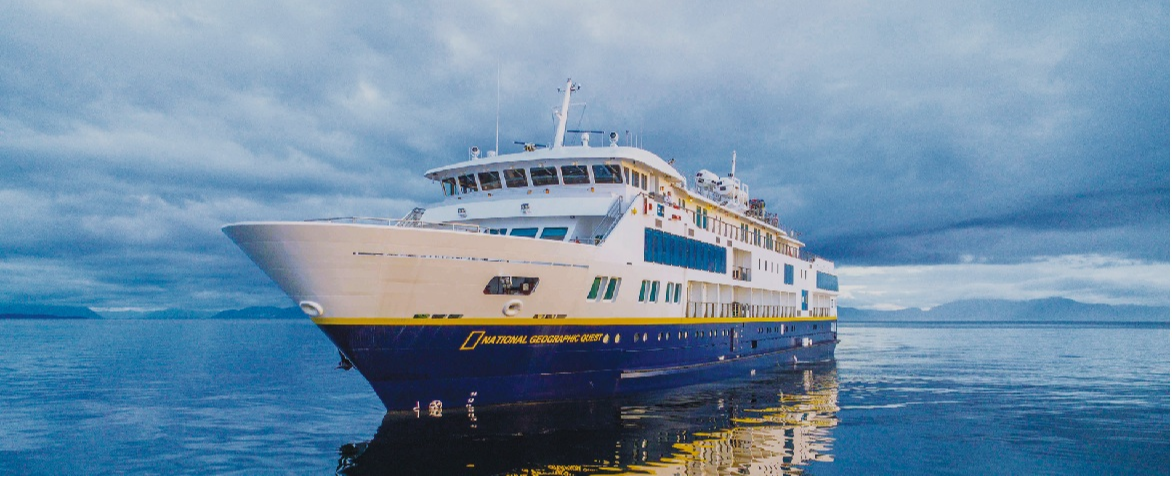

| 3 January | 8 days | One-way from Panama City to land tour |
450-628-6241
Call us
|
| 10 January | 8 days | One-way from Puntarenas to Colon |
450-628-6241
Call us
|
| 27 November | 7 days | One-way from Puntarenas to Panama City |
450-628-6241
Call us
|
| 27 November | 8 days | One-way from land tour to Panama City |
450-628-6241
Call us
|
| 6 January | 8 days | One-way from Colon to Puntarenas |
450-628-6241
Call us
|
| 18 January | 8 days | One-way from Puntarenas to Colon |
450-628-6241
Call us
|
Ponant (29 Cruises)
Le Bellot
20 Cruises
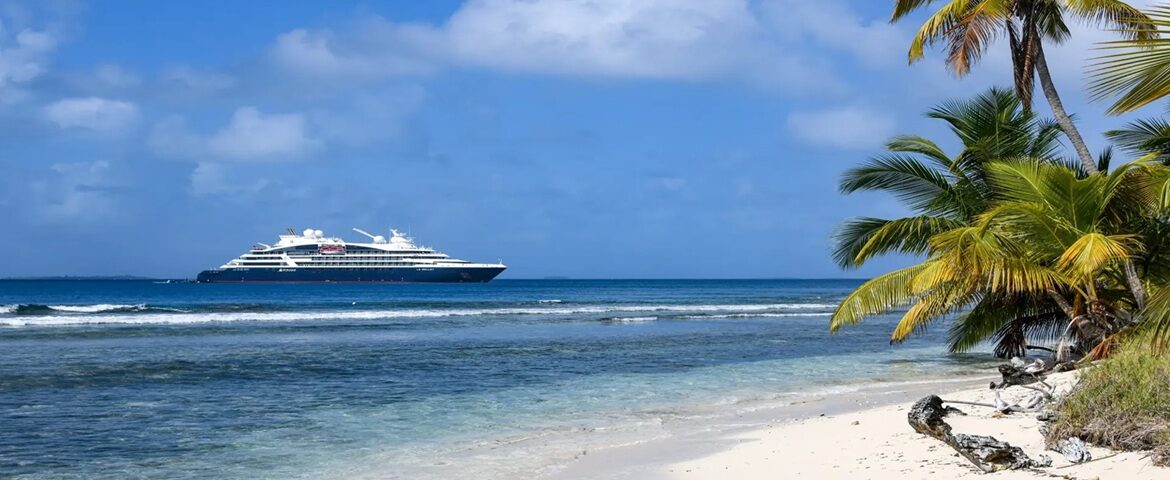

| 29 March | 11 days | One-way from Puntarenas to Colon |
450-628-6241
Call us
|
| 29 March | 9 days | One-way from Puntarenas to Colon |
450-628-6241
Call us
|
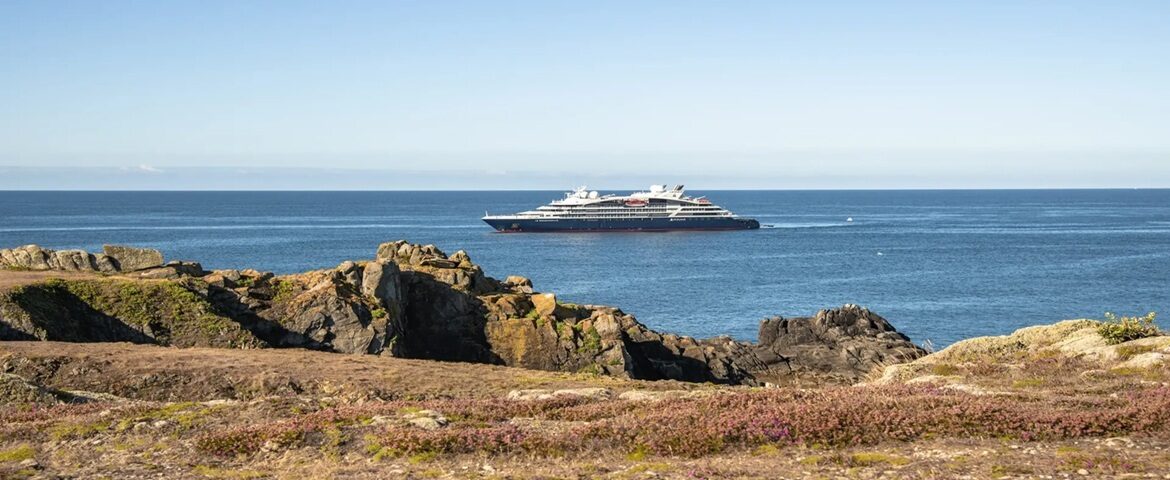
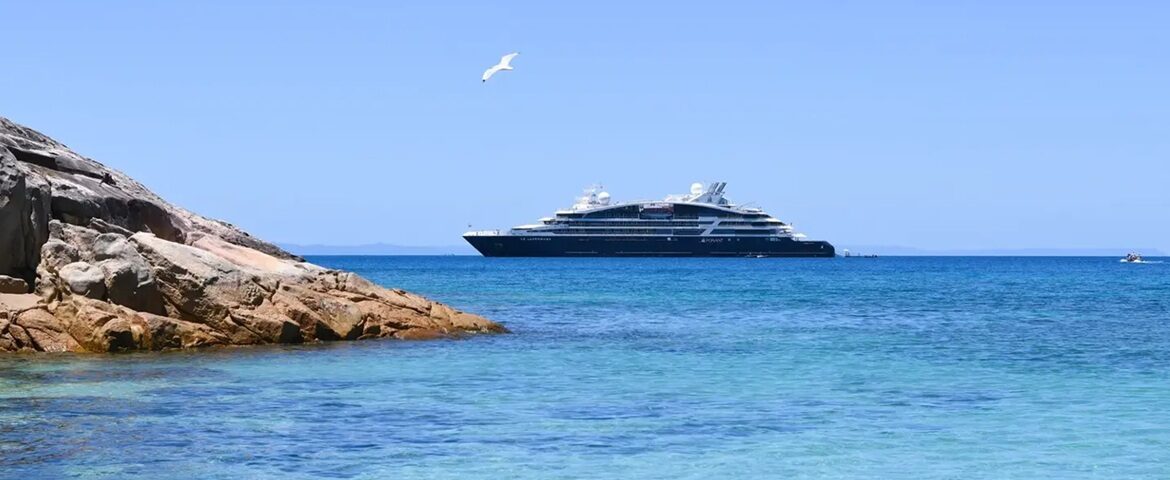
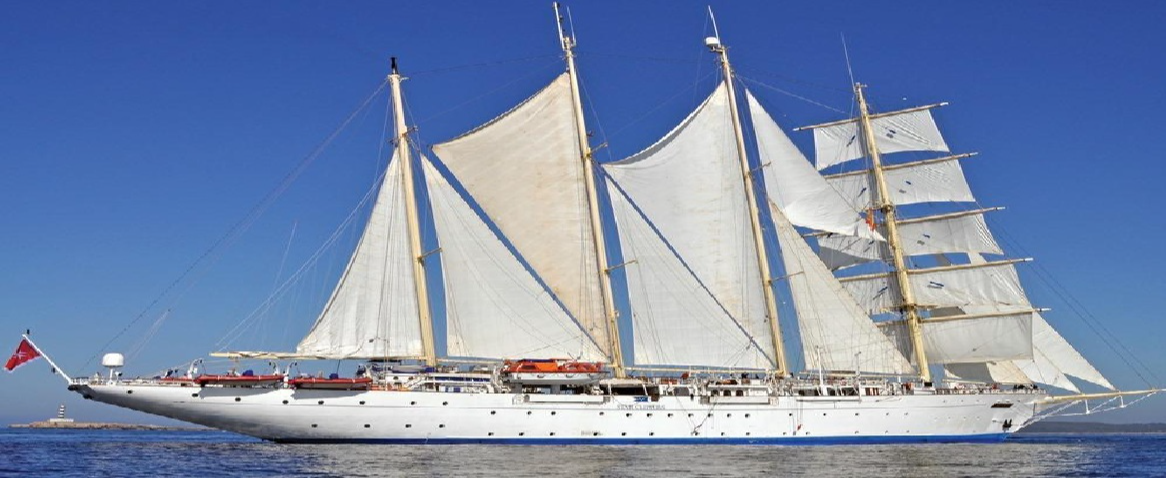
Star Clippers (14 Cruises)
Star Clipper
14 Cruises


Coiba Island, Panama | Cruise Port Guide
Frequently Asked Questions
By Zodiac, stepping into warm shallow water. No pier awaits: you land on beaches where the previous footprints usually belong to hermit crabs.
Because for most of the twentieth century nobody came here willingly. The island held a feared penal colony, closed in 2004, and that forced isolation produced an unexpected result: nature was almost never disturbed.
A marine national park of thirty-eight islands and islets in the Gulf of Chiriquí, on Panama's Pacific side, UNESCO World Heritage listed since 2005. Coiba is its largest island, and the largest in Central America.
You register there — it is the island's only inhabited point — and read the interpretive panels. From the adjacent beach, kayaks and paddleboards let you follow the coast at your own pace, past mangroves and rocks where iguanas dry off.
An islet the size of a village square, a short boat ride away, concentrating the best snorkelling in Panama: a pale beach and corals a few fin-strokes offshore. Parrotfish, moray eels, whitetip reef sharks and turtles move through water whose clarity shifts with the tide.
In the water: passing whale sharks, manta rays, sea turtles, sperm whales and humpbacks depending on the season. Ashore: howler monkeys announce themselves long before you see them, and attentive visitors spot the scarlet macaw, of which Coiba holds one of Panama's last wild populations.
July to October. Whales from the southern hemisphere cruise the gulf with their calves at that time. The naturalists on board know how to read the signs: a blow on the horizon, a fin, a flock of birds converging on one point.
None, and no mobile network either. Everything you need has to come ashore with you. That is the constraint of the place, and also what protects it.
Hat, sun protection, water shoes and a full water bottle, with a dry shirt at the bottom of the bag for the Zodiac ride back. Tropical humidity sets in early and heat builds fast on beaches without shade.
Yes, minimum distances from wildlife apply throughout the park, and the rangers enforce them. That is precisely what preserves the quality of the encounters: approaching less closely lets you see more.


