Muscat Oman
Oman

65 Cruises availables At departure or passage at this port

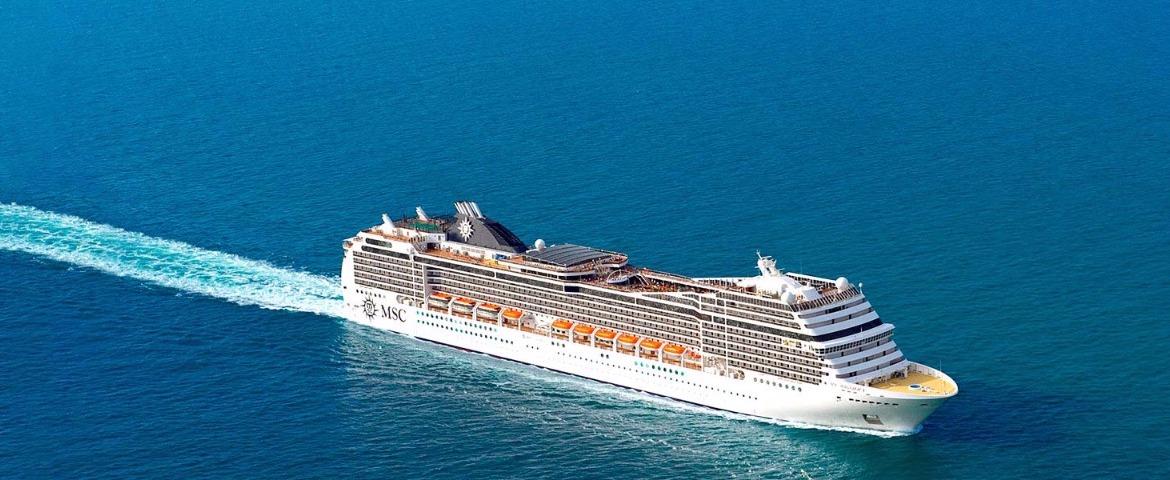
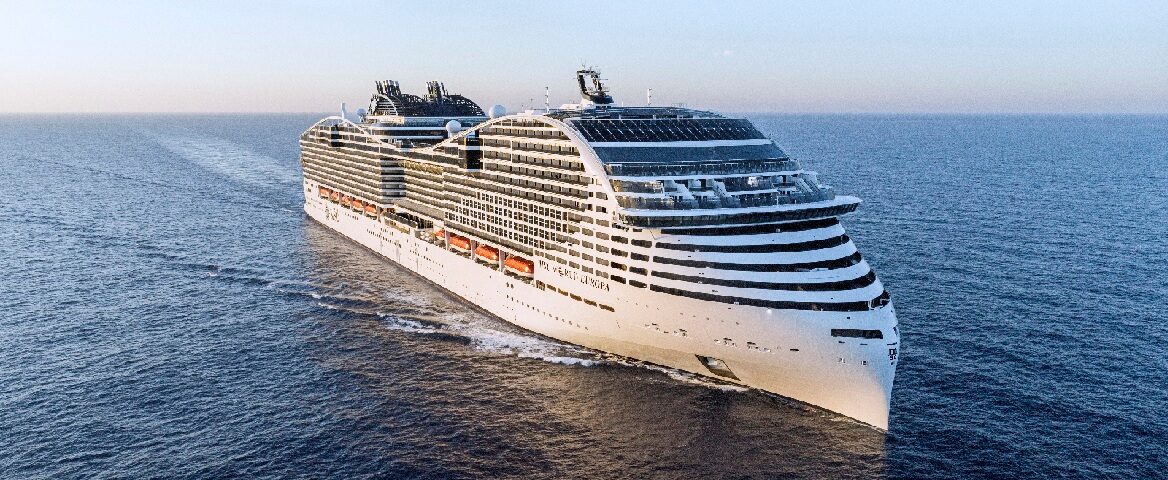
MSC Cruises (19 Cruises)

Port of Muscat, Oman | Cruise Port Guide

Brown, bare, jagged mountains drop almost into the sea; at their feet, low white houses, a few domes, minarets. The arrival in Muscat composes one of the most graphic landscapes of the Gulf of Oman, and the contrast strikes you from the ship's deck: here, no glass towers on the horizon, but a capital that has chosen to remain on a human scale.

From the Pier to the Mutrah Souq

Ships dock at Port Sultan Qaboos, in the Mutrah district. The port area remains commercial, so walking freely is often restricted: cruise lines provide shuttles to the entrance of the souq, a few minutes by road. The market is said to be the oldest covered market in Oman, and you readily believe it as you venture into its alleys, where fabrics, silverware and khanjar daggers mingle. Frankincense above all makes its presence felt: the country has produced it since Antiquity, and vendors burn their Dhofar resins to attract passers-by, so that you often leave with a small terracotta burner and a bag of amber tears. Bargaining is part of the game, always with a smile; Omani merchants rank among the most courteous in the region.

The Corniche, Between Sea and Mountain

Leaving the alleys, the corniche opens up before you: a promenade curving around the bay, lined with latticed façades on one side and moored dhows on the other. A fort perched on its rock has watched over it all since the 16th century, and gulls squabble around the fish market, lively early in the morning when the boats come back with tuna and sardines. The walk is pleasant in the morning, when the breeze comes off the sea; in summer, it is best to break it up, as the Omani heat is unforgiving.

Old Muscat

A ten-minute taxi ride leads to the historic heart, tucked between the cliffs. Al Alam Palace, the sultan's ceremonial residence, lines up its blue and gold columns at the end of an immaculate esplanade; it isn't open to visitors, but the façade can be freely photographed. On either side of the cove, two 16th-century Portuguese fortresses, Al Jalali and Al Mirani, recall the era when Muscat controlled the sea routes to the Indies. The district can be explored on foot in an hour, museums included if time allows.

The Grand Mosque, for Longer Stops

About thirty minutes away by road, the Sultan Qaboos Grand Mosque deserves half a morning. Its prayer hall houses a monumental chandelier and one of the largest single-piece hand-woven Persian carpets in the world. It is open to non-Muslims in the morning, except on Fridays; shoulders and knees must be covered, and women must cover their hair. Here is what you need to plan your schedule:

DestinationFrom the PortTime to Allow on Site
Mutrah SouqShuttle, a few minutes1 h to 1 h 30
Corniche and Mutrah FortOn foot from the souq45 min
Old Muscat and Al Alam Palace10 min by taxi1 h
Sultan Qaboos Grand Mosque30 min by taxi1 h 30

Taxi fares are negotiated before getting in; agree on a round-trip price with waiting time if you are making several stops.

At the end of the day, from the deck, the mountains take on a coppery hue and the waterfront lights come on one by one around the bay. The Omani capital never tries to dazzle; it lets the landscape and the courtesy of its people work their magic, and that is precisely what stays with you once the ship heads back out to sea.

Frequently Asked Questions

At Port Sultan Qaboos in the Mutrah district. The port area remains commercial, so walking freely inside it is often restricted: cruise lines run shuttles to the entrance of the souk, a few minutes away by road.
Not freely within the port area. Once the shuttle drops you at the Mutrah souk entrance, the whole district — souk, corniche, fish market — is walkable. Old Muscat needs a ten-minute taxi.
Oman's oldest covered market, minutes from the berth. Its lanes mix textiles, silverware and khanjar daggers, but frankincense dominates: sellers burn their Dhofar resins to draw passers-by. Bargaining is part of the game, always with a smile.
The Mutrah souk and the corniche, then a taxi to Old Muscat: the Al Alam Palace and the Portuguese forts Al Jalali and Al Mirani. That quarter takes about an hour. The Grand Mosque, thirty minutes away by road, needs half a morning and will not fit the same schedule.
Yes, access is open to non-Muslims in the morning, except Fridays. Shoulders and knees covered, hair veiled for women. Its prayer hall holds a monumental chandelier and one of the world's largest single-piece Persian carpets. Allow half a morning including travel.
No. The Sultan's ceremonial residence is not open to visitors, but the blue-and-gold colonnaded facade can be freely photographed from the esplanade. On either side of the creek, the sixteenth-century Portuguese forts Al Jalali and Al Mirani complete the picture.
Agree the fare before getting in, as there are no meters. If you plan several stops, settle a return price including waiting time: it is the simplest and safest arrangement for a port call.
The Omani rial. Bring small notes for the souk and taxis; cards work in established shops but not with every souk trader.
Shoulders and knees covered, in the city and the souk alike. At the Grand Mosque, women must also cover their hair. Omani traders are among the most courteous in the region, and respectful dress is noticed.
October to April. In summer the Omani heat is unforgiving: break up the corniche walk, which is best in the morning when the breeze comes off the sea. The fish market is liveliest early, when the boats come in with tuna and sardines.