Jan Mayen Island Arctic Norway
Norway

37 Cruises availables At departure or passage at this port
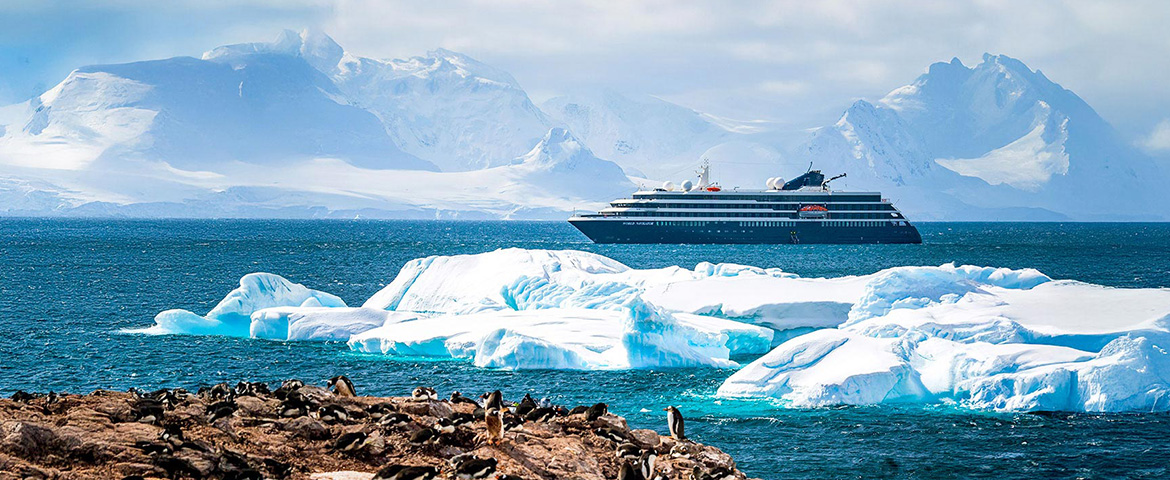
Jan Mayen Island, Norway | Cruise Port Guide

Some islands even seasoned travellers will never see. Jan Mayen is one of those. Lost in the North Atlantic between Iceland and Svalbard, this Norwegian possession, about fifty kilometres long, has no harbour, no hotel, and no permanent population other than the crew of a weather station. Only a handful of expedition ships approach it each year, and their passengers then join a very small circle: that of people who have set foot on one of the most solitary lands in the Northern Hemisphere.

Beerenberg, a Giant Beneath the Clouds

The entire island lives under the presence of Beerenberg, a glacier-covered volcano that rises to 2,277 metres directly above the sea. It's the northernmost active volcano above sea level on the planet; its last eruption dates back to 1985. The summit is often hidden in cloud, and that's exactly what makes the approach so fascinating: for hours, the cone can be glimpsed, then veils itself again, and sometimes suddenly reveals itself all at once, immense, its glacial tongues running down to the black water. Photographers stay out on deck, just in case.

A Landing Never Guaranteed

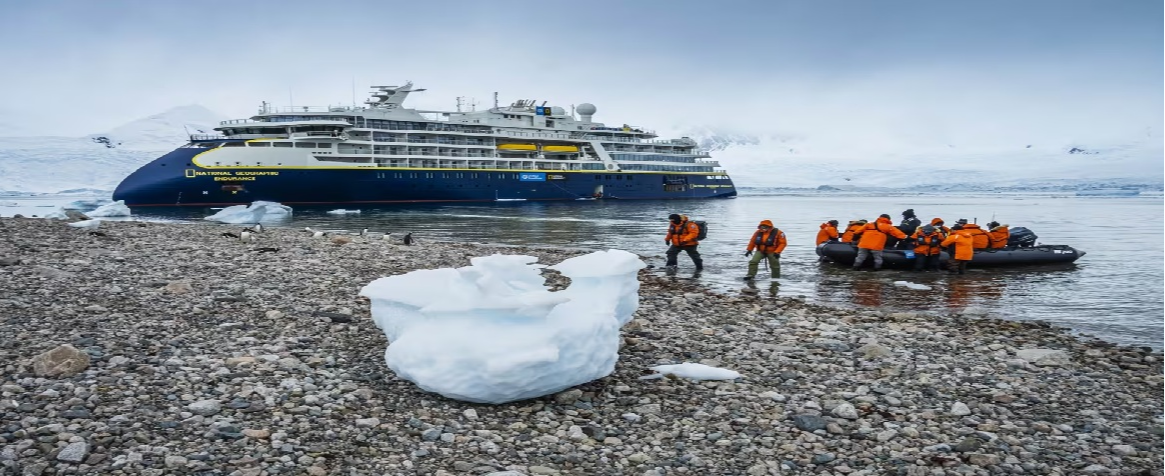
No infrastructure awaits visitors here: Zodiacs usually head for Kvalrossbukta, "Walrus Bay," a relatively sheltered cove on the west coast lined with dark volcanic sand. Swell, fog, and environmental permits decide the program, and even the best-planned expeditions sometimes turn back without having landed. Cruise companies say so plainly: Jan Mayen can be attempted, it can't be booked. That uncertainty is part of the deal, and passengers who do make it ashore savour their luck at its true worth.

Walking on a New-Made Land

On land, the scenery feels like the beginning of the world: black sand beaches strewn with driftwood carried from Siberia by ocean currents, lava flows frozen beneath moss, wind-battered ridges. The volcanic soil, dark and spongy in places, holds the mark of footsteps for a long time, which is why guides enforce specific routes. The walks on offer follow simple paths, sometimes leading to a viewpoint over the Olonkinbyen station, where about twenty Norwegian technicians and meteorologists rotate through, far from everything. Seabirds nest in large numbers on the headlands, and the rich waters surrounding the island attract whales and dolphins, often spotted from the ship during the approach.

A History of Hunters and Scientists

Dutch whalers of the seventeenth century were the first to work these shores, as a few quiet remains in the bays still attest. Trappers came next, then scientists, the only permanent residents for nearly a century now. Walking here means treading in very few footsteps before your own: nature has almost never had to contend with people, and that's felt at every moment.

What to Know

  • Landing depends entirely on the weather and sea conditions; no company can guarantee it.
  • Bring waterproof boots for the Zodiac outings and several warm layers: the wind never lets up.
  • The island is protected as a nature reserve: no stone, driftwood, or souvenir of any kind is taken home, only photos.

The Island That Stays With You

As the ship departs, Beerenberg slowly fades into the mist, and the vessel returns to open water for a day or two before the next landfall. It's often there, leaning on the railing, that the full weight of what just happened sets in: having seen, perhaps even walked on, an island most atlases barely mention. Jan Mayen offers nothing to buy and everything to feel, and that's exactly why people seek it out.

Frequently Asked Questions

Lost in the North Atlantic between Iceland and Svalbard. This Norwegian possession, some fifty kilometres long, has no port, no hotel and no permanent population beyond the crew of a weather station.
No, there is no harbour at all. Zodiacs usually aim for Kvalrossbukta, walrus bay, a relatively sheltered cove on the west coast lined with dark volcanic sand. A landing is never guaranteed.
A glacier-covered volcano rising to 2,277 metres straight out of the sea: the northernmost subaerial active volcano on the planet. Its last eruption was in 1985. The summit often hides in cloud.
Swell, fog and environmental permissions decide the programme, and even the best-planned expeditions sometimes leave without setting foot ashore. The lines say it plainly: Jan Mayen is attempted, not booked.
Like the beginning of the world: black sand beaches strewn with driftwood carried from Siberia by the currents, frozen lava flows under moss, wind-scoured ridges. The volcanic soil, dark and spongy in places, holds footprints for a long time.
You follow simple routes set by the guides, sometimes to a viewpoint over the Olonkinbyen station, where around twenty Norwegian technicians and meteorologists rotate far from everything. The routes are strict precisely because the ground keeps the marks.
Seabirds nest in numbers on the headlands, and the rich waters around the island draw whales and dolphins, often spotted from the ship during the approach. There is no notable land wildlife.
Dutch whalers of the 17th century were the first to work these shores, as a few discreet remains in the bays still show. Trappers followed, then scientists, the only permanent occupants for nearly a century.
No. The island is protected as a nature reserve: you take away no stone, no driftwood, no souvenir other than your photographs.
Waterproof boots for the Zodiac landings and several warm layers: the wind is constant. There is nothing to buy on site, no infrastructure and no shops.