Luderitz Namibia
Namibia

36 Cruises availables At departure or passage at this port

Port of Lüderitz, Namibia | Cruise Port Guide

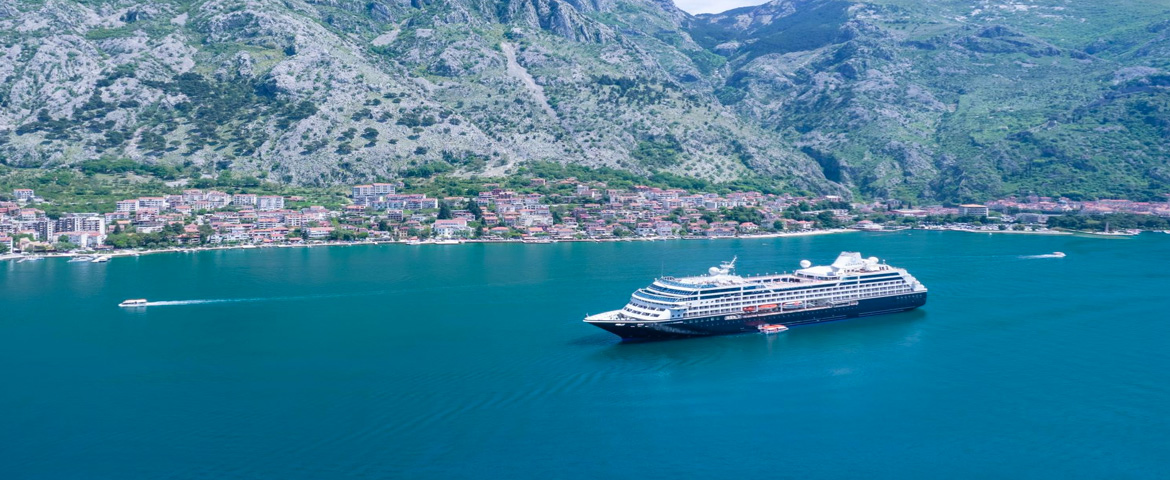
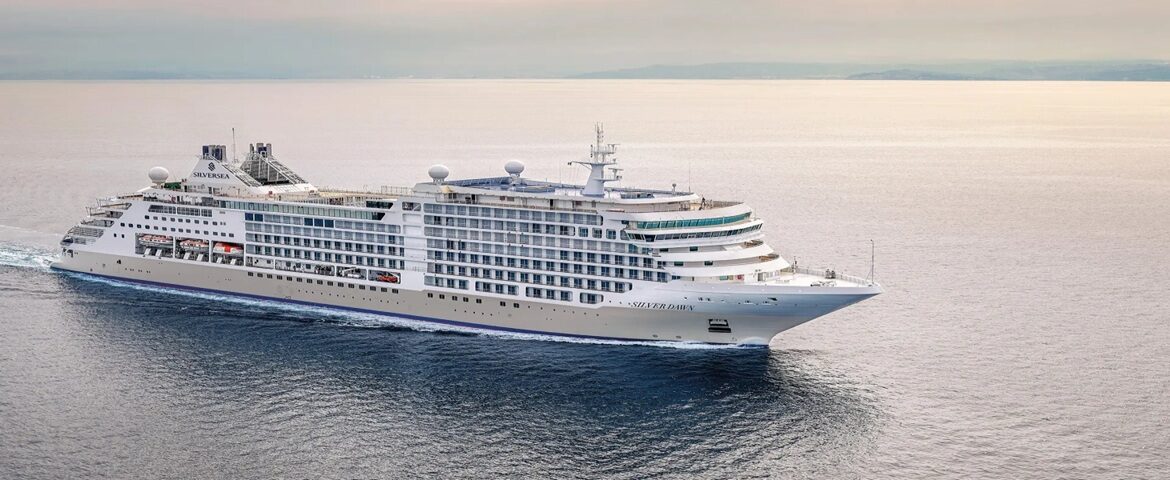
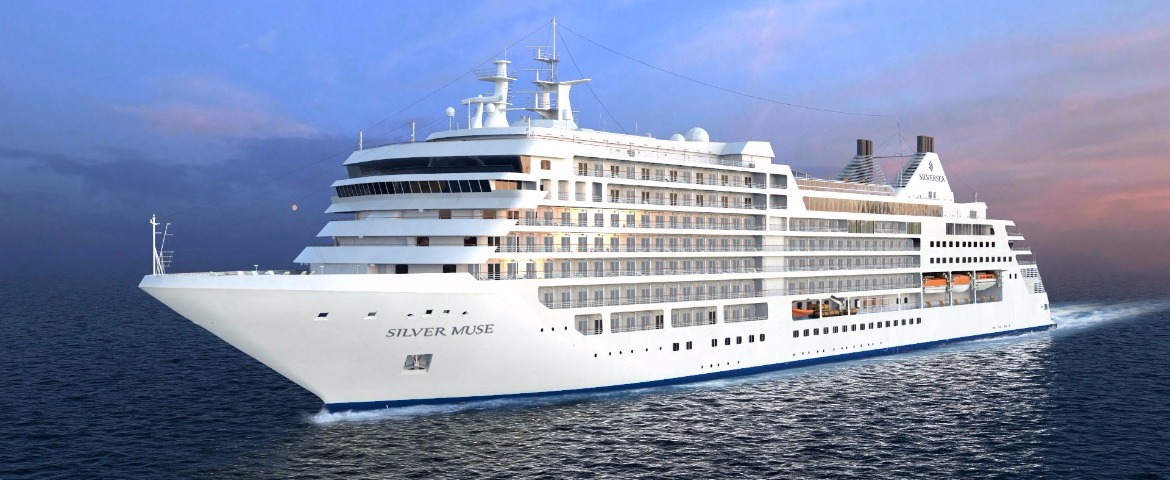
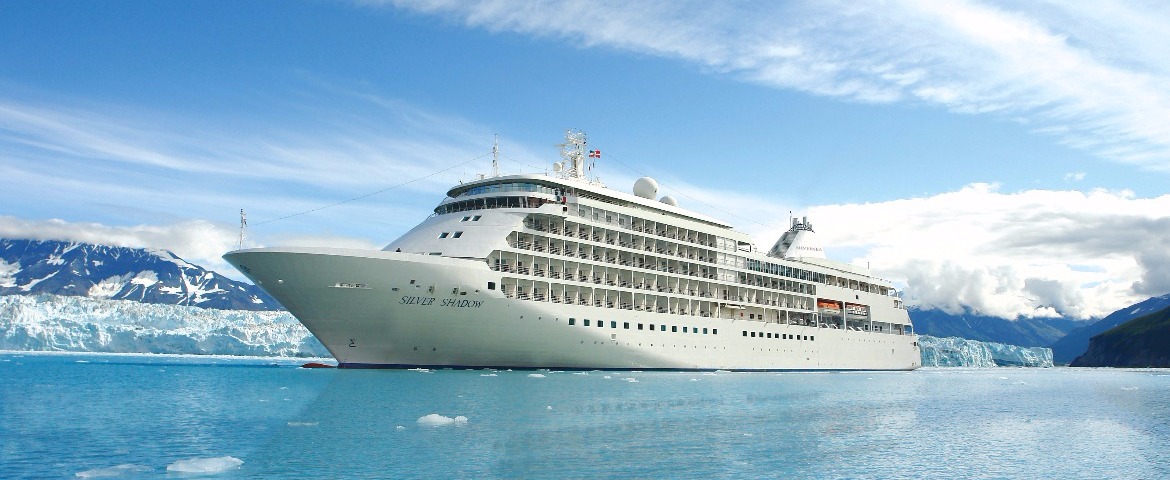
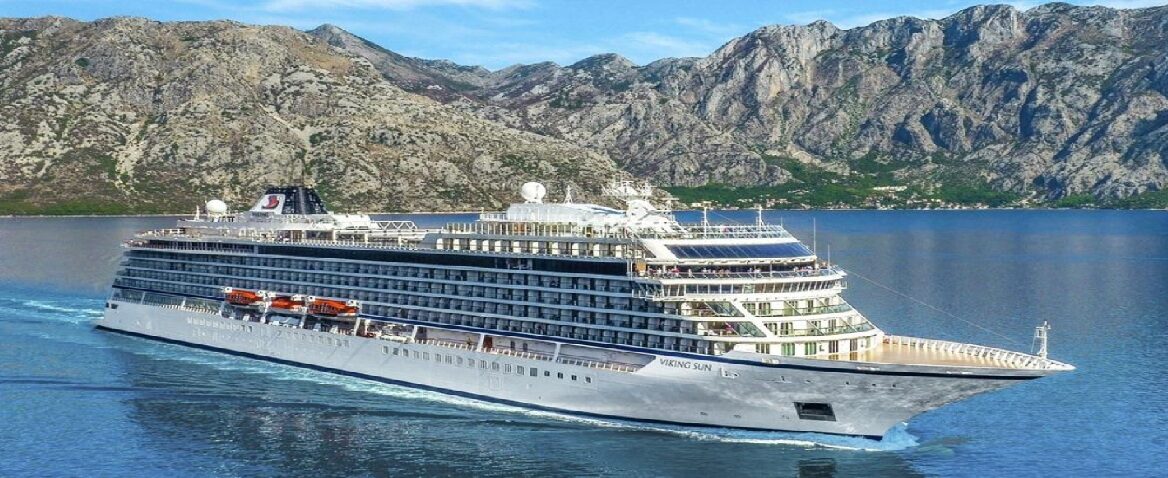
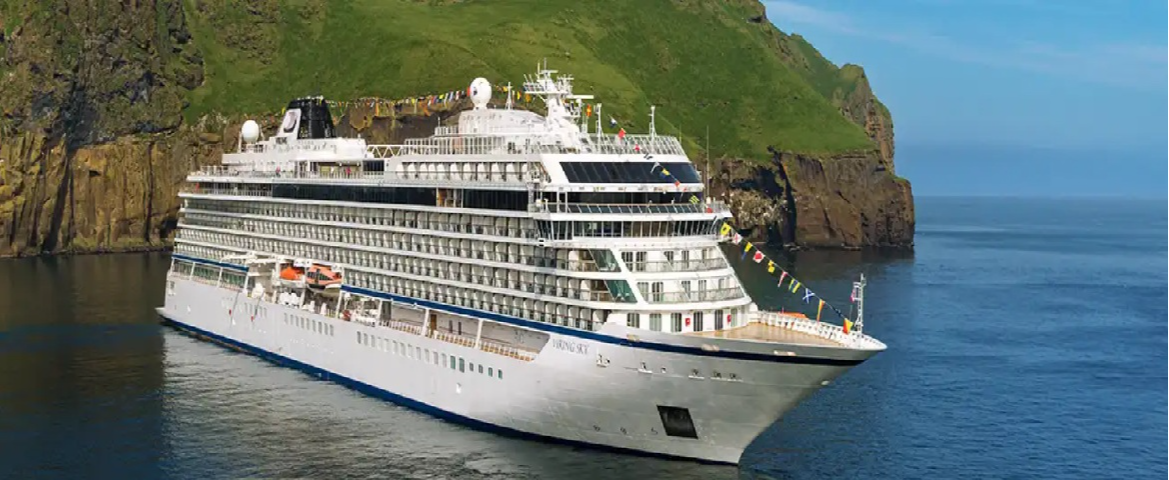
You have to rub your eyes on arrival: Bavarian gables, a Lutheran church perched on its rock, blue and cream Art Nouveau façades — all hemmed in by the Namib Desert on one side and the icy Atlantic on the other. Lüderitz was born of German colonization and a diamond rush, and this double heritage gives it the look of an improbable stage set on the Namibian coast. Ships anchor in the bay and tender their passengers to the waterfront quay, right on the edge of the centre.

A Stroll Through Germany at the End of the World

Everything is done on foot. From the landing, a few minutes are enough to reach the sloping streets of the historic centre. The Felsenkirche, the church on the rock, overlooks the bay with its pointed steeple; its stained-glass windows blaze at the end of the day. Below, Goerke Haus, the stately home of a diamond magnate, retains its wood panelling and grand staircase. The old railway station and the early twentieth-century trading houses complete this open-air museum of Wilhelmine style, maintained with astonishing care 8,000 kilometres from Berlin.

Kolmanskop, the Town the Sand Is Reclaiming

About ten kilometres inland lies the port call's signature excursion: Kolmanskop, a diamond ghost town. So prosperous that it had a theatre, a hospital and a bowling alley, it was abandoned when the deposits shifted south. The desert now comes in through the doors: dunes invade the living rooms, sand climbs to the windows, light falls through broken ceilings. The guided tour, offered in English and German, recounts the diamond fever and the surreal daily life of a mining community that had its fresh water brought in by ship; photographers, meanwhile, can't stop framing these sand-filled interiors.

Penguins, Flamingos and Sea Wind

Nature surrounds the small town on all sides. Tours of the Lüderitz peninsula lead to Diaz Point, where a cross recalls the passage of Portuguese navigator Bartolomeu Dias in 1488, and to beaches where flamingos and fur seals share the cold waters of the Benguela Current. Boat outings, when the swell allows, pass Halifax Island and its colony of African penguins. The wind, almost constant, is part of the landscape: it sculpts the desert and cools the summers.

Bring a windbreaker even in the height of the southern summer: the cold current running along the coast keeps temperatures cool and morning fog frequent, surprising at this African latitude. The Namibian dollar is the currency, at par with the South African rand, which is accepted everywhere. For Kolmanskop, the organized excursion remains the simplest option, as the site requires an access permit that tours include automatically.

Food and People

Back in town, the waterfront lines up a few restaurants where oysters farmed in the bay and local rock lobster are enjoyed facing the fishing boats. The residents — descendants of settlers, Nama families, workers from all over the country — make up a community of about 12,000 people, welcoming and proud of their isolation. A few words are easily exchanged in English, sometimes in German.

One Last Look at the Bay

Lüderitz is like nothing you know, and that is its strength. Heading back to the ship, between the cries of cormorants and the salt-laden wind, you take away images that seem invented: a Gothic church on an African rock, a piano buried in a dune, penguins under a desert sky. Few port calls leave such a clear mark on the memory of a trip.

Frequently Asked Questions

Ships anchor in the bay and land passengers by tender at the waterfront quay, right on the edge of the historic centre.
Yes, everything is walkable. From the landing, a few minutes takes you into the sloping streets of the old town.
Because it was born of German colonisation and a diamond rush. Bavarian gables, a Lutheran church on its rock and blue-and-cream Art Nouveau facades make an open-air museum of Wilhelmine style, carefully kept up 8,000 kilometres from Berlin.
The Felsenkirche, the church on the rock, whose stained glass blazes late in the day; the Goerke Haus, a diamond magnate's mansion with its panelling and ceremonial staircase; the old railway station and the early twentieth-century trading houses.
A diamond ghost town about ten kilometres inland. Prosperous enough to have had a theatre, a hospital and a bowling alley, it was abandoned when the deposits shifted south, and the desert now comes in through the doors.
The organised excursion is the simplest option: the site requires an access permit that tours include automatically. The guided visit is offered in English and German.
Yes, on boat trips to Halifax Island and its African penguin colony when the swell allows. Flamingos and fur seals also share the cold waters of the Benguela current.
A headland on the peninsula where a cross marks the passage of the Portuguese navigator Bartolomeu Dias in 1488. Peninsula tours reach it, among beaches and bird colonies.
No, and that is the surprise of the call. Bring a windproof jacket even in high southern summer: the cold current along the coast keeps temperatures cool and morning fog frequent.
The Namibian dollar, at parity with the South African rand, which is accepted everywhere. English works easily, and sometimes German.