Loreto Baja California Mexico

86 Cruises availables At departure or passage at this port

Holland America Line (27 Cruises)

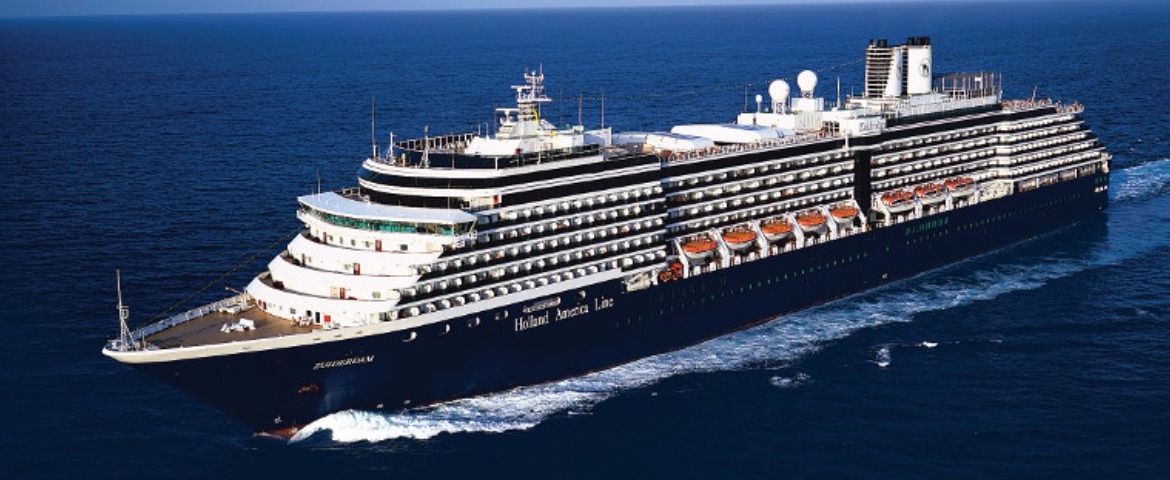
Cruise HAL Holland America Line ms Koningsdam ship

ms Koningsdam

2650 Passengers
99836 tons
Visit the ship's page

Lindblad Expeditions (40 Cruises)

National Geographic Venture.

National Geographic Venture

150 Passengers
2920 tons
Visit the ship's page

Port of Loreto, Mexico | Cruise Port Guide

In 1697, an Italian Jesuit landed on this arid coast with a handful of men and founded the first permanent mission in the Californias. Everything that followed — the royal roads, the missions from San Diego to San Francisco — started here. Loreto, today a peaceful town on the Sea of Cortez, keeps a quiet pride in this history and an old centre that can be explored entirely on foot.

Arriving by Sea

Ships anchor offshore and tender their passengers to the municipal pier at the northern end of the malecón. The waterfront promenade sets the tone for the day: fishers unloading their pangas, pelicans on patrol and, in the background, the blue silhouettes of the islands of the national marine park. The historic centre begins five minutes' walk away, on flat, shaded streets. Depending on the season, a few pleasure sailboats share the anchorage with the pangas, a favourite stop for sailors heading down the peninsula.

The Mother Mission of the Californias

The church of Nuestra Señora de Loreto raises its stone bell tower above the main square. The inscription above the portal presents it as "head and mother of the missions of Lower and Upper California" — a title no other sanctuary on the continent can claim. Inside, a gilded altarpiece and stony coolness; right next door, the Missions Museum displays tools, sacred art and documents of the Jesuits that tell the improbable story of the colonization of this desert. The whole — sanctuary, museum, square — can be visited in two or three hours without rushing.

Around the Square

The Plaza Cívica and nearby streets invite you to slow down: arcades, century-old ficus trees, artisan galleries offering silverwork, ceramics and textiles from the mainland. Downtown restaurants serve the regional specialty, almejas chocolatas — large clams with chocolate-brown shells — grilled with garlic or in ceviche. A break in the shade with a coffee from the sierra is enough to understand the local rhythm, that of a town where everyone greets each other and the siesta still has its rights. During long port calls, the square comes alive late in the day with musicians and families out enjoying the cool air.

The Marine Park and Coronado Island

Facing the village, Loreto Bay National Park protects five islands inscribed on the World Heritage List. The closest, Coronado Island, shows a volcanic profile flanked by coves of almost-white sand where sea lions bask. Panga excursions devote half a day to it, combining boating, snorkelling and light walking. The park's waters are among the richest in the gulf: dolphins almost guaranteed and, in late winter, the passage of the blue whale, the largest animal on the planet, which biologists come to study here every year.

For History Buffs

Travellers with a long port call can venture to Mission San Javier, 35 kilometres into the sierra along a spectacular mountain road. This 18th-century volcanic-stone building, considered the best preserved of the peninsula's religious establishments, requires about three hours round trip by road: best kept for days when the ship stays late at anchor. Along the way, the road passes palm oases where vines and olives are still grown using methods introduced three centuries ago.

One Last Stroll on the Malecón

Before taking the tender back, one last walk along the waterfront is a must, when the low-angled light gilds the islands. Loreto makes no noise: it lines up three centuries of history, a protected sea and a village that lives on a human scale. Port calls like this are becoming rare, and this one stays in your memory precisely because it doesn't try to hold on to you.

Frequently Asked Questions

They anchor offshore: passengers land by tender at the municipal jetty, at the north end of the malecón. The historic centre starts five minutes' walk away, on flat, shaded streets.
Yes, entirely. The old centre, the mission, the museum and the Plaza Cívica are all walkable from the jetty. Only Coronado island and the San Javier mission require a boat or a mountain road.
Because in 1697 an Italian Jesuit founded here the first permanent mission of the Californias. Everything that followed, the royal roads and the missions from San Diego to San Francisco, started from this spot.
The church of Nuestra Señora de Loreto and its stone bell tower above the main square. The inscription over the door calls it head and mother of the missions of Lower and Upper California, a title no other sanctuary on the continent can claim. The Museum of the Missions next door displays tools, sacred art and Jesuit documents.
The mission, museum and square take two or three unhurried hours. If you prefer the sea, take a panga excursion to Coronado island, half a day of cruising, snorkelling and easy walking.
The island closest to town, inside the Bay of Loreto national park: a volcanic profile flanked by coves of near-white sand where sea lions haul out. The park protects five World Heritage-listed islands.
Yes, in late winter, when the blue whale, the largest animal on earth, passes through the park's waters, where biologists come to study it every year. Dolphins, by contrast, are nearly guaranteed on a panga trip.
Yes, but only on days when the ship stays late at anchor: 35 kilometres into the sierra on a mountain road, about three hours round trip. This 18th-century volcanic stone church is considered the best-preserved on the peninsula.
Almejas chocolatas, the large clams with chocolate-brown shells, grilled with garlic or served as ceviche: they are the regional specialty. Every restaurant in the centre serves them, with sierra coffee to finish under the fig trees on the square.
The Mexican peso. Loreto is still a quiet town: bring cash, as cards are not accepted everywhere in the artisan galleries.