Kota Kinabalu Borneo Malaysia Sabah
95
Cruises availables
At departure or passage at this port
Crystal Cruises (5 Cruises)

Holland America Line (3 Cruises)

Norwegian Cruise Line (12 Cruises)
Norwegian Jade
12 Cruises

Oceania Cruises (41 Cruises)
Oceania Aurelia
8 Cruises

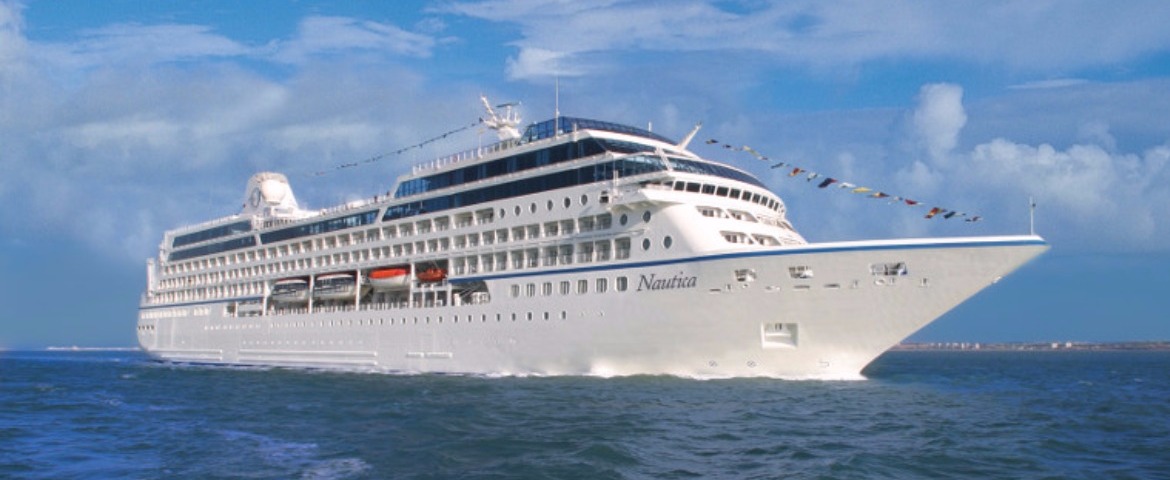
Oceania Nautica
8 Cruises
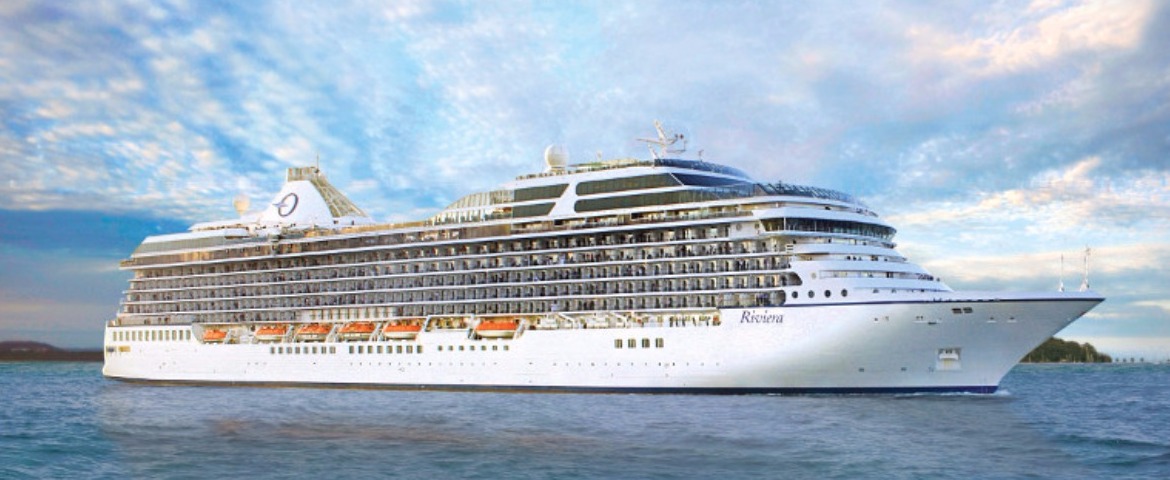
Oceania Riviera
16 Cruises
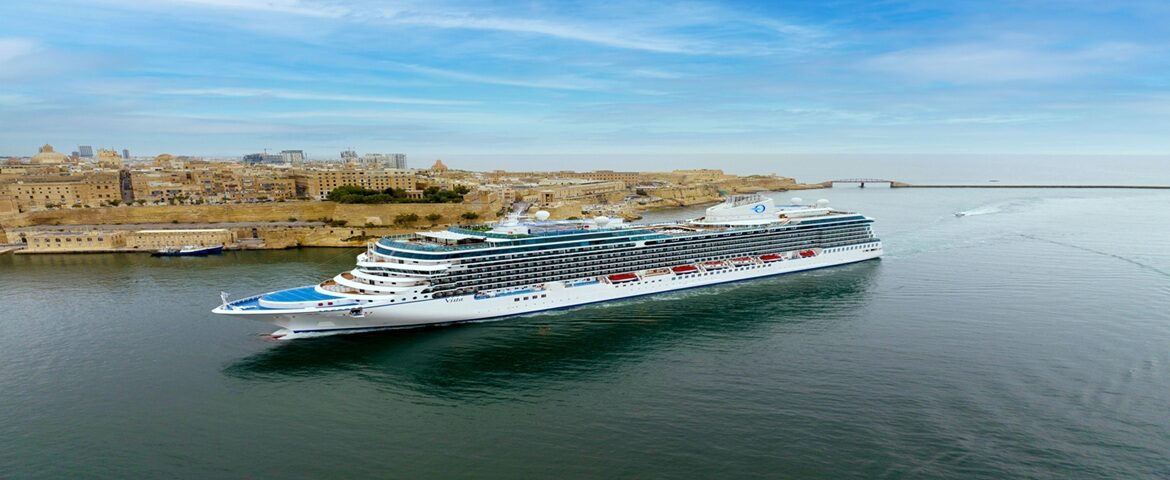
Oceania Vista
9 Cruises
| 6 January | 244 days | One-way from Miami to New York |
450-628-6241
Call us
|
| 6 January | 180 days | One-way from Miami to Southampton |
450-628-6241
Call us
|
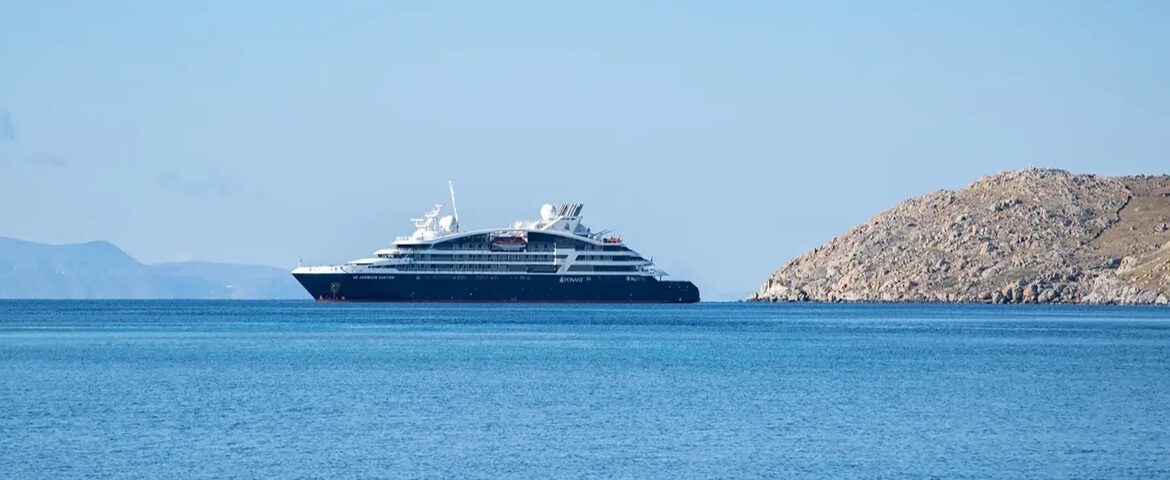

Regent Seven Seas Cruises (17 Cruises)
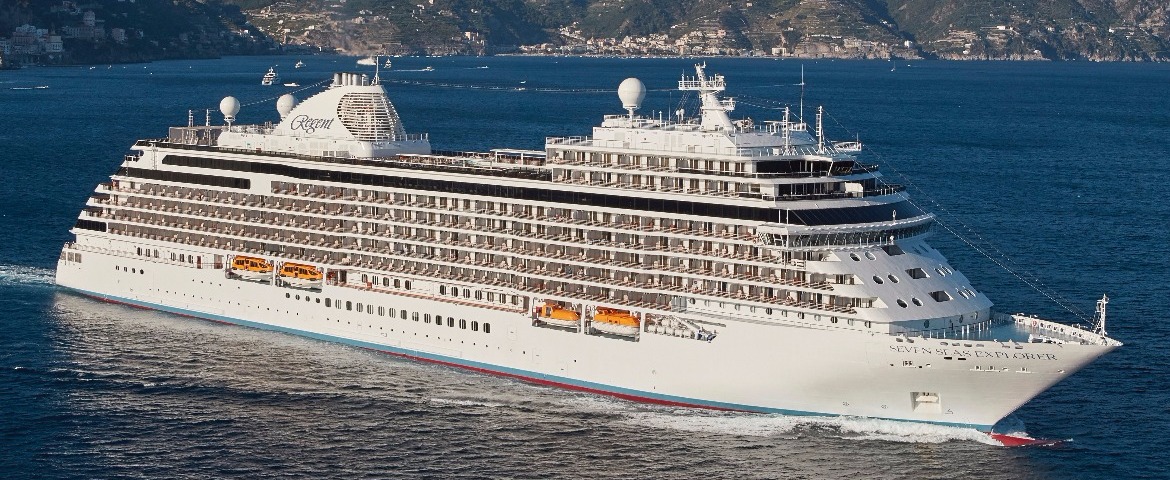
Seven Seas Explorer
5 Cruises

Silversea Cruises (11 Cruises)
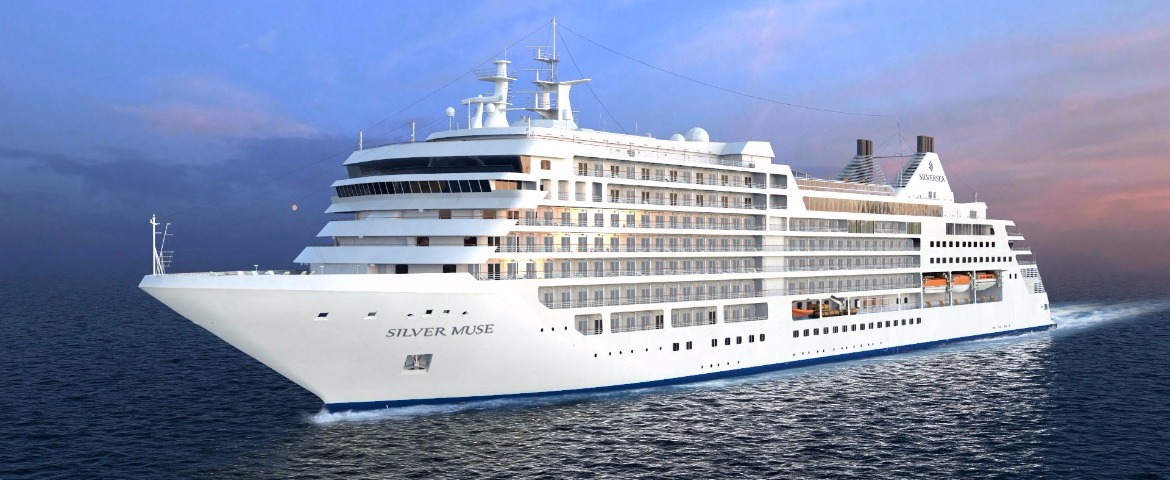
Silver Muse
11 Cruises


Port of Kota Kinabalu, Malaysia | Cruise Port Guide
Frequently Asked Questions
Most ships berth at Sepanggar port, an industrial area about fifteen kilometres north of the centre; allow twenty to thirty minutes by road. Smaller ships sometimes anchor closer to shore and land passengers by tender, within walking distance of the first shops.
Once in town, yes: the shopping districts stretch about two kilometres along the sea and everything is walkable. The issue is not the city, it is the transfer from Sepanggar. Cruise lines run shuttles and taxis wait at the terminal exit.
Gaya Street, the market halls and the climb to Signal Hill fill a morning. A half day on Manukan or Sapi island pairs very well with that morning ashore. The Mari Mari cultural village, though, forty minutes' drive away and three hours to visit, is only worth booking if your call is long.
It is the shopping artery that grew up with the city. Its cafés serve coconut-milk laksa and tea pulled at arm's length, its shops line up fabrics, spices and traditional remedies. On Sunday mornings the whole street becomes a market, from six until one: Borneo fruit, orchids, crafts, songbirds and rice cakes.
It is a marine national park of five forest-topped islands facing the city, about twenty minutes by boat from the main jetty. Manukan is the most developed, Sapi known for clear water and a reef reachable from shore, Mamutik the smallest, Gaya the largest and Sulug the least visited. A mask and snorkel are enough to meet parrotfish and coral.
In clear weather, yes: its silhouette dominates the horizon long before the coast comes into focus. At 4,095 metres it is the highest peak in Borneo. Climbing it, however, takes several days: it is not a shore excursion, and it is better to know that before dreaming.
It is a viewpoint reached by a made path of about 500 metres climbing under the trees from the end of Gaya Street. From the top you take in the roofs below, the nearby islands and the ships at anchor. The climb takes some effort in the humid heat: go early and bring water.
Almost nothing, and that is a defining feature of the city: KK was almost entirely rebuilt after the Second World War. The Atkinson Clock Tower, a white wooden structure raised in 1905, is one of the few witnesses of colonial Jesselton to have survived the bombing of 1945.
The Malaysian ringgit and Malay, with English very widely spoken. Credit cards work in shops and restaurants; keep ringgits for the market halls and the Sunday market, where cash remains the norm.
Keep an hour to wander the waterfront: the fish grills light up late in the day, families gather facing the islands and, if the sky cooperates, the sun goes down exactly where the boats come in. It is the best hour of the day in town.


