Mainz Germany Rhineland-Palatinate
827
Cruises availables
At departure or passage at this port
AmaWaterways (51 Cruises)
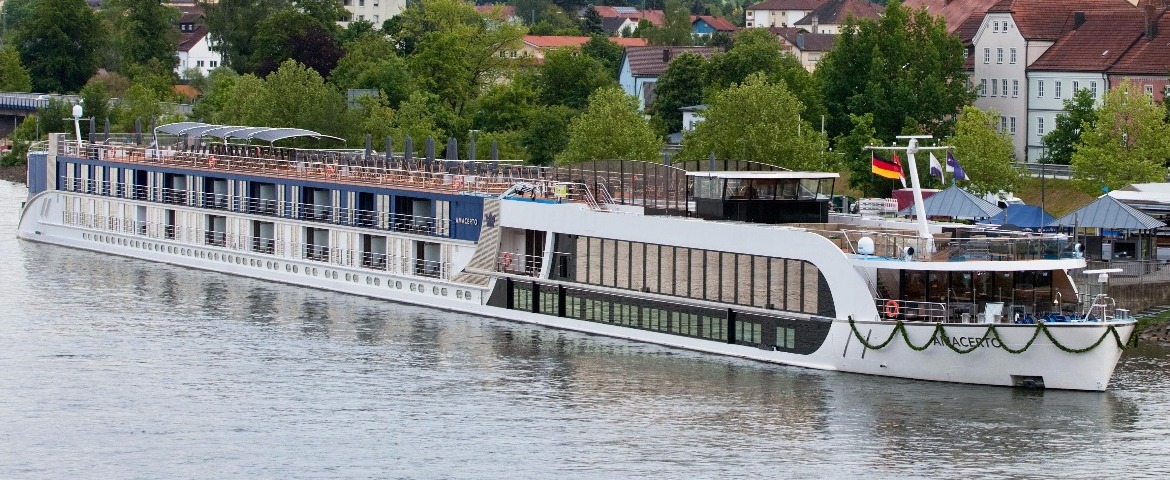

AmaLucia
12 Cruises
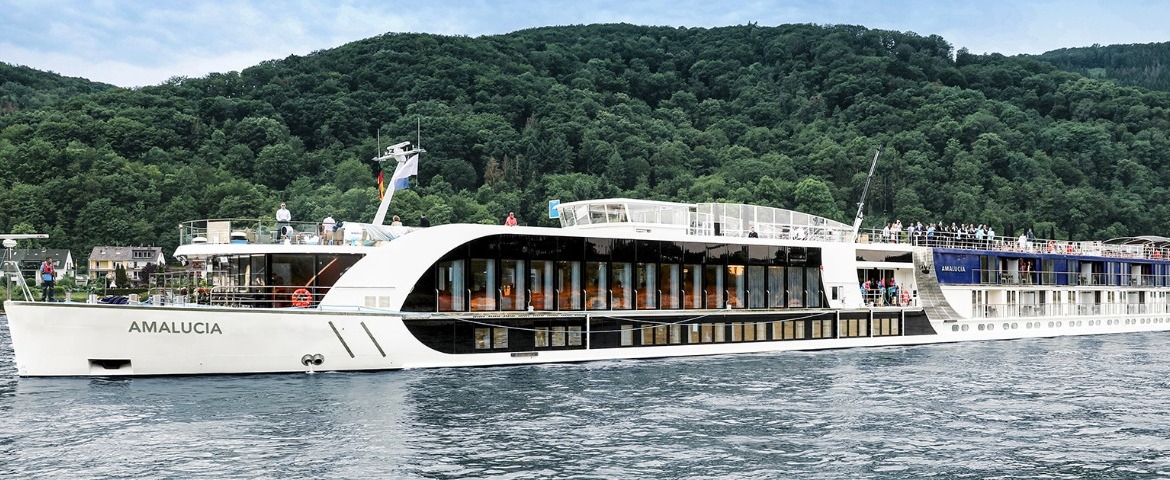
AmaPrima
9 Cruises
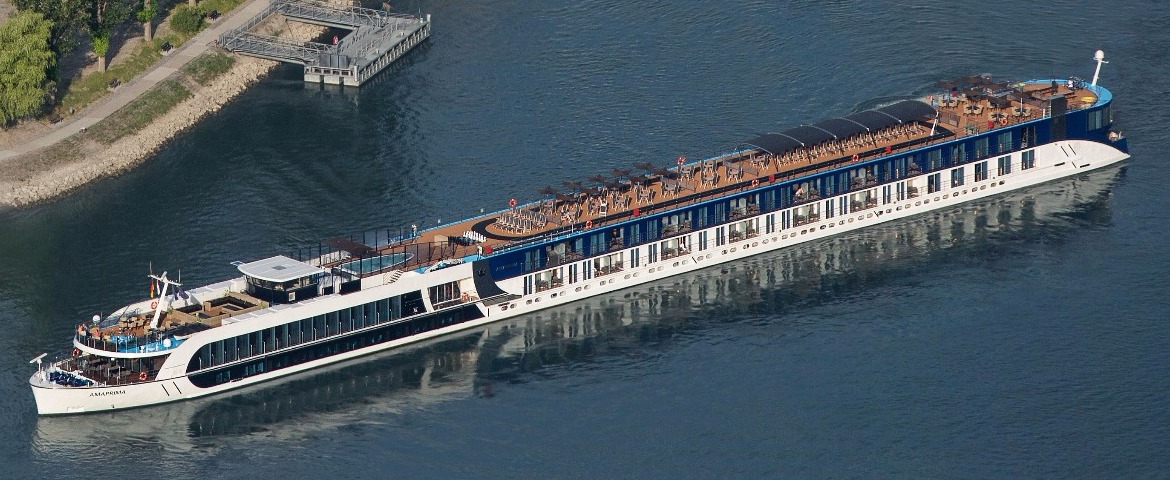
| 16 February | 8 days | One-way from Basel to Amsterdam |
450-628-6241
Call us
|
| 23 February | 8 days | One-way from Amsterdam to Basel |
450-628-6241
Call us
|
| 1 March | 8 days | One-way from Basel to Amsterdam |
450-628-6241
Call us
|
| 8 March | 8 days | One-way from Amsterdam to Basel |
450-628-6241
Call us
|
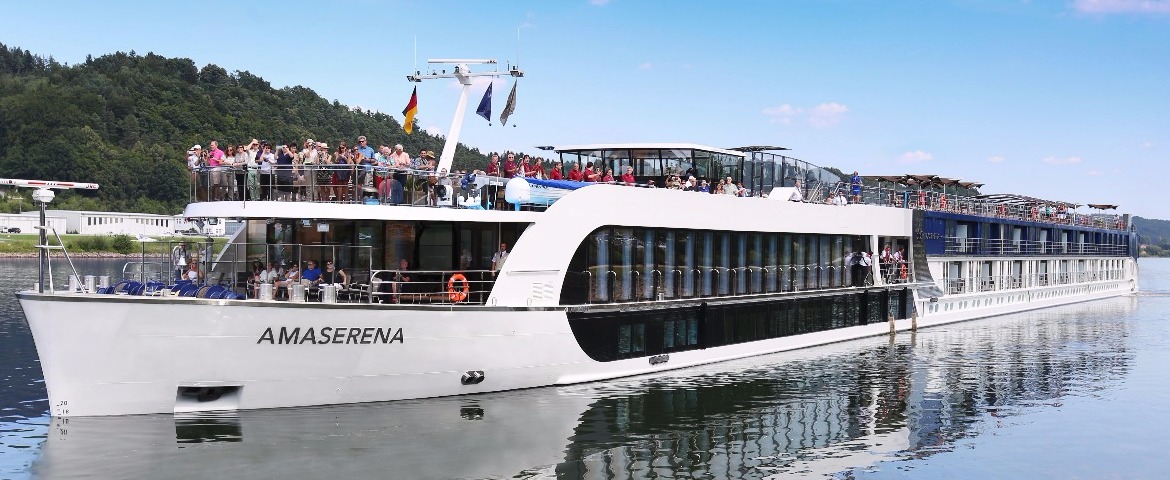
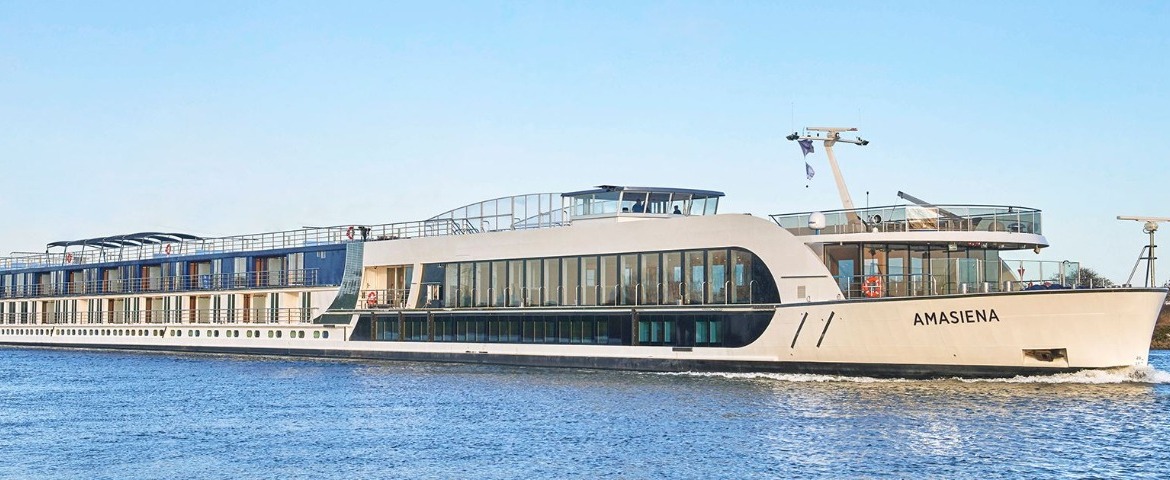
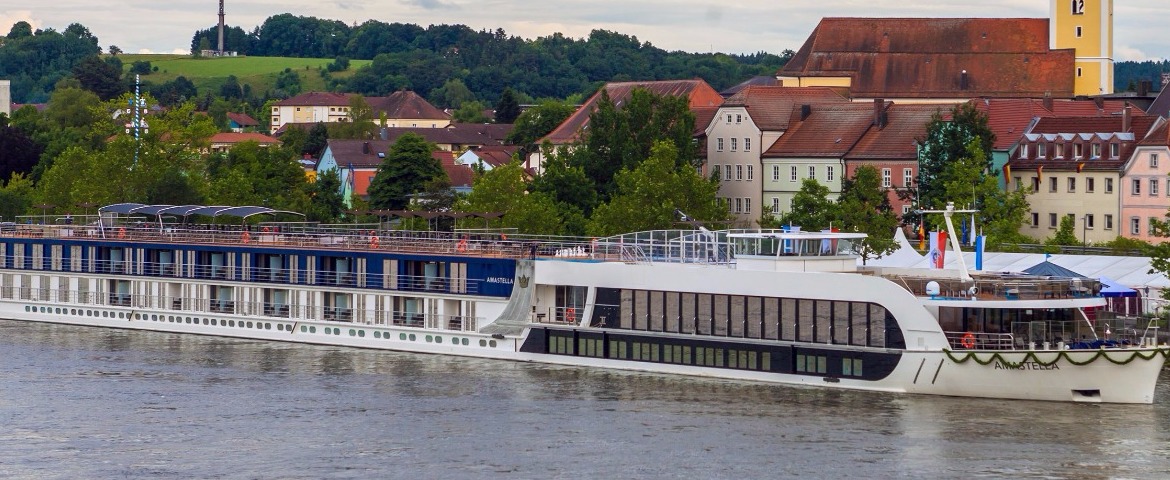
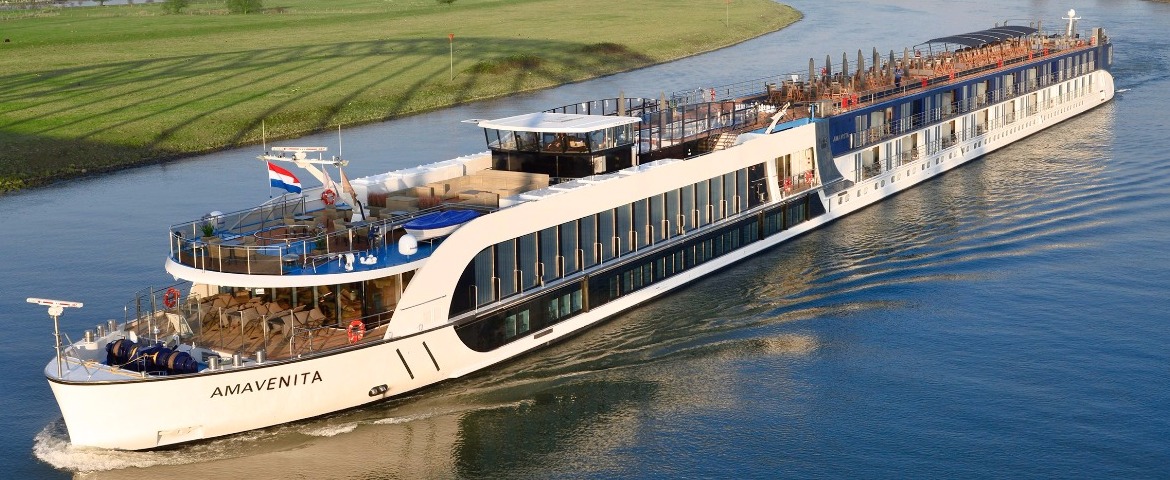
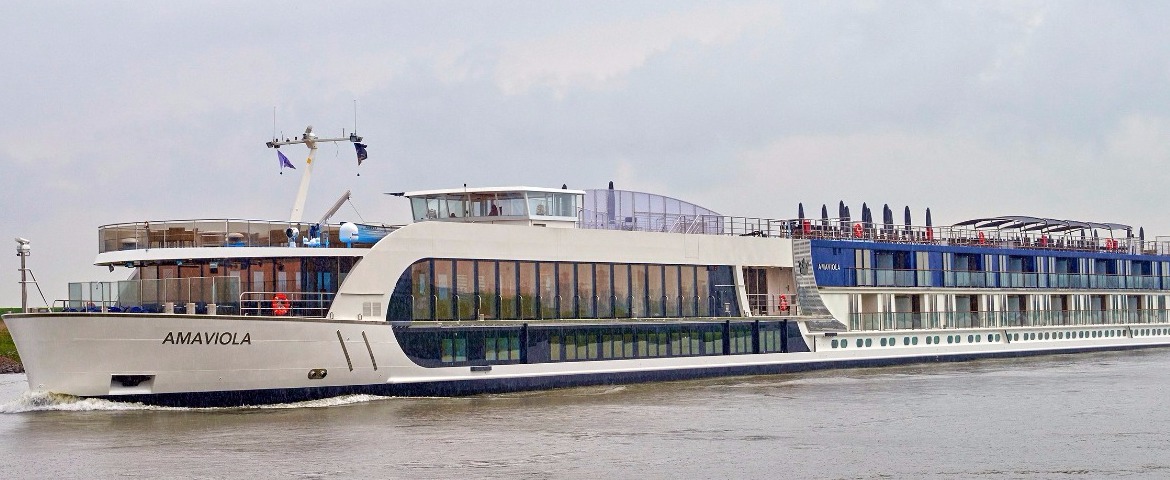
Avalon Waterways (36 Cruises)
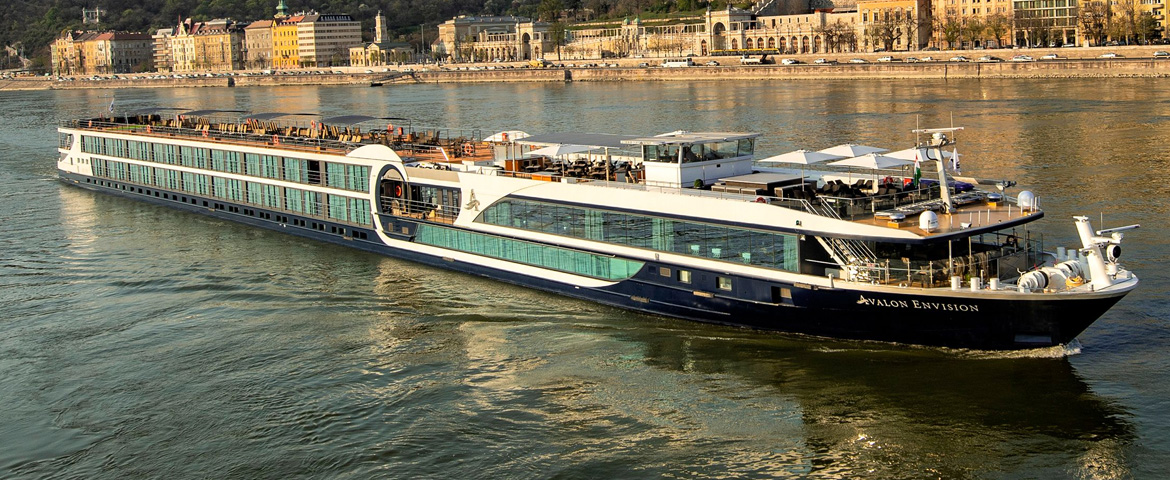
Avalon Envision
18 Cruises

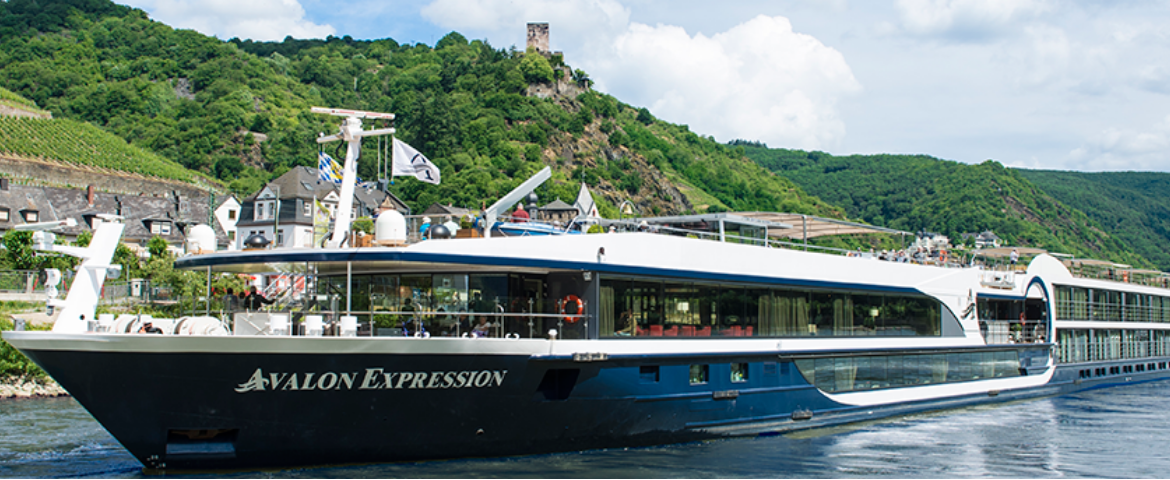
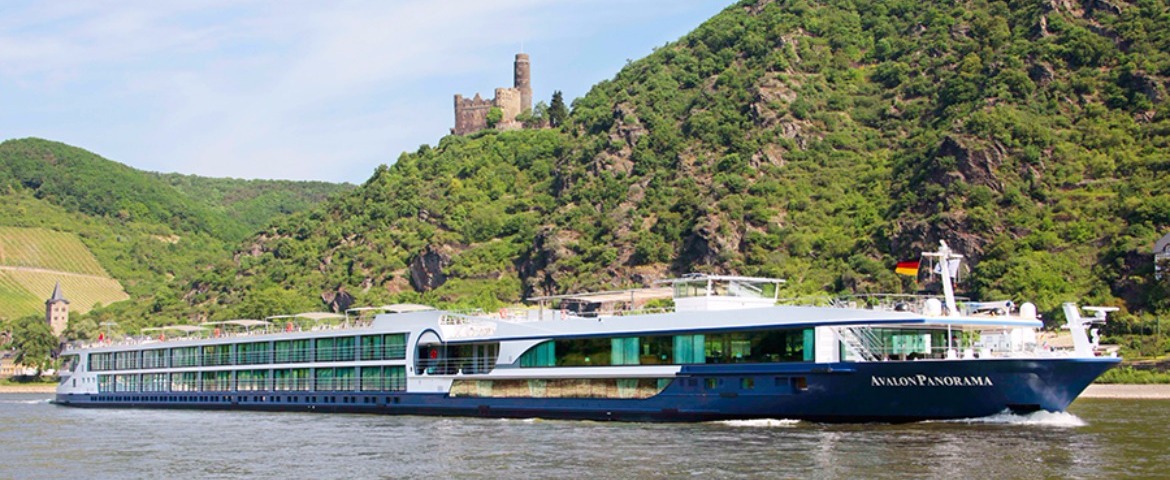
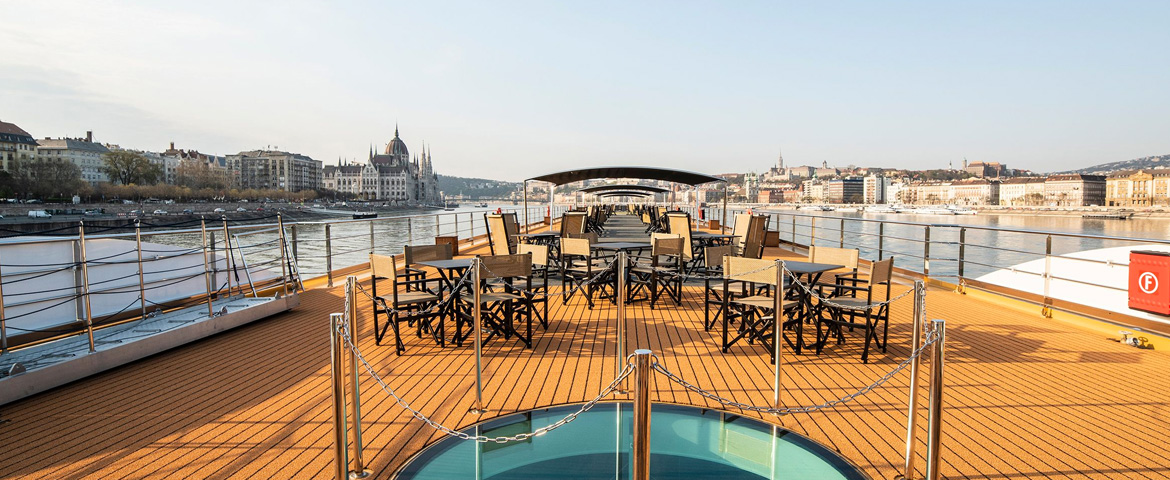
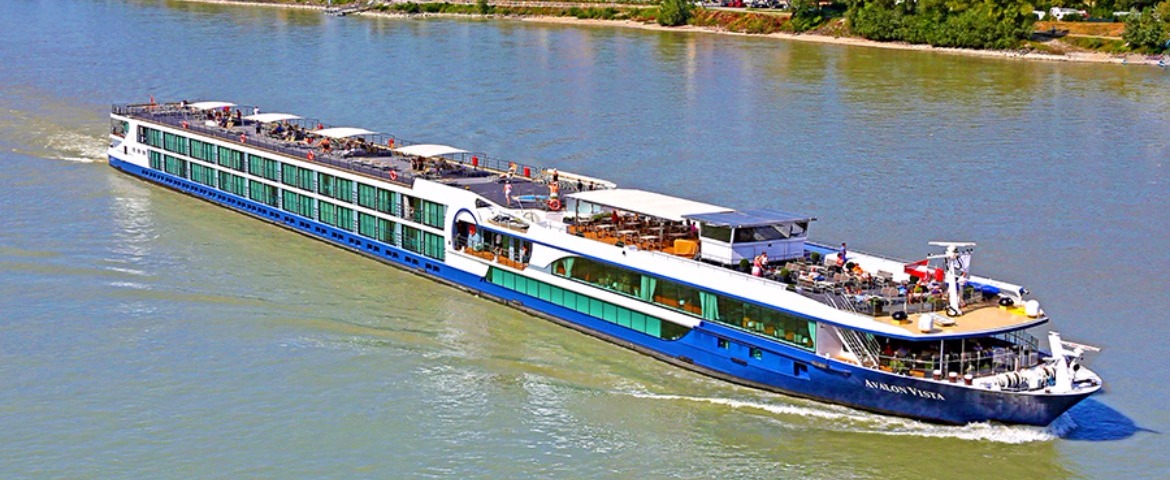
Avalon View
10 Cruises
CroisiEurope (121 Cruises)
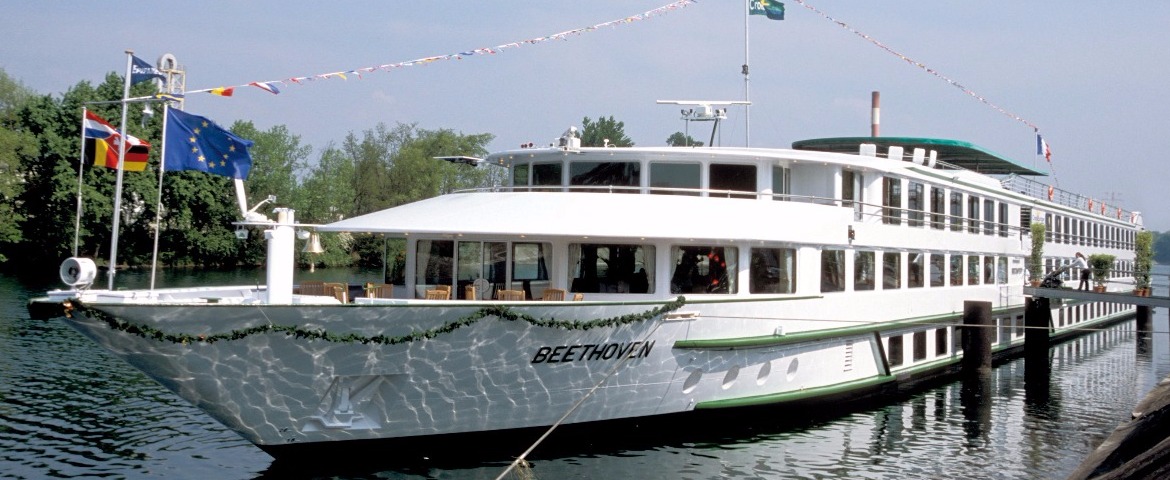
MS Beethoven
17 Cruises

MS L'Europe
3 Cruises
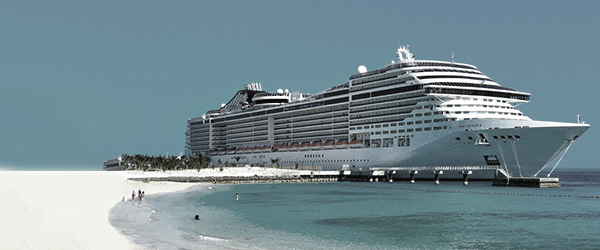 Image not available
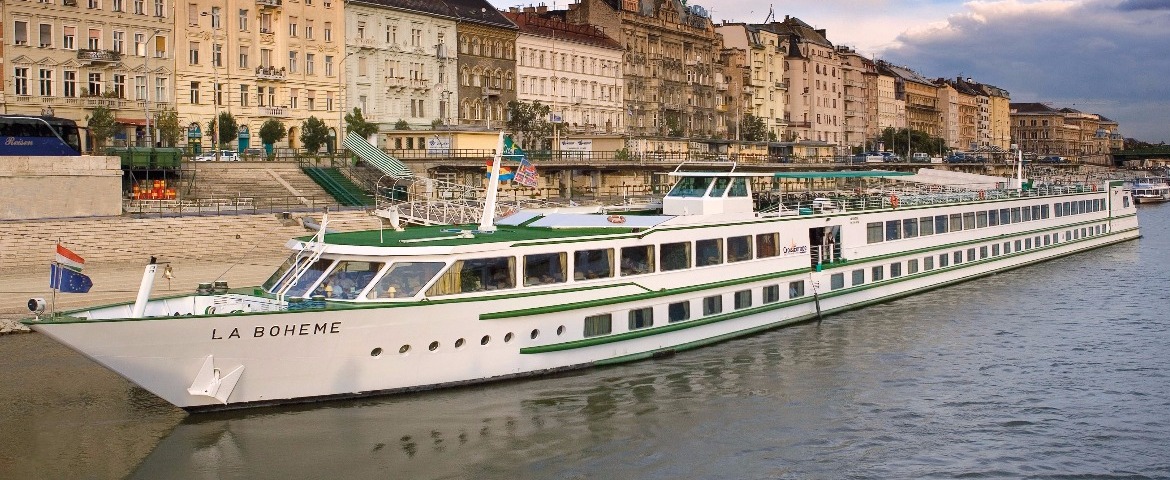
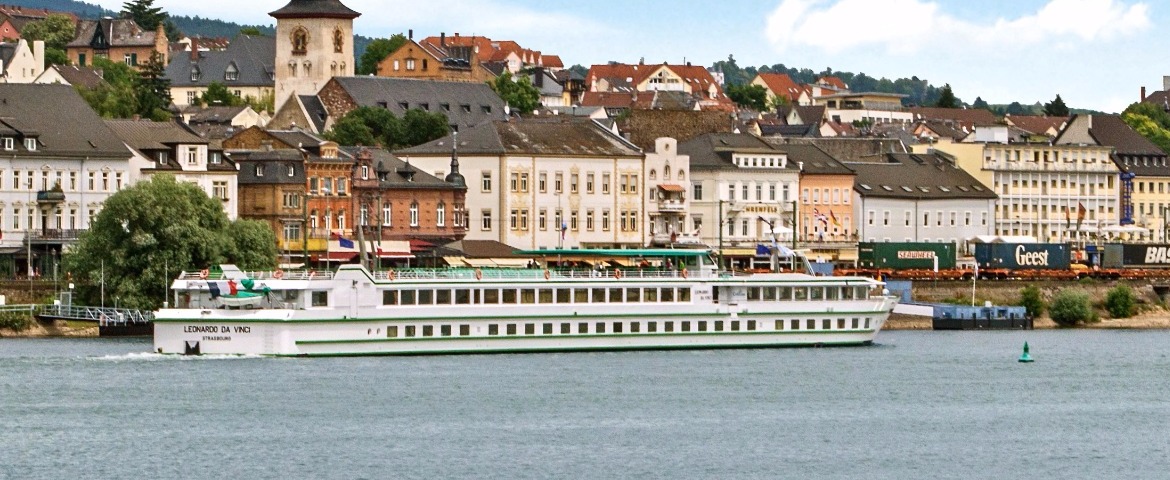
MS Leonard de Vinci
11 Cruises
| 30 April | 9 days | One-way from Kehl-Strasbourg to Remich |
450-628-6241
Call us
|
| 30 April | 8 days | One-way from Kehl-Strasbourg to Remich |
450-628-6241
Call us
|
| 22 August | 9 days | One-way from Kehl-Strasbourg to Remich |
450-628-6241
Call us
|
| 22 August | 8 days | One-way from Kehl-Strasbourg to Remich |
450-628-6241
Call us
|
| 25 September | 9 days | One-way from Kehl-Strasbourg to Remich |
450-628-6241
Call us
|
| 25 September | 8 days | One-way from Kehl-Strasbourg to Remich |
450-628-6241
Call us
|
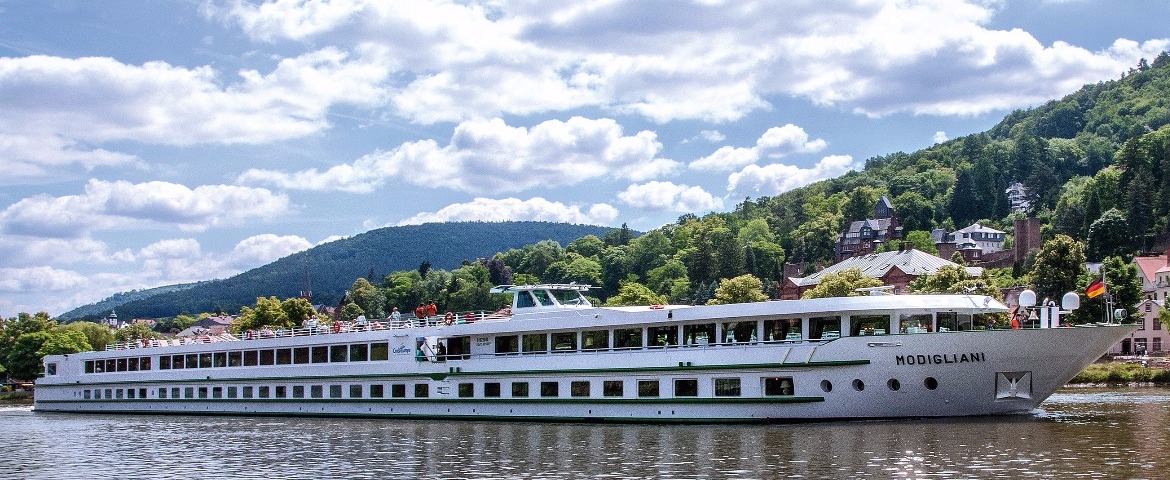
MS Modigliani
8 Cruises
| 13 May | 12 days | One-way from Kehl-Strasbourg to Budapest |
450-628-6241
Call us
|
| 13 May | 13 days | One-way from Kehl-Strasbourg to Budapest |
450-628-6241
Call us
|
| 13 June | 13 days | One-way from Kehl-Strasbourg to Budapest |
450-628-6241
Call us
|
| 13 June | 12 days | One-way from Kehl-Strasbourg to Budapest |
450-628-6241
Call us
|
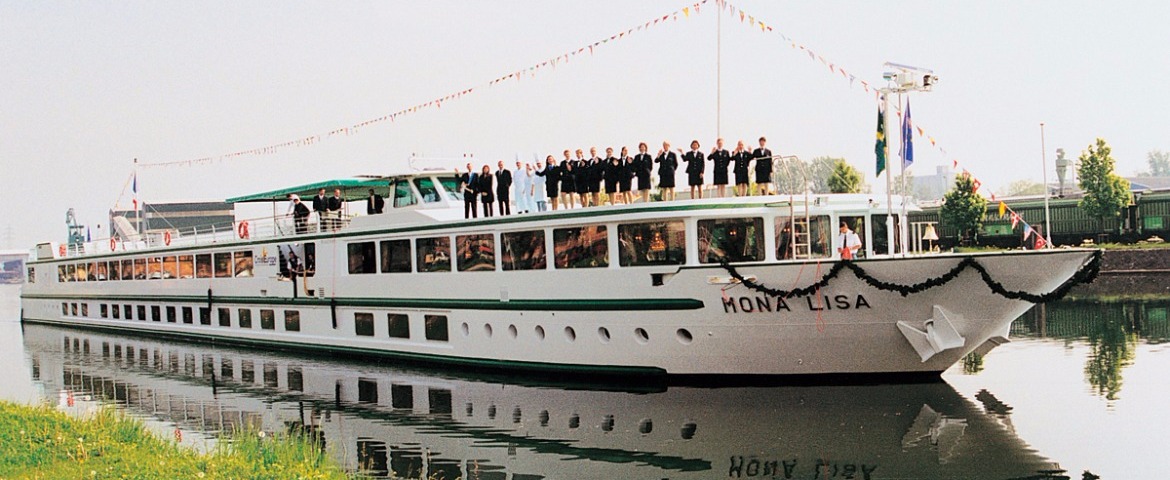
MS Monet
13 Cruises
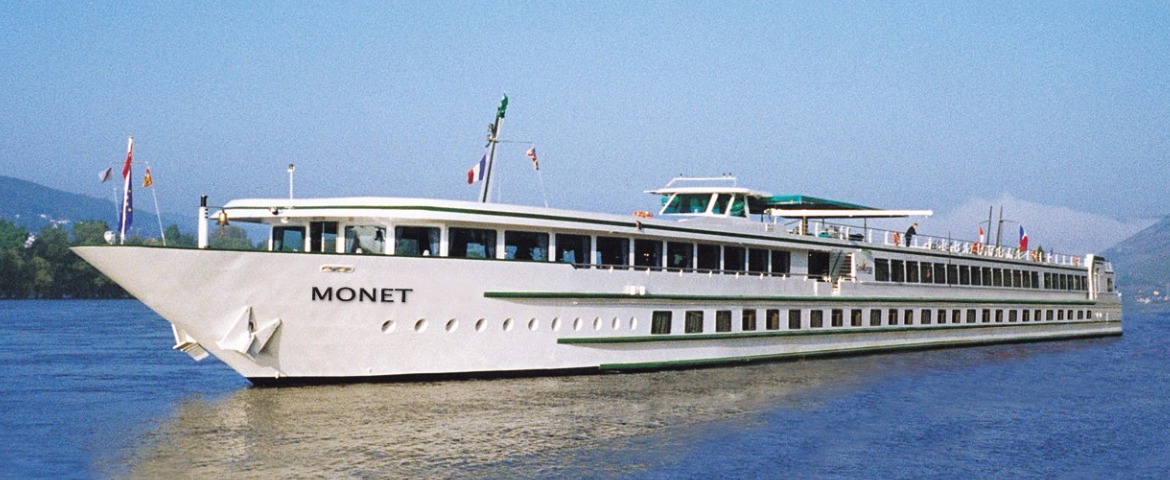
MS Symphonie
47 Cruises

MS Victor Hugo
12 Cruises

Emerald Waterways (91 Cruises)
Emerald Destiny
35 Cruises
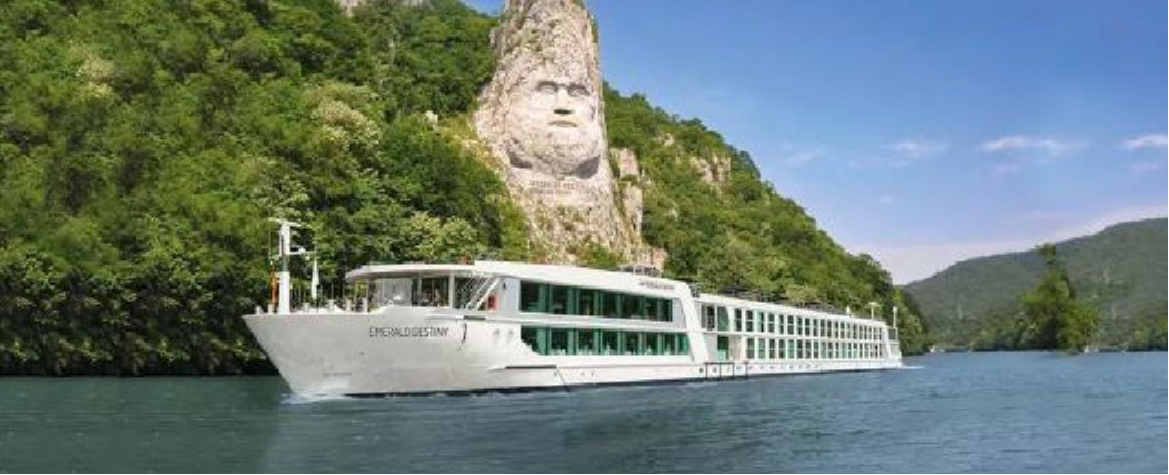

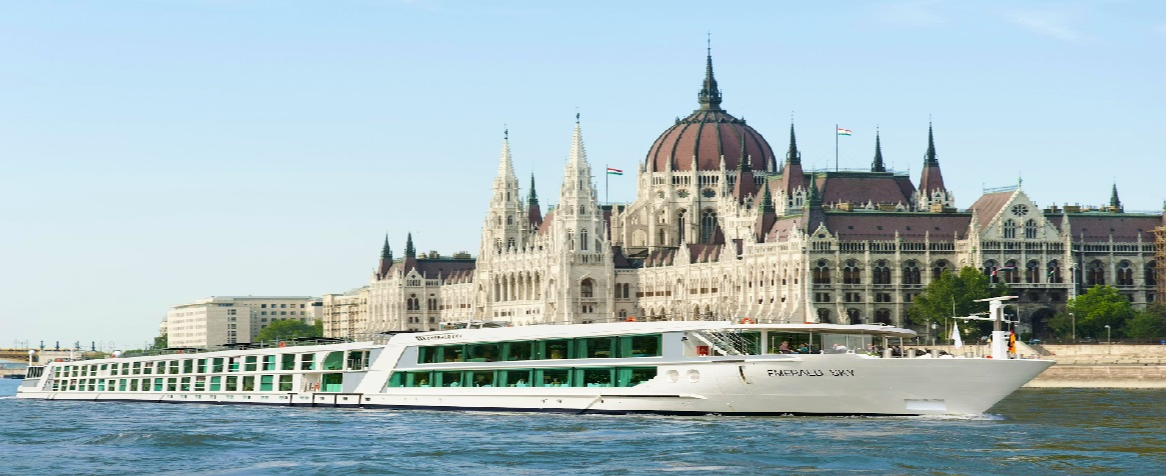
Emerald Sky
28 Cruises
| 16 July | 13 days | One-way from Amsterdam to Basel |
450-628-6241
Call us
|
| 18 July | 11 days | One-way from Amsterdam to Basel |
450-628-6241
Call us
|
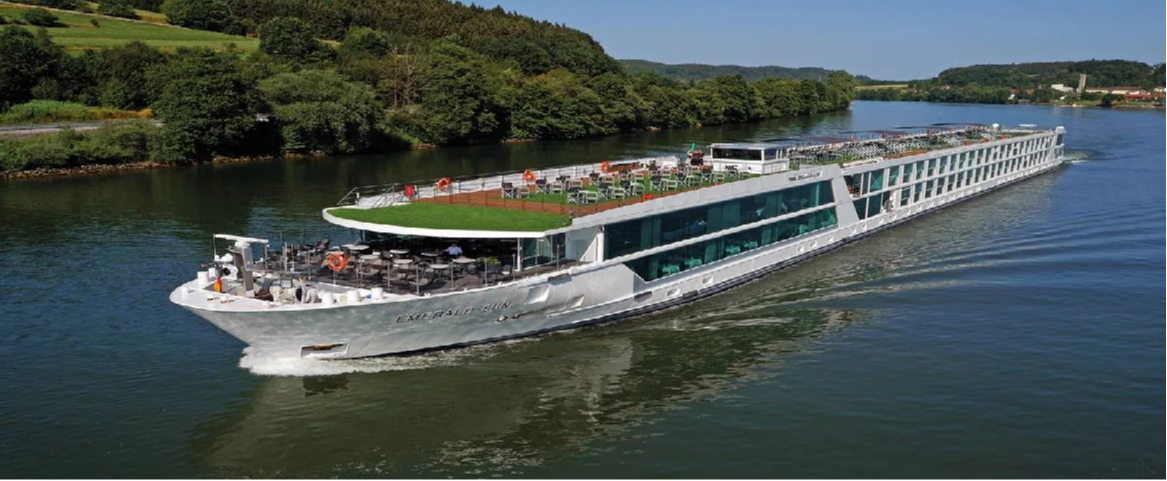
Emerald Sun
28 Cruises
Riviera Travel (44 Cruises)
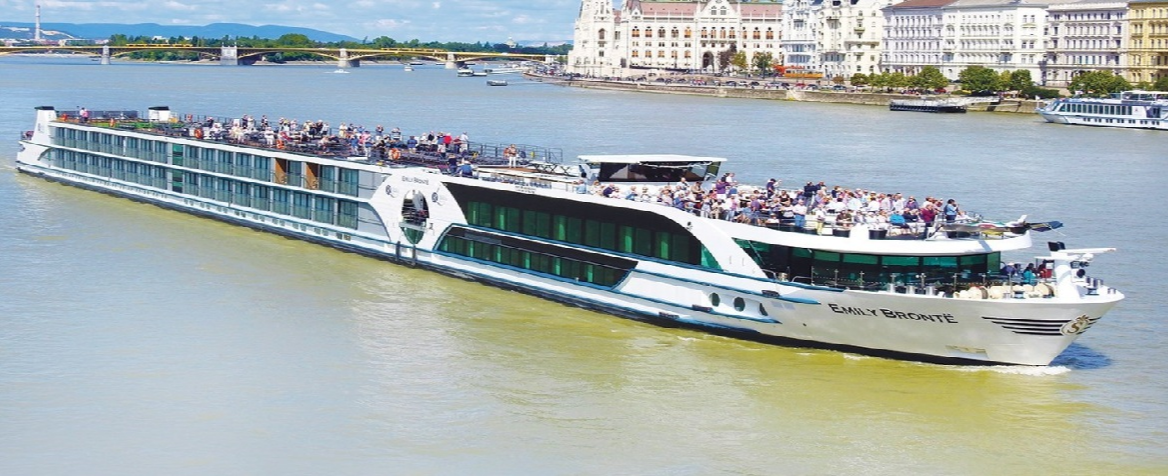
MS Emily Bronte
10 Cruises

| 31 May | 7 days | Round-trip Rhine, Strasbourg and Heidelberg River Cruise - MS Emily Bront |
450-628-6241
Call us
|
| 31 May | 8 days | Round-trip from Cologne, Germany |
450-628-6241
Call us
|
| 21 June | 7 days | Round-trip Rhine, Strasbourg and Heidelberg River Cruise - MS Emily Bront |
450-628-6241
Call us
|
| 21 June | 8 days | Round-trip from Cologne, Germany |
450-628-6241
Call us
|
| 2 August | 8 days | Round-trip from Cologne, Germany |
450-628-6241
Call us
|
| 2 August | 7 days | Round-trip Rhine, Strasbourg and Heidelberg River Cruise - MS Emily Bront |
450-628-6241
Call us
|
MS George Eliot
6 Cruises
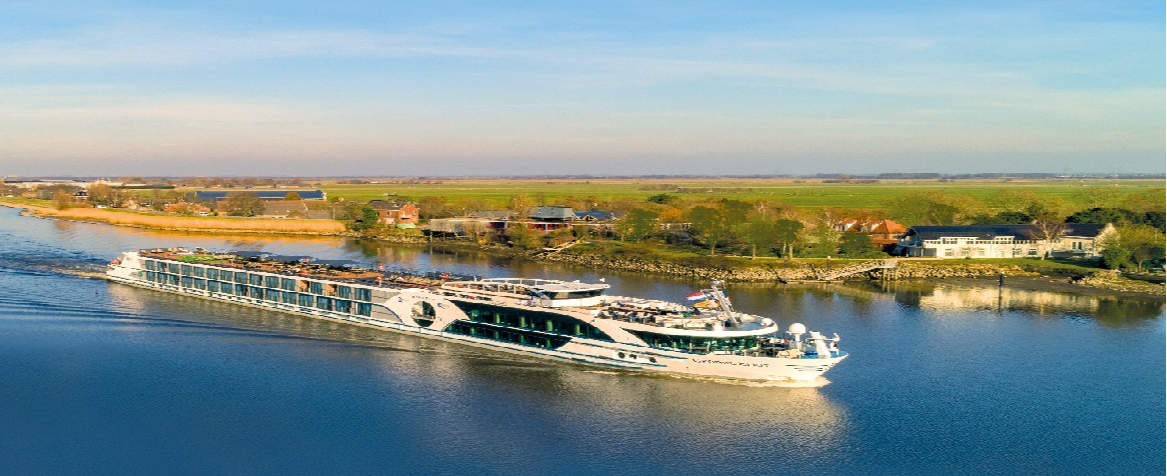
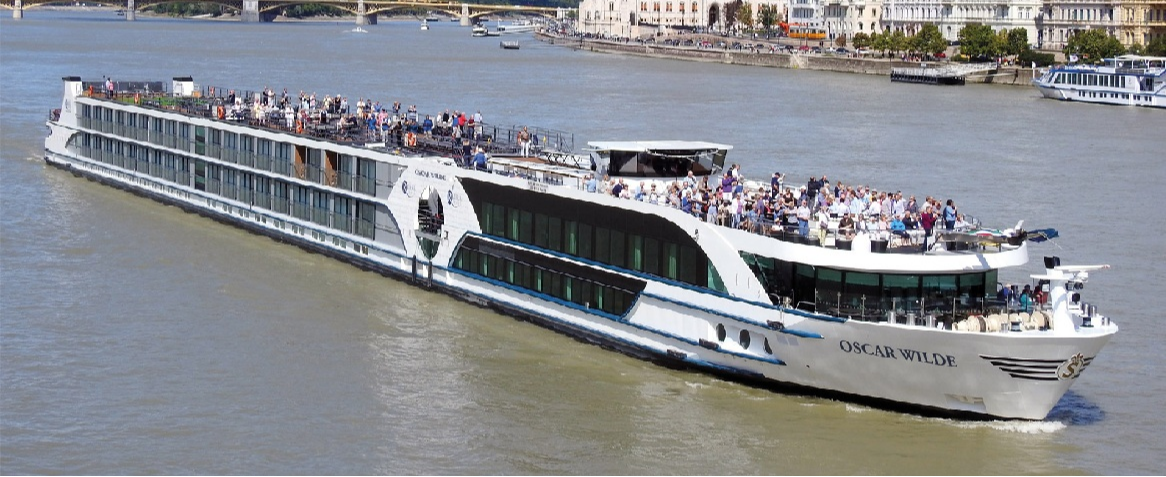
MS Oscar Wilde
12 Cruises
| 15 June | 7 days | Round-trip Rhine, Strasbourg and Heidelberg River Cruise - MS Oscar Wilde |
450-628-6241
Call us
|
| 15 June | 8 days | Round-trip from Cologne, Germany |
450-628-6241
Call us
|
| 13 July | 7 days | Round-trip Rhine, Strasbourg and Heidelberg River Cruise - MS Oscar Wilde |
450-628-6241
Call us
|
| 13 July | 8 days | Round-trip from Cologne, Germany |
450-628-6241
Call us
|
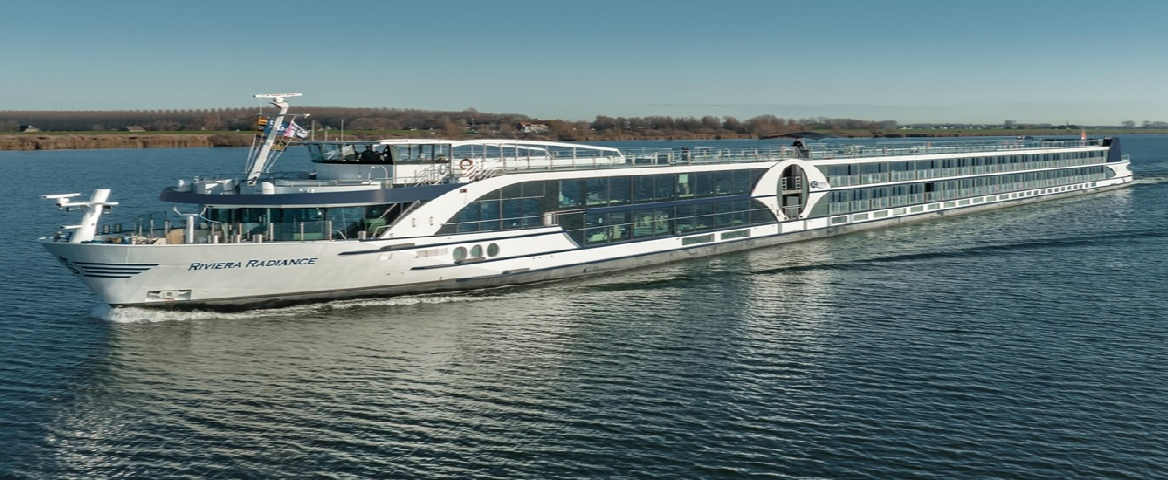
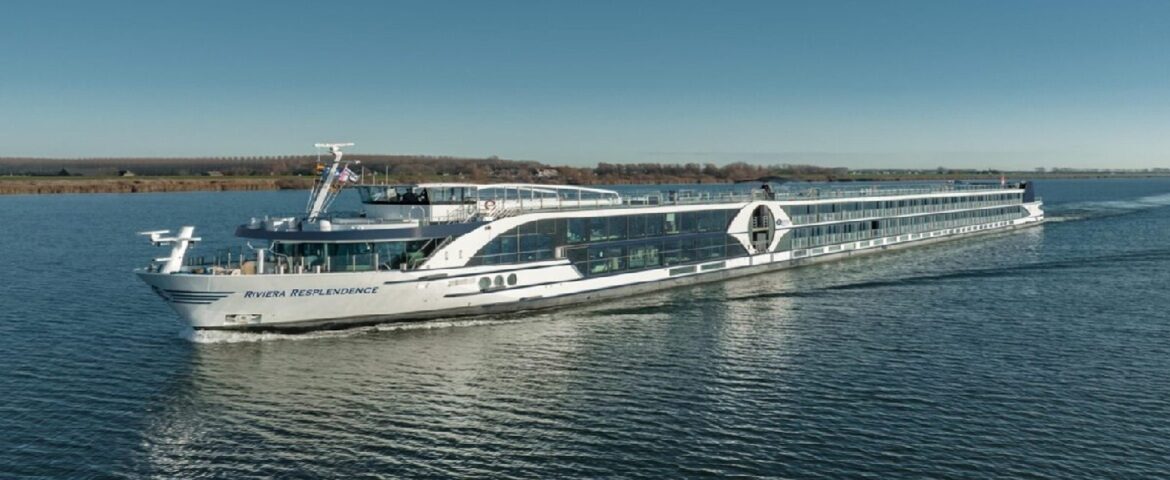
MS Riviera Resplendence
12 Cruises
| 12 May | 14 days | One-way from Cologne to Budapest |
450-628-6241
Call us
|
| 12 May | 15 days | One-way from Cologne to Budapest |
450-628-6241
Call us
|
| 2 June | 14 days | One-way from Budapest to Koblenz |
450-628-6241
Call us
|
| 2 June | 15 days | One-way from Budapest to Koblenz |
450-628-6241
Call us
|
| 14 July | 7 days | Round-trip Rhine, Strasbourg and Heidelberg River Cruise - MS Riviera Resplendence |
450-628-6241
Call us
|
| 14 July | 8 days | Round-trip from Cologne, Germany |
450-628-6241
Call us
|
Scenic Cruises (34 Cruises)
Scenic Pearl
17 Cruises
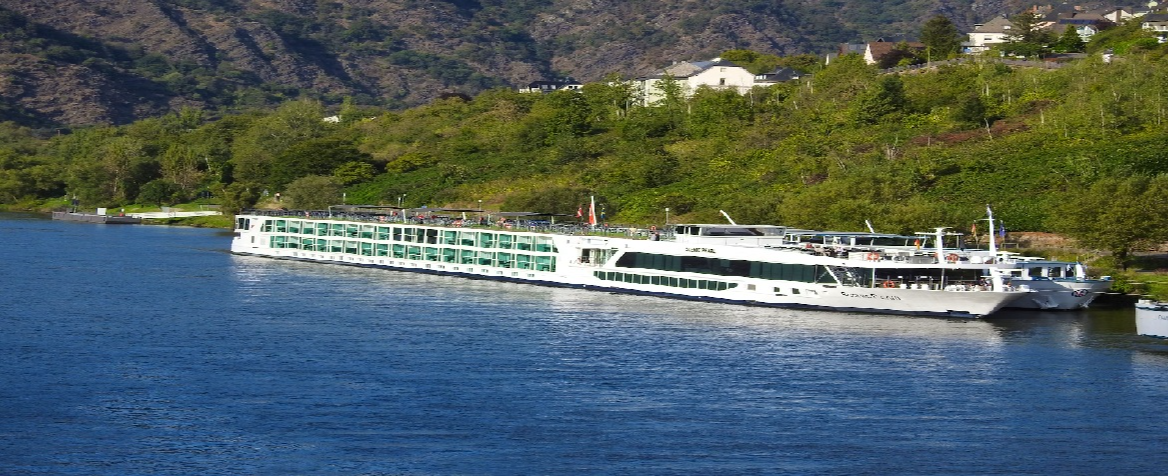

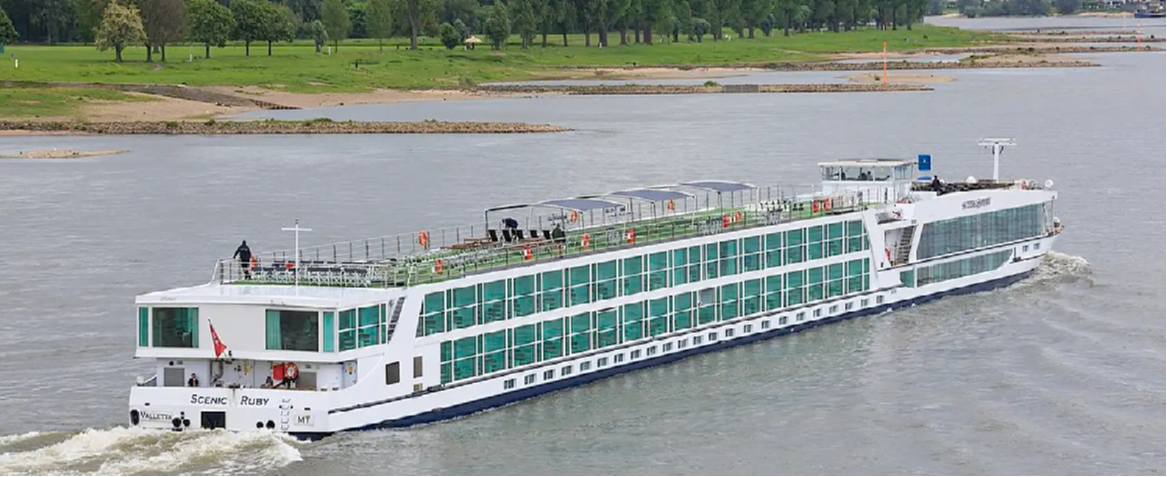
Scenic Ruby
17 Cruises
| 28 April | 8 days | One-way from Basel to Mainz |
450-628-6241
Call us
|
| 28 April | 10 days | One-way from Basel to Berlin |
450-628-6241
Call us
|
Uniworld Boutique River Cruise (28 Cruises)
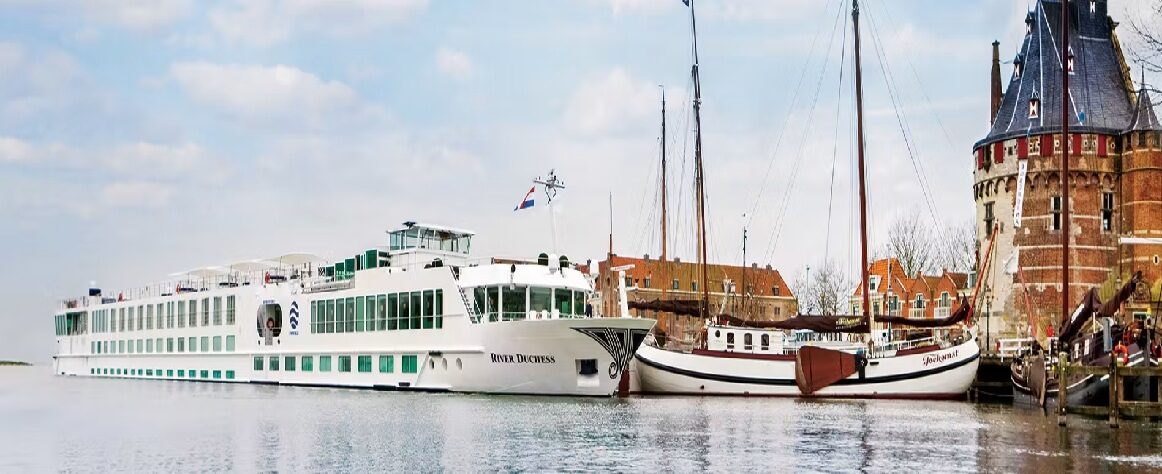
River Duchess
8 Cruises

| 25 November | 8 days | One-way from Basel to Cologne |
450-628-6241
Call us
|
| 25 November | 7 days | One-way from Basel to Cologne |
450-628-6241
Call us
|
S.S. Antoinette
10 Cruises

| 31 October | 10 days | One-way from Basel to Amsterdam |
450-628-6241
Call us
|
| 31 October | 11 days | One-way from Basel to Amsterdam |
450-628-6241
Call us
|
| 25 November | 8 days | One-way from Cologne to Basel |
450-628-6241
Call us
|
| 25 November | 7 days | One-way from Cologne to Basel |
450-628-6241
Call us
|
Uniworld SS Antoinette
10 Cruises

| 31 October | 10 days | One-way from Basel to Amsterdam |
450-628-6241
Call us
|
| 31 October | 11 days | One-way from Basel to Amsterdam |
450-628-6241
Call us
|
| 25 November | 7 days | One-way from Cologne to Basel |
450-628-6241
Call us
|
| 25 November | 8 days | One-way from Cologne to Basel |
450-628-6241
Call us
|
Viking River Cruises (422 Cruises)
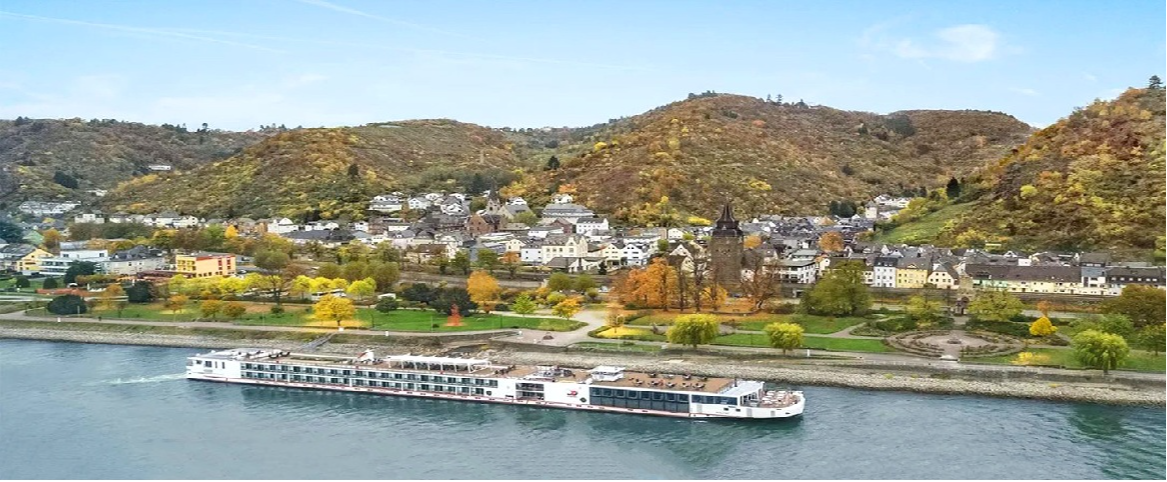
Viking Longships Alsvin
90 Cruises

| 18 June | 6 days | One-way from Bamberg to Trier |
450-628-6241
Call us
|
| 18 June | 7 days | One-way from Bamberg to Trier |
450-628-6241
Call us
|
| 10 March | 7 days | One-way from Bamberg to Trier |
450-628-6241
Call us
|
| 10 March | 8 days | One-way from Bamberg to Trier |
450-628-6241
Call us
|
| 21 April | 7 days | One-way from Nuremberg to Trier |
450-628-6241
Call us
|
| 21 April | 8 days | One-way from Nuremberg to Trier |
450-628-6241
Call us
|
| 19 May | 7 days | One-way from Bamberg to Trier |
450-628-6241
Call us
|
| 19 May | 8 days | One-way from Bamberg to Trier |
450-628-6241
Call us
|
Viking Longships Herja
121 Cruises
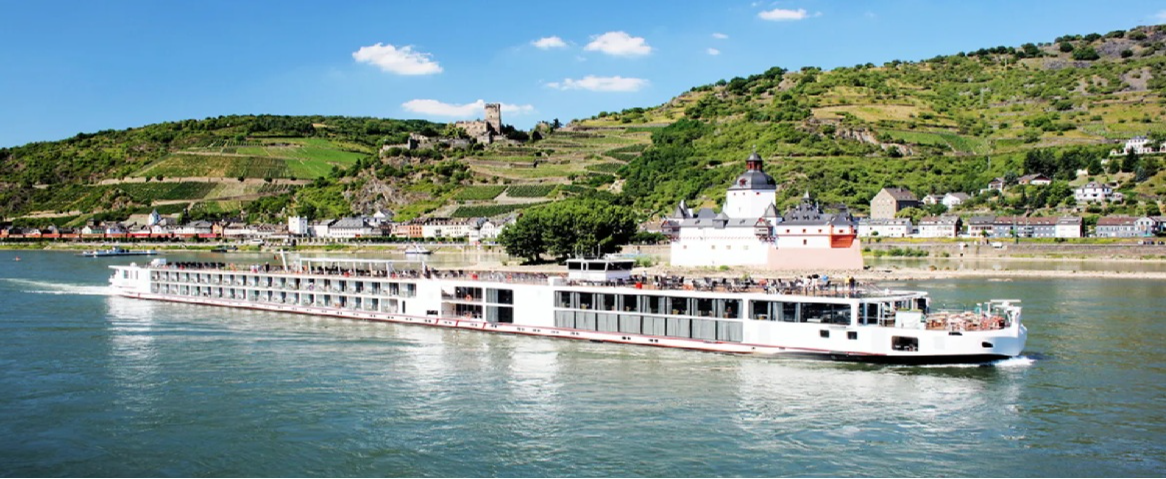
Viking Longships Hild
120 Cruises
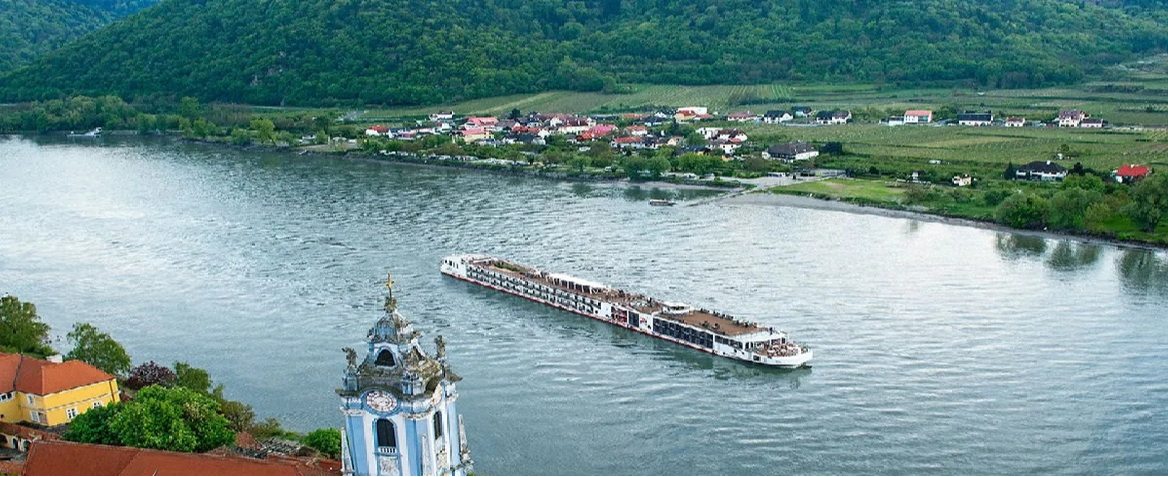
Viking Longships Idi
91 Cruises
| 14 May | 7 days | One-way from Bamberg to Trier |
450-628-6241
Call us
|
| 14 May | 8 days | One-way from Bamberg to Trier |
450-628-6241
Call us
|
| 3 March | 8 days | One-way from Bamberg to Trier |
450-628-6241
Call us
|
| 3 March | 7 days | One-way from Bamberg to Trier |
450-628-6241
Call us
|
| 28 April | 8 days | One-way from Nuremberg to Trier |
450-628-6241
Call us
|
| 28 April | 7 days | One-way from Nuremberg to Trier |
450-628-6241
Call us
|
| 26 May | 8 days | One-way from Bamberg to Trier |
450-628-6241
Call us
|
| 26 May | 7 days | One-way from Bamberg to Trier |
450-628-6241
Call us
|
| 10 November | 8 days | One-way from Bamberg to Trier |
450-628-6241
Call us
|
| 10 November | 7 days | One-way from Bamberg to Trier |
450-628-6241
Call us
|

Port of Mainz, Germany | Cruise Port Guide
Frequently Asked Questions
Along the Rhine quays, level with the old quarters. Allow five to ten minutes on foot to the old lanes depending on the berth, walking under the plane trees of the promenade.
Yes, and that is one of the great strengths of this call. The cathedral, the Gutenberg Museum, the Kirschgarten quarter and St Stephen church are all within walking distance of the quays.
St Martin Cathedral, the Gutenberg Museum, the half-timbered Kirschgarten and Chagall blue windows at St Stephen. The way back follows the riverbank, laid out as a continuous promenade.
Its dark red stone, six towers and two opposing choirs. Consecrated in the early eleventh century, it forms with Speyer and Worms the trio of great imperial cathedrals of the Rhine, and generations of prince-archbishops are buried there.
Yes. The Gutenberg Museum holds two copies of the forty-two-line Bible printed around 1455. While its new building is under construction on the historic site, the museum shows its collections a few streets away in a former Poor Clares convent.
At St Stephen church on the heights, a short climb from the centre. Marc Chagall designed these blue windows late in his life; they flood the nave with an aquarium light and are one of the surprises of the call.
Yes, but the historic core is entirely cobbled and the climb to St Stephen takes some effort. Comfortable shoes change the day.
The euro. Cards work at museums and restaurants, but market stalls and riesling stands often run on cash. Keep some notes.
German is the everyday language. In museums, hotels and city-centre shops, English generally works well; at the markets, rather less so.
May to September, when the quayside terraces are open and the market around the cathedral is in full swing. Rhine cruises run from April to October.


