Cochem Germany Rhineland-Palatinate
944
Cruises availables
At departure or passage at this port
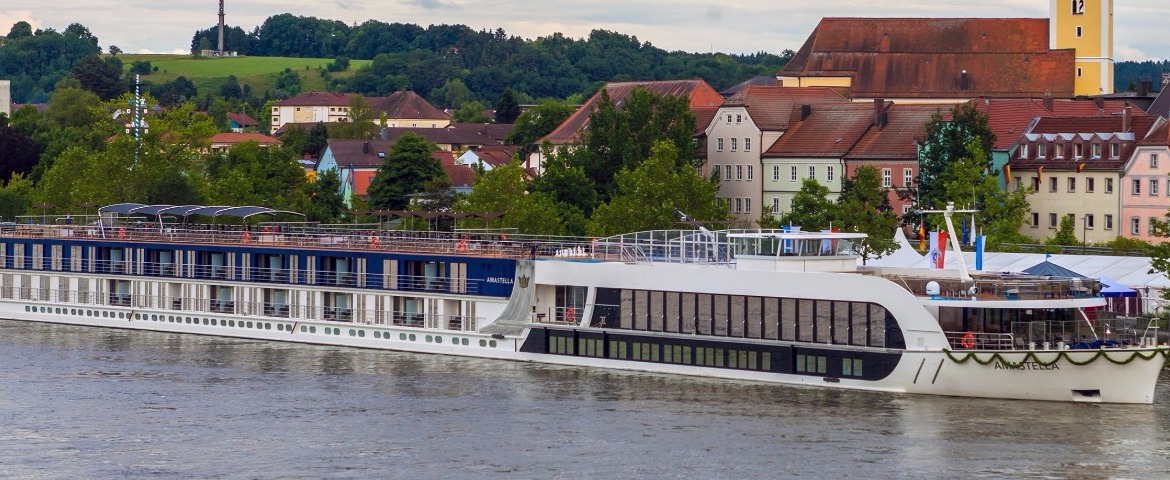
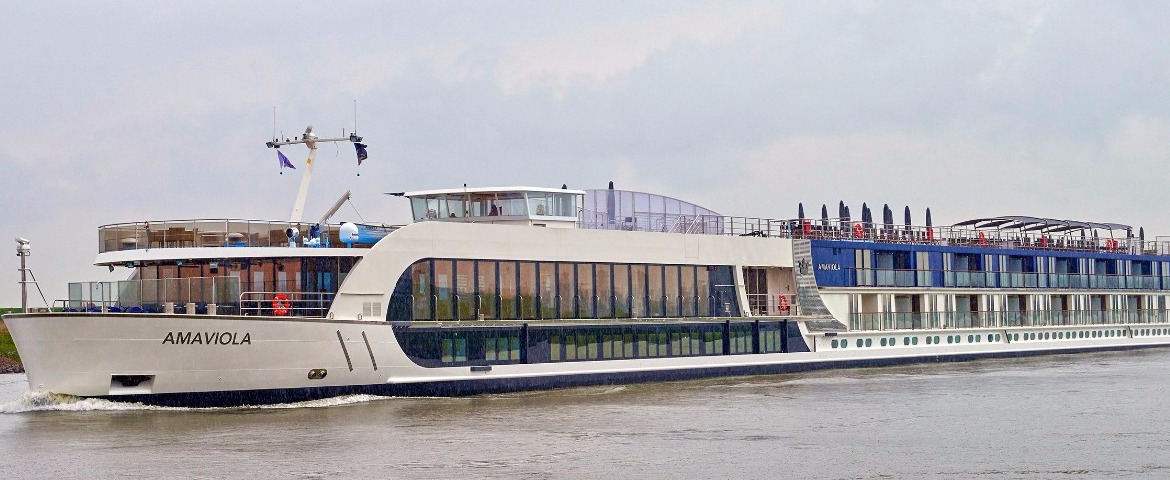
AmaWaterways (91 Cruises)
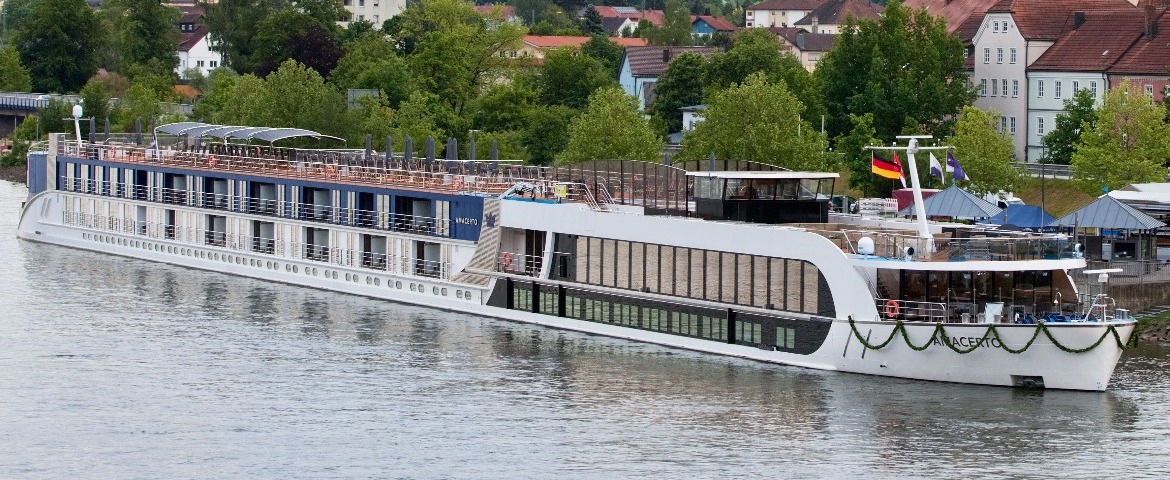
AmaCerto
42 Cruises

| 13 March | 12 days | One-way from Amsterdam to Basel |
450-628-6241
Call us
|
| 31 March | 8 days | One-way from Nuremberg to Luxembourg City |
450-628-6241
Call us
|
| 14 April | 11 days | One-way from Basel to Amsterdam |
450-628-6241
Call us
|
| 24 April | 12 days | One-way from Amsterdam to Basel |
450-628-6241
Call us
|
| 12 May | 8 days | One-way from Nuremberg to Luxembourg City |
450-628-6241
Call us
|
| 19 May | 8 days | One-way from Luxembourg City to Basel |
450-628-6241
Call us
|
| 4 August | 11 days | One-way from Basel to Amsterdam |
450-628-6241
Call us
|
| 14 August | 12 days | One-way from Amsterdam to Basel |
450-628-6241
Call us
|
| 11 March | 12 days | One-way from Amsterdam to Basel |
450-628-6241
Call us
|
| 29 March | 8 days | One-way from Nuremberg to Luxembourg City |
450-628-6241
Call us
|
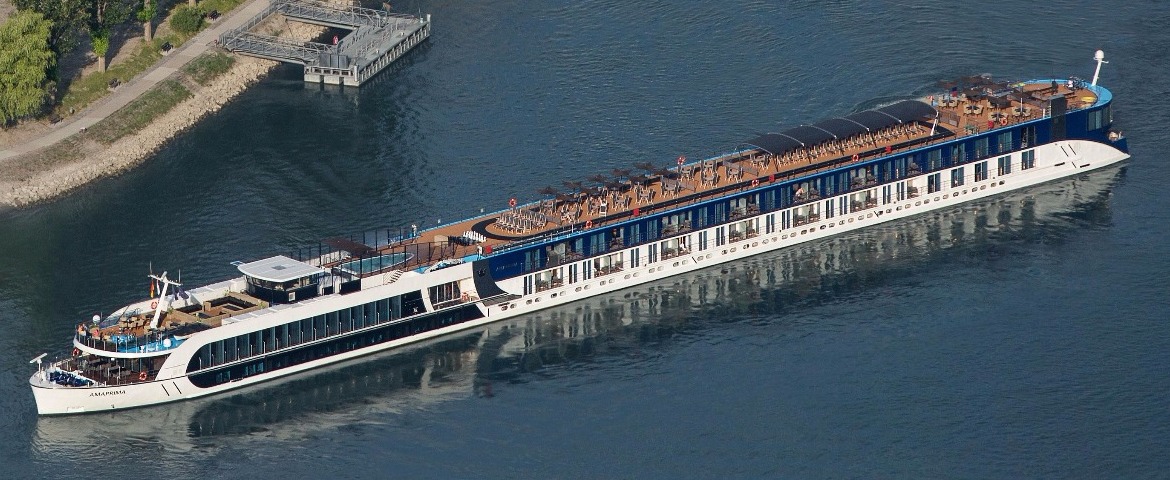
AmaPrima
43 Cruises
| 24 March | 8 days | One-way from Nuremberg to Luxembourg City |
450-628-6241
Call us
|
| 31 March | 8 days | One-way from Luxembourg City to Basel |
450-628-6241
Call us
|
| 7 April | 11 days | One-way from Basel to Amsterdam |
450-628-6241
Call us
|
| 17 April | 12 days | One-way from Amsterdam to Basel |
450-628-6241
Call us
|
| 12 June | 12 days | One-way from Amsterdam to Basel |
450-628-6241
Call us
|
| 30 June | 8 days | One-way from Nuremberg to Luxembourg City |
450-628-6241
Call us
|
| 22 March | 8 days | One-way from Nuremberg to Luxembourg City |
450-628-6241
Call us
|
| 29 March | 8 days | One-way from Luxembourg City to Basel |
450-628-6241
Call us
|
| 5 April | 11 days | One-way from Basel to Amsterdam |
450-628-6241
Call us
|
| 15 April | 12 days | One-way from Amsterdam to Basel |
450-628-6241
Call us
|
| 10 June | 12 days | One-way from Amsterdam to Basel |
450-628-6241
Call us
|
| 28 June | 8 days | One-way from Nuremberg to Luxembourg City |
450-628-6241
Call us
|
| 12 July | 11 days | One-way from Basel to Amsterdam |
450-628-6241
Call us
|
| 22 July | 12 days | One-way from Amsterdam to Basel |
450-628-6241
Call us
|
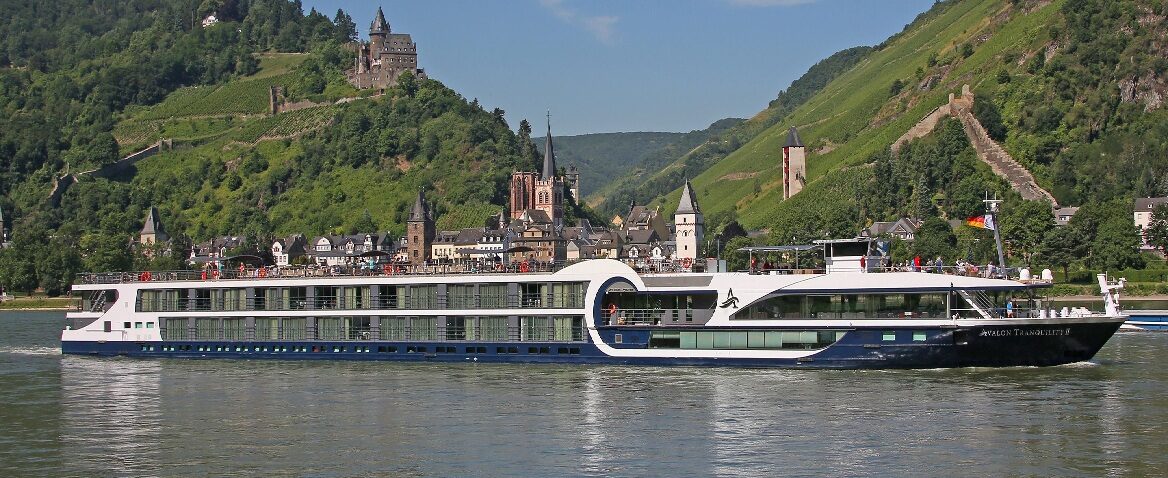
Avalon Waterways (17 Cruises)
Avalon Tranquility II®
17 Cruises

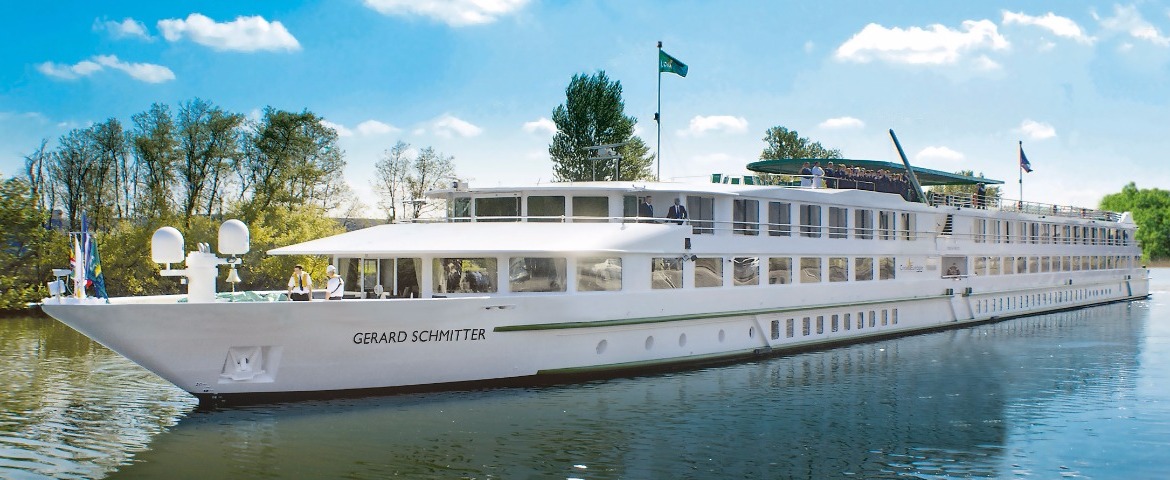
CroisiEurope (61 Cruises)
MS Gerard Schmitter
7 Cruises
| 2 May | 7 days | Round-trip from Kehl-Strasbourg, Germany |
450-628-6241
Call us
|
| 23 May | 7 days | Round-trip from Kehl-Strasbourg, Germany |
450-628-6241
Call us
|
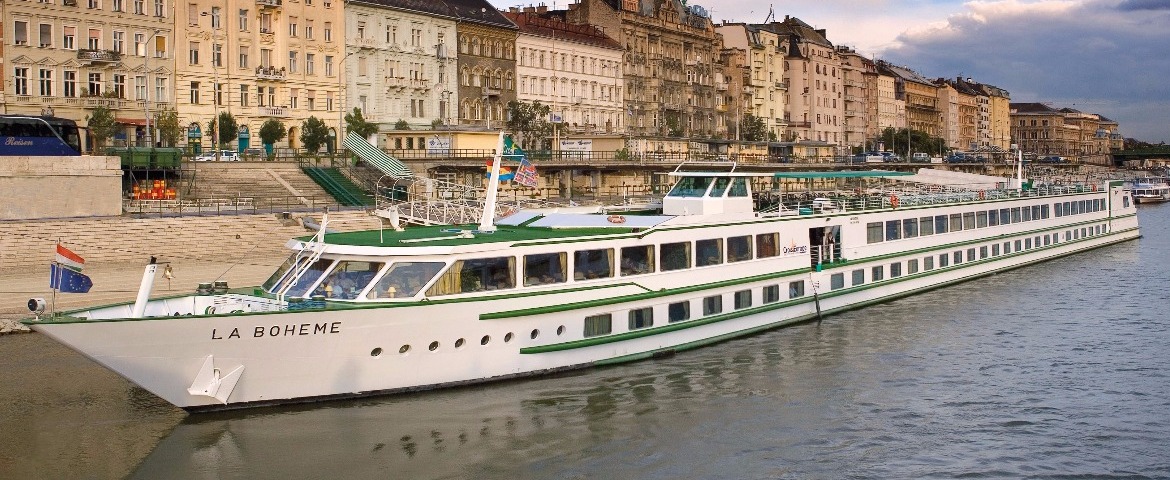
MS La Boheme
8 Cruises
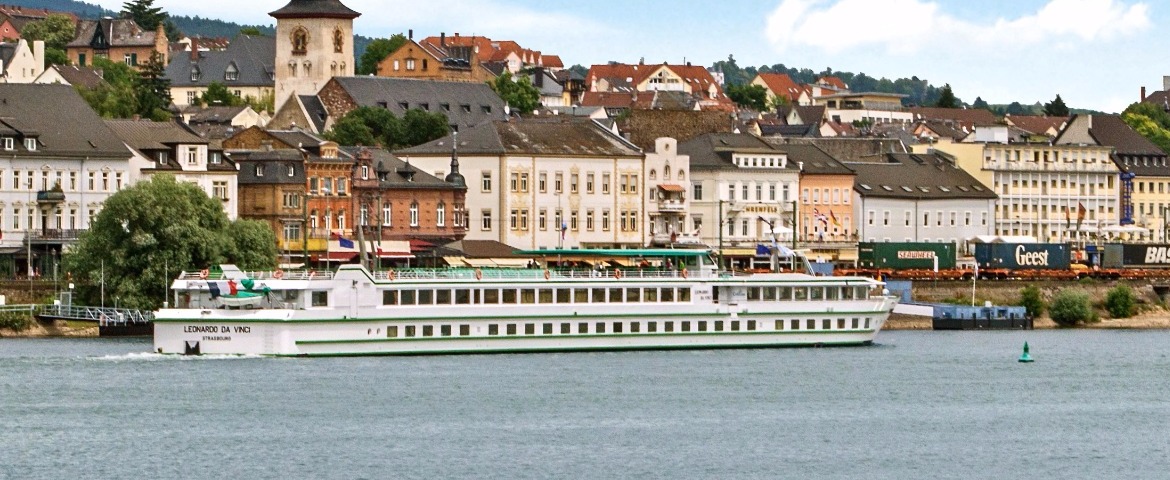
MS Leonard de Vinci
29 Cruises
| 30 April | 8 days | One-way from Kehl-Strasbourg to Remich |
450-628-6241
Call us
|
| 30 April | 9 days | One-way from Kehl-Strasbourg to Remich |
450-628-6241
Call us
|
| 8 May | 7 days | One-way from Remich to Kehl-Strasbourg |
450-628-6241
Call us
|
| 24 May | 7 days | One-way from Remich to Kehl-Strasbourg |
450-628-6241
Call us
|
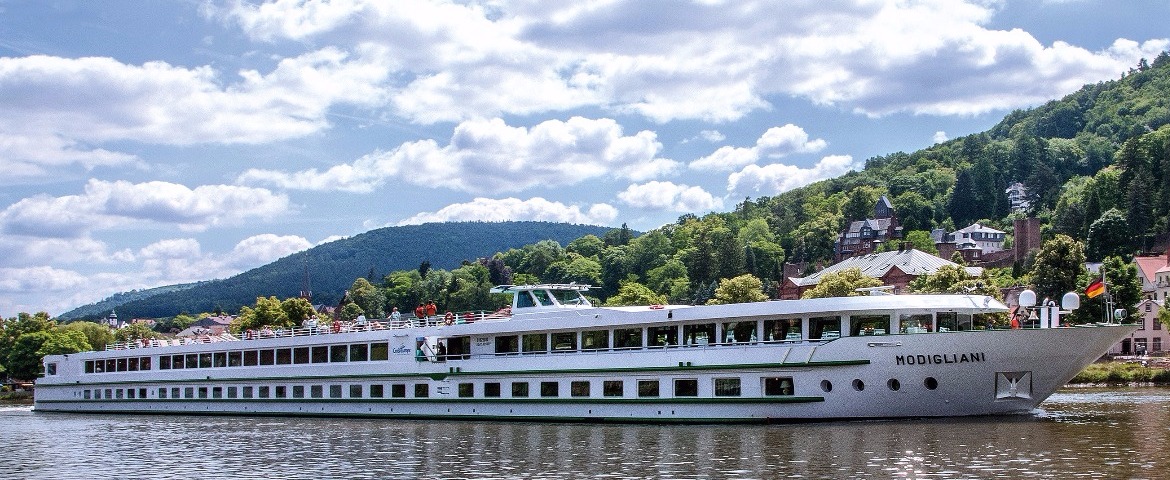
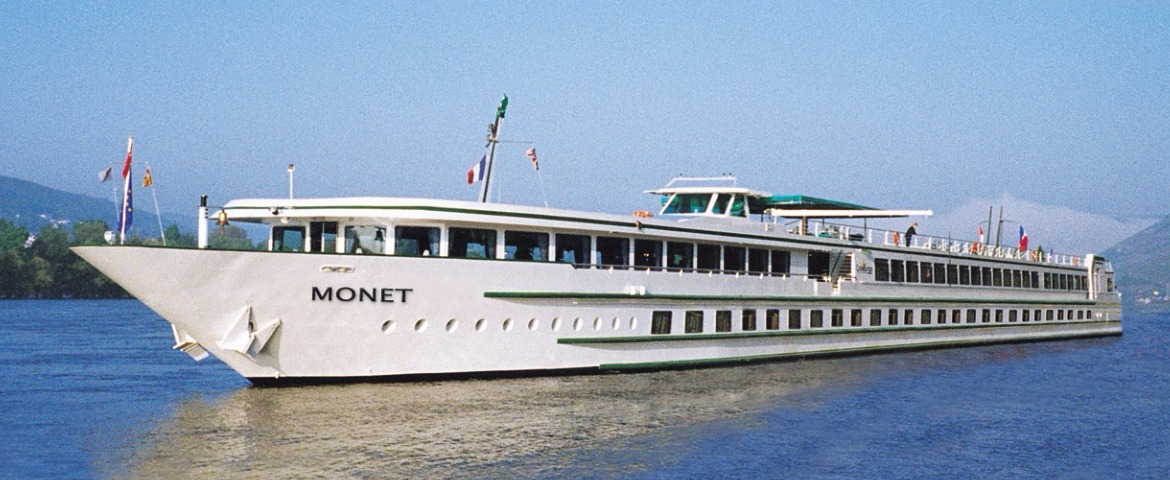
MS Monet
15 Cruises
Emerald Waterways (51 Cruises)
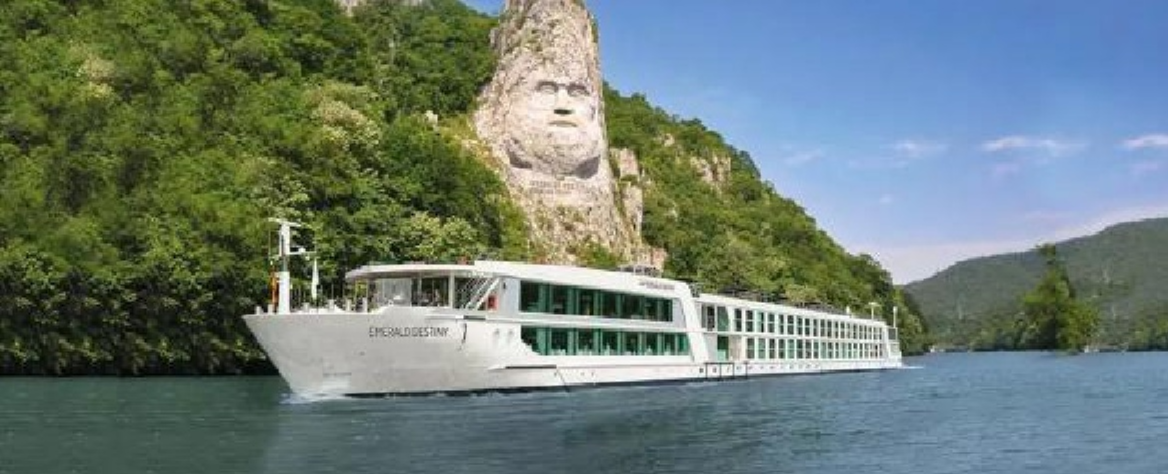
Emerald Destiny
25 Cruises

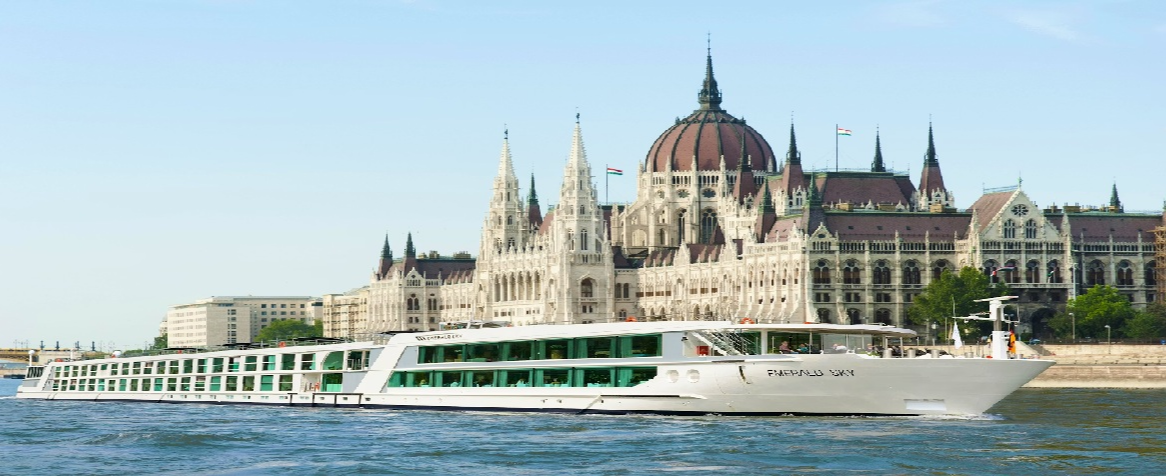
Emerald Sky
18 Cruises
| 16 July | 13 days | One-way from Amsterdam to Basel |
450-628-6241
Call us
|
| 18 July | 11 days | One-way from Amsterdam to Basel |
450-628-6241
Call us
|
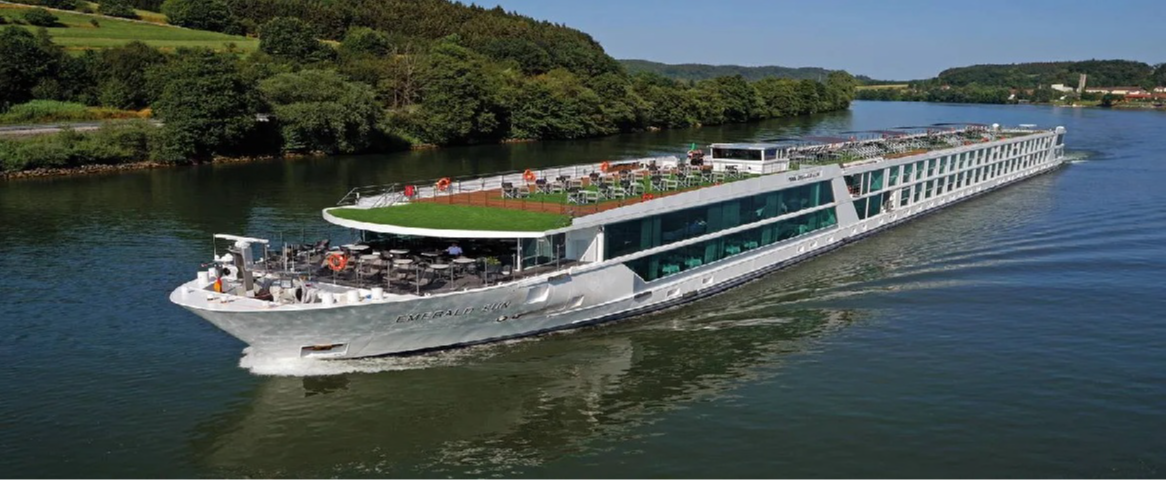
Emerald Sun
8 Cruises
| 14 July | 13 days | One-way from Amsterdam to Basel |
450-628-6241
Call us
|
| 16 July | 11 days | One-way from Amsterdam to Basel |
450-628-6241
Call us
|
Riviera Travel (31 Cruises)
MS Emily Bronte
6 Cruises
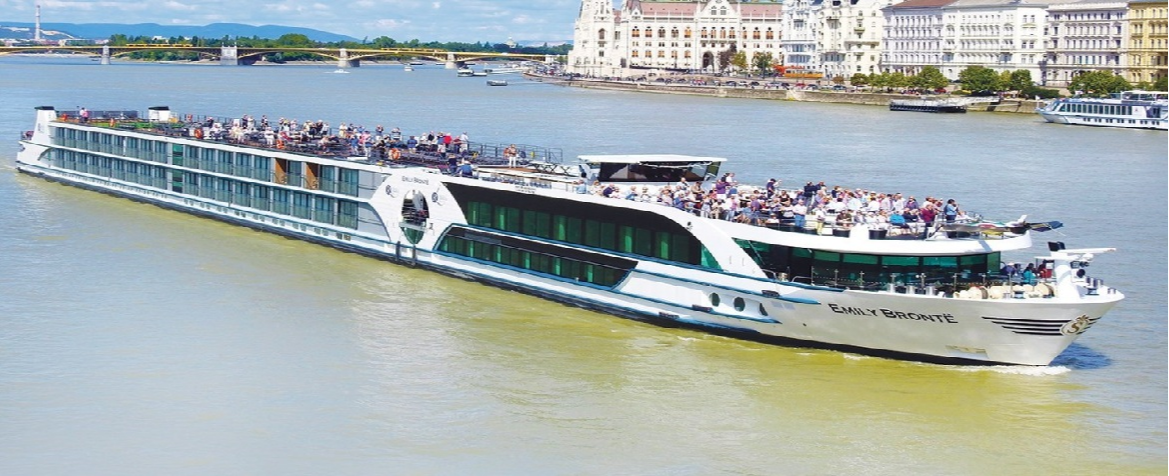

| 12 July | 8 days | Round-trip from Cologne, Germany |
450-628-6241
Call us
|
| 12 July | 7 days | Round-trip Rhine and Moselle River Cruise - MS Emily Bront |
450-628-6241
Call us
|
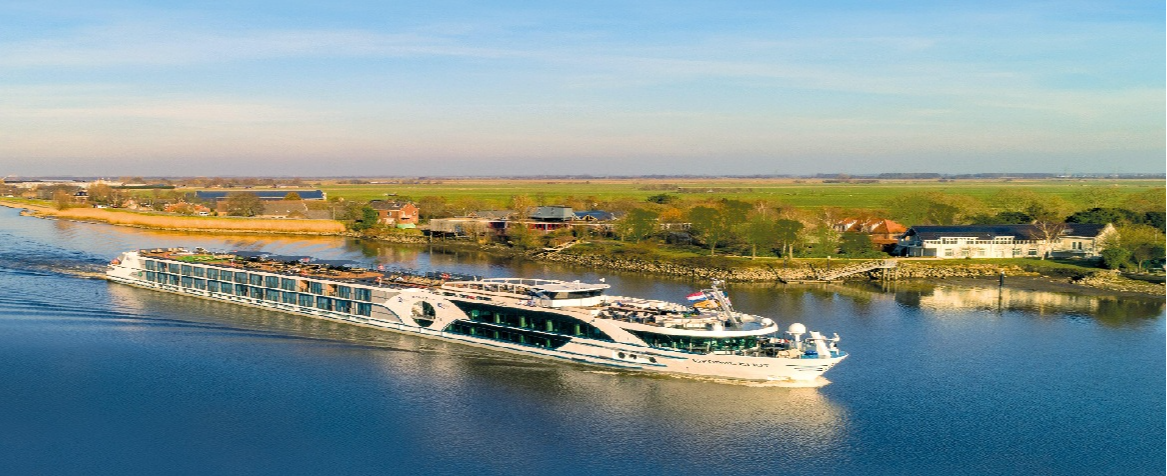
MS Oscar Wilde
8 Cruises
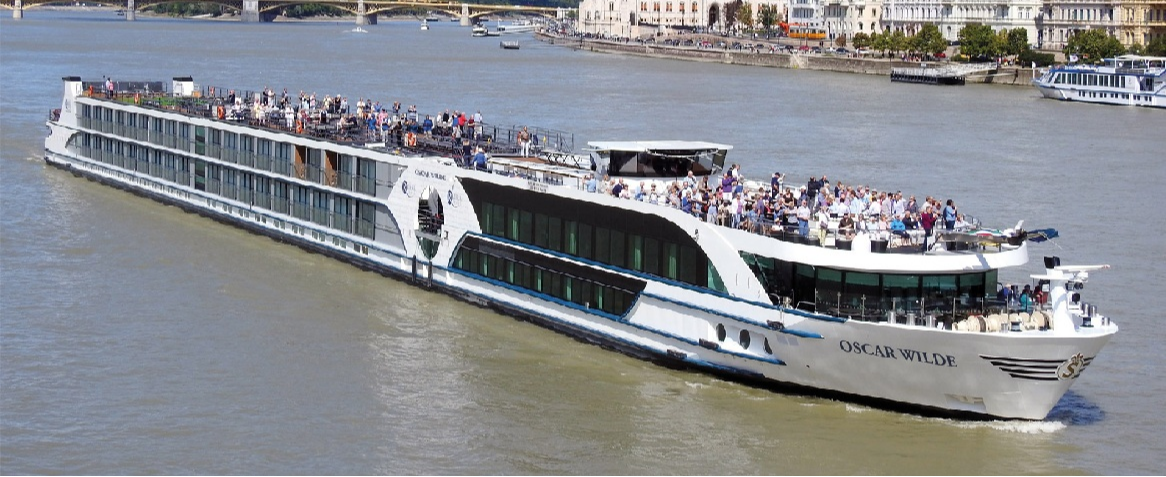
| 22 June | 7 days | Round-trip Rhine and Moselle River Cruise - MS Oscar Wilde |
450-628-6241
Call us
|
| 22 June | 8 days | Round-trip from Cologne, Germany |
450-628-6241
Call us
|
MS Riviera Resplendence
12 Cruises
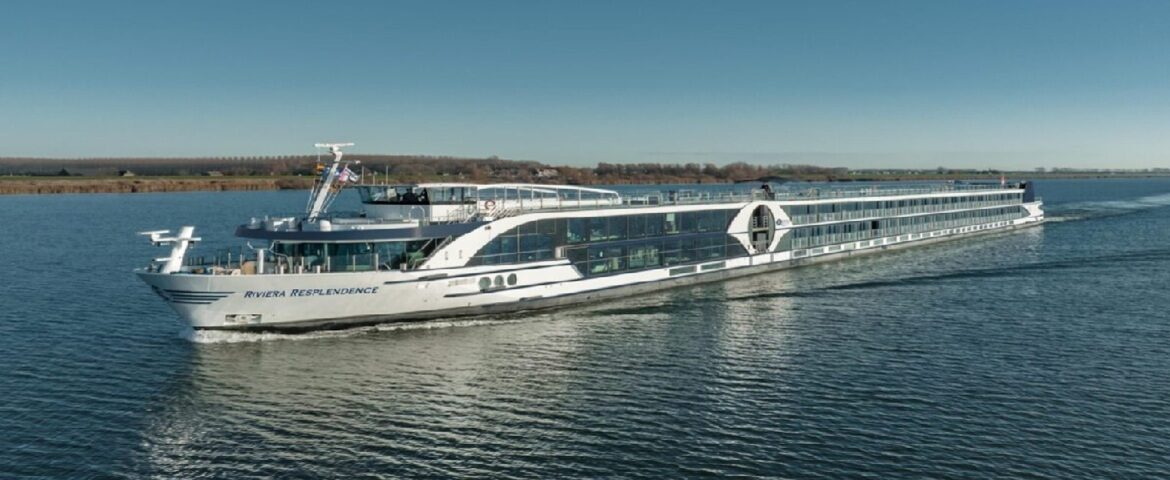
| 5 May | 7 days | Round-trip Rhine and Moselle River Cruise - MS Riviera Resplendence |
450-628-6241
Call us
|
| 5 May | 8 days | Round-trip from Cologne, Germany |
450-628-6241
Call us
|
| 16 June | 7 days | Round-trip Rhine and Moselle River Cruise - MS Riviera Resplendence |
450-628-6241
Call us
|
| 16 June | 8 days | Round-trip from Cologne, Germany |
450-628-6241
Call us
|
| 7 July | 7 days | Round-trip Rhine and Moselle River Cruise - MS Riviera Resplendence |
450-628-6241
Call us
|
| 7 July | 8 days | Round-trip from Cologne, Germany |
450-628-6241
Call us
|
| 4 August | 8 days | Round-trip from Cologne, Germany |
450-628-6241
Call us
|
| 4 August | 7 days | Round-trip Rhine and Moselle River Cruise - MS Riviera Resplendence |
450-628-6241
Call us
|
Scenic Cruises (121 Cruises)
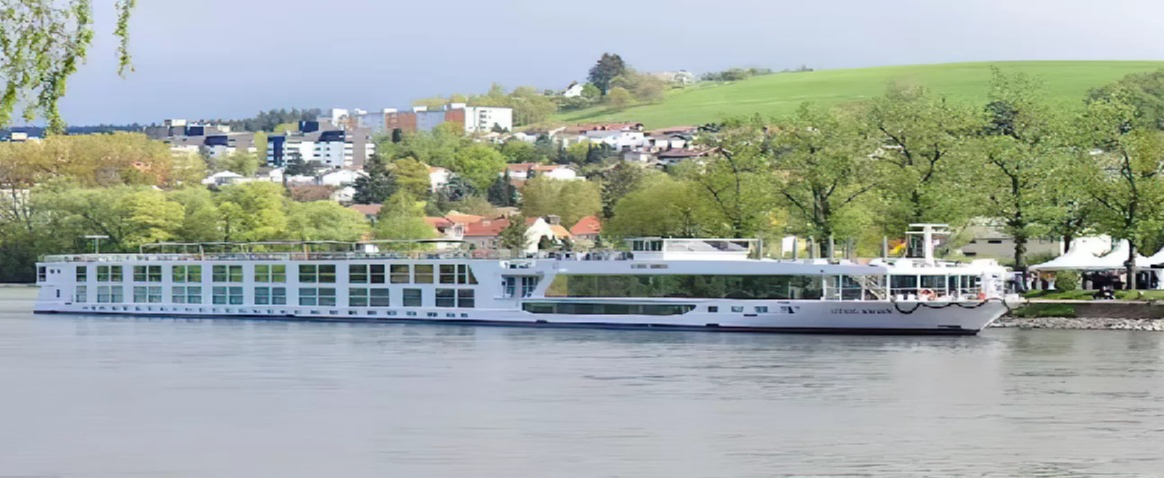
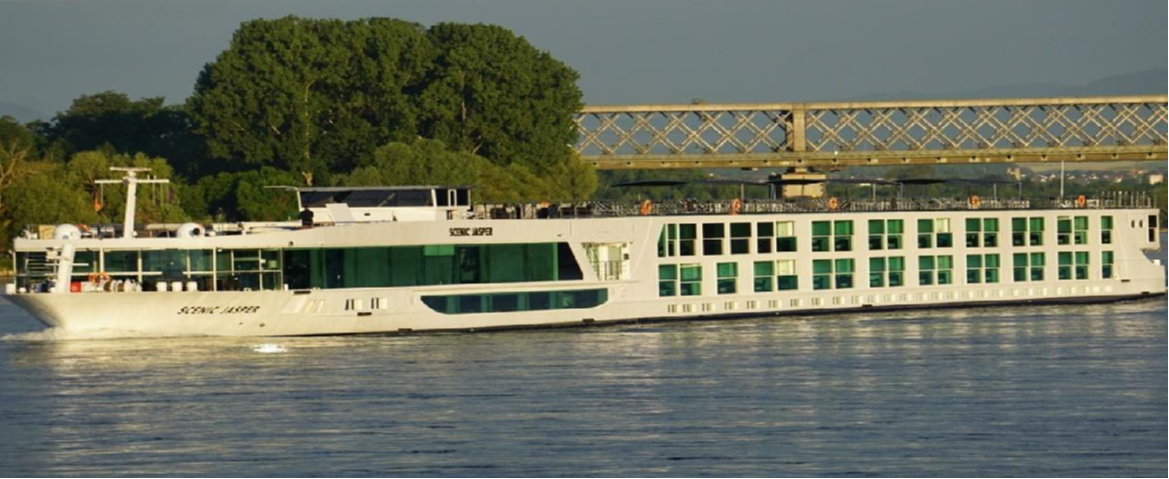
Scenic Opal
16 Cruises
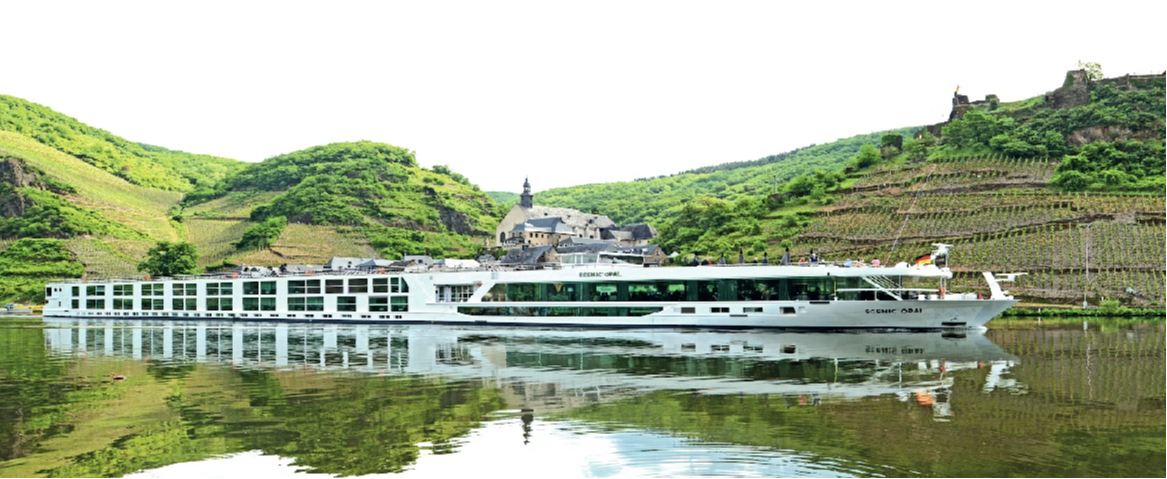
| 16 April | 19 days | One-way from Basel to Amsterdam |
450-628-6241
Call us
|
| 20 April | 15 days | One-way from Basel to Amsterdam |
450-628-6241
Call us
|
Scenic Pearl
55 Cruises
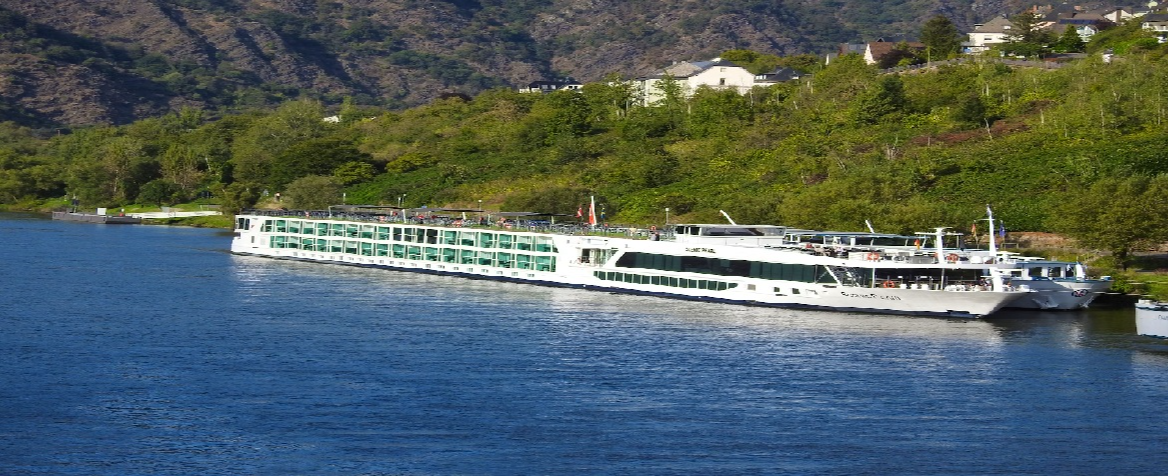
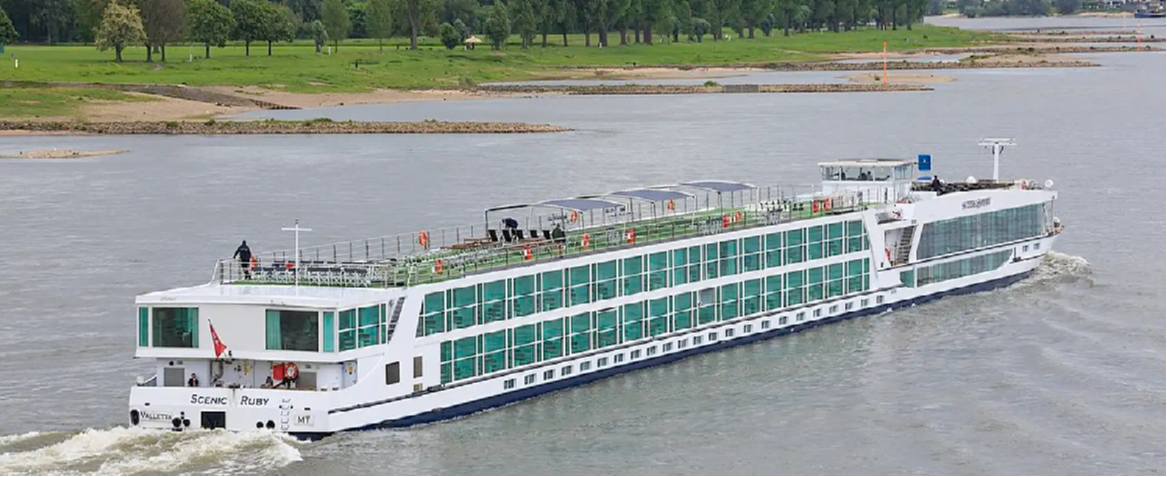
Scenic Ruby
45 Cruises
| 28 April | 8 days | One-way from Basel to Mainz |
450-628-6241
Call us
|
| 28 April | 10 days | One-way from Basel to Berlin |
450-628-6241
Call us
|
| 2 June | 29 days | One-way from Budapest to Basel |
450-628-6241
Call us
|
| 23 June | 15 days | One-way from Basel to Amsterdam |
450-628-6241
Call us
|
Uniworld Boutique River Cruise (21 Cruises)
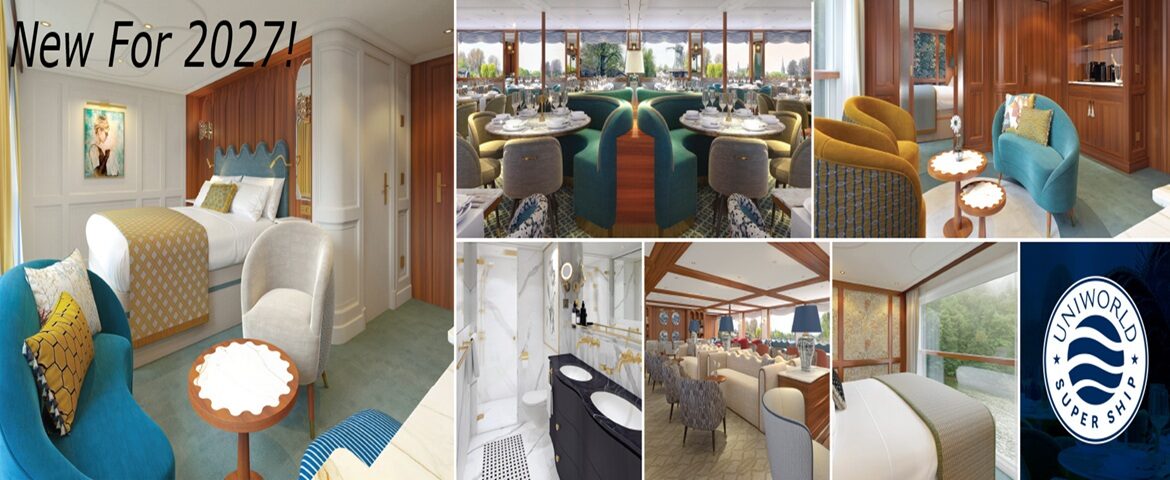
S.S Audrey
9 Cruises

| 1 May | 12 days | One-way from Paris City to Prague |
450-628-6241
Call us
|
| 8 May | 12 days | One-way from Prague to Paris City |
450-628-6241
Call us
|
| 18 June | 12 days | One-way from Paris City to Prague |
450-628-6241
Call us
|
| 25 June | 12 days | One-way from Prague to Paris City |
450-628-6241
Call us
|
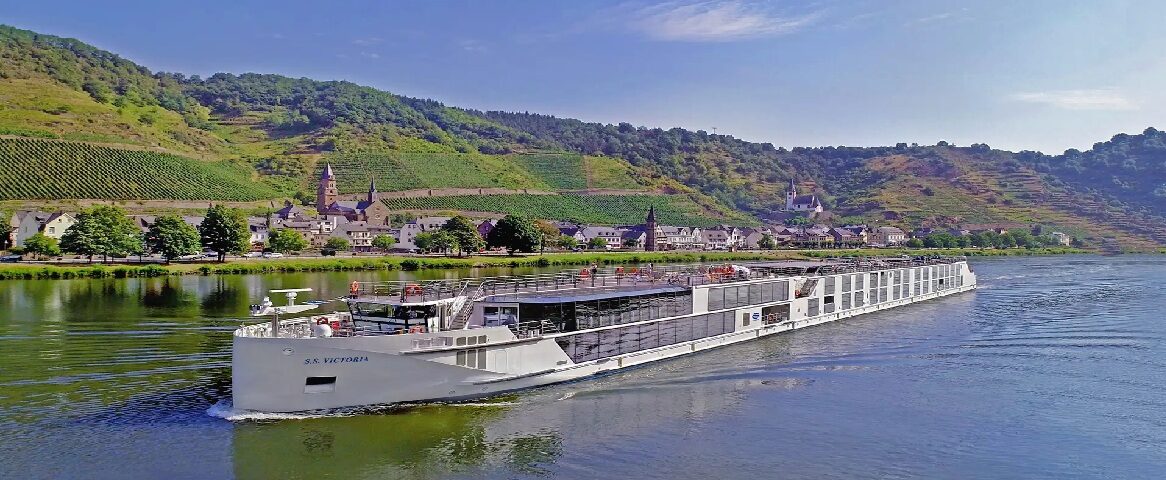
S.S. Victoria
12 Cruises
| 3 June | 15 days | One-way from Basel to Brussels |
450-628-6241
Call us
|
| 17 June | 15 days | One-way from Brussels to Basel |
450-628-6241
Call us
|
Viking River Cruises (551 Cruises)
Viking Longships Alsvin
155 Cruises
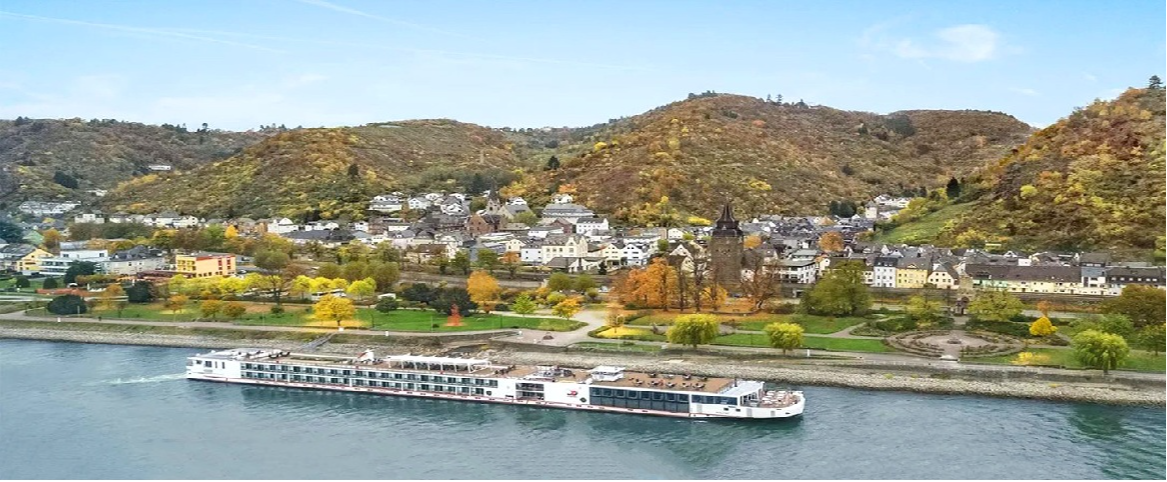
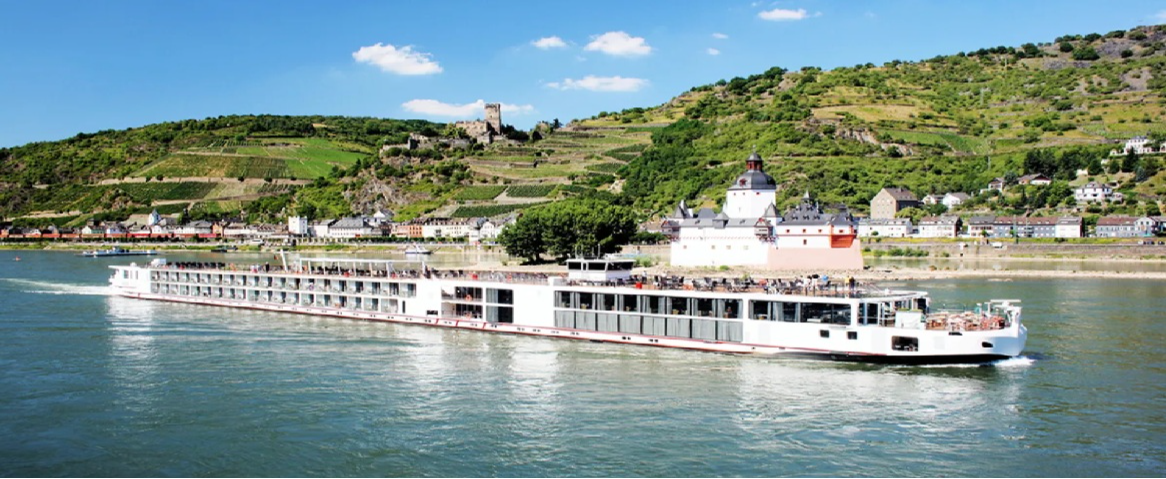
Viking Longships Herja
121 Cruises
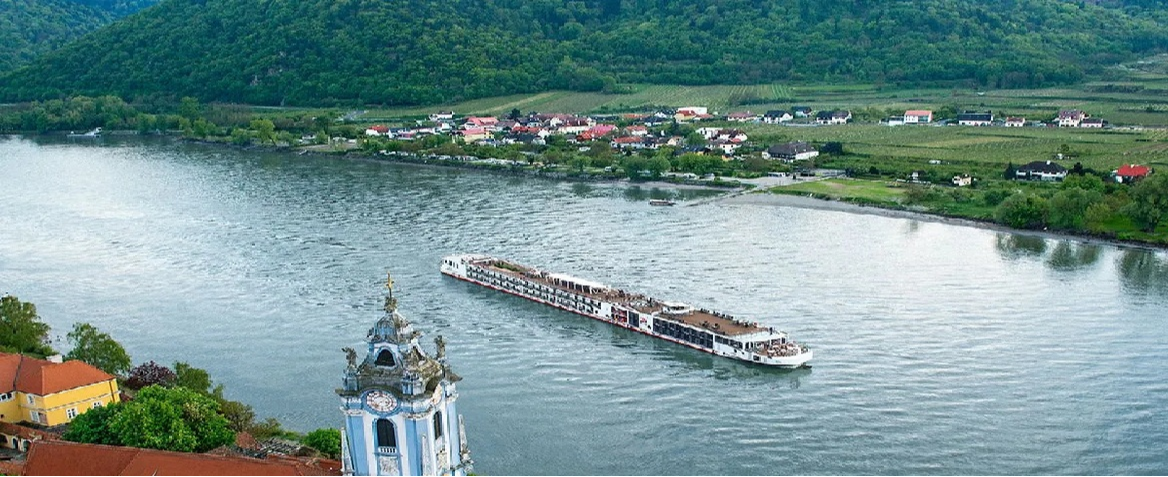
Viking Longships Hild
120 Cruises
Viking Longships Idi
155 Cruises
| 3 March | 7 days | One-way from Bamberg to Trier |
450-628-6241
Call us
|
| 3 March | 8 days | One-way from Bamberg to Trier |
450-628-6241
Call us
|
Cochem, Germany | Cruise Port Guide
Frequently Asked Questions
Along the Moselle promenade, so the old town begins right at the gangway. No transport is needed to reach the market square.
The turreted castle standing a hundred metres above the town. A medieval fortress destroyed by Louis XIV's troops in 1689, it lay in ruins for two centuries until a wealthy Berlin businessman bought it and had it rebuilt in 19th-century neo-Gothic taste. So it is not an intact medieval castle but a reconstruction, and the result crowns the valley.
On foot from the centre, fifteen to twenty minutes up a steady slope. Guided tours last about 40 minutes and pass through armouries, panelled chambers and terraces from which the Moselle unfolds below. Even without going in, the walk earns its keep for the view.
A tangle of lanes lined with half-timbered houses built between the 13th and 16th centuries, compact enough that getting lost carries no risk. The market square is its heart, with leaning facades and wrought-iron signs. Look for the old fortified gates, including the Enderttor.
Look up: many houses carry their build year carved above the door, and their oak beams still bear the marks left by carpenters four centuries ago.
Yes, everything here comes back to Riesling. The slopes enclosing the town are among the steepest vineyards in Europe: some rows are still harvested entirely by hand on the slate faces. Cellars in the centre open for unpretentious tastings.
A lookout reached by chairlift from the town. From up there, the river, the vineyards and the fortress form a piece of geography you do not forget. It is the best way to take in the landscape without climbing on foot.
Two hours: old town, market square and the quayside promenade. Three to four hours: add the climb to the Reichsburg and its guided tour. A full day: finish with the Pinner Kreuz chairlift and a cellar tasting.
Closed shoes. The lanes are cobbled and uneven, and the climb to the castle is steady. Travellers with limited mobility can enjoy the promenade and the market square, but the castle stays out of reach on foot.
May through October. In late summer, the harvest festivals fill the squares with garlands and the green-stemmed glasses typical of the valley. The currency is the euro and the language German; bring cash for the small cellars and the chairlift.


