Elephant Island Antarctica South Shetlands
Antarctica

53 Cruises availables At departure or passage at this port

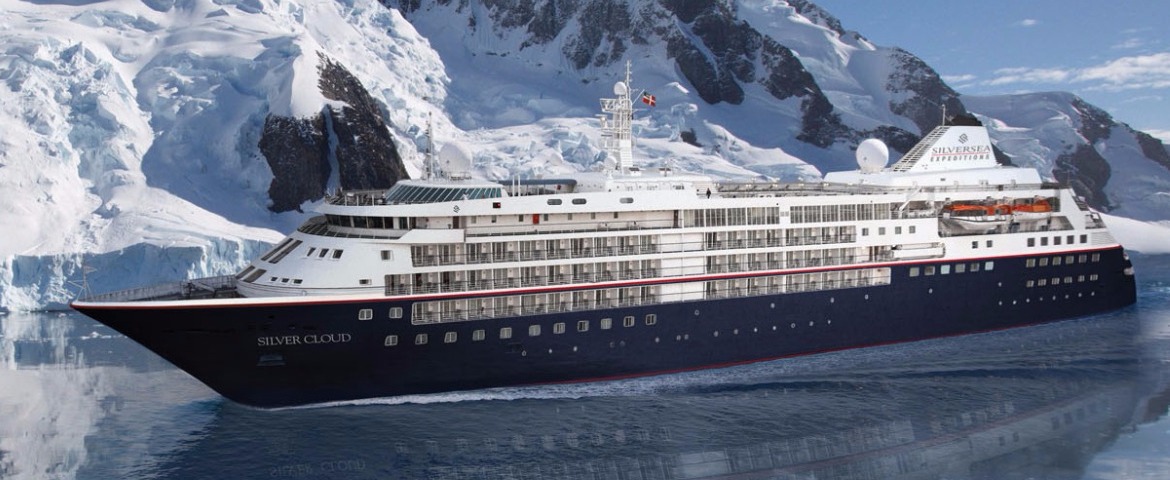
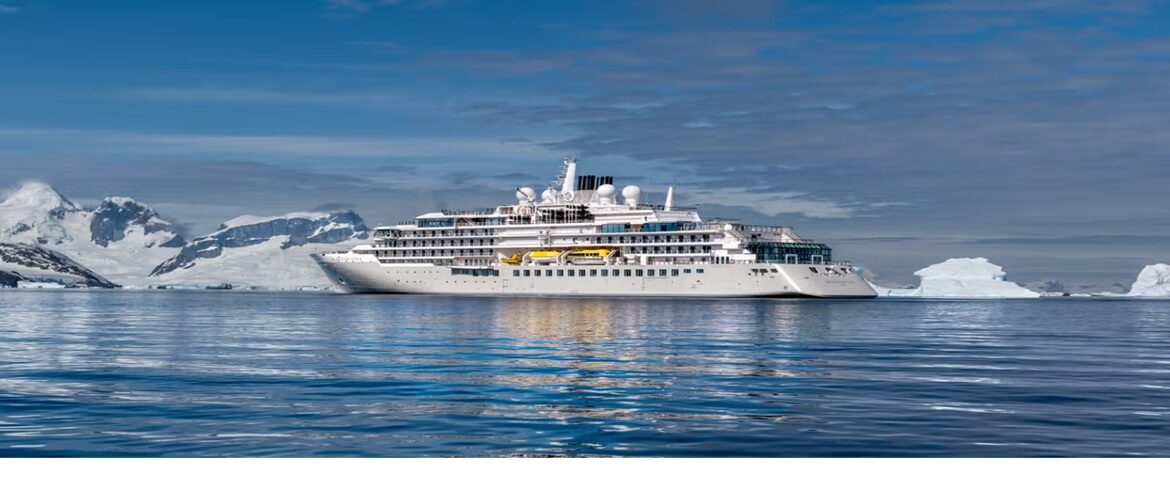
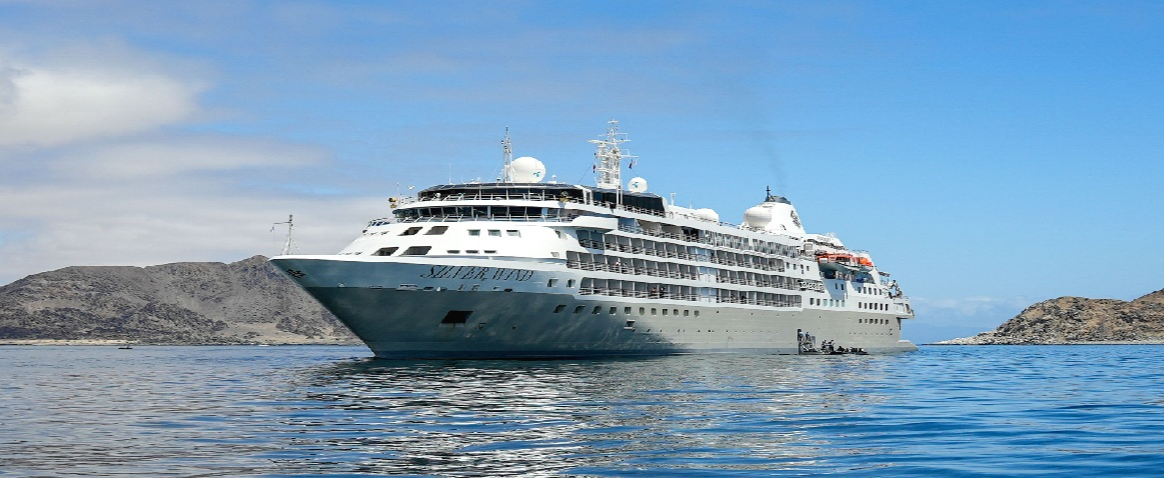
Silversea Cruises (29 Cruises)

Elephant Island | Cruise Port Guide

On maps of Antarctica, Elephant Island is nothing more than a fragment of rock north of the South Shetlands. On the map of history, it holds a place far larger than its size. It was here, on a spit of pebbles named Point Wild, that twenty-two men from Ernest Shackleton's expedition survived a hundred and thirty-seven days in 1916, after their ship Endurance was crushed in the ice of the Weddell Sea. The wreck of the Endurance, found in 2022 more than 3,000 metres down and remarkably well preserved, has brought this story back into the world's headlines.

The approach alone gives a sense of the place. Dark cliffs rise straight out of the Southern Ocean, capped with glaciers spilling down to the sea. The wind blows almost without pause, swells come from every direction, and from the deck it becomes clear that this island welcomes no one: at most, it tolerates a visit. Its name, in fact, comes from the elephant seals early sealers found sprawled across its beaches.

Point Wild, a Shore the Size of a Parking Lot

The site amounts to just a few dozen metres of pebbles wedged between a glacier and the black water. And yet it was here that the shipwrecked men flipped two lifeboats over to build a shelter, living off seals and penguins while waiting for a rescue that seemed nearly impossible. Frank Wild, the expedition's second-in-command, kept discipline and hope alive here; the site bears his name to this day. A bronze bust, meanwhile, honours Chilean captain Luis Pardo Villalón, whose tugboat Yelcho managed, in August 1916, to rescue every last man. Not a single member of the crew was lost.

A Visit Dictated by the Sea

Modern expeditions land here only very rarely. Exposed reefs, heavy surf, and sudden shifts in weather make any landing uncertain: some expedition leaders say they've managed to set passengers on these pebbles only twice in thirty attempts. Most of the time, the visit takes the form of a Zodiac cruise along the shoreline, when conditions allow, or a slow pass by the ship in front of the site. Seeing the beach from the water, between swells, is more than enough to grasp what those men endured.

Life Clinging to the Rock

The island is more than a memorial. Chinstrap penguins nest by the thousand on the exposed slopes, their noise accompanying every approach to the coast. Seals haul themselves up onto the pebbles, Cape petrels wheel in the ship's wake, and humpback whales regularly pass through the area during the austral summer. The glaciers, for their part, put on a constant show: deep cracking sounds, collapsing seracs, and freshly calved icebergs drifting offshore.

What to Know Before You Arrive

  • No infrastructure whatsoever: the island lies outside regular landing routes, and everything depends on the day's weather.
  • Antarctic biosecurity rules apply: vacuumed clothing, disinfected boots, and set distances from wildlife.
  • Bring several warm, waterproof layers for Zodiac outings, even in January.
  • The onboard lecturers usually tell the story of Shackleton's expedition before arrival: don't miss that talk, it transforms the visit.

Setting Course South Again

The ship pulls away, and Point Wild returns to what it has never stopped being: a strip of beach battered by waves at the edge of the world. What you take away isn't a photograph, often grey and blurred with sea spray, but a sense of scale. After seeing the spot where twenty-two men held on for more than four months under two overturned lifeboats, the small discomforts of a Drake Passage crossing fall back into perspective. Elephant Island isn't the kind of stop you simply recount; it's the kind you learn from.

Frequently Asked Questions

Because twenty-two men from Ernest Shackleton's expedition survived one hundred and thirty-seven days there in 1916, on a spit of shingle called Point Wild, after their ship Endurance was crushed by the ice of the Weddell Sea.
Rarely. Shallow reefs, surf and sudden weather changes make any landing uncertain : some expedition leaders have put passengers on that shingle only twice in thirty attempts. The visit is usually a zodiac cruise along the shore or a slow pass by the ship.
The shore where the Endurance castaways waited for rescue, a few dozen metres of shingle wedged between a glacier and black water. They overturned two lifeboats there for shelter. The place is named after Frank Wild, the expedition's second in command, who kept discipline and hope alive.
Yes, a bronze bust honours the Chilean captain Luis Pardo Villalón, whose tug Yelcho succeeded in August 1916 in taking off every man. Not one member of the crew was lost.
In the Weddell Sea, where it was found in 2022 at more than 3,000 metres depth, remarkably preserved. It cannot be visited, but the discovery brought Shackleton's story back to worldwide attention.
Because of the elephant seals the first sealers found sprawled on its beaches. The name has nothing to do with the island's shape.
Chinstrap penguins in their thousands on the ice free slopes, their din carrying across every approach to the coast. Seals haul out on the shingle, Cape petrels wheel in the wake, and humpback whales pass through in the austral summer.
Dark cliffs rising straight out of the Southern Ocean, capped by glaciers spilling down to the sea. The wind barely lets up and the swell comes from every direction. From the bridge you understand that this island welcomes no one : at best it tolerates a visit.
Several warm and waterproof layers for zodiac work, even in January. Antarctic biosecurity rules apply : clothing vacuumed, boots disinfected, distances kept from wildlife.
Strongly recommended. The onboard lecturers tell the Endurance story before arrival, and that talk transforms the visit : without it you see only a grey beach hammered by waves.