Losinj Island Croatia Mali Losinj

12 Cruises availables At departure or passage at this port

Port of Mali Lošinj, Croatia | Cruise Port Guide

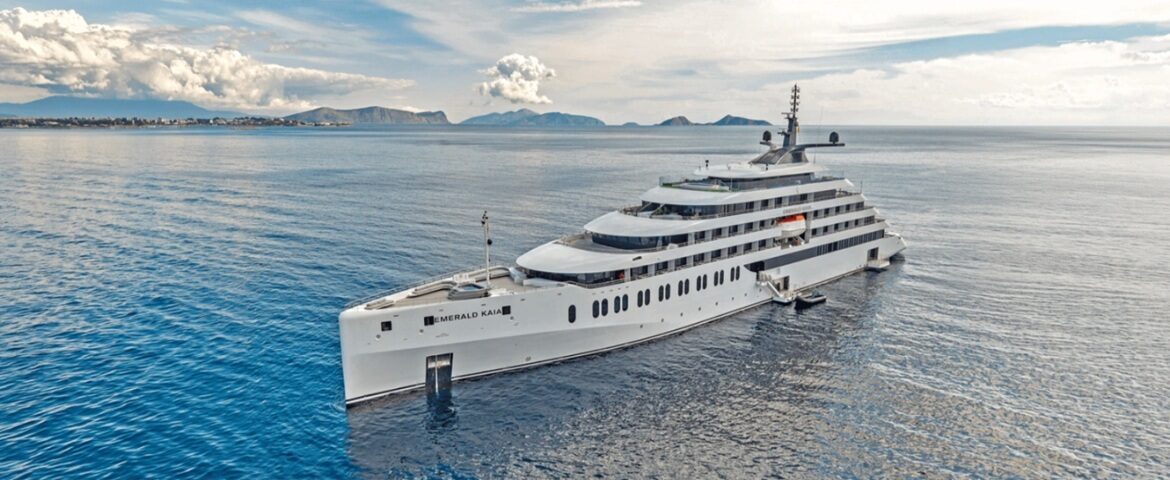
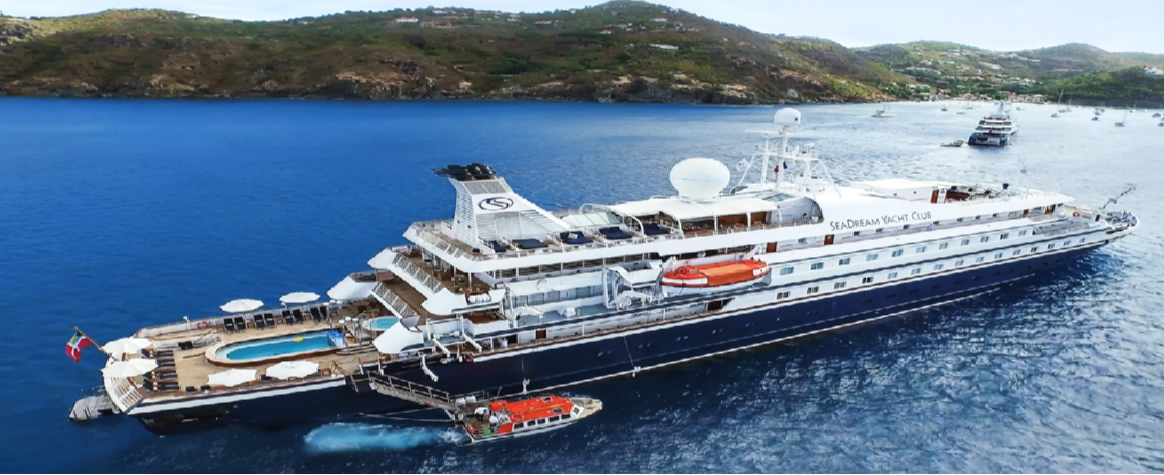
In 1997, a Belgian diver spotted a greenish silhouette 45 metres down: a life-size bronze athlete, lost there since antiquity. The Apoxyomenos of Lošinj, restored over many years, now takes pride of place in its own museum on the harbour of Mali Lošinj — a single object, displayed like a crown jewel. The anecdote sums up this Kvarner island well: discreet in appearance, it holds treasures for those who stop. Ships anchor in the long sheltered bay and land their passengers on the riva, in the centre of town.

A Port of Austro-Hungarian Shipowners

In the 19th century, Mali Lošinj boasted one of the largest fleets of sailing ships in the Adriatic, and its shipyards rivalled those of Trieste. The stately waterfront façades, pink, ochre and almond, date from this prosperity. The main square comes alive in the morning around the fish market and cafés; St. Martin's Church and the gently sloping lanes complete an effortless stroll, entirely level along the crescent of the harbour.

The Museum of a Single Masterpiece

In the Kvarner Palace, on the quay, the Museum of Apoxyomenos is visited like an investigation: darkened rooms tell of the discovery, the recovery and the restoration, before the final encounter with the athlete — a young man scraping oil from his body after exertion, a Hellenistic bronze of which only a handful of equivalents exist in the world. The internationally award-winning exhibit takes less than an hour: it's a must-stop, even for visitors who aren't museum lovers.

Čikat, the Bay of Villas and Pines

Twenty minutes' walk from the centre, the Čikat peninsula spreads its forest of Aleppo pines, planted in the 19th century at the urging of the Viennese bourgeoisie, who came here to treat their lungs: the island was officially designated a climatic health resort of the Empire in 1892. Belle Époque villas, a paved seaside promenade, landscaped coves and crystal-clear water make up one of the most pleasant seafronts in the northern Adriatic; the promenade continues to the neighbouring cove of Sunčana, even more peaceful. The scents of pine, immortelle and rosemary justify its nickname, "the island of vitality."

Dolphins and the Neighbouring Village

The waters of Lošinj are home to a resident population of about 200 bottlenose dolphins, monitored since the 1980s by one of the oldest research programs in Europe; respectful observation outings leave from the quays depending on the season. Spotting a fin during an outing is common, but never guaranteed. Four kilometres away, the village of Veli Lošinj — "big" in name but smaller than its neighbour — huddles its tall, colourful houses around a tiny cove overlooked by a Baroque church: the coastal walk leading there is among the loveliest hours of the port call.

Port Call Pointers

ItemDetails
DockingAnchorage in the bay, tender to the riva in the centre
Museum of ApoxyomenosOn the harbour, visit of about one hour
Čikat Bay20 minutes on foot along the seaside promenade
Currency and languagesEuro; Croatian, English, Italian and German widely spoken

Health Through Beauty

Viennese doctors prescribed Lošinj as a remedy; the prescription still holds. An ancient bronze rescued from the waves, a century-old pine forest, dolphins offshore and quays that smell of coffee and salt: the port call soothes restlessness better than any spa cure. You leave with your lungs full of resin-scented air, wondering why this island isn't already on every wish list.

Frequently Asked Questions

At anchor in the long sheltered bay. Tenders land passengers on the riva in the town centre, in front of the pink and ochre facades of the old shipowners' houses.
Yes, and easily. The harbour crescent is entirely flat: the fish market, the Apoxyomenos museum and St Martin's church are minutes from the landing. Čikat bay is twenty minutes along the shore promenade.
The Apoxyomenos museum, about an hour, then the walk to the Čikat pine woods for a swim. If time allows, add the neighbouring village of Veli Lošinj, four kilometres away on a coastal path.
A life-size bronze statue of an athlete scraping oil from his body, spotted in 1997 by a Belgian diver at 45 metres depth. Restored over several years, it has a museum to itself on the harbour. The award-winning presentation takes under an hour.
Often, though nothing is guaranteed. The island's waters hold a resident population of about 200 bottlenose dolphins, monitored since the 1980s by one of Europe's longest-running research programmes. Responsible watching trips leave the quays seasonally.
A peninsula covered by an Aleppo pine forest planted in the 19th century, with Belle Époque villas, a paved promenade and serviced coves. It is twenty minutes on foot from the centre. The walk continues to the quieter Sunčana inlet.
Because it was officially designated a climatic health resort of the Austro-Hungarian Empire in 1892. Viennese doctors sent patients here for their lungs. The scents of pine, immortelle and rosemary explain the rest.
The euro and Croatian. English, Italian and German are all commonly spoken around the harbour. Cards are accepted in shops and restaurants.
May to October. The island enjoys a mild climate and the shore promenade stays pleasant well outside the hottest months. Dolphin trips run most frequently from June to September.
Reasonably good, for an Adriatic call. The waterfront and the Čikat promenade are flat and paved. The main constraint is the tender landing, which depends on sea conditions.