Kampong Tralach Cambodia
Cambodia

929 Cruises availables At departure or passage at this port

Avalon Waterways (59 Cruises)

Avalon Saigon 1

Avalon SaigonSM

36 Passengers
Visit the ship's page

CroisiEurope (412 Cruises)

Cruise CE Croisieurope RV Indochine ship

RV Indochine

48 Passengers
Visit the ship's page
Cruise CE Croisieurope RV Indochine II ship

RV Indochine II

62 Passengers
Visit the ship's page
Cruise CE Croisieurope RV Lan Diep ship

RV Lan Diep

44 Passengers
Visit the ship's page
Toum Tiou II.

Toum Tiou II

28 Passengers
Visit the ship's page

Emerald Waterways (440 Cruises)

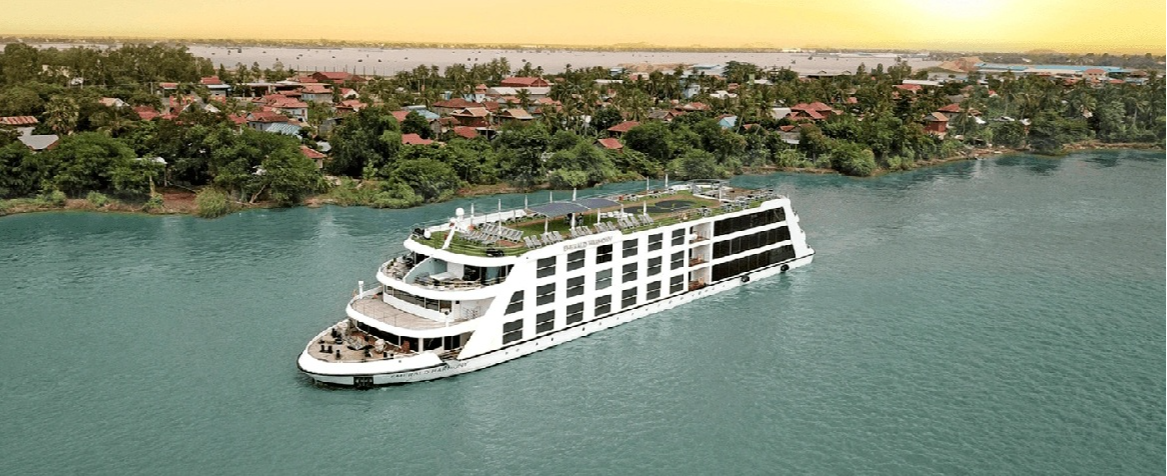
Emerald Harmony

Emerald Harmony

124 Passengers
Visit the ship's page
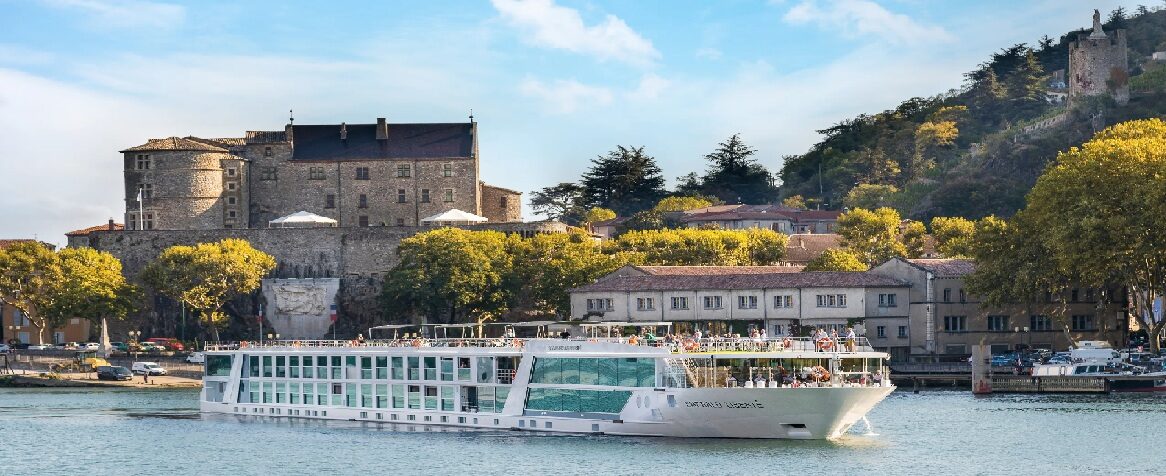
Emerald Liberte.

Emerald Liberte

187 Passengers
Visit the ship's page

Kampong Tralach, Cambodia | Cruise Port Guide

You hear this stop before you see it: the creak of wooden wheels, the slow step of oxen, the bells of the carts. At Kampong Tralach, on the bank of the Tonlé Sap, river boats pull alongside the shore and hand their passengers over to a mode of transport that hasn't changed in generations. The ox cart here isn't a scene staged for foreigners; it remains the working tool of farming families, brought out of the farmyard for the occasion, and the ride it offers crosses rural Cambodia with no filter and no showcase. The drivers greet their guests with a nod, the animals chew their cud, and the convoy sets off in a chorus of straining wood.

The Causeway Between the Rice Fields

The carts head out onto a raised track running between paddies, tender green or gold depending on the season. The driver walks beside his animals, a switch in hand he almost never uses, and the passenger lets the sway of the wooden platform rock them, seated on a woven straw mat. On either side, farmers transplant or harvest according to the rainy season's calendar, cattle egrets follow the buffalo through the stubble, and sugar palms trace their windswept silhouettes against the sky. A village association of about fifty members organizes these outings, with the income shared among the participating families, each taking their turn.

The Pagoda of Old Frescoes

At the end of the path waits Wat Kampong Tralach Leu, a sanctuary said, by tradition, to date back to the 15th century. The current building keeps the look of an old country pagoda, fronted by a courtyard where the monastery's harvest dries, and its interior holds a fragile treasure: frescoes painted in the 1850s by two artists named Pal and Chea. The scenes, faded by humidity and the decades, still let you make out royal processions, tiered-roof palaces, and episodes from the life of the Buddha. Visitors look up at them in silence, aware of gazing at images that each rainy season erodes a little further.

A Village at a Child's Eye Level

The ride back to the shore crosses through the village itself: houses on stilts, yards where chickens peck about, motorbike repair stalls set up in the shade of the homes. Children run up to wave at the carts, try out three words of English, burst out laughing, and run off to alert the next ones. Adults look up from their work, wave back, and return to what they were doing. Nothing extraordinary happens, and it's precisely that nothing, that ordinary life offered with no staging, that gives this stop its value in the eyes of many long-haul travellers. Some crews also offer a stop at the small school, when class is in session, to drop off notebooks and pencils donated by passengers.

The River of Comings and Goings

Back on the shore, many passengers linger a moment facing the river. The Tonlé Sap links Cambodia's great lake to the Mekong and sets the rhythm of life for millions of people, filling and then emptying its plains with the monsoons, in a back-and-forth that those who live along it read like a calendar. The boats that travel it connect Phnom Penh to the villages upstream, and every stop like this one stitches one more thread between the traveller and this patient, fertile country of fresh water.

Long after departure, it's the creak of the wheels that comes back to mind, along with the smell of warm straw and the smile of a cart driver. Kampong Tralach has no famous monument and no grand panorama. It has something better: a way of reminding us that simplicity, when it's sincere, touches more surely than spectacle ever could.

Frequently Asked Questions

Straight against the bank of the Tonle Sap, with no built pier. Ox carts wait for passengers at the foot of the gangway: that is the transport for this call.
By ox cart. The convoy heads out along a raised track between rice paddies to the pagoda, then loops back through the village. The carts belong to local families and are working tools, not a set built for visitors.
The outing fits comfortably into half a day: the ox cart ride along the dyke, a visit to Wat Kampong Tralach Leu and its murals, then the return on foot or by cart through the village.
Murals painted around 1850 by two artists named Pal and Chea. Faded by humidity, they still show royal processions, tiered palace roofs and episodes from the life of the Buddha. Tradition dates the sanctuary itself to the 15th century.
It depends what you want. There is no famous monument and no sweeping viewpoint here: the value lies in rural life shown without staging. Travellers looking for the spectacular will be disappointed; the others remember it for a long time.
Moderately. You sit on a woven straw mat over a wooden platform, and the dirt track makes the cart pitch. The pace is slow and the ride short, but sensitive backs should know before climbing aboard.
A village association of about fifty members runs the outings, and the income is shared among the participating families, each taking a turn. That is one reason the ships keep coming back.
Cambodian riel and US dollars. The village has very few shops: bring small bills if you want a drink or plan to tip the cart driver.
Khmer, almost exclusively. Children happily try three words of English, and ship guides handle translation. A smile and a wave do the rest.
Very much so. The ox cart delights children, the route is flat and short, and village youngsters come out to meet them. Some crews also stop at the village school so passengers can drop off notebooks and pencils.