Paranagua Brazil

62 Cruises availables At departure or passage at this port

MSC Cruises (39 Cruises)

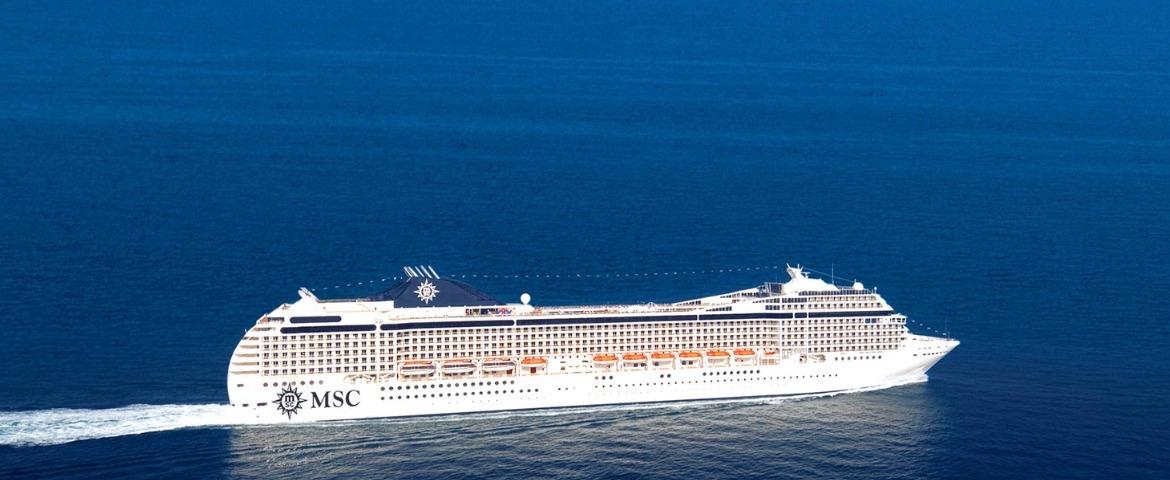
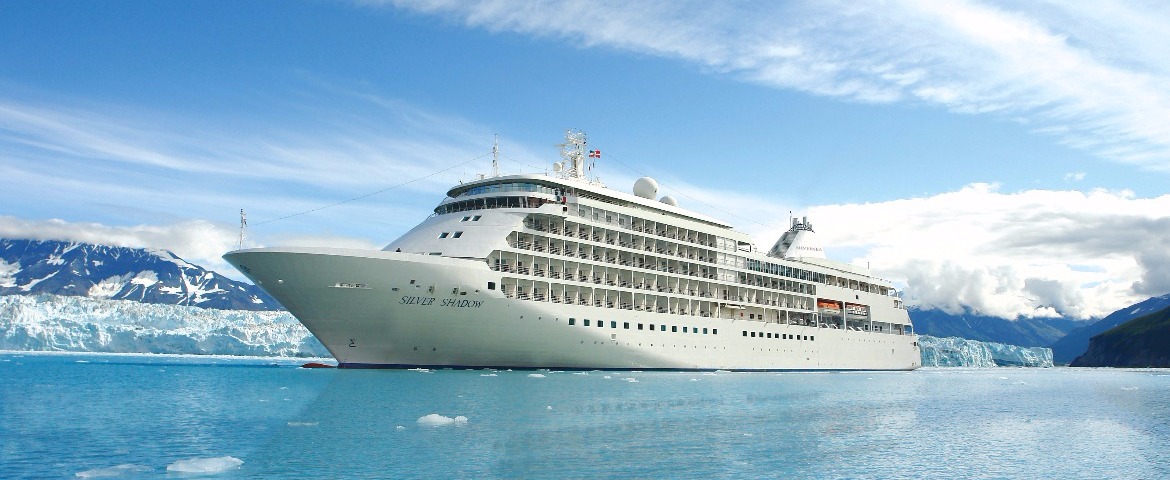
msc musica cruise ship

MSC Musica

3223 Passengers
92409 tons
Visit the ship's page

Paranaguá, Brazil | Cruise Port Guide

Paranaguá Bay opens behind a string of islands, so vast that the ship seems to glide inland long after leaving the Atlantic. On the southern shore, cranes and grain silos herald one of the major grain terminals of South America, then a row of pastel-toned colonial façades appears at water level. Founded in 1648, the oldest city in Paraná has watched over its anchorage for nearly four centuries.

A historic centre by the water

The cruise quay practically opens onto old Paranaguá. A few minutes' walk is enough to reach Rua da Praia, the old merchant street running along the Itiberê River. The low houses there still bear their ornate cornices and azulejos, the legacy of Portuguese traders who made their fortunes here thanks to maté and coffee. The atmosphere remains that of a working town, where fishermen unload their crates a stone's throw from the terraces.

The Jesuit college and São Benedito Church

On the waterfront stands the former Jesuit college, an imposing 18th-century stone building that now houses the Museum of Archaeology and Ethnology of the Federal University of Paraná. Its vaulted rooms display Indigenous tools, pieces from Caiçara culture and accounts of daily life on this coast. A little farther on, São Benedito Church, modest and whitewashed, ranks among the best-preserved colonial sanctuaries in the region. Its simplicity says more than many a gilded altar.

Ilha do Mel, across the bay

Facing the city, Ilha do Mel guards the entrance to the bay. This car-free island, protected as a reserve, is reached by boat and explored only on foot, along sandy trails through the restinga. Depending on the time available, you can climb up to the Conchas lighthouse, whose silhouette has towered over the beaches since 1872, or continue to the ruins of the Nossa Senhora dos Prazeres fortress, built in the 18th century to block the way to privateers. Check the crossing schedules before setting out: the estuary keeps its own rhythm.

The Atlantic Forest as a backdrop

Behind Paranaguá rises the Serra do Mar, one of the best-preserved stretches of Brazil's Atlantic Forest. It is through these mountains that the railway line linking the coast to Curitiba, the state capital, perched about a hundred kilometres away, winds its way. The full trip goes beyond the scope of an ordinary port call, but some organized excursions cover its most spectacular section, among viaducts, tunnels and cliffs covered in bromeliads. Passengers who stay in town enjoy the same mountains as a backdrop, often capped with clouds clinging to the canopy.

The Paraná table

Supper time offers one more reason to linger. The specialty of the coast is called barreado: beef slowly simmered in a clay pot, served with cassava flour and slices of banana. The dish, born of the Carnival festivities of the Caiçara communities, once simmered all night long under a lid sealed with ash and flour. Several restaurants in the historic centre still prepare it the traditional way, and portions are happily shared.

Back to the quay

At the end of the day, the low light skims the bay and gilds the façades of Rua da Praia. Cargo ships wait their turn offshore, as they have since the days of maté. Paranaguá does not seek to dazzle: it simply carries on its long conversation with the sea, and those who took the time to listen return on board with the feeling of having touched a Brazil that still works, eats and lives to the rhythm of its port.

Frequently Asked Questions

On the south shore of the bay, at the terminal beside the cranes and grain silos of one of South America's major grain ports. The cruise berth sits practically at the edge of old Paranaguá.
Yes. A few minutes on foot brings you to Rua da Praia, the old merchant street along the Itiberê river, with its low houses, worked cornices and azulejo tiles.
The historic centre and the Archaeology and Ethnology Museum fill half a day on foot comfortably. Crossing to Ilha do Mel takes longer and depends on boat schedules.
The Archaeology and Ethnology Museum of the Federal University of Paraná. This eighteenth-century stone building on the waterfront displays Indigenous tools, pieces of caiçara culture and records of daily life on this coast in its vaulted halls.
Yes, by boat. The car-free island, protected as a reserve, is explored only on foot along sand trails. You can climb to the Conchas lighthouse, standing since 1872, or walk to the ruins of the Nossa Senhora dos Prazeres fortress. Check crossing times: the estuary sets its own pace.
It was founded in 1648, making it the oldest city in Paraná. Its houses and churches date from the era when Portuguese merchants made fortunes in yerba mate and coffee.
The full train journey through the Serra do Mar exceeds a normal port call, with the state capital about a hundred kilometres away. Some organized excursions do cover the most spectacular stretch, among viaducts, tunnels and bromeliad-covered cliffs.
Barreado, the coastal speciality: beef slow-cooked in a clay pot, served with cassava flour and banana slices. Born of caiçara carnival feasts, it is still made traditionally in several historic-centre restaurants, and portions are easy to share.
Brazilian reais and Portuguese. This is a working town rather than a tourist destination: English is not widely spoken, and small bills make shopping in the centre easier.
Yes, in a quiet form. The historic centre walks easily and the museum interests older children. Ilha do Mel involves walking on sand and a boat crossing, which suits school-age children better.