Maceio Brazil

153 Cruises availables At departure or passage at this port

Costa Cruises (26 Cruises)

Cruise COS Costa Cruises Diadema ship

Costa Diadema

4962 Passengers
132500 tons
Visit the ship's page

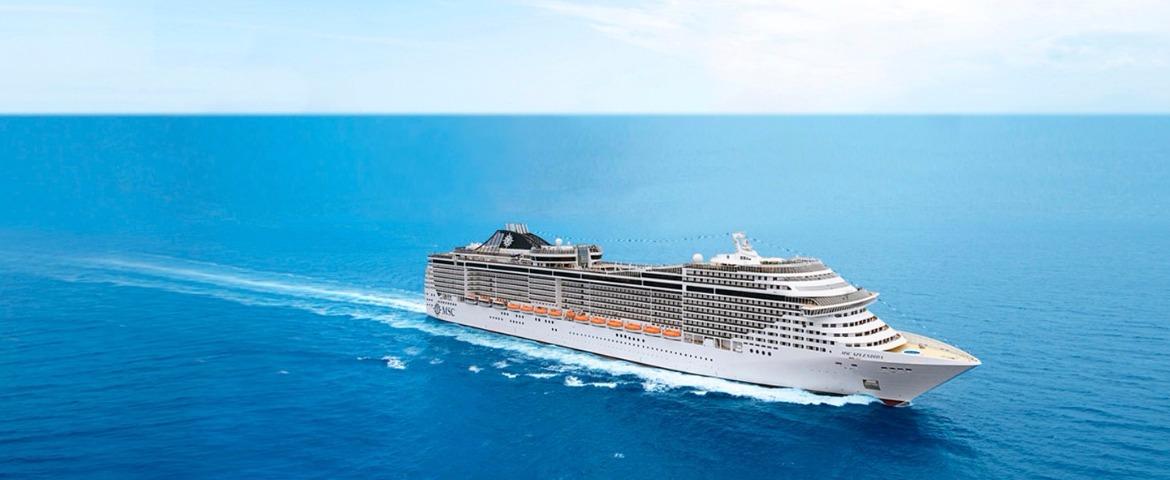
MSC Cruises (110 Cruises)

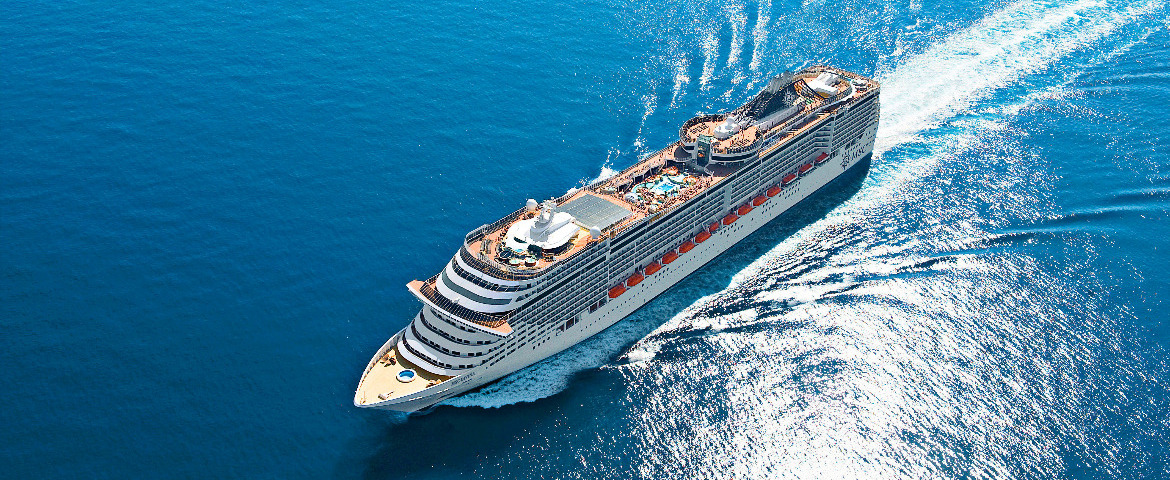
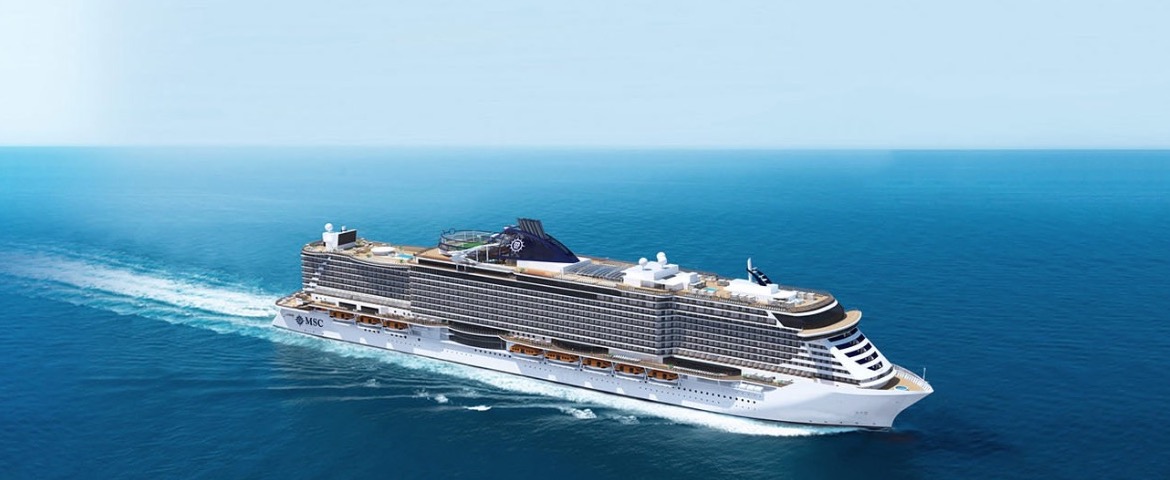
Cruise MSC Virtuosa ship

MSC Virtuosa

6334 Passengers
181000 tons
Visit the ship's page

Port of Maceió, Brazil | Cruise Port Guide

A gradient of greens and turquoise stretches from the sand to the coral reef: here, the sea gives its first lesson in colour even before docking. Maceió, capital of the state of Alagoas in Brazil's Nordeste, has built its reputation on this sea. Ships dock at the commercial quay, on the edge of the centre; the urban beaches that are the region's pride stretch immediately to the south, a few minutes away by taxi.

Pajuçara and Its Natural Pools

Pajuçara beach is the classic port call meeting point. On the pale sand, colourful sails await visitors: these are jangadas, the traditional rafts of Nordeste fishers, which at low tide take you to the natural pools about two kilometres offshore. There, in clear, warm, waist-deep water, multicoloured fish and coral formations can be observed a few metres down, without even putting your head under. The outing lasts about an hour and a half, with mask and snorkel often provided on board, and depends entirely on the tides; the ship's staff or the beachfront kiosks confirm the day's schedule.

The Waterfront, a User's Guide

From Pajuçara, the coastal promenade links the beaches of Ponta Verde and Jatiúca, lined with leaning coconut palms and kiosks serving ice-cold coconut water, tapiocas and grilled fish. The cycle path and mosaic sidewalks follow the sea for several kilometres. You rent bikes, walk in the shade of the palms and watch the volleyball games: the Brazilian beach scene in all its good humour. The water stays warm year-round — you're nine degrees south of the equator — and the waves remain modest behind the reefs, which reassures cautious swimmers.

Colours of Alagoas

For a change from the coast, the centre preserves a few witnesses to the Maceió of before tourism: the cathedral, neoclassical-inspired administrative buildings and, above all, the municipal market, piled high with Nordeste fruit, dried shrimp, filé lace and clay figurines. It's the place to capture the region's popular soul, between tapioca stalls and cocada vendors. Craft lovers will also find a well-stocked artisan market along Pajuçara, full of hammocks and embroidery.

The local table extends the landscape. The lagoons bordering the city provide sururu, a small mussel cooked in a creamy coconut milk broth, the signature dish of Alagoas; beach kiosks also serve grilled shrimp and whole fish with rice and farofa. Everything is paid in reais, with credit cards accepted almost everywhere. A hat and high-SPF sunscreen complete the kit: the Nordeste sun means business, even under clouds.

A Getaway to the South

Excursions offered during port calls often head to Praia do Francês or the Mundaú lagoon, south of the city: beaches framed by ochre cliffs, calm waters and boats plying the channels between mangrove islands. These half-day outings nicely complement a morning at the natural pools, for those who want to see the lagoon country of Alagoas without straying too far from the ship.

Taking the Light Home

Maceió asks for no effort: it offers a Brazilian day exactly as you imagine it, generous, colourful and turned toward the sea. At departure, when the coral reef traces a white line on the turquoise offshore and the jangadas' sails head back to the beach, everyone understands why Brazilians themselves choose this coast for their holidays. Deep in your luggage, you'll carry a bit of that sea green that's impossible to photograph faithfully — and the urge to dip your feet in it again.

Frequently Asked Questions

At the commercial pier on the edge of downtown. The city beaches that built the region's reputation start immediately to the south and are a few minutes away by taxi.
The natural pools trip at Pajuçara runs about an hour and a half and remains the signature activity. Alongside it, the coastal promenade toward Ponta Verde and Jatiúca works on foot or by bike, with a swim along the way.
Coral basins about two kilometres offshore, where clear warm water comes up to your waist at low tide. You can watch colourful fish and coral formations without even putting your head under. The outing lasts about an hour and a half.
By jangada, the traditional sailing raft of Nordeste fishermen, from Pajuçara beach. Mask and snorkel are usually provided on board. Note that the trip depends entirely on tides, so confirm the day's timing with the ship or the seafront kiosks.
On the city beaches of Pajuçara, Ponta Verde and Jatiúca, which run in sequence south of downtown. Waves stay modest behind the reefs and the water is warm year-round: this is nine degrees below the equator.
Yes, particularly so. The reefs break the swell and make swimming reassuring, the coastal promenade is flat and shaded by palms, and kiosks serve chilled coconut water and tapiocas the whole way along.
The municipal market downtown, piled with Nordeste fruit, dried shrimp, lace and clay figurines. The cathedral and neoclassical administrative buildings round out the visit; a well-stocked craft market for hammocks also runs along Pajuçara.
Sururu, the small lagoon mussel cooked in a creamy coconut-milk broth, the signature dish of Alagoas. Beach kiosks also serve grilled shrimp and whole fish with rice and farofa.
Brazilian reais, and cards work almost everywhere. Still, keep cash for the jangadas, beach kiosks and market stalls.
A hat and high-factor sunscreen, without exception. The Nordeste sun is fierce even under cloud, and the natural-pool trips leave you fully exposed for over an hour.