Itajai Brazil

126 Cruises availables At departure or passage at this port

Costa Cruises (79 Cruises)

Cruise COS Costa Cruises Diadema ship

Costa Diadema

4962 Passengers
132500 tons
Visit the ship's page

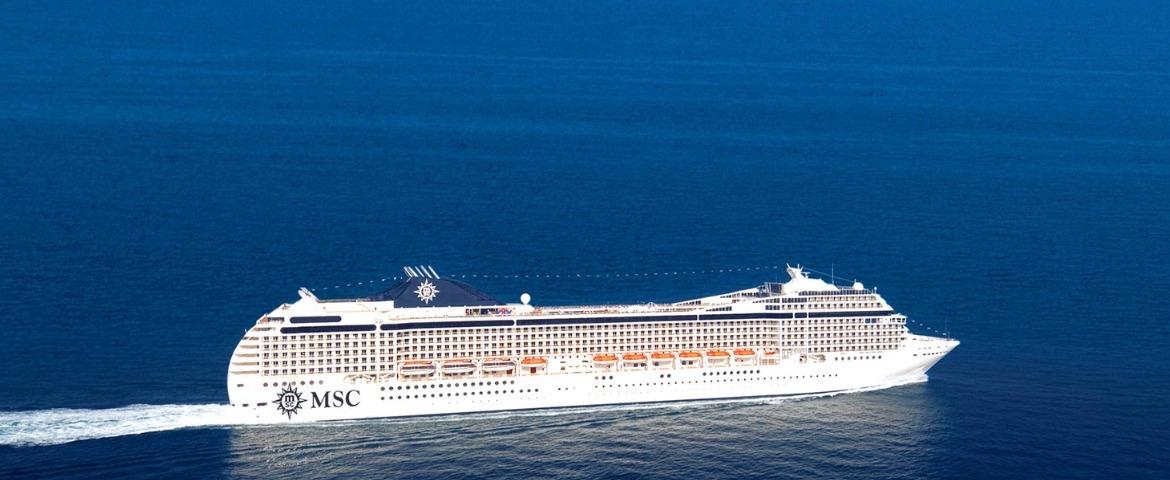
MSC Cruises (39 Cruises)

msc musica cruise ship

MSC Musica

3223 Passengers
92409 tons
Visit the ship's page

Port of Itajaí | Cruise Port Guide

Here, everything begins with a river. The Itajaí-Açu unwinds its brown waters out to the Atlantic, and cruise ships make their way up its mouth among the trawlers, for Itajaí remains, first and foremost, one of Brazil's great fishing capitals. The terminal sits right at the edge of downtown, along the riverbank: just a few minutes' walk get you to the first shopping streets, a rare luxury on the country's southern coast.

Beira-Rio, the Opening Stroll

Facing the docks, the Beira-Rio promenade follows the river for over a kilometre: a bike path, palm trees, monuments, and a string of restaurants that have built the area's culinary reputation — shrimp, grilled fish, steaming moquecas. Locals gather here at the end of the day to watch the container ships go by, a sight that's as much a part of local identity as the beach itself.

A Downtown with an Azorean Accent

The surrounding streets are a reminder that the city was settled in the nineteenth century by families from the Azores. Wander between the main church with its imposing bell tower, the municipal theatre, and the colourful storefronts of neighbourhood shops, while conversations drift easily between lilting Portuguese and the vocabulary of sailors. Fishing supports thousands of families in the region, and it shows right down to the lunch menus. Every October, the Marejada celebrates this Portuguese heritage for about two weeks: the country's largest festival of the sea fills Itajaí with music, dancing, and seafood.

The Molhes, Between Cargo Ships and Surfers

A short taxi ride leads to the molhes, two stone jetties that frame the river's mouth and extend roughly 800 metres out to sea. You can walk out to the small lighthouse, passing anglers and surfers watching for a wave along the rocks; seeing a cargo ship glide by just a few dozen metres away remains a striking moment. The late-afternoon light here is especially beautiful.

Cabeçudas, the Oldest of the Beaches

Just south of the jetties, Cabeçudas Cove was Santa Catarina's very first beach resort. Its old houses huddle behind a ribbon of sand with calm waters, perfect for a family swim or a coffee facing the sea, far from any bustle. The place has kept a village spirit that locals defend with pride.

Balneário Camboriú, the Vertical Neighbour

About fifteen kilometres south — roughly a thirty-minute drive — Balneário Camboriú raises its wall of skyscrapers against the ocean, earning it the occasional nickname of Brazil's Dubai. The contrast with the port city alone is worth the trip: a lively waterfront promenade, an urban beach, and the Unipraias park cable car, which glides over the Atlantic Forest to Laranjeiras Cove. It's the classic excursion for this stop for anyone wanting to see both faces of the region.

Quick Reference for Planning Your Day

LocationAccess from the terminal
Downtown and Beira-RioA few steps from the terminal
Molhes da BarraAbout 10 min by taxi
Cabeçudas BeachAbout 15 min by taxi
Balneário CamboriúAbout 30 min by road

Itajaí plays it straight: it does what it has always done, work the sea, unload the boats, cook up the catch of the day. That's exactly what makes the stop so endearing. You spend the day among people here, more than in a backdrop — and you head back aboard with the sense of having tasted an everyday Brazil, the one few cruise passengers take the time to meet.

Frequently Asked Questions

At the terminal on the edge of downtown, along the bank of the Itajaí-Açu river. Ships come up the river mouth past the trawlers, since Itajaí remains one of Brazil's major fishing capitals.
Yes, and it is a rare luxury on Brazil's southern coast. A few minutes on foot from the terminal brings you to the first shopping streets.
The Beira-Rio promenade and the historic centre work on foot in half a day: over a kilometre of riverfront, the mother church, the municipal theatre and the seafood restaurants. Add the molhes by taxi if time allows.
It is the landscaped riverfront facing the docks, running over a kilometre: cycle path, palms, monuments and a row of restaurants known for shrimp, grilled fish and moquecas. Locals gather here at day's end to watch the container ships pass.
Two stone jetties framing the river mouth and reaching about 800 metres offshore. A short taxi ride gets you there; you walk out to the small lighthouse among anglers and surfers, with cargo ships gliding past just tens of metres away.
At Cabeçudas, just south of the jetties. This cove was Santa Catarina's first seaside resort: sand, calm water and old houses, a setting that suits families and stays well away from the crowds.
Yes. It sits about fifteen kilometres south, roughly thirty minutes by road. You get the wall of high-rises facing the ocean, the busy promenade and the Unipraias park cable car that crosses the Atlantic forest to Laranjeiras cove.
Brazilian reais and Portuguese. Restaurants downtown take cards; keep cash for taxis and small counters. English is not widely spoken in this port city, which lives on fishing rather than international tourism.
The southern summer, December through March, brings the warmth and the most usable sea. October deserves a mention: the Marejada, the country's largest sea festival, celebrates the Portuguese heritage over roughly two weeks.
Because the town was settled in the nineteenth century by families from the Azores. You see it downtown around the mother church and the municipal theatre, and you taste it at lunch, in a region where fishing supports thousands of families.