Quy Nhon Vietnam
10
Cruises availables
At departure or passage at this port
Emerald Waterways (6 Cruises)
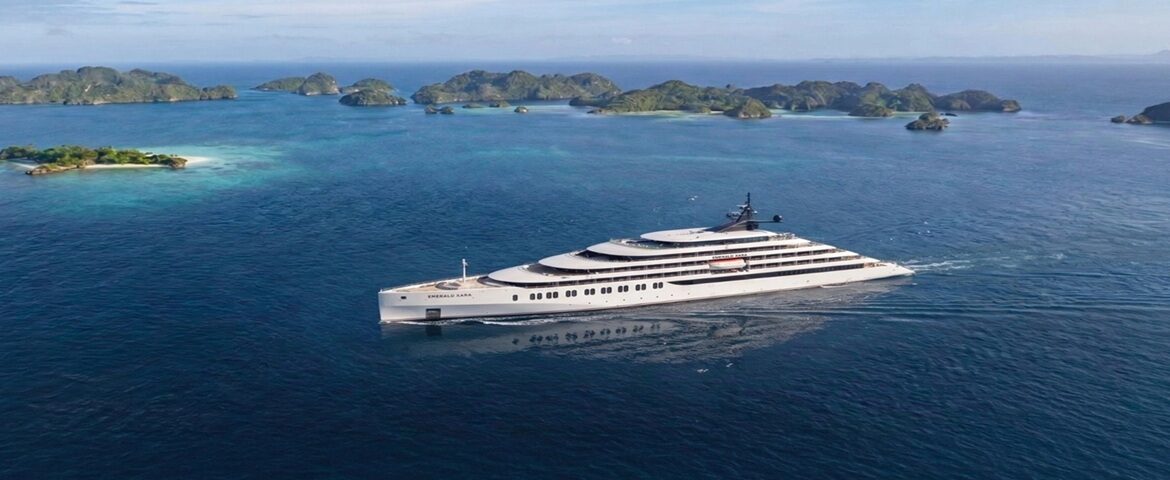
Emerald Xara
6 Cruises

Ponant (4 Cruises)


Quy Nhon, Vietnam | Cruise Port Guide
Frequently Asked Questions
At the commercial port on the eastern tip of the city. Depending on size, ships berth alongside or anchor in the roadstead, with tenders making the connection. Shuttles and taxis wait at the port gate.
Yes, once dropped in town. The centre runs along the sea, and the waterfront promenade is easy to walk, among coconut palms, modern sculptures and the round woven-bamboo fishing coracles typical of central Vietnam.
The Thap Doi Cham towers, three kilometres from the centre, take a peaceful half hour, and the seafront promenade rounds out the morning. The Phuong Mai peninsula, with Eo Gio and Ky Co, needs half a day.
Two red brick towers from the kingdom of Champa, standing in a small park shaded by frangipani about three kilometres from the centre. Their facades, carved with Garuda the mythical bird, can be admired far from any crowd.
It is the strait of the wind, on the Phuong Mai peninsula about twenty kilometres to the northeast. A clifftop path unfolds its viewpoints between dark cliffs and turquoise water. It is the most photographed landscape in the region.
By a steep road or by boat, which is why it feels earned. The pale sand backs onto the mountain, and thatched huts serve grilled fish and fresh pineapple under palm-leaf parasols.
Not really, and that is its appeal. The city sits off the main circuits: the atmosphere is that of an ordinary Vietnamese town, with no aggressive touting — a luxury that has become rare on this coast.
Local banh xeo, crispy rice crepes filled with shrimp and rolled in a wrapper with fresh herbs, and bun cha ca, a fish noodle soup eaten at the counter, elbow to elbow with port workers.
The Vietnamese dong and Vietnamese. English is less common here than in the country's heavily touristed cities: a written address or a map helps in taxis.
Yes. The bay is calm, the city beach accessible, and local families come down to the sand for the end-of-day swim. Trips to Ky Co, by contrast, require a steep road or a boat transfer.


