Ambrym Island Vanuatu
Vanuatu

20 Cruises availables At departure or passage at this port
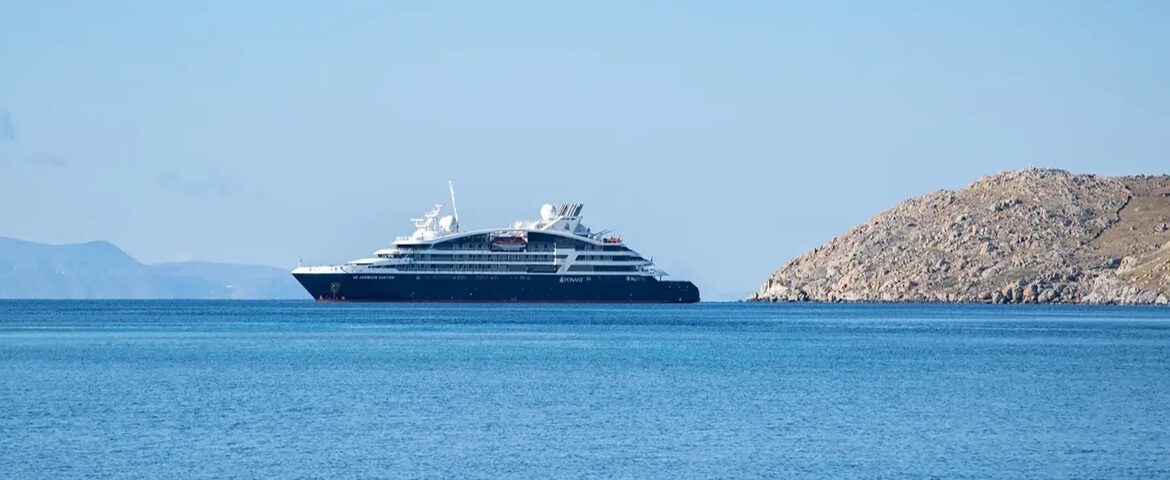
Ambrym Island, Vanuatu | Cruise Port Guide

The zodiac touches the beach and the sand is black. Not grey, not dark: black as the ash it was born from. Ambrym, at the heart of Vanuatu's archipelago, owes its colour to one of the South Pacific's most active volcanoes, whose vast ash plain covers the island's interior. The Ni-Vanuatu call it the black island and also lend it a reputation as an island of magic. Expedition ships anchor offshore and land their passengers feet in water, most often near the village of Ranon, on the north coast.

A Landing That Earns Its Keep

There is no dock or terminal: arrival is by zodiac, with a wet landing on the beach. The crew indicates suitable dress—amphibious sandals and rolled-up trousers. On the shore, inhabitants often await visitors with rows of flowers planted at the water's edge, a welcome where simplicity sets the tone for the day. Here, everything unfolds at the village's pace: no posted schedules, no shops, only people who receive.

The Dance of Masks

Ambrym is one of the last places where the Rom dance is transmitted, a ritual reserved for initiated men. The dancers wear a tall conical mask in bright colours and a cape of dried banana leaves that covers them entirely. To the sound of split-wood drums and feet striking the ground, the masked figures advance, turn and pound the earth with a force you feel in your chest. The ceremony stages the old tale of good and evil, and no one knows who hides beneath the masks: custom forbids it.

Ephemeral Traceries and Sculptors

The island also practises an art of unexpected finesse: sand drawing, inscribed by UNESCO on the intangible cultural heritage list. With a finger, never lifting it, the drawer traces in minutes a continuous interlace that recounts a legend, a route or a message. Ambrym's sculptors, renowned throughout the archipelago, fashion upright drums and tree-fern figures found even in European museums. The pieces offered to passengers are made on site by those who sell them.

The Volcano: An Invisible Presence

From the coastal villages, you do not see the craters: they hide in the clouds, at the island's centre, above the ash plain. But their presence pervades everything, from the colour of the beaches to the vigour of the kitchen gardens. Guides readily recount its latest rages, including the 2018 eruption that emptied the lava lakes and redrawn the plain. Inhabitants have lived alongside this neighbour always, and this cohabitation partly explains the density of the rituals and customs that give the island its reputation.

Expedition Reference Points

AspectTo Know
LandingBy zodiac, wet, on black sand beach; most often at Ranon
InfrastructureNone: no dock, no shops, no reliable network
HighlightRom dance and sand drawing demonstrations organised with the village
PurchasesLocal sculptures; cash in vatu, small denominations
ConditionsHumid heat; shoes that can go in water

When the zodiacs head back to the ship, the drums sometimes still echo behind the coconut line. You leave Ambrym with no monument photo or window-display souvenir, with something rarer: the feeling of having been received, for a few hours, in a world that has given up nothing of what it is.

Frequently Asked Questions

On the beach, feet in the water. There is no quay and no terminal: expedition ships anchor offshore and zodiacs land passengers, most often near the village of Ranon on the north coast. The crew advises what to wear, amphibious sandals and rolled-up trousers.
Because it was born of ash. Ambrym owes its colour to one of the most active volcanoes in the South Pacific, whose vast ash plain covers the island's interior. Ni-Vanuatu call it the black island, and also credit it with a reputation as the island of magic.
No. The craters are reached by a multi-day trek with local guides across the interior ash plain. A cruise call plays out entirely on the coast, in the shoreline villages.
A ritual reserved for initiated men, of which Ambrym is one of the last strongholds. Dancers wear a tall conical mask in vivid colours and a cape of dried banana leaves covering them completely. The ceremony enacts the old story of good and evil, and nobody knows who is beneath the masks: custom forbids it.
An art inscribed by UNESCO on the list of intangible cultural heritage. With one finger, never lifted, the artist traces in minutes a continuous interlace that tells a legend, a route or a message. The demonstration is among the highlights of the call.
Carvings. Ambrym's craftspeople, renowned throughout the archipelago, shape standing drums and tree-fern figures that turn up even in European museums. The pieces offered to passengers are made on the spot, by the very people selling them.
None in the usual sense: no shops, no posted timetables, no cash machine. Everything runs to the village's rhythm, and residents often wait for visitors with rows of flowers planted along the shoreline.
The vatu, Vanuatu's currency. People speak Bislama, the archipelago's lingua franca, along with English and French, a legacy of the Anglo-French condominium. Bring small denominations in cash: nothing here is paid by card.
This is an expedition call: wet zodiac landing, no services, no facilities. Children who accept walking and heat will find it a memorable encounter, but the call suits neither very young children nor reduced mobility.
May to October, Vanuatu's dry season, cooler and less rainy, which is also outside the cyclone period. From November to April, swell and tropical depressions complicate zodiac landings.