Klawock AK Alaska, Prince of Wales Island
105
Cruises availables
At departure or passage at this port
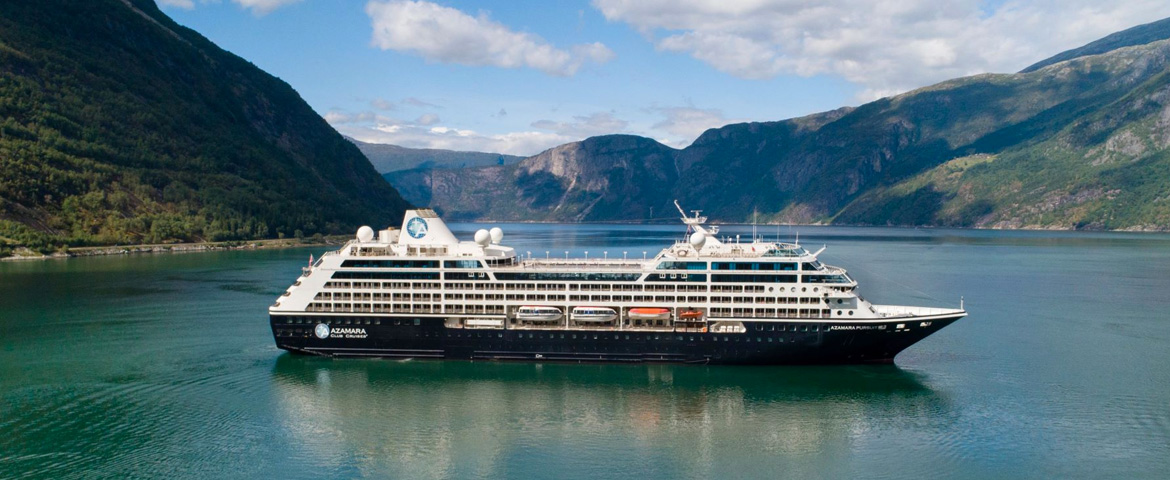
Azamara Club Cruises (16 Cruises)
Azamara Pursuit
16 Cruises

Crystal Cruises (12 Cruises)
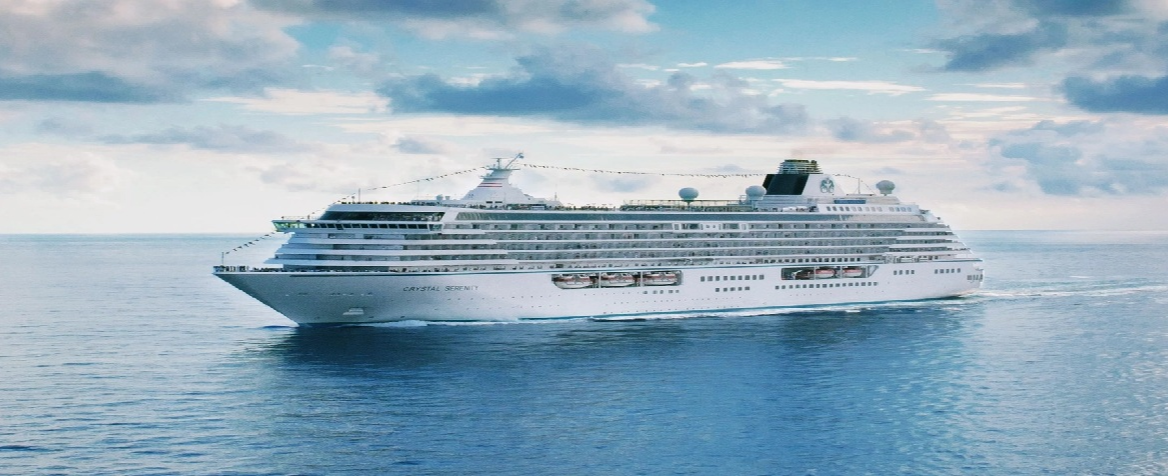
Crystal Serenity
5 Cruises

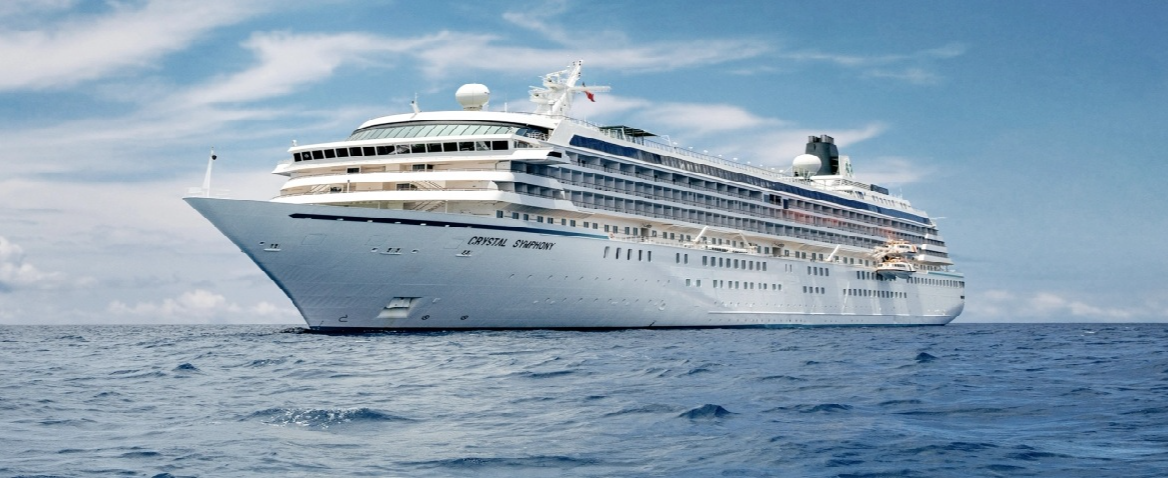
Crystal Symphony
7 Cruises
| 10 June | 34 days | One-way from Fort Lauderdale to Vancouver |
450-628-6241
Call us
|
| 25 June | 19 days | One-way from San Diego to Vancouver |
450-628-6241
Call us
|
| 3 July | 11 days | Round-trip from Vancouver, Canada |
450-628-6241
Call us
|
| 20 July | 8 days | One-way from Seward to Vancouver |
450-628-6241
Call us
|
Explora Journeys (5 Cruises)
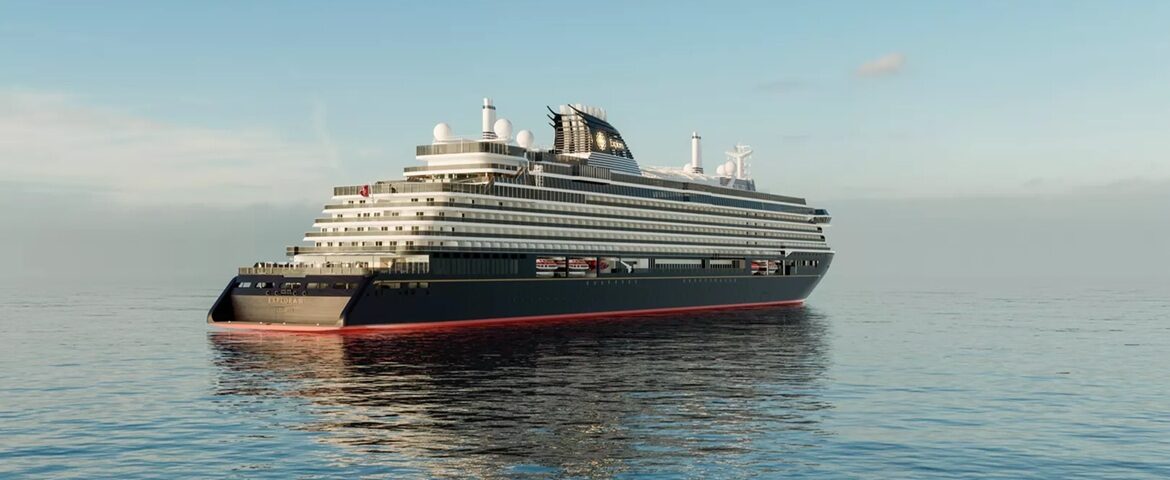
Explora III
5 Cruises

HX Expeditions (6 Cruises)
MS Roald Amundsen
6 Cruises
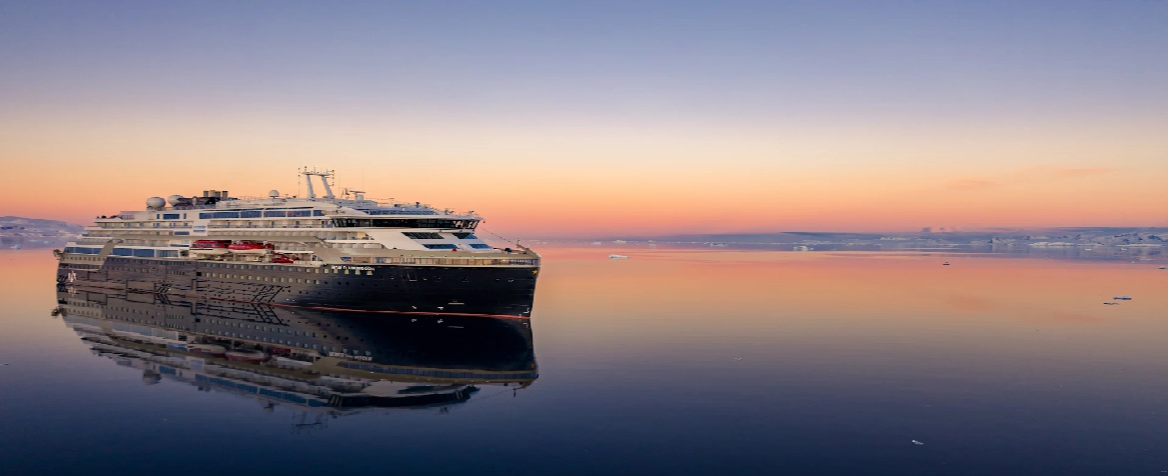

Oceania Cruises (7 Cruises)
Oceania Riviera
7 Cruises
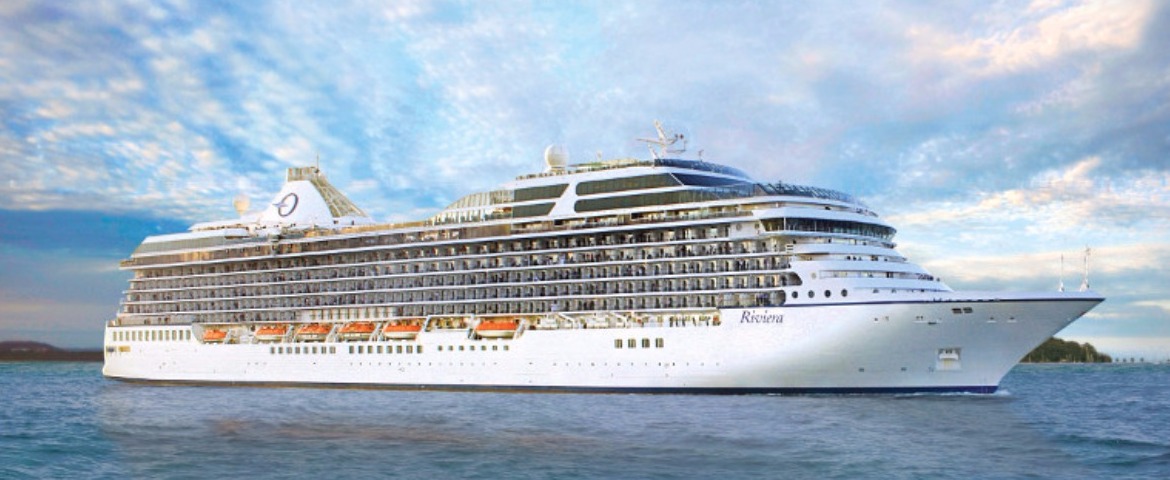

Regent Seven Seas Cruises (12 Cruises)
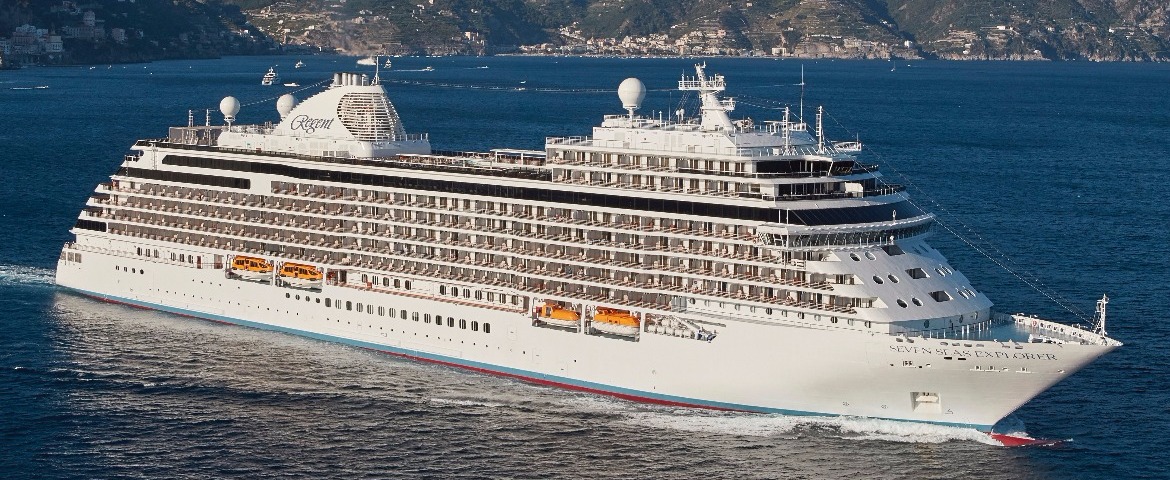
Seven Seas Explorer
12 Cruises

| 23 June | 8 days | One-way from Vancouver to Whittier |
450-628-6241
Call us
|
| 23 June | 7 days | One-way from Vancouver to Whittier Anchorage, AK |
450-628-6241
Call us
|
Seabourn Cruise Line (22 Cruises)
Seabourn Encore
22 Cruises

Silversea Cruises (25 Cruises)
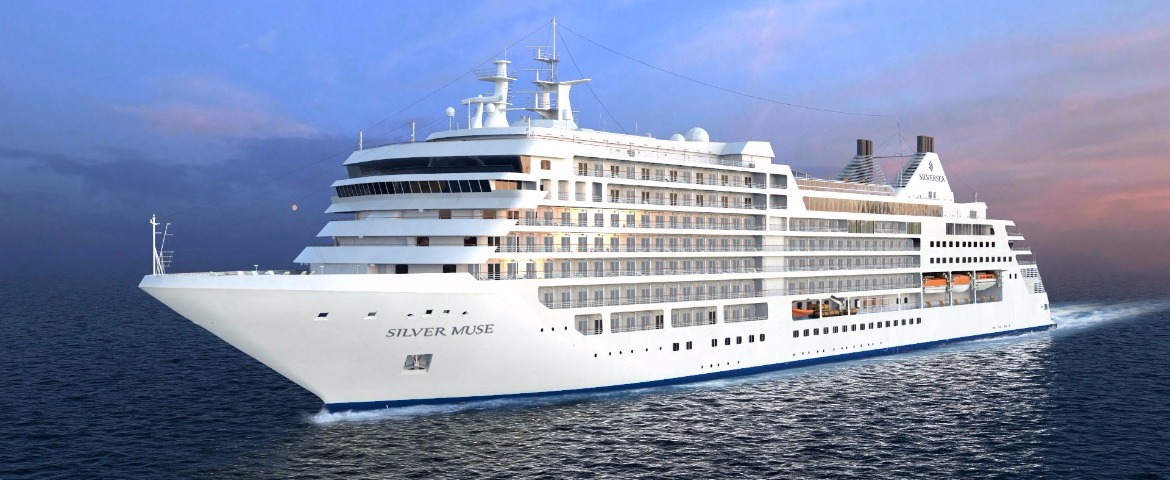
Silver Muse
14 Cruises

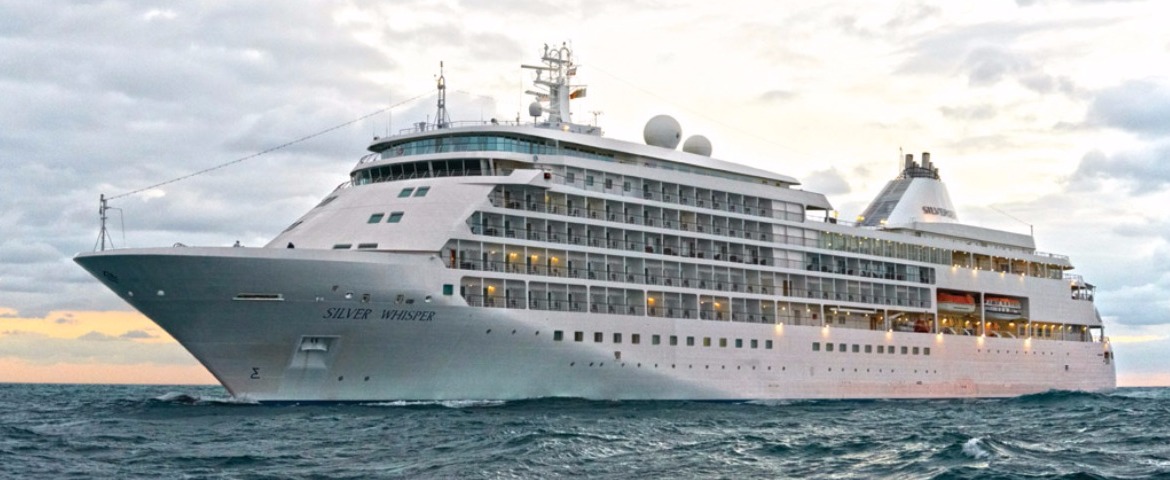
Silver Whisper
11 Cruises
| 27 May | 8 days | One-way from Seattle to Vancouver |
450-628-6241
Call us
|
| 27 May | 7 days | One-way from Seattle to Vancouver |
450-628-6241
Call us
|

Port of Klawock, Alaska | Cruise Port Guide
Frequently Asked Questions
At a dock built on a small island next to the village, on the west side of Prince of Wales Island. Shuttles link it to the houses on call days: the distance is short, but the crossing is necessary.
Only since 2023. It is Alaska's youngest cruise port, developed by Alaska Native corporations determined to open their territory on their own terms: few calls, small groups, and revenue that stays in the community.
The totem park first, then the carving shed, open to visitors on call days. Add the trail along the Klawock River if the salmon run is on, or a boat trip for humpback whales and sea otters in the nearby passages.
A knoll in the centre of town where 21 carved poles stand, one of Alaska's most significant collections. Several came from the old village of Tuxekan, moved and recarved over generations; others were raised recently at community pole-raising ceremonies.
Yes, and it is often the highlight of the day. The carving shed near the park opens regularly to visitors on call days: red cedar logs being roughed out, adzes, fragrant shavings. A master carver passes his craft to the village's young people there.
In summer, yes. The Klawock River, linking a large lake to the sea, sees tens of thousands of sockeye and coho salmon return each year, watched by bald eagles and, on occasion, black bears. A riverside trail lets you watch it in season.
Alaska's very first salmon cannery opened here in 1878. The community of about 800 has always lived by fishing, and that continuity is still legible on the docks and in the village's working buildings.
Yes, on a boat trip. Otters are especially numerous in this area and sometimes gather by the dozen in the kelp; humpback whales frequent the nearby passages. Bald eagles are present year-round around the fishing facilities.
Yes, for curious families rather than hurried ones. The totems, the salmon and the otters hold attention, and local guides tell the story well. Services are deliberately simple, though: a few shops, no large stores, no organized attractions.
Rain gear in every season: the rainforest lives up to its name. Bring US dollars in cash as well. Buy handicrafts directly from local carvers and artists — each purchase supports the village carving school.


