Jacksonville JAXPORT, Florida
290
Cruises availables
At departure or passage at this port
American Cruise Lines (102 Cruises)
American Eagle
62 Cruises
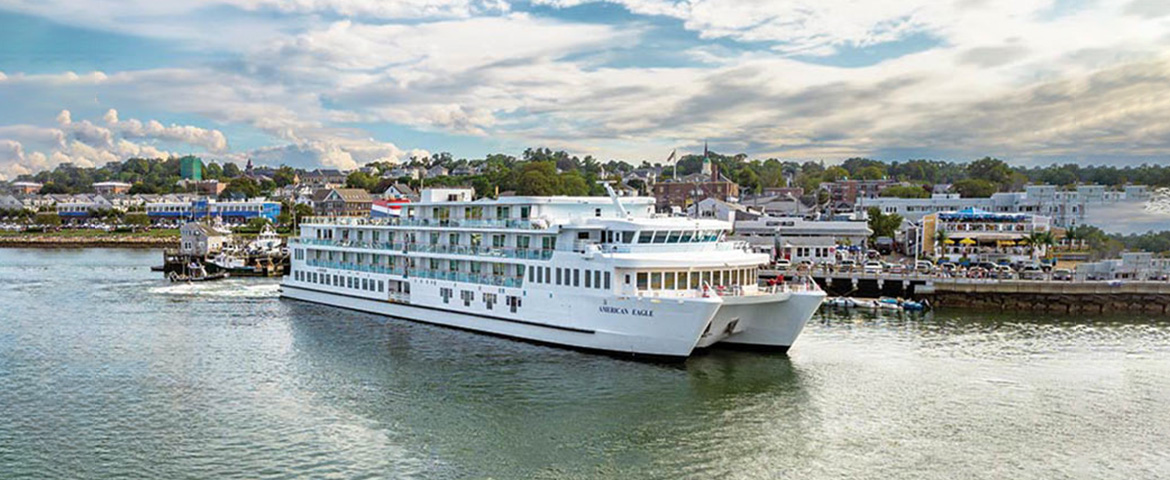

| 14 May | 9 days | Round-trip from Jacksonville, USA |
450-628-6241
Call us
|
| 15 May | 6 days | Round-trip 8 Night Great Rivers of Florida Cruise and Land Tour |
450-628-6241
Call us
|
| 12 May | 9 days | Round-trip from Jacksonville, USA |
450-628-6241
Call us
|
| 13 May | 6 days | Round-trip 8 Night Great Rivers of Florida Cruise and Land Tour |
450-628-6241
Call us
|
| 27 November | 9 days | Round-trip from Jacksonville, USA |
450-628-6241
Call us
|
| 28 November | 6 days | Round-trip 8 Night Great Rivers of Florida Cruise and Land Tour |
450-628-6241
Call us
|
| 12 May | 9 days | Round-trip from Jacksonville, USA |
450-628-6241
Call us
|
| 13 May | 6 days | Round-trip 8 Night Great Rivers of Florida Cruise and Land Tour |
450-628-6241
Call us
|
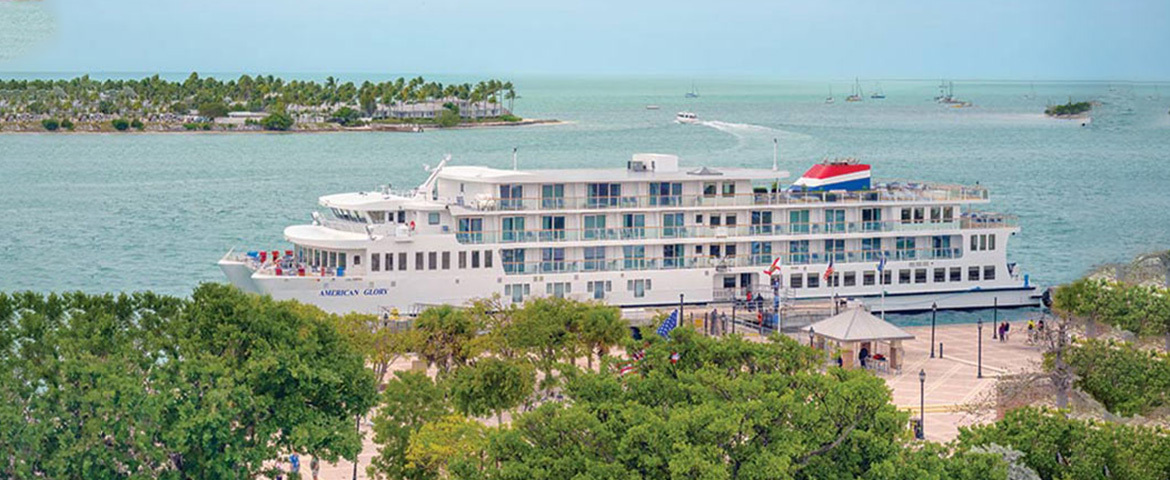
American Glory
16 Cruises
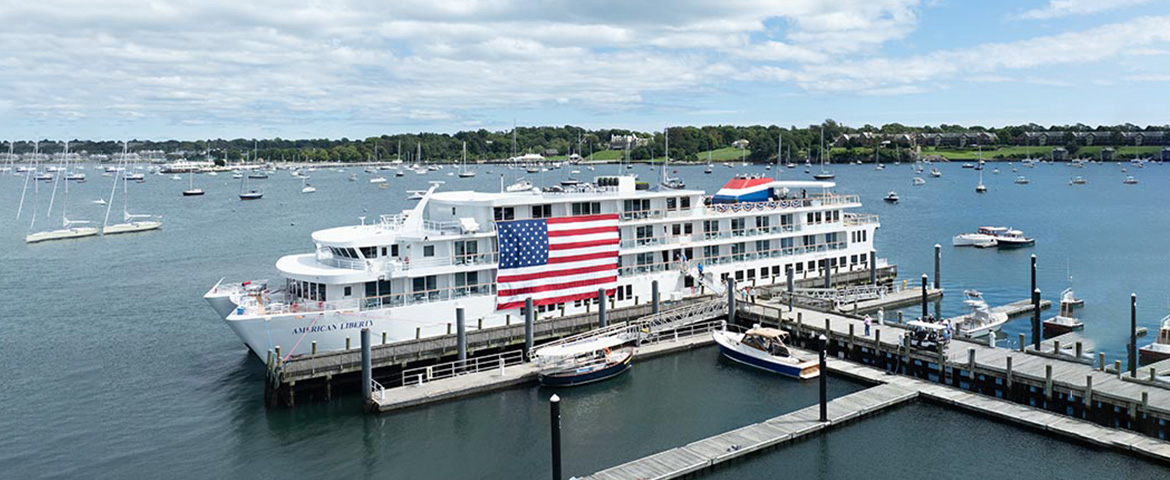
American Liberty
24 Cruises
| 11 February | 9 days | Round-trip from Jacksonville, USA |
450-628-6241
Call us
|
| 12 February | 6 days | Round-trip 8 Night Great Rivers of Florida Cruise and Land Tour |
450-628-6241
Call us
|
Carnival Cruise Line (114 Cruises)
Carnival Elation
114 Cruises

| 22 October | 5 days | Round-trip from Jacksonville, USA |
From
486$
|
| 26 October | 6 days | Round-trip from Jacksonville, USA |
From
438$
|
| 31 October | 6 days | Round-trip from Jacksonville, USA |
From
446$
|
Norwegian Cruise Line (74 Cruises)
Norwegian Dawn
64 Cruises

Norwegian Gem
5 Cruises



Port of Jacksonville | Cruise Port Guide
Frequently Asked Questions
At the JAXPORT cruise terminal on the St. Johns River, downstream from downtown. The ship comes up the river on arrival, beneath the great bridges: the terminal is not in town and transport is required.
No. The terminal sits in a port zone about twenty minutes' drive from downtown. Plan on a shuttle, taxi or excursion.
A founding and little-known one: French Huguenots established Fort Caroline here in 1564, one of the earliest European attempts at settlement in North America. A memorial recreates the fort, 10 to 15 minutes from the terminal.
Fort Caroline and the Timucuan preserve, both close to the terminal, then downtown and its riverwalks. The Atlantic beaches call for a longer port day.
An ecological and historic preserve protecting salt marsh, creeks and coastal forest near the mouth of the St. Johns River. It carries the name of the Indigenous people who lived there before Europeans arrived.
An art museum upriver from downtown, pairing European and American collections with gardens that run down to the water. It is the city's most agreeable cultural address.
Yes, about thirty minutes east: Jacksonville Beach, Neptune Beach and Atlantic Beach line the ocean. The sand is wide and firm, with lifeguards in season.
The US dollar and English. Credit cards are accepted everywhere and tipping is expected in restaurants and taxis.
November to April: dry weather, mild warmth, bearable humidity. Summer is hot and stormy, and hurricane season runs June through November on Florida's Atlantic coast.
Yes, if you aim outdoors. The reconstructed Fort Caroline works well with children, and the Atlantic beaches round out the day on a longer call.


