Newcastle upon Tyne England
United Kingdom
76
Cruises availables
At departure or passage at this port
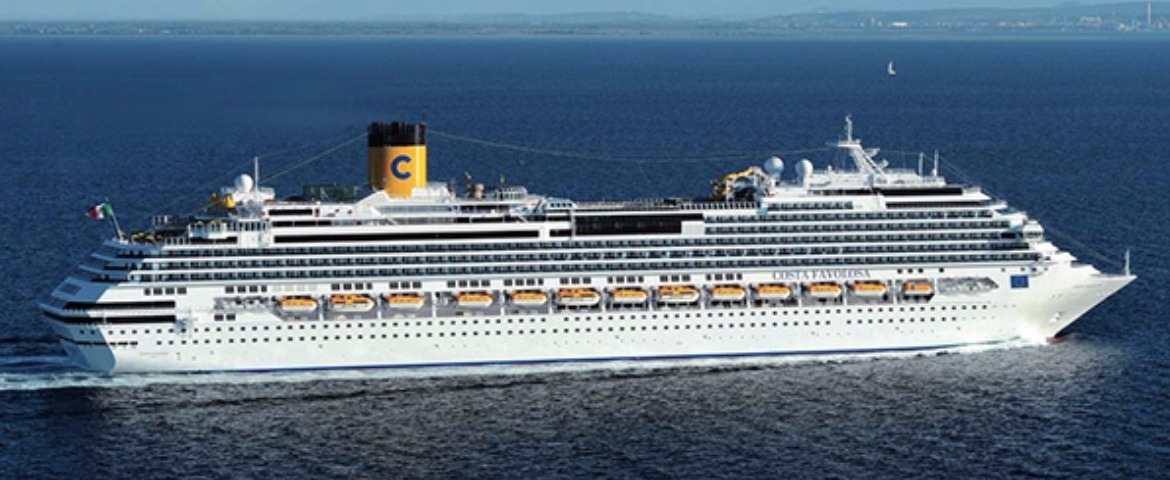
Costa Cruises (3 Cruises)

Crystal Cruises (7 Cruises)
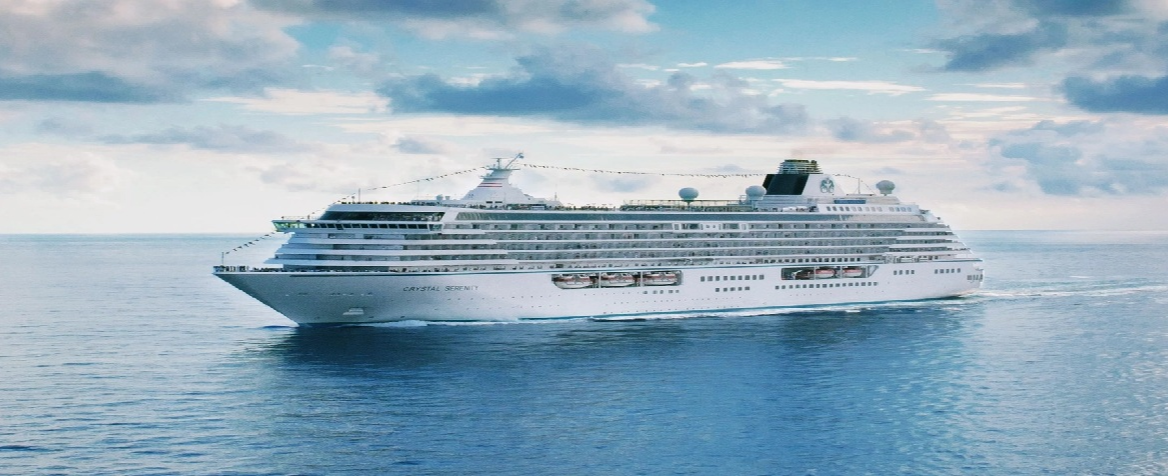

Crystal Symphony
6 Cruises
Norwegian Cruise Line (6 Cruises)
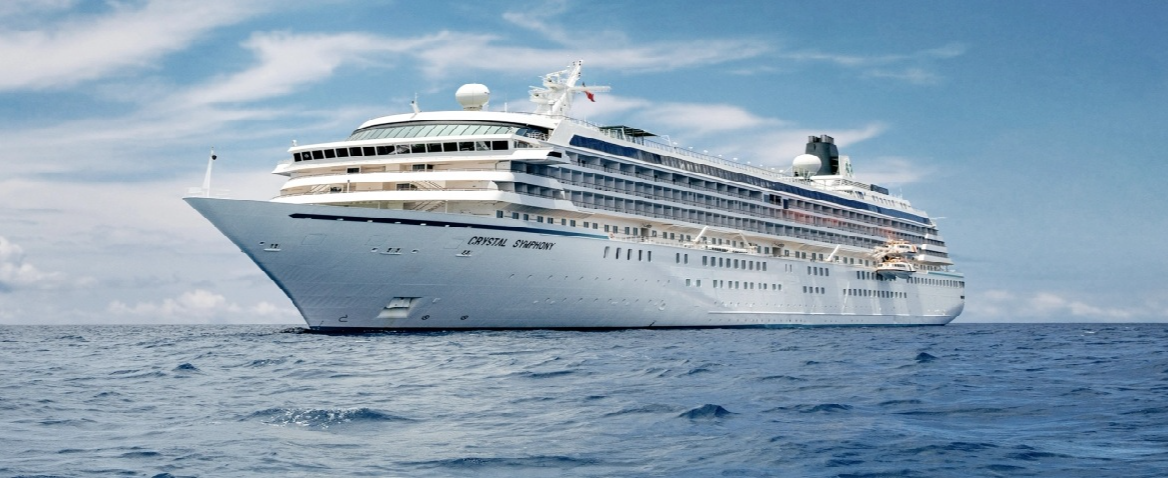
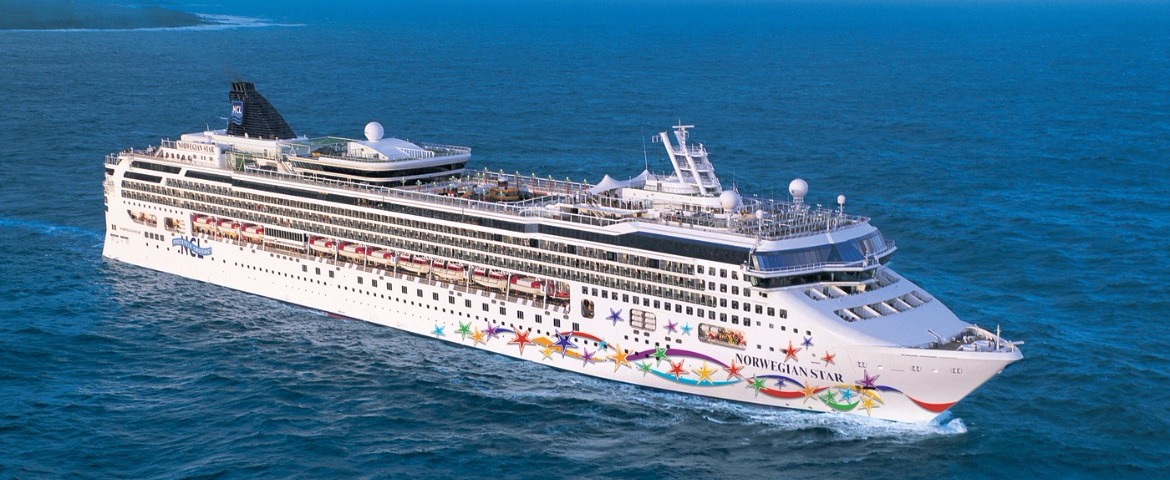
Norwegian Star
6 Cruises

| 13 June | 12 days | Round-trip from Southampton, United Kingdom |
450-628-6241
Call us
|
| 13 June | 11 days | Round-trip British Isles Norwegian Star Southampton |
From
2114$
|
Oceania Cruises (23 Cruises)
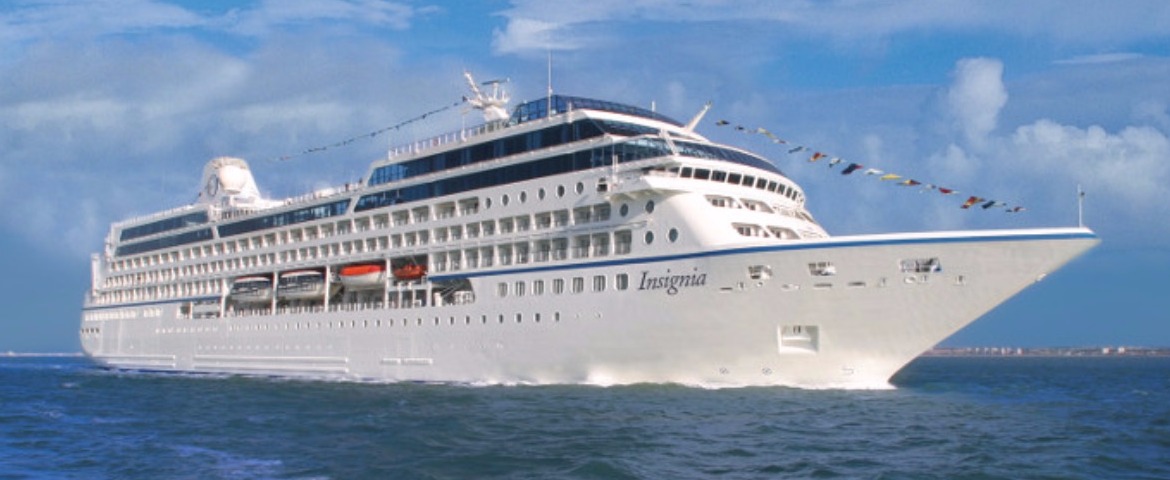

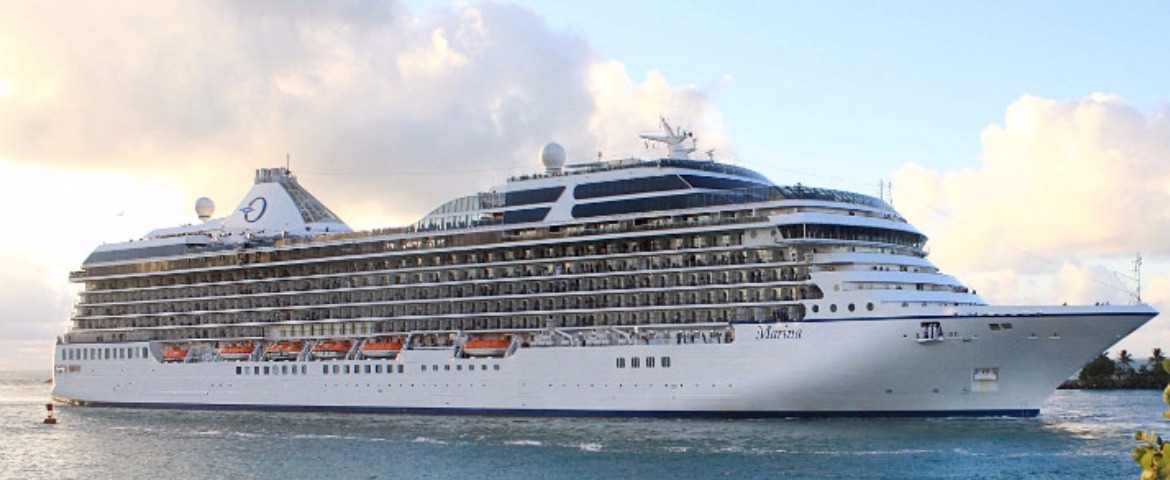
Oceania Marina
11 Cruises
| 17 April | 67 days | One-way from Trieste to Southampton |
450-628-6241
Call us
|
| 17 April | 66 days | One-way from Trieste to Southampton |
450-628-6241
Call us
|
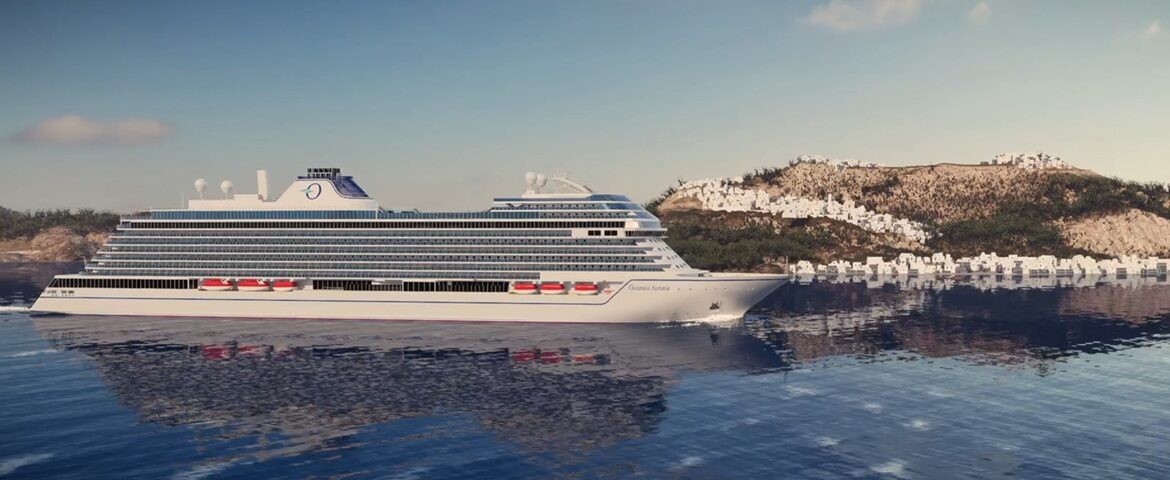
Oceania Sonata
10 Cruises
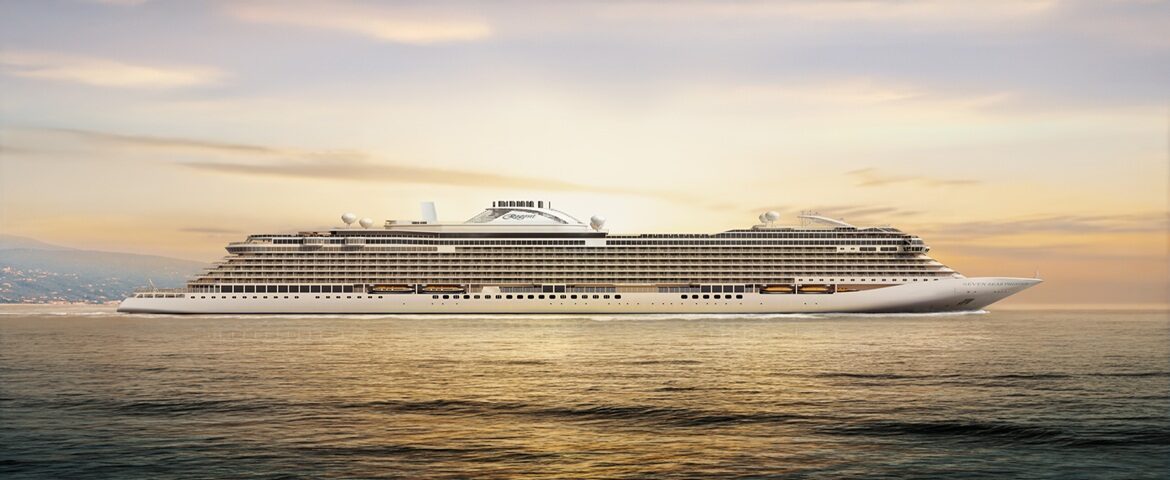
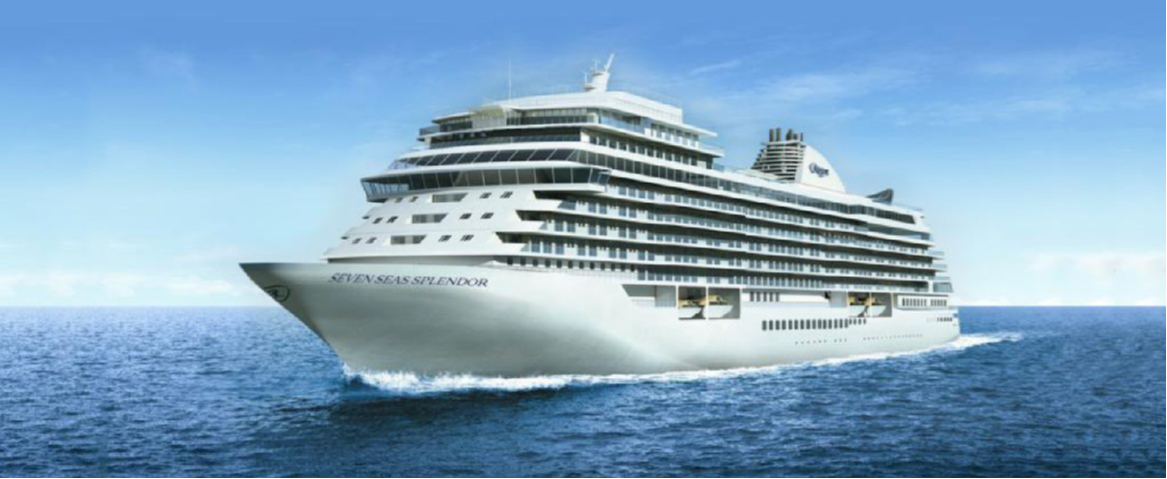
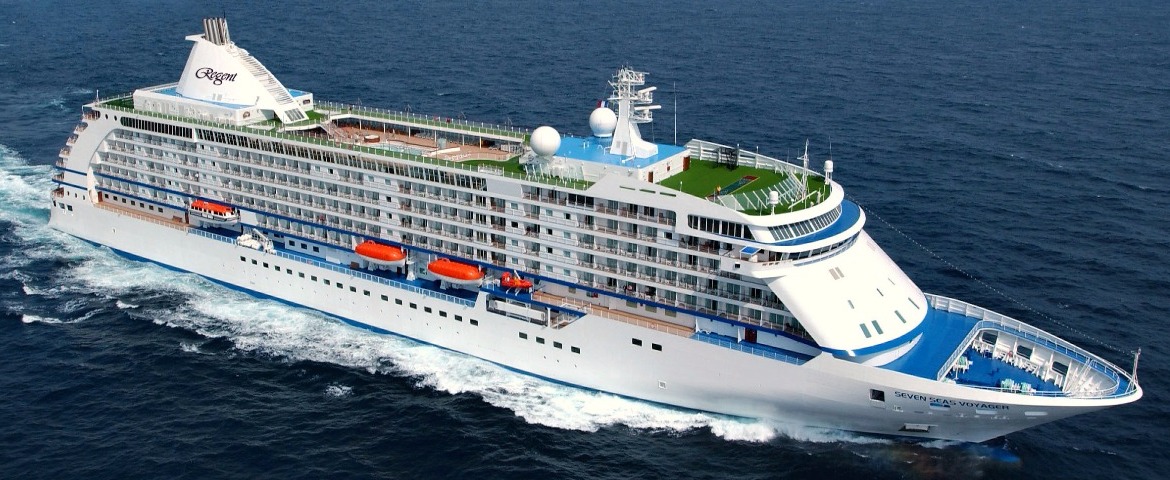
Regent Seven Seas Cruises (14 Cruises)
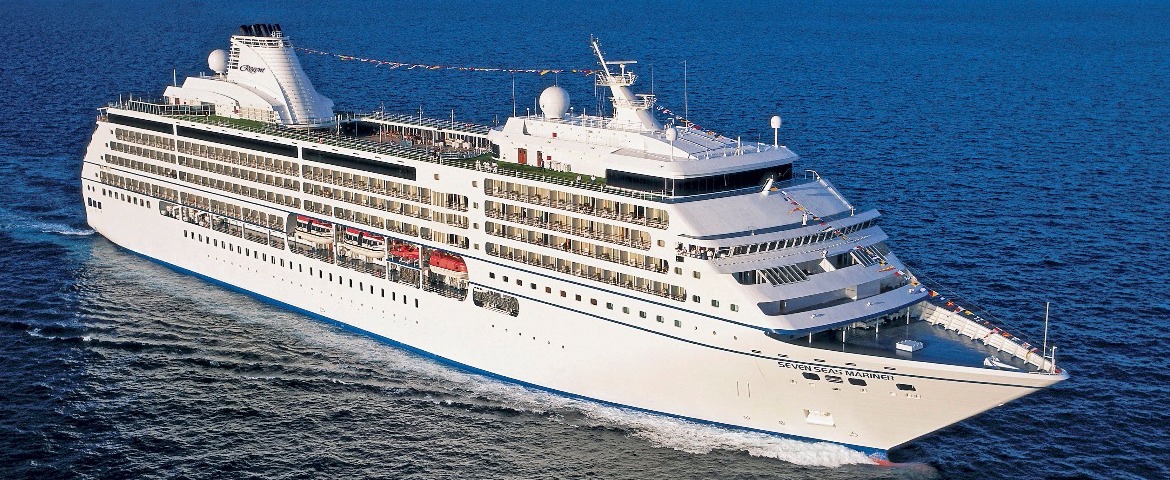
Seven Seas Mariner
5 Cruises

Uniworld Boutique River Cruise (23 Cruises)
S.S. Joie de Vivre
23 Cruises


| 16 April | 16 days | One-way from Leith-Edinburgh to Paris City |
450-628-6241
Call us
|
| 16 April | 17 days | One-way from Leith-Edinburgh to Paris City |
450-628-6241
Call us
|
| 14 May | 17 days | One-way from Leith-Edinburgh to Paris City |
450-628-6241
Call us
|
| 14 May | 16 days | One-way from Leith-Edinburgh to Paris City |
450-628-6241
Call us
|

Newcastle upon Tyne, England | Cruise Port Guide
Frequently Asked Questions
At the international terminal at North Shields, about 13 kilometres downstream from the city centre. Shuttles and taxis cover the trip in roughly half an hour, and the Metro serves the city from Percy Main station, walkable from the cruise berths.
The Quayside first: the riverbanks line up cafés, restaurants and historic buildings beneath the bridges. Walk across the Millennium Bridge to Gateshead, then head up to the castle and Grainger Town. Allow an hour of travel there and back in your planning.
Seven bridges cross the Tyne within a very short stretch, from the arched green deck of the Tyne Bridge to the tilting arch of the Millennium Bridge, which pivots to let boats through. That collection sums up the city better than any single monument.
The best view of both banks. Pedestrian and cycle only, it faces Gateshead, where the former Baltic flour mill, now a contemporary art centre, stands beside the curving glass of the Sage concert hall.
From the new castle built by the Normans in the 11th century. Its stone keep still watches over the river, wedged between the railway arches. It is the natural starting point for heading up into the historic centre.
One of the finest neoclassical quarters in England, up from the river towards the centre. The elegant curve of Grey Street, regularly named among the country's most beautiful streets, descends between Victorian columns and pediments to the monument to Earl Grey.
The Great North Museum brings together natural history, antiquities and a section on Hadrian's Wall, which ran through the region. The Discovery Museum celebrates local industrial genius, turbines and ships above all.
Yes, but be clear-eyed about the time. An hour of travel there and back on a four-hour call does not leave much. If your call is short, concentrate on the Quayside and the bridges and let the rest go.
Yes. The Quayside is flat, lively and free of heavy traffic, crossing the Millennium Bridge is fun, and the Discovery Museum appeals strongly to children with its machines and ships. Most British museums are free.
Pound sterling and English, in the Geordie accent, one of the strongest in England. Cards are accepted everywhere, including on the Metro and buses.


