Fair Isle Shetland Scotland
United Kingdom

43 Cruises availables At departure or passage at this port

Seabourn Cruise Line (29 Cruises)

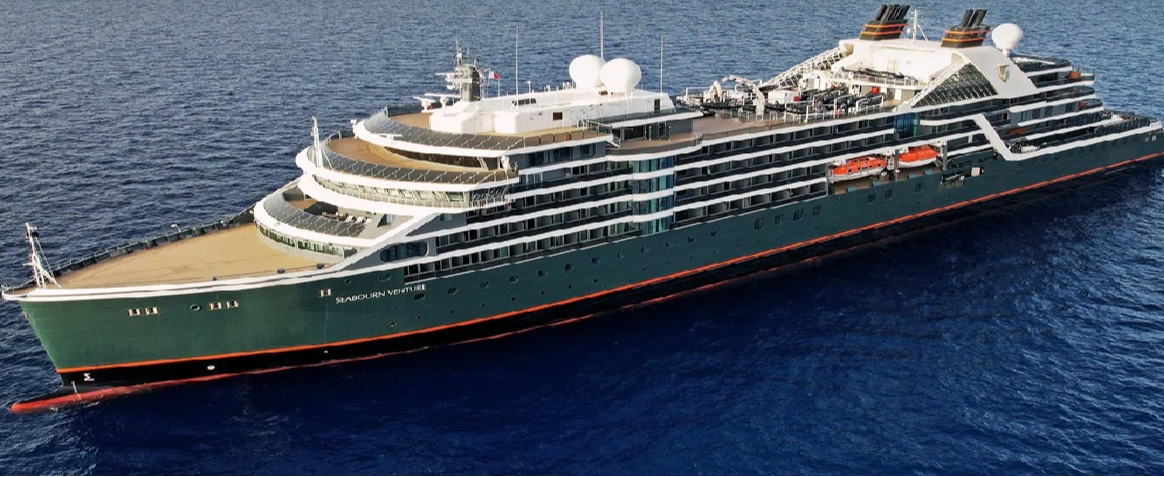
Seabourn Venture

Seabourn Venture

Visit the ship's page

Fair Isle, Scotland | Cruise Port Guide

Halfway between Orkney and Shetland, an island five kilometres by three rises out of the choppy waters of the North Atlantic. Fair Isle is the most remote inhabited island in Britain: about sixty residents, a lighthouse at each end, cliffs covered in birds, and a name knitters around the world say with real respect. Expedition ships approaching it launch their tenders only when the swell allows, and that simple fact alone tells you everything about the character of this stop.

A Landing Worth Earning

There's no terminal here. Zodiacs drop passengers at the North Haven cove, where the Good Shepherd, the small ferry linking the island to Shetland, also docks. From your first steps ashore, the scenery takes hold: closely cropped grassy slopes, low stone walls, sheep everywhere, and the constant cry of seabirds carried on the wind. The weather decides everything here; when it cooperates, the island reveals itself with striking clarity, every detail sharply cut out against the light.

A Birdwatcher's Paradise

Fair Isle holds a special place in European ornithology. Sitting on a major migration route, it sees rare species pass through each spring and fall, arriving from as far as Siberia or the Americas, drawing dedicated birdwatchers here for decades. The bird observatory, rebuilt and reopened in 2024 after a 2019 fire, continues scientific work that began in 1948. Its staff readily welcome visitors and share the day's sightings.

In summer, the cliffs turn into cities of birds. Puffins nest by the thousand on the grassy slopes, the areas around Buness and Skroo rank among the best viewing spots, while gannets, guillemots, razorbills, and fulmars occupy the ledges. Sitting at a respectful distance and watching puffins land clumsily, beaks full of sand eels, beats any organized show.

The Knitting That Travelled the World

The island's name also describes a technique: the multicoloured patterned knitting developed here in the nineteenth century, popularized in the 1920s, and copied ever since on every continent. A handful of knitters still carry on the tradition here, and the pieces they produce, hats, gloves, sweaters in banded patterns, are sometimes ordered years in advance. Workshops open depending on ship arrivals; buying a piece here means going home with something handmade in one of the most remote communities in Europe.

Walking Through a World Unto Itself

A few hours are enough to cover the essentials on foot. The island's single road crosses the crofts in the south, where the population lives, passes the chapel and the school, and climbs toward the heights in the north. The contrast between the cultivated lowlands and the moorland above turns the walk into a kind of miniature continental crossing. From the ridges, the view stretches all the way to the cliffs of Sheep Rock, a dramatic headland where sheep were once hauled up by rope.

Stop at a Glance

  • Landing by small boat, weather-dependent; waterproof footwear recommended.
  • No major shops: the community store and craft workshops are the only places to buy anything.
  • Keep a respectful distance from nesting birds and stay on marked trails.
  • The wind is a constant companion; a windproof layer is a must even on a fine day.

Few stops leave such a clear feeling of having reached the edge of something. Fair Isle lives at its own pace, shaped by bird migrations, the crossings of the Good Shepherd, and the knitting needles of its craftswomen. As the ship departs and the island fades back into a dark line on the horizon, everyone carries with them the memory of what sixty people have built out there, in the middle of the sea.

Frequently Asked Questions

By inflatable boat, into the cove at North Haven, where the Good Shepherd — the small ferry linking the island to Shetland — also lands. There is no terminal and no berth for cruise ships. Landing depends entirely on the swell: the weather decides, not the timetable.
Halfway between Orkney and Shetland, in the North Atlantic. The island measures five kilometres by three, carries a lighthouse at each end and has around sixty residents. It is the most isolated inhabited island in Britain.
Walk, and watch birds. The single road crosses the southern crofts, passes the chapel and the school, then climbs to the northern moorland. From the ridges the view reaches the cliffs of Sheep Rock. A few hours on foot cover the essentials.
Because it sits on a major migration route and sees rare species from Siberia and North America pass through in spring and autumn. The bird observatory, reopened in 2024 after the 2019 fire, continues scientific work begun in 1948, and its residents happily share the day's sightings.
On the grassy cliff slopes, where thousands nest in summer. Buness and Skroo are among the best vantage points. Gannets, guillemots, razorbills and fulmars occupy the neighbouring ledges. Keep a respectful distance and stay on the marked paths.
Yes. The multicoloured banded patterning was developed on the island in the nineteenth century and popularised in the 1920s. A few knitters keep the tradition alive, and their pieces are sometimes ordered years ahead. Workshops open according to ship arrivals, with no guarantee.
Almost none. The community shop and the craft workshops are the only places to buy anything, and you should not count on restaurants or tourist services. Bring water and something to eat from the ship.
For families with teenagers who enjoy walking, yes. The inflatable landing, the absence of shops and public facilities and the uneven ground make it a poor fit for young children or anyone with reduced mobility. This is an expedition call, not a day in town.
Pounds sterling and English. Card payment works at the community shop, but mobile coverage is patchy: carrying a little cash avoids disappointment in front of a piece of knitwear you would like to take home.
Late May to early August, when the seabird colonies are full and the puffins are nesting. That is also when the sea most often allows a landing. Wind is a constant companion, so a windproof layer and waterproof footwear are needed even in fine weather.