Karlskrona Sweden
Sweden

87 Cruises availables At departure or passage at this port

Viking Ocean Cruises (51 Cruises)

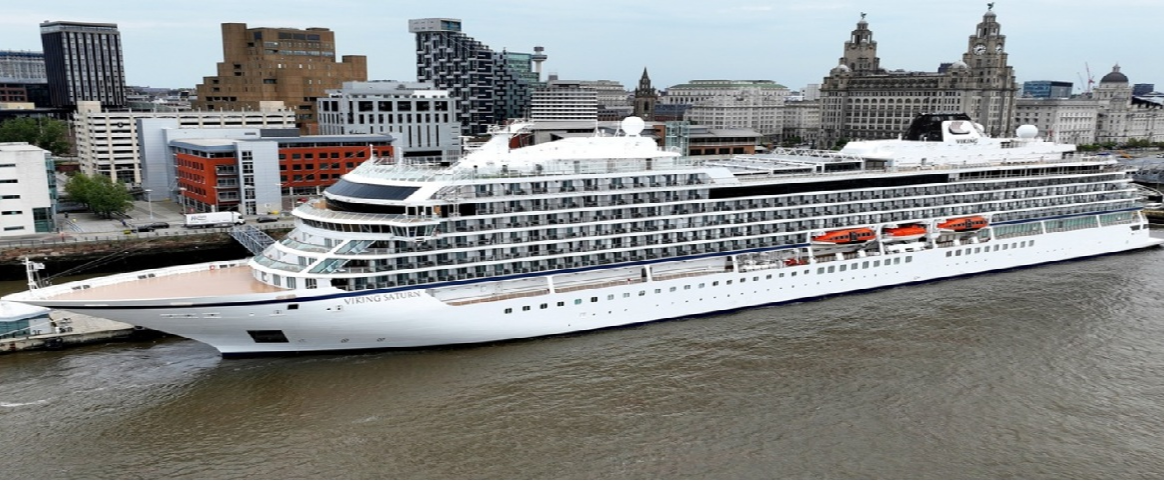
Viking Saturn.

Viking Saturn

Visit the ship's page

Port of Karlskrona, Sweden | Cruise Port Guide

Karlskrona was born of a royal decision and a plan drawn with a ruler. In 1680, King Karl XI chose this archipelago in Blekinge, in Sweden's far south, to establish the base of his war fleet, and had a brand-new town laid out with broad avenues and outsized squares, spread across some thirty islands. Three centuries later, UNESCO listed this naval port as a World Heritage Site, and the Swedish navy still calls it home today. Cruise ships dock either near downtown, from where everything is within walking distance, or at the Verkö terminal, about ten kilometres away, connected by shuttle.

Stortorget, a Square Fit for a King

The heart of the town beats on Stortorget, one of the largest squares in Northern Europe, set atop the main island. Two baroque churches face each other here, the twin-towered Fredrikskyrkan and the round-domed Trinity Church, framing the statue of the founding king. The sheer scale of the place is surprising for a town this size; it speaks to the ambition of a Sweden that, at the time, ruled the Baltic. The cafés lining it make it easy to take in the full measure of the square from a terrace, coffee and a bun in hand.

The Marinmuseum, Flagship of the Stop

On the island of Stumholmen, a fifteen-minute walk from downtown, Sweden's Naval Museum lines up its collections facing the sea: monumental figureheads, models, cannons, and, the highlight of the visit, an intact 1960s submarine that visitors can walk through from bow to stern, amid the smell of metal and oil from the depths. An underwater gallery even lets visitors observe an old wreck resting in its element. Allow a good two hours, more with children, who generally come out thoroughly won over.

Strolling the Grid-Planned Town

Between the square and the docks, the straight streets reveal a surprisingly varied heritage: ochre wooden houses in the old outer districts, admiralty buildings, the maritime gate through which crews once passed. The Admiralty Church, one of the largest wooden churches in Sweden, is worth the detour; in front of its doorway, the statue of old Rosenbom holds out his hat to passersby, an almsgiving tradition turned municipal mascot thanks to a famous tale. Distances stay short and the terrain is perfectly flat. Heading back down to the water via Kungsbron, the walk runs past the basins where grey navy patrol boats and pleasure sailboats lie at anchor side by side, the perfect summary of the place.

The Blekinge Archipelago

In fine weather, boat tours run one- to two-hour circuits among the islands and islets protecting the harbour, past stone forts, boathouses, and island villages. It's the angle missing from land: Karlskrona was designed from the sea, for the sea, and it's from the sea that it's best understood. Photography enthusiasts gain, as a bonus, the finest overall view of the town's tiered districts.

Quick Reference

  • Docking downtown: main attractions within a 1.5-kilometre walk.
  • Docking at Verkö: allow about twenty minutes by shuttle to reach downtown.
  • The Marinmuseum and Stortorget form the essential pairing for a half-day stop.

Setting Sail from the Royal Harbour

On departure, the ship slips out between the fortified islands through the very channel the king's squadrons once used, and the town recedes in the perfect order its founders intended. Karlskrona leaves behind the memory of a clear, well-structured stop, true to its layout: an immense square, a submarine, baroque churches, and the salt of the Baltic. There are towns you leave already thinking of the next one; this is one you leave looking back.

Frequently Asked Questions

Either near the centre, in which case everything is walkable within a kilometre and a half, or at the Verkö terminal about ten kilometres out, with shuttles into town — roughly a twenty-minute ride. The daily programme confirms the berth before arrival.
Because it is a baroque naval port preserved almost intact. In 1680 King Karl XI chose this Blekinge archipelago as the base for his war fleet and had a new city laid out with broad avenues and outsized squares, spread across some thirty islands. The Swedish navy is still based here.
Its size: one of the largest squares in northern Europe, set at the top of the main island. Two baroque churches face each other — twin-towered Fredrikskyrkan and the domed Holy Trinity — on either side of the founding king’s statue. The scale is startling in a town this size.
The collections of Sweden’s naval museum, facing the sea on the island of Stumholmen: monumental figureheads, models, guns and above all a 1960s submarine preserved intact, which you walk through from bow to stern. An underwater gallery even lets you look at an old wreck resting in its element.
A good two hours, more with children — it is usually their favourite part of the day. The museum is a fifteen-minute walk from the centre.
The Marinmuseum and Stortorget are the essential pairing for a half-day. Between them, the straight streets reveal ochre wooden houses, admiralty buildings and the sea gate the crews once passed through. The ground is perfectly flat and distances are short.
A statue holding out his hat to passers-by, the remnant of an almsgiving tradition that became the town mascot thanks to a famous tale. He stands in front of the Admiralty Church, one of the largest wooden churches in Sweden and worth seeing in its own right.
Yes, in good weather: launches run one- to two-hour circuits among the islands and skerries that shelter the roadstead, past stone forts, boathouses and island villages. It is the perspective you cannot get ashore — Karlskrona was conceived from the sea, and from the sea it makes the most sense.
Very much so. The Marinmuseum submarine is walked through end to end, distances are short, the ground is flat and the town is in no way overwhelming. The Rosenbom statue and its hat amuse younger visitors too.
The ship slips between fortified islands along the very channel the king’s squadrons used, and the town recedes in the perfect order its founders intended. This is a departure worth watching from the deck rather than the cabin.