Ferrol Spain Galicia

17 Cruises availables At departure or passage at this port

Ferrol Spain | Galicia Atlantic Cruise Port Travel Guide

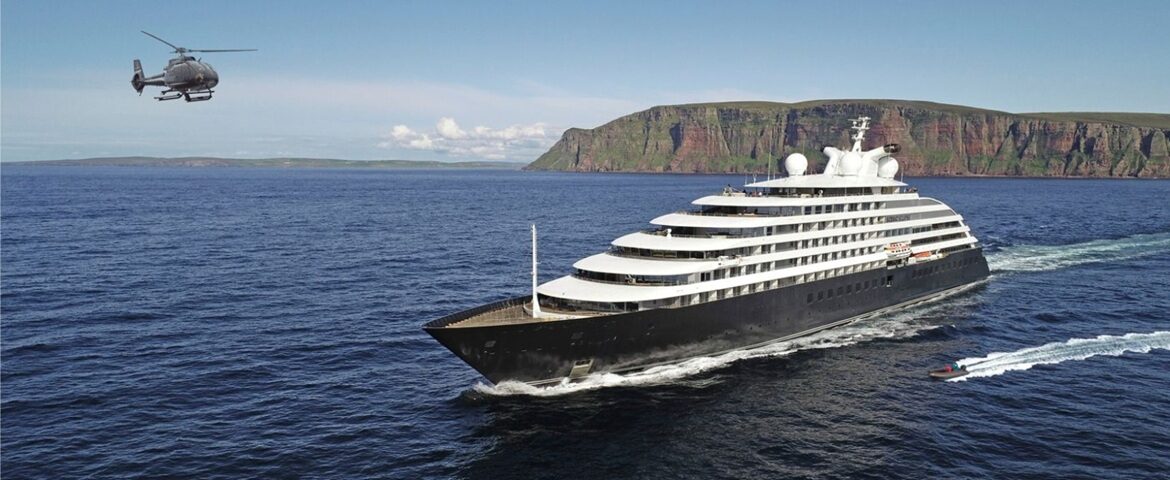
The ria of Ferrol has to be earned. The ship slips in through a narrow strait guarded by old coastal batteries, and then the harbour opens up, calm and deep, ringed by green hills. That difficult entrance explains everything else: the Spanish navy chose this natural refuge in the 18th century as the site for its great Atlantic arsenal, and the city around it still bears the mark of that military and maritime calling.

A Landing at the Heart of the Old Quarter

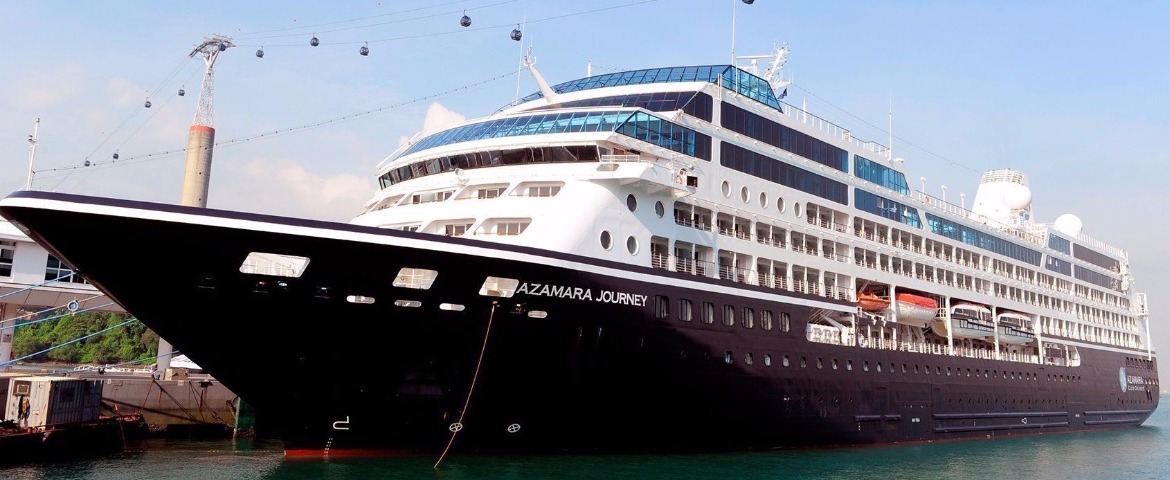
The ship docks at the Curuxeiras quay, with no shuttle or tender required: the gangway leads straight into Ferrol Vello, the city's oldest core. The terraces along the marina line up just a few metres away, and the centre is reachable on foot in under ten minutes. Few stops on the Spanish Atlantic coast offer as simple an arrival: step off, walk, and you're there.

La Magdalena, a Grid Drawn by the Enlightenment

Heading up toward the centre, visitors enter the Magdalena quarter, laid out with ruler-straight precision in the 18th century according to the rational ideas of the era: parallel streets, façades fitted with white glazed galleries, regular sightlines. This grid layout comes as a surprise in a region where old towns usually wind at random. It's a pleasant place to wander among shops, cafés, and small squares, all the way to the San Julián co-cathedral, whose neoclassical façade sums up the elegant restraint of the place. Walking enthusiasts can also spot the first waymarkers of the Camino Inglés here: Ferrol is the traditional starting point for this pilgrimage route to Santiago de Compostela.

The Arsenal and Naval Memory

There's no understanding this harbour without its arsenal. The vast 18th-century military complex still lines the waterfront, and two museums tell its story: the Museo Naval, devoted to centuries of the Spanish navy, and the Exponav, dedicated to shipbuilding. Ship models, navigational instruments, hull plans: together they trace the skill of a region that launched vessels for three hundred years. Visiting both collections easily fills half a day for enthusiasts, or a rewarding hour for the curious.

Excursions into Deep Galicia

Those who prefer to widen the horizon have fine options within a reasonable range. The Fragas do Eume Natural Park protects one of the last Atlantic forests in Europe: shaded trails, a deep river gorge, and, hidden beneath the vegetation, a Benedictine monastery founded in the 10th century. To the south, A Coruña lines its glazed galleries around the Tower of Hercules, a lighthouse of Roman origin listed as a UNESCO World Heritage Site. The small medieval town of Betanzos, with its Gothic churches and old squares, rounds out the trio of classic day trips.

Galician Cuisine, Straight Up

The way back to the quay often runs through a good meal. Galicia is best tasted simply: octopus Galician-style dusted with paprika, golden empanadas, Neda bread, local cheeses. The ingredients come from the nearby sea and surrounding countryside, and dishes are shared, Spanish-style, over a glass of the region's white wine.

Before Casting Off

Late in the day, from the deck, the harbour takes on a soft light that local sailors know well. Ferrol doesn't try to dazzle: it quietly tells the story of three centuries of shipbuilding, departures, and returns. You leave this inlet of Galicia with the sense of having understood something of Spain's Atlantic character, that blend of military rigour and green gentleness unlike any other coast in the country.

Frequently Asked Questions

At the Curuxeiras quay, with no shuttle or tender. The gangway leads straight into Ferrol Vello, the oldest part of town, and the centre is under ten minutes on foot.
Yes. The ship threads a narrow gap guarded by old coastal batteries, then the anchorage opens out, calm and deep, ringed by green hills. That difficult entrance is exactly why the Spanish navy built its great Atlantic arsenal here in the eighteenth century.
Walk the Magdalena quarter, see the San Julián co-cathedral, then visit one of the two naval museums. None of it needs transport, and there is still time for a Galician meal before you head back aboard.
A grid laid out with a ruler in the eighteenth century along Enlightenment lines: parallel streets, white glazed galleries, regular sightlines. It is a surprise in Galicia, where old towns usually wander as they please.
The Museo Naval, covering centuries of the Spanish navy, and Exponav, devoted to shipbuilding. Models, navigation instruments, hull plans. Allow an hour to skim both, half a day if the subject grips you.
Yes, both are within reasonable reach for a day. The Fragas do Eume protect one of Europe's last Atlantic forests, with a tenth-century Benedictine monastery hidden in the greenery. A Coruña offers its glazed galleries and the Tower of Hercules, a Roman-era lighthouse on the UNESCO list.
Yes, the Camino Inglés. The first waymarkers are in the town centre: this is the traditional start of the route once used by pilgrims arriving from the British Isles.
Galician-style octopus dusted with paprika, golden empanadas, Neda bread, local cheeses. Portions are meant for sharing, Spanish style, with a glass of regional white.
Yes, mainly because you step off and walk: no tender, no queue. The ship models in the naval museums hold children's attention, and the marina right in front of the quay makes an easy stroll.
The euro; Spanish and Galician are both spoken. Cards are accepted everywhere. June to September for the mildest weather, bearing in mind that Galicia is green because it rains — a light waterproof earns its place.