Jeddah Saudi Arabia, Mecca
Saudi Arabia
86
Cruises availables
At departure or passage at this port
Crystal Cruises (7 Cruises)
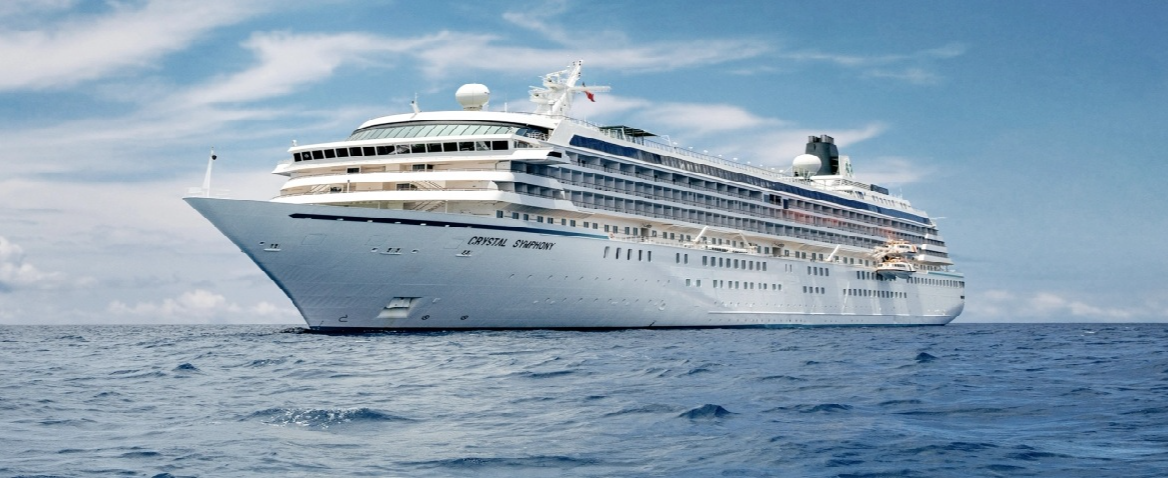
Crystal Symphony
7 Cruises

| 11 January | 151 days | Round-trip 150 Night Roundtrip Fort Lauderdale Cruise |
450-628-6241
Call us
|
| 11 January | 137 days | One-way from Fort Lauderdale to Barcelona |
450-628-6241
Call us
|
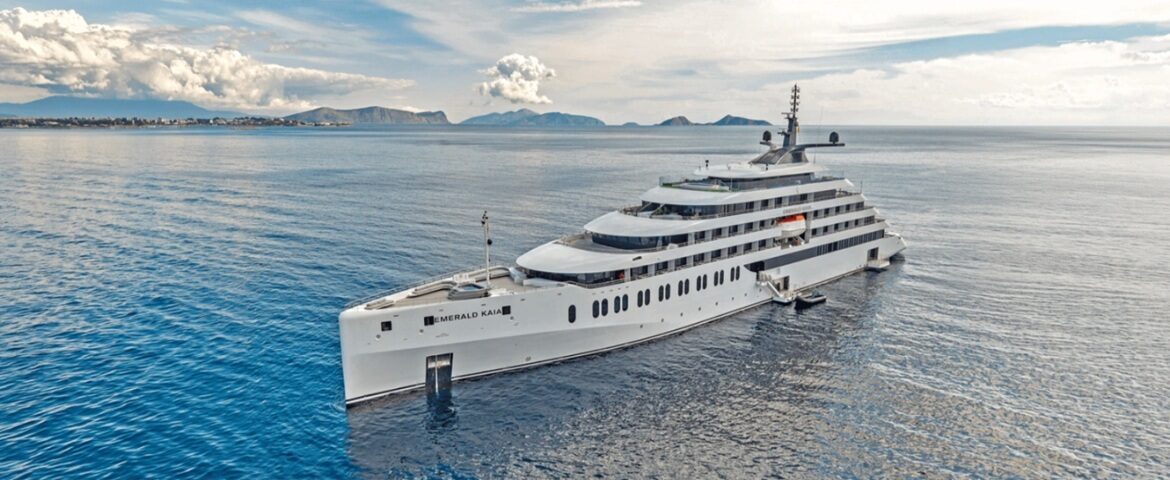
Emerald Waterways (4 Cruises)

Explora Journeys (29 Cruises)
Explora I
13 Cruises
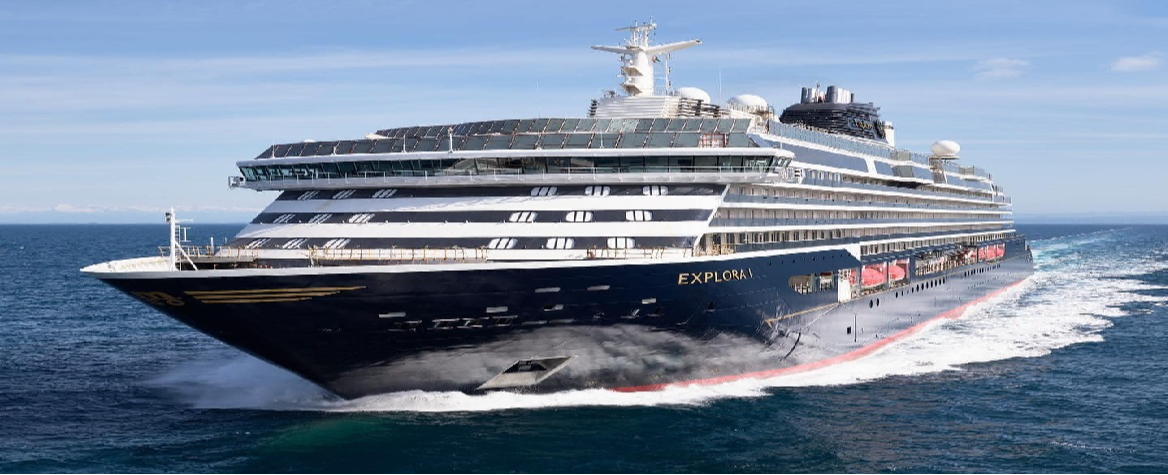

Explora V
16 Cruises

Norwegian Cruise Line (2 Cruises)


Oceania Cruises (30 Cruises)
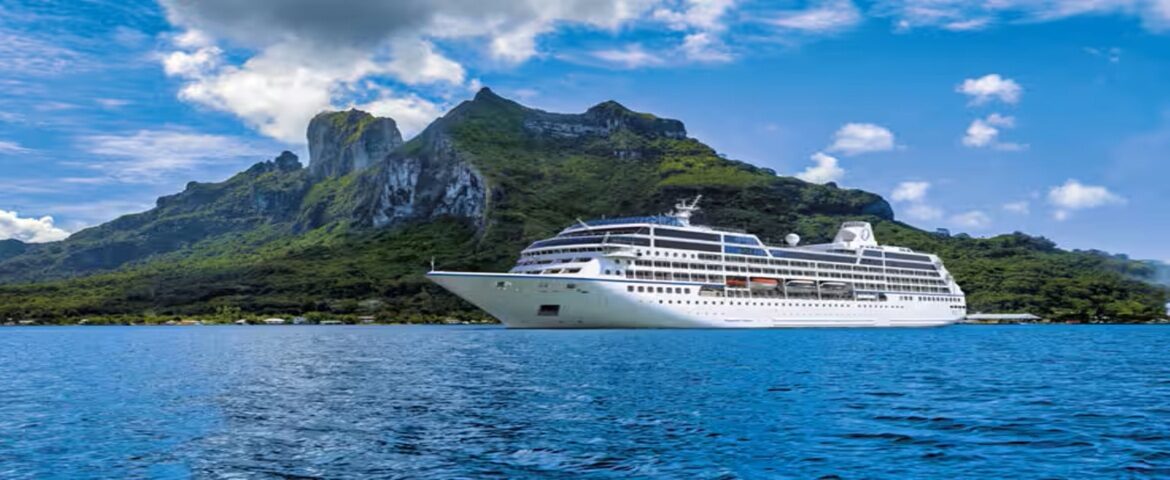

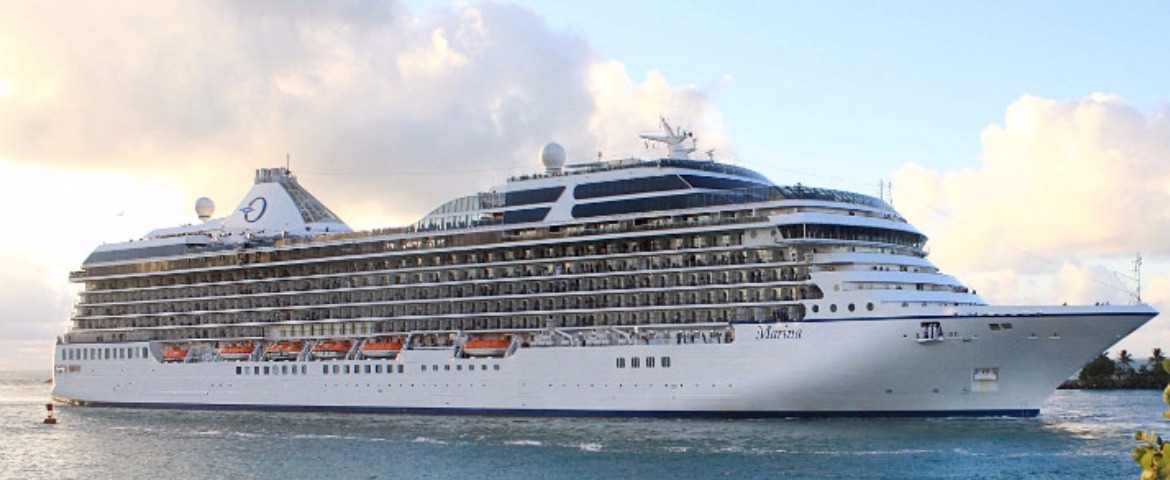
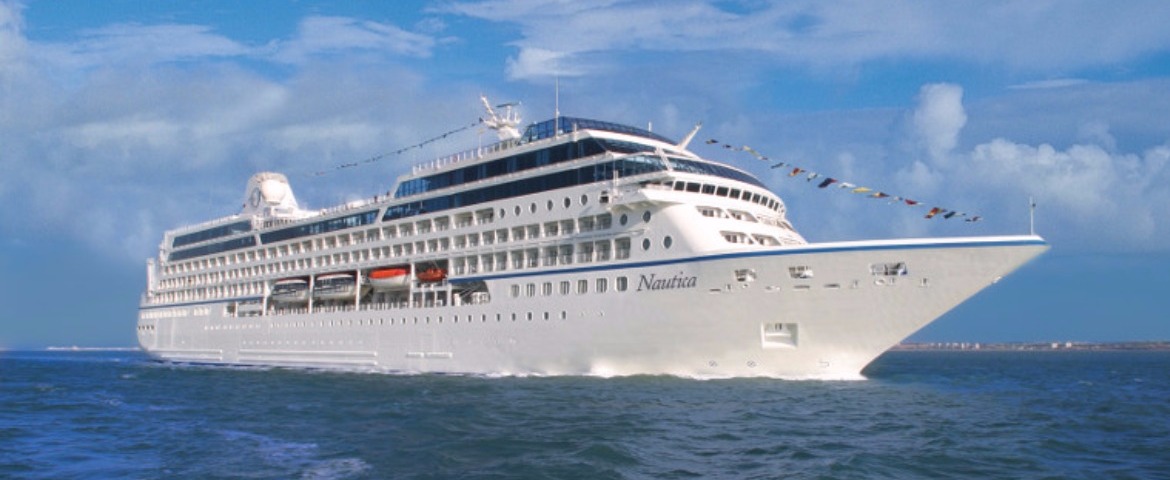
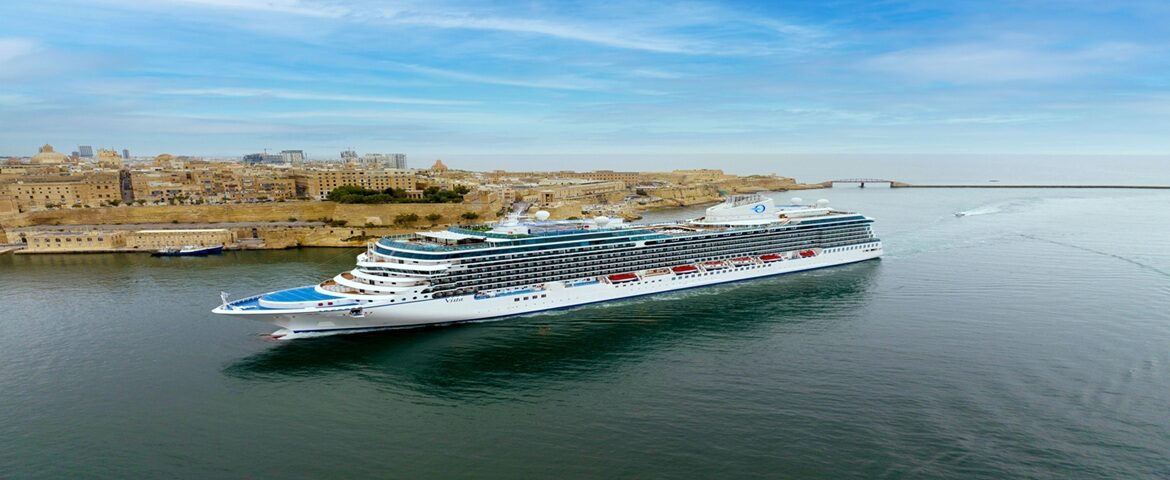
Oceania Vista
18 Cruises
| 6 January | 244 days | One-way from Miami to New York |
450-628-6241
Call us
|
| 6 January | 180 days | One-way from Miami to Southampton |
450-628-6241
Call us
|
| 26 February | 130 days | One-way from Sydney to Southampton |
450-628-6241
Call us
|
| 26 February | 129 days | One-way from Sydney to Southampton |
450-628-6241
Call us
|
| 4 January | 97 days | One-way from Auckland to Civitavecchia-Rome |
450-628-6241
Call us
|
| 4 January | 96 days | One-way from Auckland to Civitavecchia-Rome |
450-628-6241
Call us
|
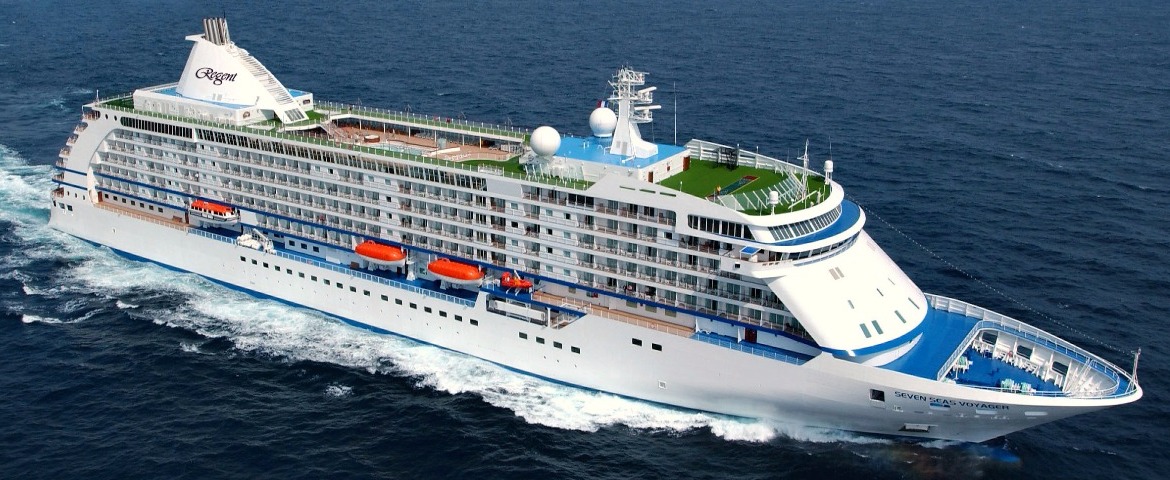
Regent Seven Seas Cruises (14 Cruises)
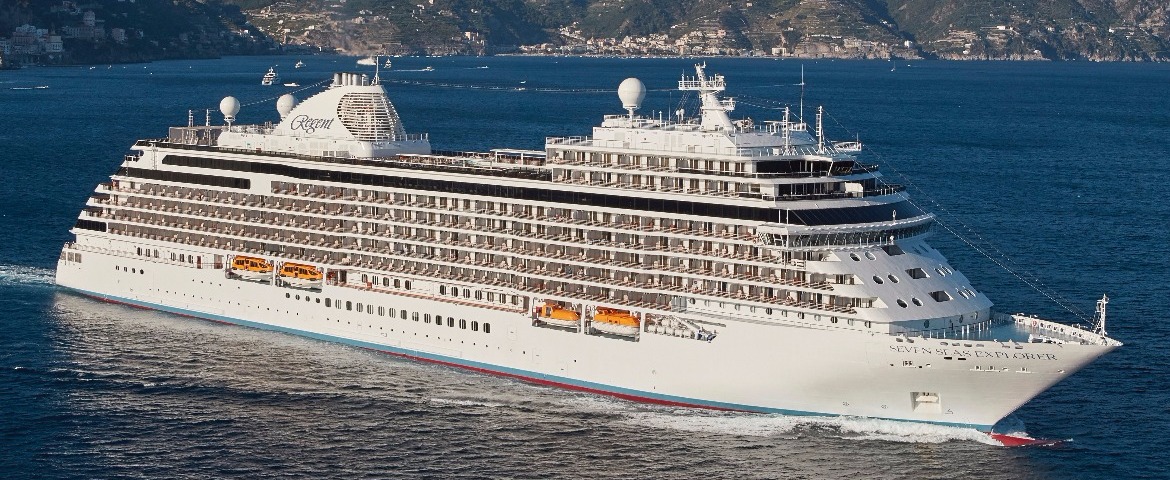


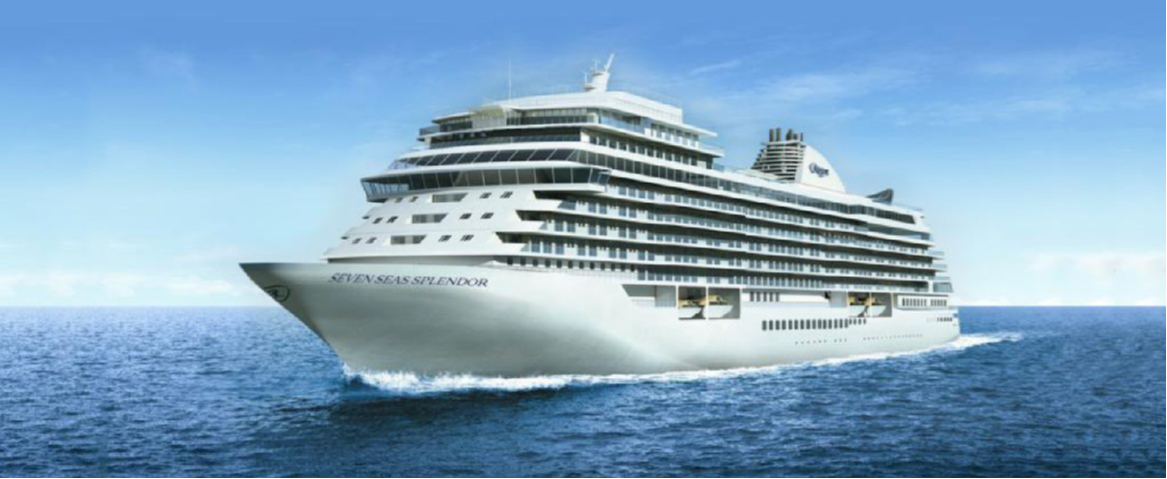
Seven Seas Splendor
4 Cruises

Port of Jeddah | Cruise Port Guide
Frequently Asked Questions
At the Islamic Port, about ten kilometres from the city centre. The area is industrial and walking out is not permitted: shuttles and taxis take over, twenty to thirty minutes depending on traffic.
The historic district, inscribed on the UNESCO World Heritage list in 2014: tall coral-stone houses and the lattice balconies called roshan, worked like lace, which filtered the sea breeze long before air conditioning.
Al-Balad first: the lanes, Bayt Nassif, the galleries installed in the old houses and the Al-Alawi souk. Then, on the way back, a stop on the corniche for the Al-Rahma Mosque and the King Fahd Fountain.
No. Access to Mecca is reserved for Muslims, and no cruise excursion goes there. Jeddah has been the historic sea gateway to the pilgrimage since the seventh century, and that mixing is what you read on its facades.
The carved wooden balcony that juts out over Al-Balad's lanes. These lattice screens filtered light and sea breeze, and their wooden lace gives old Jeddah a silhouette unlike any other historic centre in the Arab world.
Incense, oud, spices, dates and fabrics. The place has supplied pilgrims for centuries, which gives it an atmosphere unlike tourist bazaars: real trade happens here. Bargaining is part of the exchange, always courteously.
A jet of seawater thrown several hundred metres up, one of the tallest in the world, visible from almost everywhere once night falls. It stands at the southern end of the corniche, the landscaped waterfront running some thirty kilometres.
Yes, it is an open-air museum. Since the 1970s the city has installed outdoor sculptures along it, some by major names of modern art. The Al-Rahma Mosque, set on piles, seems to float at high tide.
Grilled fish chosen off the stall, sayadiyah rice, shrimp with black lime. Waterfront restaurants and Al-Balad canteens alike serve the Red Sea daily, and cardamom-scented qahwa accompanies everything.
Modestly: shoulders and knees covered for everyone, loose light clothing. Jeddah is considered the most relaxed of the kingdom's big cities, but restraint in dress is still expected in the souks and old quarters.


