Ferradosa Portugal

232 Cruises availables At departure or passage at this port

Avalon Waterways (22 Cruises)

Avalon AlegriaSM.

Avalon AlegriaSM

102 Passengers
Visit the ship's page

CroisiEurope (186 Cruises)

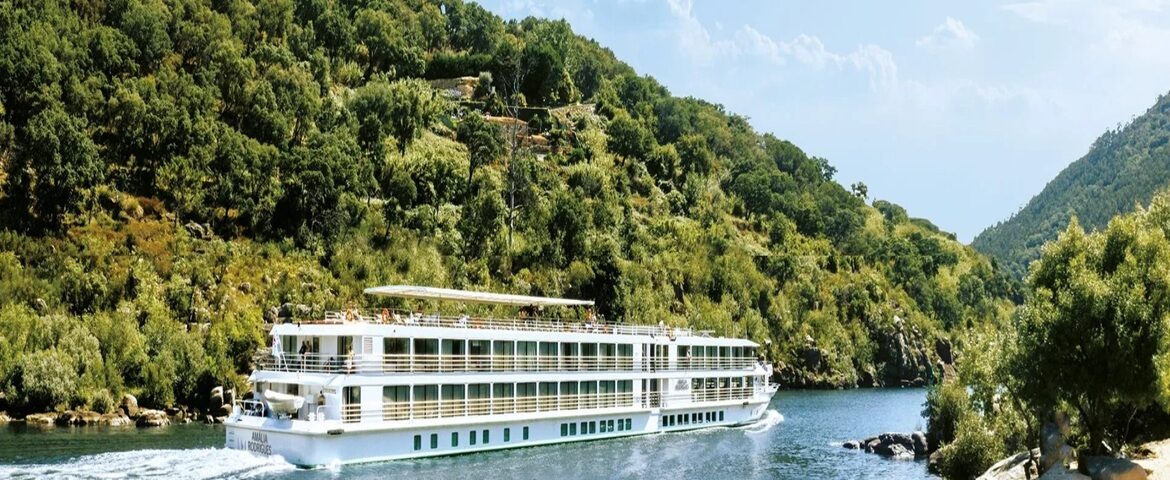
MS Amalia Rodrigues.

MS Amalia Rodrigues

131 Passengers
Visit the ship's page
Cruise CE Croisieurope MS Fernao de Magalhaes ship

MS Fernao de Magalhaes

136 Passengers
Visit the ship's page
Cruise CE Croisieurope MS Gil Eanes ship

MS Gil Eanes

132 Passengers
Visit the ship's page
Cruise CE Croisieurope MS Infante don Henrique ship

MS Infante Don Henrique

138 Passengers
Visit the ship's page
Cruise CE Croisieurope MS Miguel Torga ship

MS Miguel Torga

132 Passengers
Visit the ship's page
Cruise CE Croisieurope MS Vasco de Gama ship

MS Vasco de Gama

134 Passengers
Visit the ship's page

Tauck Cruises (24 Cruises)

ms Grace.

ms Grace

173 Passengers
Visit the ship's page

Ferradosa Portugal | Douro Valley River Cruise Destination Guide

Here, the vineyards climb toward the sky. On both sides of the river, terraces of schist rise in tiers across hundreds of metres of elevation, hand-carved over generations into the slopes of the Upper Douro. The Ferradosa landing amounts to little more than a few pontoons set at the foot of this great mineral amphitheatre, among the furthest upstream stops on river itineraries. No town on the horizon, no sound but water and birdsong: this stop in Douro wine country is best experienced as an immersion in a landscape shaped by human labour. For centuries the river was the only route: rabelo boats once carried casks downstream to Porto, braving the rapids along the way.

A Wharf in Service of the Vines

Ferradosa is not a destination in itself, and that is exactly its appeal: the pontoon serves as a gateway to the heights above. Winding roads, cut into the slopes, climb through parcels where port wine grapes ripen. Every bend reveals a new composition of stone walls, olive trees, and whitewashed quintas set amid the vines. Excursion coaches take these hairpin turns at a pace that suits everyone just fine: no one wants to rush through this scenery. As the road climbs, the air fills with the scent of dry grasses and fig trees; below, the ribbon of water narrows until it is nothing more than a streak of light.

São Salvador do Mundo, Nine Chapels Facing the Void

The first stop on most excursions: the São Salvador do Mundo ridge and its nine chapels set along the climb. Pilgrims once made their way up this path of devotion; today's travellers arrive at one of the valley's most striking viewpoints, with the river winding far below between planted slopes. The silence up there has something almost monastic about it. There's time to name the peaks, trace the river's bends, and pick out the boat, tiny, far below. Coming back down, it's easy to understand why the people here speak of their valley as a sanctuary.

São João da Pesqueira, Port Wine's Quiet Capital

A few kilometres away, São João da Pesqueira lines its white balconied houses around an arcaded square that seems untouched by the passing century. The town hall is adorned with azulejo tile panels depicting scenes of vineyard and winemaking labour. The wine museum rounds out the visit: collections devoted to port, followed by a tasting of regional products that wins everyone over. Between stops, it's worth wandering the side streets, where every carriage doorway seems to hide a press or a cellar.

Time at the Quintas

Several estates in the area, including those of the Rio Torto valley, open their doors to visitors: guests follow the grape's journey from terrace to barrel before comparing a dry white Douro wine with an aged port. Owners share stories of the harvest, the baskets carried up the slopes on workers' backs, and the pride of a landscape recognized by UNESCO. These encounters put a face to the labels and turn every future sip into a travel memory. Some cellars still keep their original granite lagares, the shallow tanks where grapes were once trodden by foot at harvest time.

The day winds down between vine-striped walls washed gold by the last light, as the mooring lines slip from the bollards. Ferradosa quickly disappears behind a bend, but something stays on board: the taste of a glass shared facing the river, and the certainty of having crossed one of the world's oldest wine landscapes at exactly the pace it deserves.

Frequently Asked Questions

At a few pontoons set at the foot of the Upper Douro's terraced vineyards, among the furthest upstream stops on river itineraries. No town in sight.
Go up. The pontoon is a gateway to the heights: the São Salvador do Mundo spur, the town of São João da Pesqueira and the surrounding quintas. There is nothing to do at water level.
A rocky spur marked by nine chapels staggered along the climb, an old devotional route. It offers one of the most striking viewpoints in the valley, with the river winding far below.
The quiet capital of port, a few kilometres away: white balconied houses around an arcaded square, a town hall decorated with azulejos depicting vineyard work, and a wine museum followed by a tasting.
Yes, several estates nearby, including those of the Rio Torto valley, open their doors: you follow the grape from terrace to barrel before comparing a dry Douro white with an aged port.
A shallow granite trough where grapes are trodden by foot during harvest. Some cellars around Ferradosa still keep and use them.
Because they form one of the oldest wine landscapes in the world: schist terraces carved by hand across hundreds of metres of slope, over generations. UNESCO has recognised them.
The traditional craft that once carried port barrels down to Porto, through the rapids. For a long time the river was the valley's only road.
Winding and cut into the slopes. Coaches take them at a pace that suits everyone: nobody wants to cross this landscape too fast. Anyone prone to motion sickness should note it.
Those who come for the landscape and the wine. Ferradosa is not a destination in itself and does not pretend to be: it is a quay serving the vineyards. Without an excursion the day will be empty.