Busuanga Island Philippines Coron
Philippines
95
Cruises availables
At departure or passage at this port
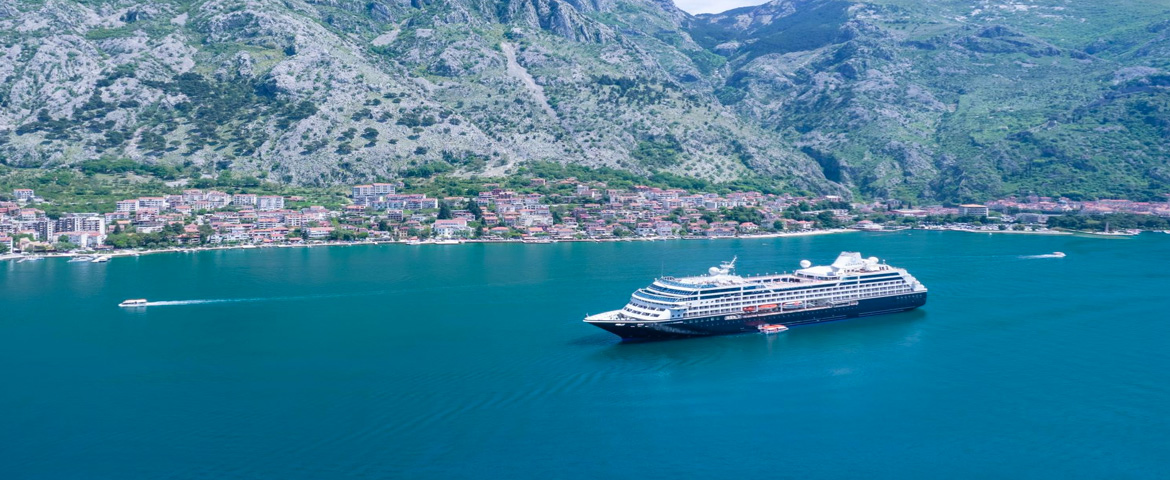
Azamara Club Cruises (13 Cruises)
Azamara Onward
13 Cruises

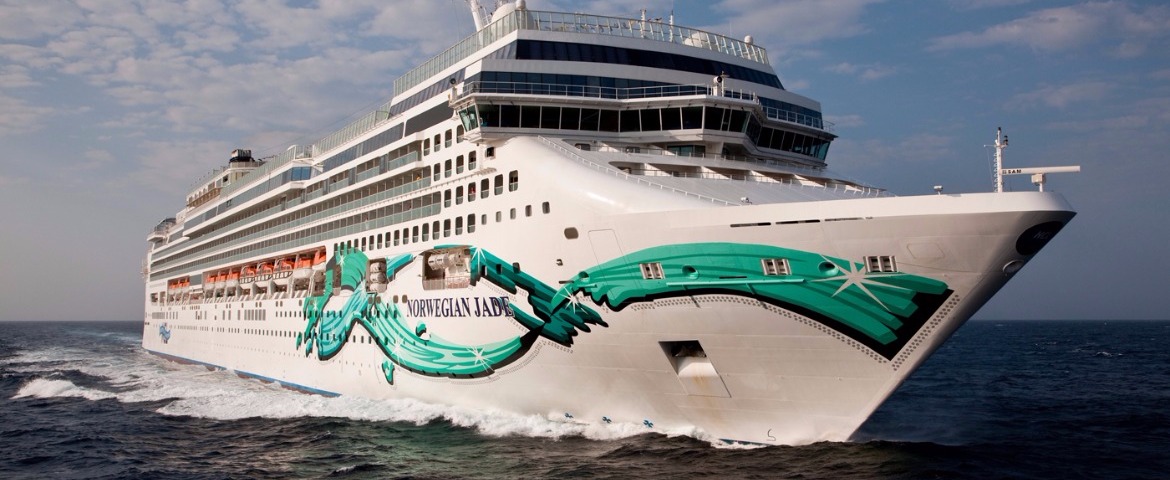
Norwegian Cruise Line (13 Cruises)
Norwegian Jade
13 Cruises

Oceania Cruises (33 Cruises)
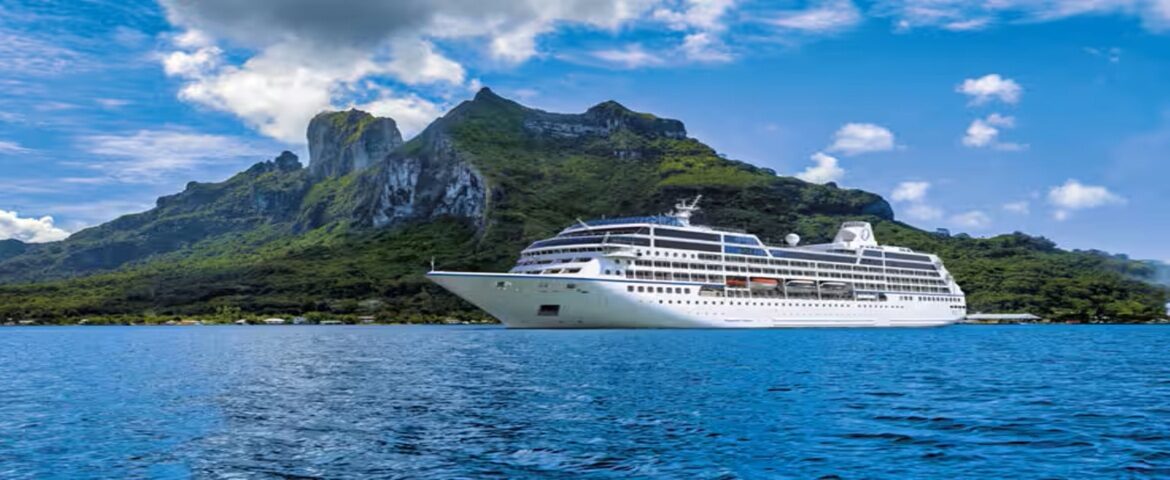

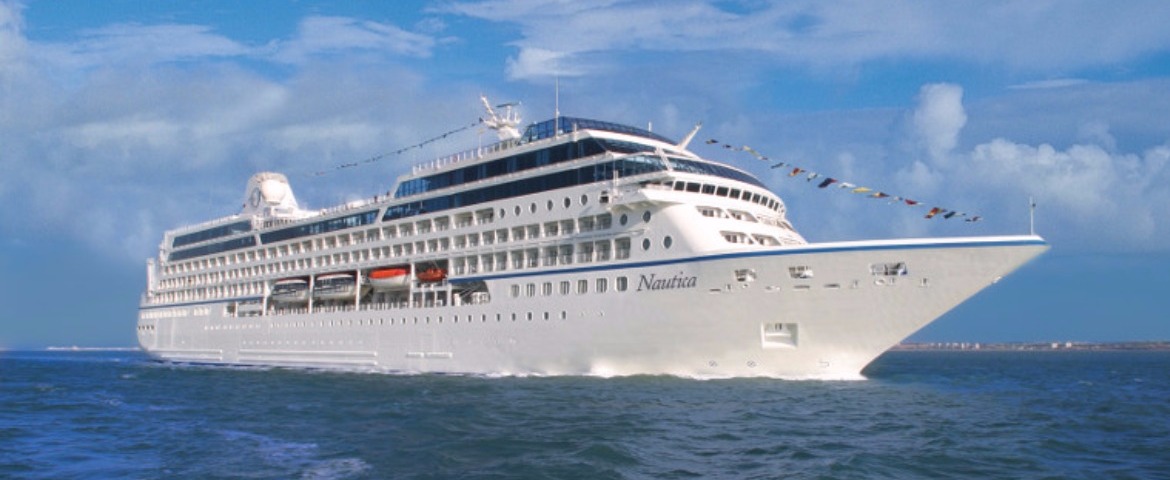
Oceania Riviera
12 Cruises
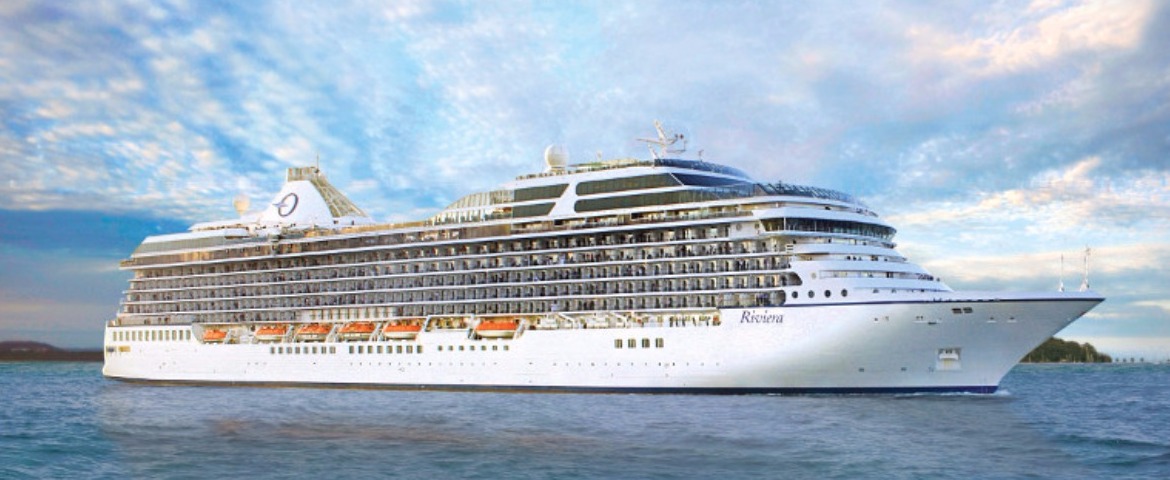
| 4 January | 11 days | One-way from Singapore to Hong Kong |
450-628-6241
Call us
|
| 5 January | 11 days | One-way from Singapore to Hong Kong |
450-628-6241
Call us
|
Oceania Vista
9 Cruises
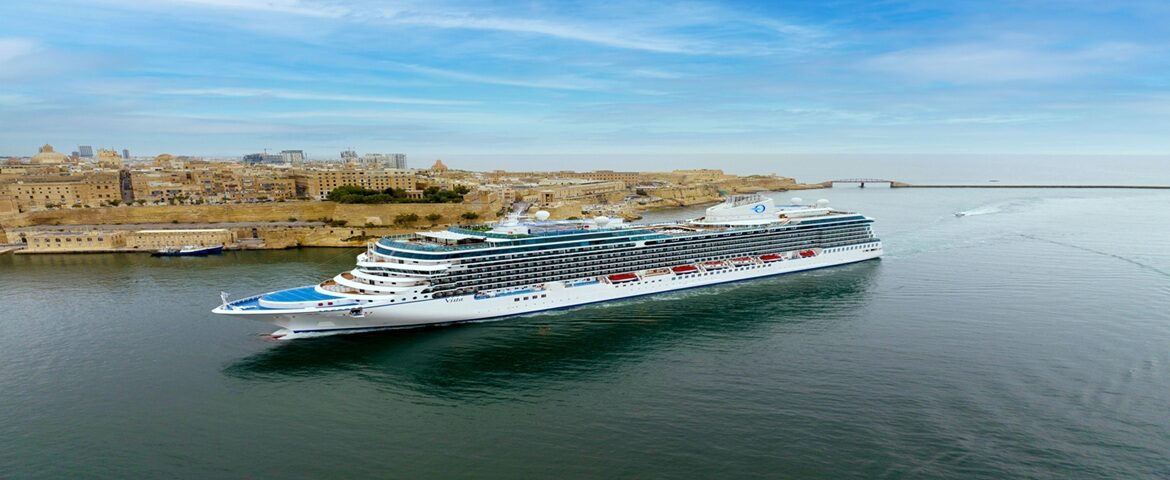
| 6 January | 244 days | One-way from Miami to New York |
450-628-6241
Call us
|
| 6 January | 180 days | One-way from Miami to Southampton |
450-628-6241
Call us
|
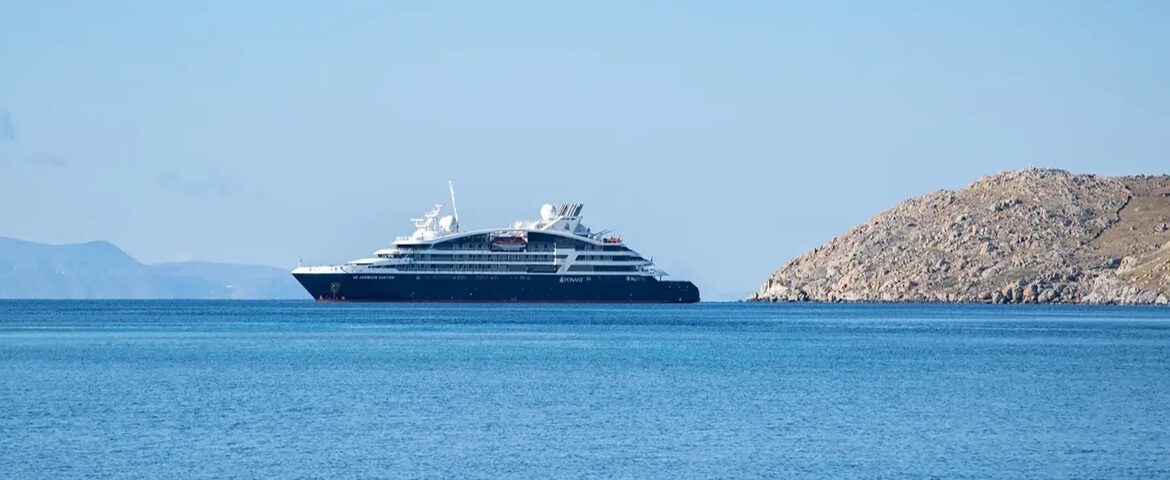

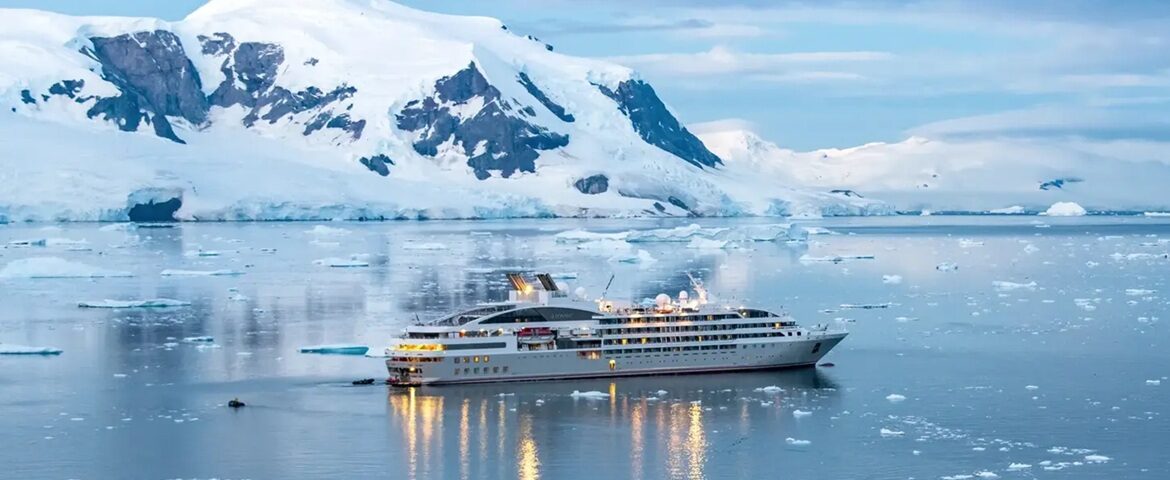
Regent Seven Seas Cruises (15 Cruises)
Seven Seas Explorer
9 Cruises
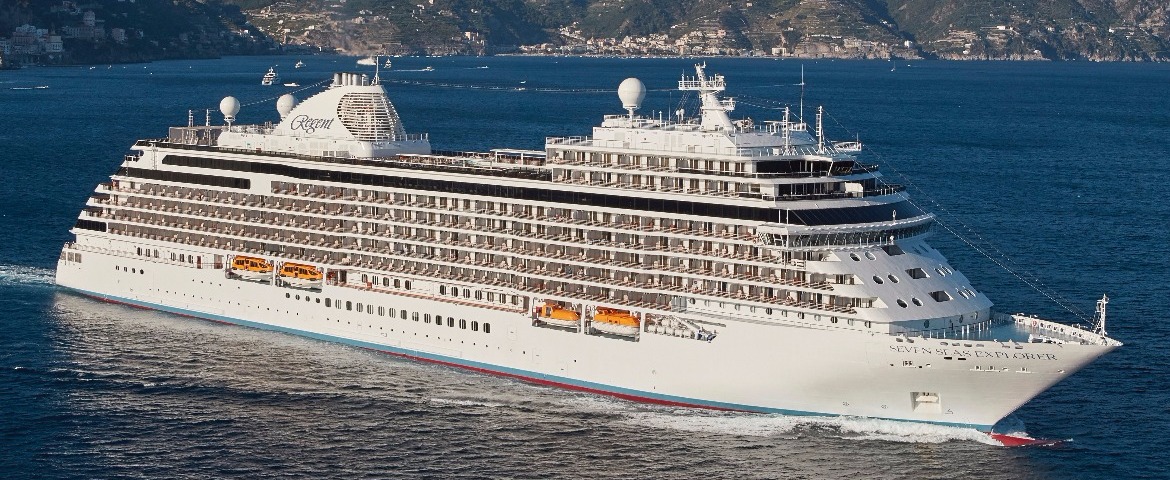

| 30 November | 22 days | Round-trip Asia Seven Seas Explorer Hong Kong |
450-628-6241
Call us
|
| 30 November | 23 days | Round-trip from Hong Kong, China |
450-628-6241
Call us
|
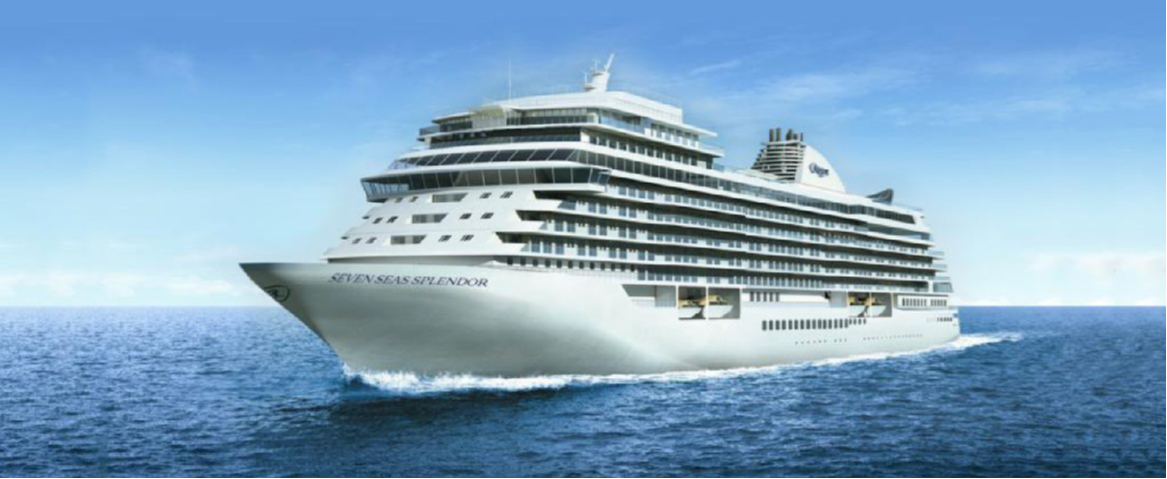
Silversea Cruises (13 Cruises)
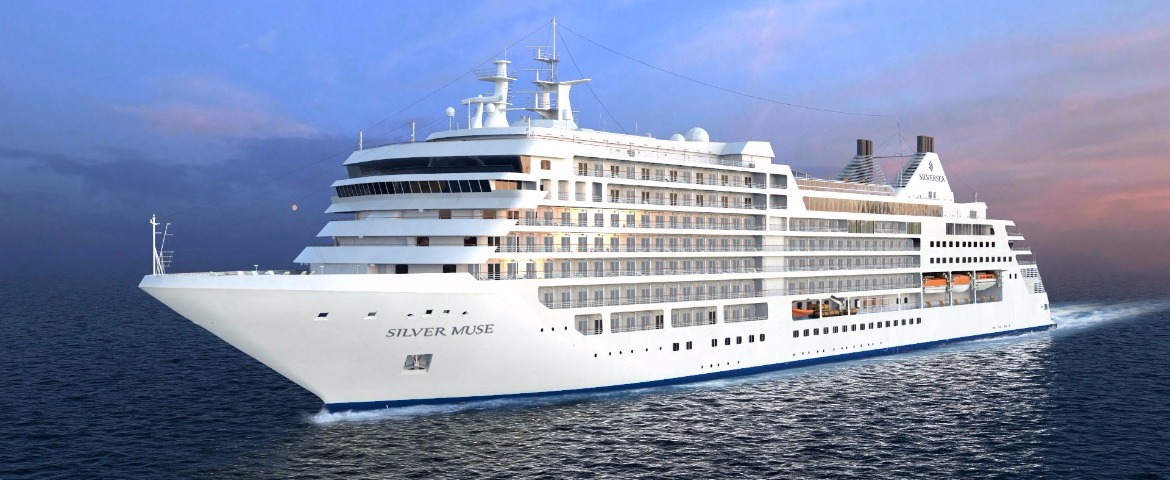
Silver Muse
11 Cruises


Port of Coron, Philippines | Cruise Port Guide
Frequently Asked Questions
It does not dock: ships anchor offshore and tenders run to the landing, about fifteen minutes from Coron town on Busuanga Island.
Kayangan Lake by bangka, or Siete Pecados marine park and the Maquinit hot springs. Kayangan Lake fills a good half day on its own; the other two combine easily.
A clear freshwater lake on Coron Island, home territory of the indigenous Tagbanwa people. You reach it by bangka, then about 150 steps to a viewpoint over an emerald cove ringed by limestone spires.
An outrigger boat with bamboo floats, used here as taxi, freighter and fishing boat. Every trip to the lakes and reefs goes by bangka: bring water shoes and sun protection.
Yes, and it is world-class: a Japanese fleet sunk in September 1944 lies here at accessible depths. The shallow Skeleton Wreck can even be snorkelled; the others require certification.
A viewpoint at the top of 700 steps above town. The panorama takes in the bay, the islets and the reefs. Climb it early: midday heat makes the ascent hard work.
At Siete Pecados marine park, a few minutes from town: a coral garden with parrotfish and turtles. Flotation vests are provided on site, and it suits every level of swimmer.
Saltwater pools at close to 40 degrees, among the few of their kind in the world, set in stone terraces facing the mangroves. About twenty minutes by tricycle from town, ideal late in the day.
The Philippine peso, in small notes for purchases and tips. English is spoken everywhere, alongside Tagalog and local languages.
For long calls, the Calauit reserve at the island's north-western tip, where giraffes and zebras introduced from Africa in the 1970s roam free. The drive is long: check the ship's schedule first.


