Boracay Island Philippines Caticlan
Philippines

58 Cruises availables At departure or passage at this port

Oceania Cruises (24 Cruises)

Boracay, Philippines | Cruise Port Guide

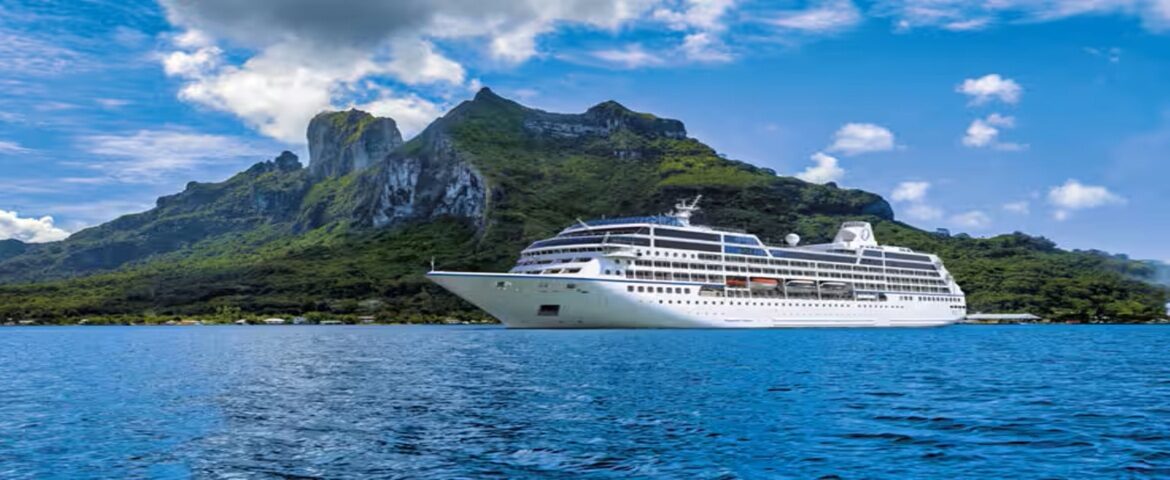
Boracay's sand barely makes a sound underfoot: fine as flour, dazzlingly white, it has earned this small island in the Visayas, in the Philippines, worldwide fame. Ships anchor off Caticlan, on the larger neighbouring island of Panay, and the day begins with a double hop: a tender to the Caticlan terminal, then a ferry to the Cagban landing point on Boracay itself, a crossing of about ten minutes. Depending on conditions, some cruise lines drop passengers more directly near the famous White Beach.

Getting to White Beach

From Cagban, motorized tricycles, often electric, climb the hill and head back down toward the beaches within minutes; you simply state your destination, with regulars referring to the "stations," the sections marking out the west coast shoreline. White Beach stretches about four kilometres of pristine sand along translucent water, bordered by a pedestrian path lined with restaurants, shops and activity counters; open-air massages, fresh fruit stands and shaded cafés punctuate the route, and everyone shapes their time here their own way. The atmosphere builds gradually through the day, from morning swimmers to the lively terraces of the afternoon.

Water Made for Living In

Swimming comes naturally: the water, warm and calm on the west-facing shore, slopes gently down. Thrill-seekers find what they're looking for elsewhere on the island, where favourable winds power kiteboarding and windsurfing; numerous dive centres serve reefs just minutes away by boat. A mask and snorkel are already enough to spot colourful fish near the piers, and the counters along the promenade can arrange an outing suited to anyone within minutes.

The Red Sail of the Paraws

You can't miss the paraws, those outrigger sailboats typical of the Visayas, whose triangular sails glide silently across the lagoon with no motor at all. One- or two-hour outings, negotiated directly on the beach, tour the neighbouring coves; sitting on the netting stretched between the outriggers, feet in the sea spray, offers the best vantage point on the island. Motorized bancas, meanwhile, offer trips to more distant coves and swimming spots.

Beyond the Main Beach

Boracay isn't limited to its signature beach. Other coves dot the island's shoreline, quieter ones where the paraws stop by; the inland lanes hide markets, fruit stalls and small family-run eateries. Enjoying a fresh mango juice or grilled fish with your toes in the sand is one of the simple pleasures that, strung together, make up the day. The west coast's sunsets are famous throughout the country; ships often weigh anchor before they happen, but the golden late-afternoon light is more than enough consolation.

The Way Back

Build in a comfortable margin for the return trip, tricycle, ferry, tender, since the connections depend on the sea and the crowds; crews post cutoff times that are worth taking seriously. This little journey is part of the adventure: you head back in stages, almost reluctantly, glancing back over your shoulder one last time.

A Brightness That Stays With You

Once back on board, the white of the main beach still glows for a while against the green of the island, before the horizon takes over again. Boracay leaves behind a memory of striking clarity: sand unlike any other, and water that seemed lit from within. The Visayas hold thousands of islands; this one leaves you wanting to see every last one of them.

Frequently Asked Questions

It does not dock. Ships anchor off Caticlan, on the neighbouring island of Panay: tender to Caticlan terminal, then a ten-minute ferry to Cagban jetty on Boracay itself.
Allow a good hour door to door: tender, ferry, then a motorised tricycle over the hill. Depending on conditions, some lines land passengers closer to White Beach.
By motorised tricycle, often electric. Just name your destination; regulars talk in stations, the sectors that mark out the west shore.
About four kilometres of white sand, fine as flour, along translucent water, backed by a pedestrian path of restaurants, shops and activity counters.
Yes, even near the jetties, where mask and snorkel are enough to meet colourful fish. The many dive centres serve reefs a few minutes away by boat.
An outrigger sailboat typical of the Visayas, with a triangular sail, gliding engineless across the lagoon. One or two-hour trips are arranged right on the beach: sitting on the netting between the floats gives the best view of the island.
The Philippine peso, in small notes for tricycles and stalls. English is spoken across the island, alongside Filipino and the local language, Aklanon.
Rarely: ships usually weigh anchor before then. The west coast sunsets are famous across the country, but the golden late-afternoon light is ample consolation.
Absolutely. Tricycle, ferry and tender all depend on the sea and the crowds. Crews post cut-off times that are worth taking seriously.
Very much so: the water is warm, calm and shelves gently on the west side. The only drawback is the three-stage journey, a little long for very young children.