Nauta Peru Amazon

371 Cruises availables At departure or passage at this port

Aqua Expeditions (56 Cruises)

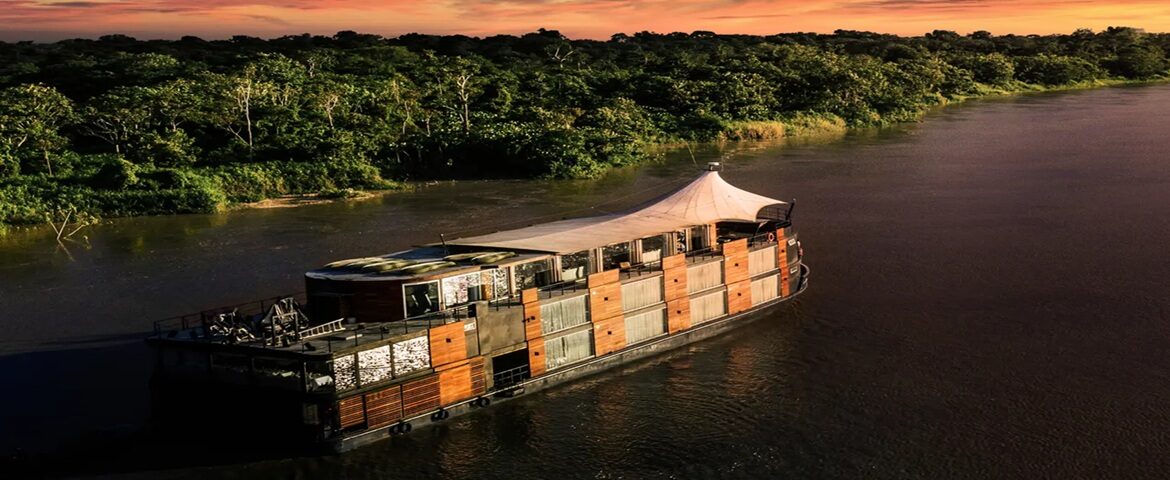
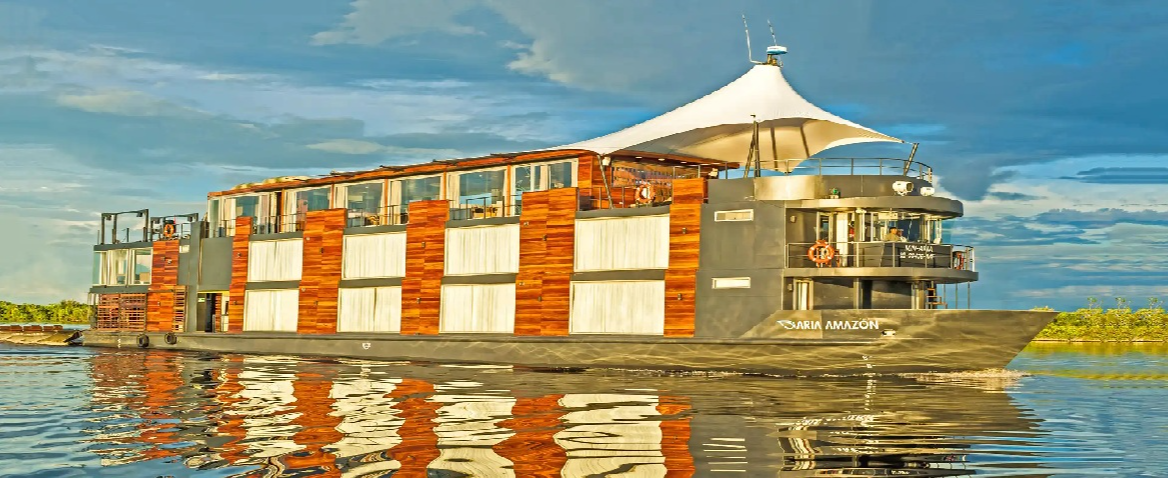
Aria Amazone.

Aria Amazone

32 Passengers
Visit the ship's page

Lindblad Expeditions (246 Cruises)

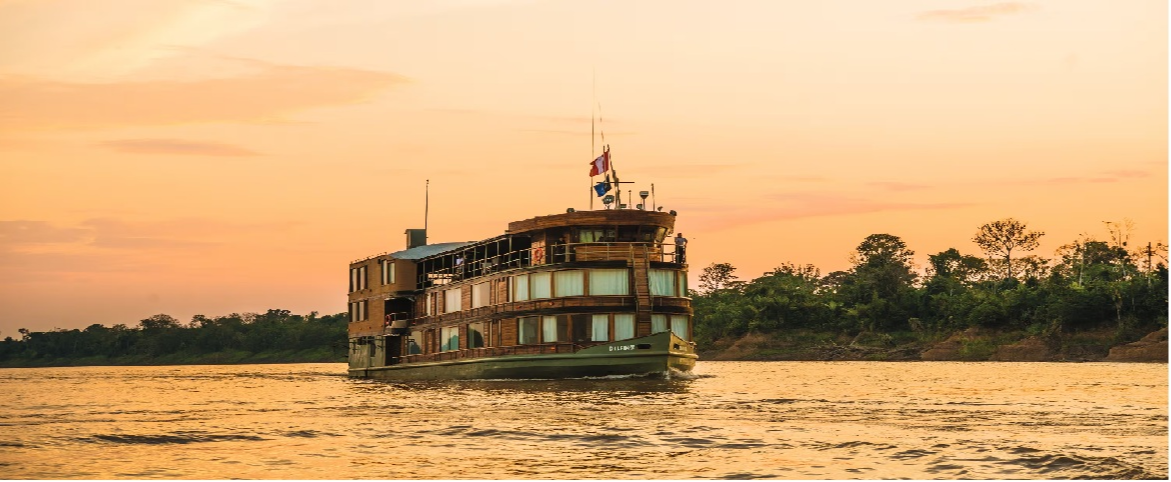
Delfin II.

Delfin II

43 Passengers
Visit the ship's page

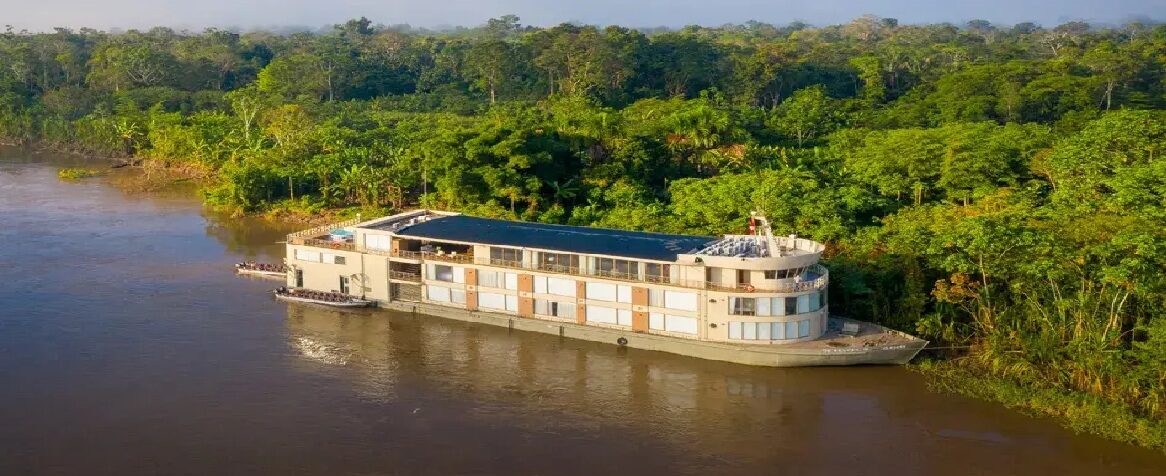
Uniworld Boutique River Cruise (56 Cruises)

Aria Amazon.

Aria Amazon

59 Passengers
Visit the ship's page

Nauta, Peru | Cruise Port Guide

The road leaving Iquitos crosses some hundred kilometres of forest, then stops abruptly at the edge of the Marañón. There stands Nauta, a small river town in the Peruvian Amazon where asphalt gives way to water for good. This is where most travellers bound for the Pacaya-Samiria National Reserve, one of the largest protected areas in Peru, embark. The stop is brief, often limited to a few hours before or after sailing, but it deserves better than to be treated as a mere waypoint. After all, this roadway is the only real road in the entire department of Loreto: Iquitos is said to be the largest city in the world inaccessible by land, and this asphalt dead end on its own sums up the reign of the river in the region.

A town turned toward the river

The town lives to the rhythm of the boats that tie up along its bank: dugouts loaded with bunches of bananas, ferries from neighbouring villages and white-hulled expedition ships. Mototaxis sputter between the landing and the main square, carrying passengers, sacks of rice and blocks of ice. Nothing is staged; everything simply works, as in any Amazonian town where the river serves as the main thoroughfare. On the square shaded by mango trees, residents wait for the cool of the evening; the children, meanwhile, dive laughing off the landing whenever the heat calls for it.

The market, a first contact with the Amazon

A few streets from the water, the market deserves an attentive stroll. The stalls overflow with fish from the Marañón, fruits with melodious names, camu camu, aguaje, cocona, and forest products you will not find in any grocery store up north. Watch the vendors slice fruit with a machete and listen to the mix of Spanish and local languages: in ten minutes, this market teaches you more about the region than many lectures.

The birth of the Amazon

About ten kilometres downstream from Nauta, the Marañón joins the Ucayali. From this meeting the Amazon, the most powerful river on the planet, is officially born. Ships setting sail from here almost all cross this confluence, where two bodies of water of different hues flow side by side for a while before merging. Stay on deck for this passage; with a little luck, pink dolphins will come to hunt in the eddies.

At the gates of Pacaya-Samiria

Nauta owes its role as an embarkation gateway to its location: upstream begin the black waters and flooded forests of Pacaya-Samiria, the realm of howler monkeys, sloths and ibises. Expedition cruises devote most of their itinerary to it, exploring the tributaries in small boats at daybreak. The town, for its part, remains the last place to buy a hat, a bottle of water or a bag of fruit before the forest.

The riverbank at dusk

If the schedule allows, linger on the bank at the end of the day. The sun sets behind the Marañón in an orange blaze, herons return to the trees in whole flocks and the lights of the dugouts twinkle on the dark water. Crickets take over from the engines, and the air smells of warm mud and wet wood. You then understand why so many Amazon itineraries begin here: Nauta is not an attraction, it is a threshold. In crossing it, travellers leave the world of roads to enter that of the river, and this shift, subtle but real, remains one of the truest memories the Amazon can offer.

Frequently Asked Questions

Along the bank of the Marañón, at the town landing. Nauta is mainly an embarkation point for expedition cruises into the Pacaya-Samiria National Reserve.
By road from Iquitos, about a hundred kilometres through forest. It is the only real road in the whole Loreto department, and it stops dead at the river's edge.
The market, a few streets back from the water, and a stroll on the mango-shaded square. Calls are short, often a few hours before or after sailing, and Nauta claims nothing more.
Fish from the Marañón, Amazonian fruit such as camu camu, aguaje and cocona, and forest produce found nowhere else. Ten minutes here teaches more about the region than most briefings.
About ten kilometres downstream of Nauta, where the Marañón meets the Ucayali. Nearly every ship sailing from here crosses that confluence: stay on deck, the two bodies of water run side by side before merging.
Often, especially at the confluence where they hunt in the eddies. Nothing is guaranteed, but it is one of the best spots on the route to see them.
One of Peru's largest protected areas, upstream of Nauta: blackwater channels, flooded forest, howler monkeys, sloths and ibis. Expedition cruises spend most of their itinerary there.
By mototaxi, between the landing and the main square. They carry passengers, sacks of rice and blocks of ice alike.
The Peruvian sol, in cash and small notes. Nauta is the last place to buy a hat, a bottle of water or a bag of fruit before the forest.
A river town with nothing staged, not an attraction. It is a threshold: here you leave the world of roads for the world of the river. Anyone looking for monuments or shops will find none.