Isla Gamez Panama

40 Cruises availables At departure or passage at this port

Windstar Cruises (33 Cruises)

Isla Gámez, Panama | Cruise Port Guide

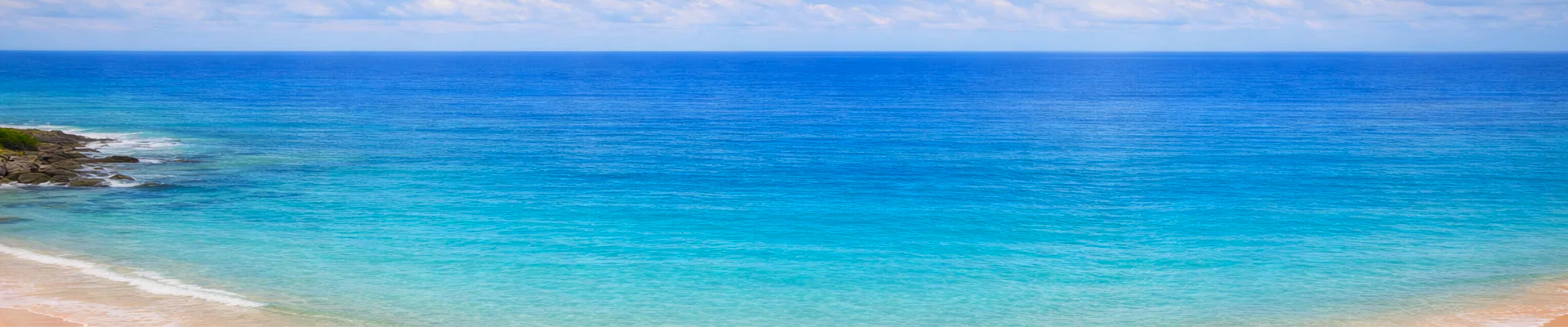
Some stops are captured in a single image: a crescent of pale sand, a crown of palm trees, turquoise water deepening toward the horizon. Isla Gámez is one of them. This uninhabited islet in the Gulf of Chiriquí, barely larger than a soccer field, sits within the fringes of the Gulf of Chiriquí National Marine Park, on Panama's western Pacific coast. Expedition ships stop here for a simple, unapologetic reason: to give their passengers a few hours of the perfect beach, far from everything.

A Landing Right in the Water

No infrastructure awaits visitors here, and that's the whole charm of the place. Zodiacs approach the shore, you step into a warm sea rising to your calves, and the islet is yours. Walking the entire shoreline takes about ten minutes: the main beach on one side, rocks on the other where crabs scatter at your approach, and everywhere that pale sand crunching underfoot. Pelicans patrol just above the water, frigatebirds circle higher up, and hermit crabs squabble over empty shells in the shade of the coconut palms. Time organizes itself: a swim, some reading, a nap, another swim. Some passengers walk the full loop of the shore several times over the course of the day, simply for the pleasure of wading through water that changes colour with every hour.

Beneath the Surface

Mask and snorkel turn the swim into an exploration. The rock formations extending from the islet shelter angelfish, parrotfish, and schools of sergeant majors, in water whose clarity shifts with the tide. The Gulf of Chiriquí protects one of the most extensive coral systems in the Central American Pacific, and even a modest stretch like this one gives a good sense of it. The expedition team marks out the swimming area and keeps an eye on the currents: stay within the marked zone and the experience stays as calm as a dip in a lake. Between swims, the guides share their observations from the day and help everyone adjust mask and fins.

The Neighbouring Island and the Bigger Picture

From the beach, the view takes in the wooded silhouette of Isla Parida, the larger neighbour of which Gámez is essentially a satellite. Some itineraries in fact combine the two islands in the same day, one for the forest, the other for the sand. Beyond stretches the gulf, dotted with islets, with the mountains of Chiriquí province as a backdrop on a clear day. The surrounding waters hold their own encounters: dolphins on the hunt, turtles surfacing, and, from July to October, humpback whales that come to give birth in these waters.

A Logistics of Simplicity

A stop with no dock and no shops needs to be planned ahead of time. Everything that makes up your comfort has to come ashore with you: water, a hat, water-resistant sunscreen, and beach shoes for the rocky areas. Natural shade is limited to the palm trees; crews often set up parasols and a refreshment station, but it's best to plan generously. Carry your trash back to the ship, since the islet offers no services at all, and leave shells and coral exactly where you found them: the beauty of this place lies precisely in everyone leaving empty-handed.

Then comes the moment when the Zodiacs make their final runs. From the ship's deck, Isla Gámez goes back to what it was that morning: a bright speck on a vast sea, with no trace of your visit left behind. There's something soothing in that disappearance. The simplest days of a cruise are sometimes the ones that come back to mind most often, long afterward, when you remember the sound the water made on that particular stretch of sand.

Frequently Asked Questions

Wet-footed. Zodiacs come in to the shore, you step into warm water up to your calves, and the islet is yours. No infrastructure awaits the visitor.
In the Gulf of Chiriquí on Panama's western Pacific coast, on the edge of the gulf's marine national park. It is an uninhabited islet barely larger than a soccer field.
The full tour takes about ten minutes: the main beach on one side, rocks where crabs scatter on the other. After that, time organizes itself — swim, read, nap, swim again. It is an unapologetic beach call with no programme.
Yes, and it turns the swim into exploration. The rock formations extending from the islet hold angelfish, parrotfish and schools of sergeant majors, in water whose clarity shifts with the tide. Expedition teams set the swimming area and watch the currents.
None. Everything that makes up your comfort has to come ashore with you: water, hat, water-resistant sunscreen, beach shoes for the rocky stretches. Crews often set up umbrellas and a refreshment point, but plan generously.
Little: natural shade is limited to the palm trees. That is the point to plan for seriously on a tropical beach with no infrastructure. Water-resistant sun protection and a hat are not optional.
On the islet, pelicans patrol just above the water, frigatebirds wheel higher and hermit crabs squabble over empty shells in the shade of the coconut palms. Offshore: hunting dolphins, turtles at the surface and, from July to October, humpback whales coming to calve.
Not necessarily, but some programmes combine both islands in one day: one for the forest, one for the sand. Gámez is essentially a satellite of its larger neighbour, whose wooded outline is visible from the beach.
Yes, two above all: carry your waste back to the ship, as the islet has no services, and leave shells and coral where they are. The beauty of the place depends precisely on everyone leaving empty-handed.
Anyone happy with a day without a programme. There is no village, no museum and no organized activity: a perfect beach, water that changes colour by the hour, and nothing else. Those who tire quickly of the beach should stay aboard.