Auckland Islands, New Zealand | Cruise Port Guide

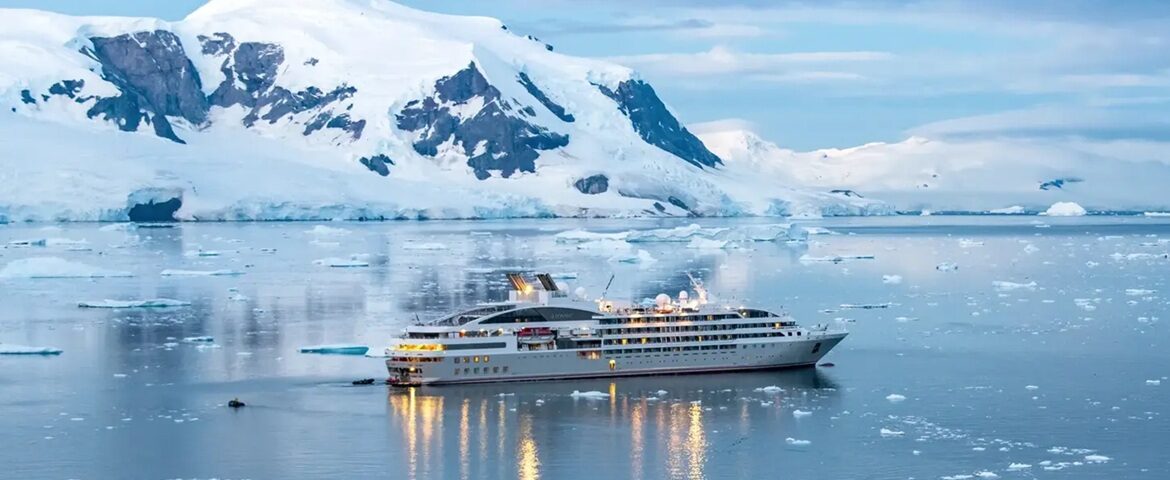
At these latitudes, the wind decides everything. More than 400 kilometres south of New Zealand, the Auckland Islands take the full force of the Roaring Forties, and it's that same wind that has carved this landscape of dark cliffs, stunted forests and low-cropped grasslands. No residents, no dock, no roads, no lights: the archipelago, a UNESCO World Heritage Site alongside New Zealand's other subantarctic islands, can only be reached by expedition, one Zodiac at a time.

Enderby, the Gateway

Most landings take place on Enderby Island, at the northeastern tip of the group, where the climate is a little milder; ships find shelter in the nearby anchorage of Port Ross. Sandy Bay is home to one of the main breeding sites of the New Zealand sea lion, one of the rarest pinnipeds in the world: massive males guard their harems while the young play in the surf, kept at a respectful distance from visitors accompanied by guides. Landings are made in rubber boots, on shores where fur seals also doze among the washed-up kelp. Behind the beach begins the rātā forest, its trunks twisted by storms, its red blossoms lighting up the southern summer.

Megaherbs and Albatrosses

The north cliffs trail winds through a unique natural botanical garden: the megaherbs, giant plants with glossy leaves and striking flowers found nowhere else but the subantarctic islands, including insular gentians, purple umbels and bright yellow Ross lilies. Zodiac tours, meanwhile, follow basalt columns, sea caves and waterfalls blown sideways into spray by the gusting wind. Farther on, albatrosses glide just above the ridgelines, with a few pairs nesting on the grassy ledges; watching them ride the wind alone makes the rough crossing worthwhile. Yellow-eyed Antipodean penguins, Auckland Island shags and the flightless Auckland teal round out a cast of species the ship's ornithologists list off with infectious enthusiasm.

Shipwrecks and Survivors

The archipelago's human history comes down to a handful of harsh episodes: a whaling colony founded in 1849 at Port Ross, abandoned after three miserable winters, followed by a series of famous 19th-century shipwrecks whose survivors had to hold out for months on supply depots that New Zealand maintained along these coasts. The most famous, the wreck of the General Grant in 1866, involved a cargo of gold, fourteen survivors rescued after a year and a half, and a wreck never found to this day. Guides sometimes point out the quiet remnants of that era, a collapsed chimney, a tiny cemetery, slowly being swallowed by vegetation. During the Second World War, volunteer coastwatchers also spent years living here, tasked with reporting any enemy ships; their huts can still be made out beneath the branches.

A Visit Under Strict Conditions

  • Access is tightly controlled by New Zealand's Department of Conservation: permits, visitor quotas and rigorous biosecurity checks.
  • Before every landing, boots are brushed and clothing inspected to make sure no foreign seeds are carried ashore.
  • Outings depend entirely on the weather; on some days, only a Zodiac tour along the coast is possible.
  • Bring several warm, waterproof layers, even in the height of the southern summer.

As the ship gets underway again, an albatross will sometimes follow in its wake for a long while, without a single wingbeat, as if escorting visitors back toward the inhabited world. The Auckland Islands appear on no standard itinerary and will never compromise on comfort. That's exactly their greatness: they're a reminder that some places still exist where nature alone decides the day's agenda.

Frequently Asked Questions

More than 400 kilometres south of New Zealand, squarely in the roaring fifties. The archipelago is a UNESCO World Heritage site along with the other New Zealand subantarctic islands — not to be confused with the city of Auckland.
No. No wharf, no road, no inhabitants: the archipelago can only be approached by expedition, zodiac by zodiac. Ships shelter in the Port Ross anchorage.
Most landings take place on Enderby Island at the northeastern tip of the group, where the climate is slightly kinder. You go ashore in rubber boots, onto Sandy Bay beach.
Sandy Bay is one of the main breeding sites of the New Zealand sea lion, among the rarest pinnipeds on earth. Add fur seals, albatrosses, yellow-eyed penguins, Auckland Island shags and the flightless teal.
Giant plants with glossy leaves and spectacular flowers that exist only on the subantarctic islands: island gentians, purple umbels and Ross lilies on bright yellow stalks. The north cliff trail crosses them like a natural botanical garden.
No, and that has to be accepted before booking. Outings depend entirely on the weather; on some days only a zodiac cruise along the coast is possible. At these latitudes the wind writes the day's programme.
Access is tightly controlled by the New Zealand Department of Conservation: permits, visitor quotas, and before every landing, boots scrubbed and clothing inspected so no foreign seed travels ashore.
Several warm layers and serious waterproofs, even at the height of the austral summer. Add binoculars and a waterproof cover for your camera: spray and drizzle are constant.
A whaling settlement founded at Port Ross in 1849 and abandoned after three miserable winters, then a series of famous nineteenth-century shipwrecks. The best known, the General Grant in 1866, combines a cargo of gold, fourteen survivors rescued after a year and a half, and a wreck never found.
None. No village, no shop, no lights, no signal. Everything you need travels with you from the ship — that is the nature of an expedition call.