Maastricht Netherlands Limburg
192
Cruises availables
At departure or passage at this port
Avalon Waterways (20 Cruises)
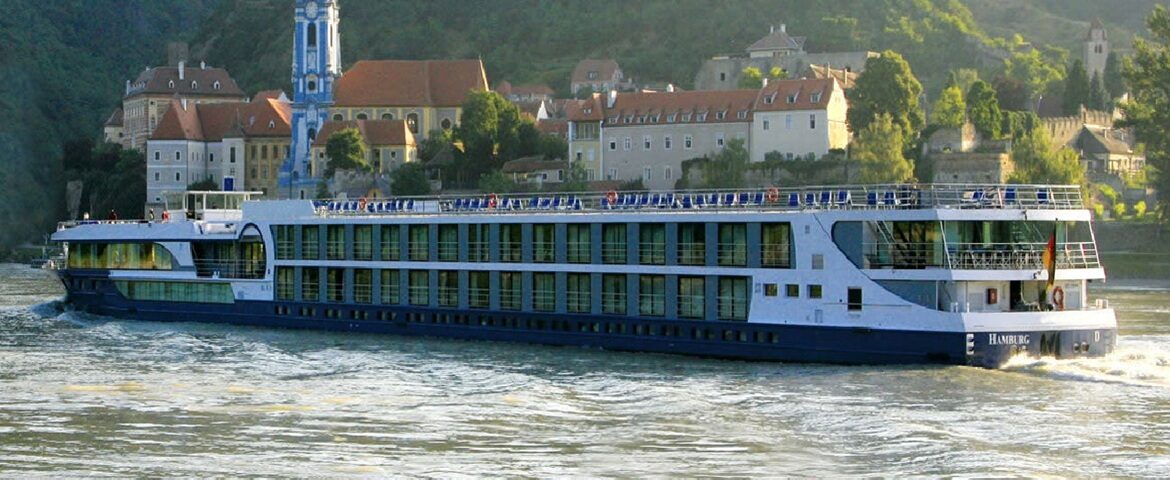
Avalon Imagery II®
8 Cruises

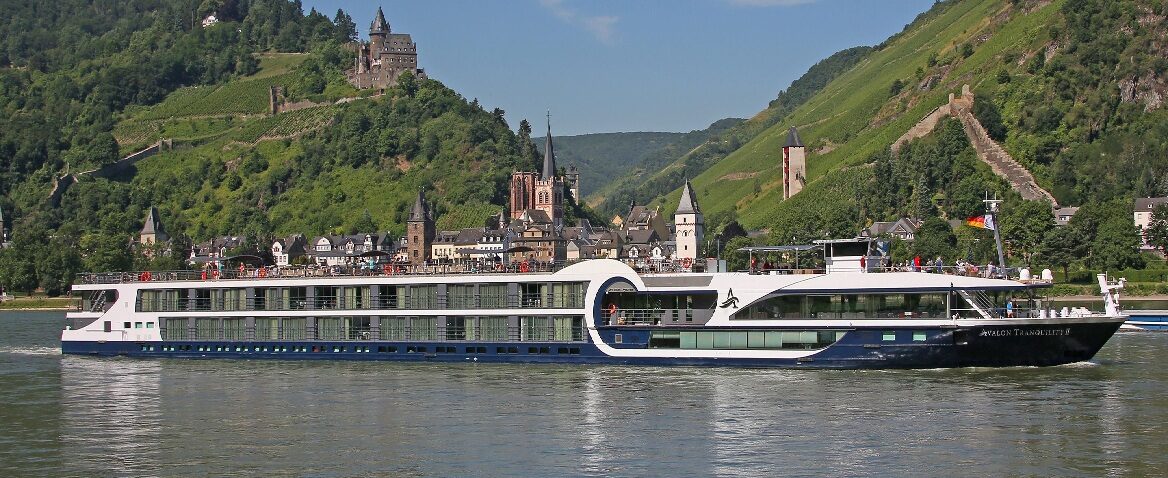
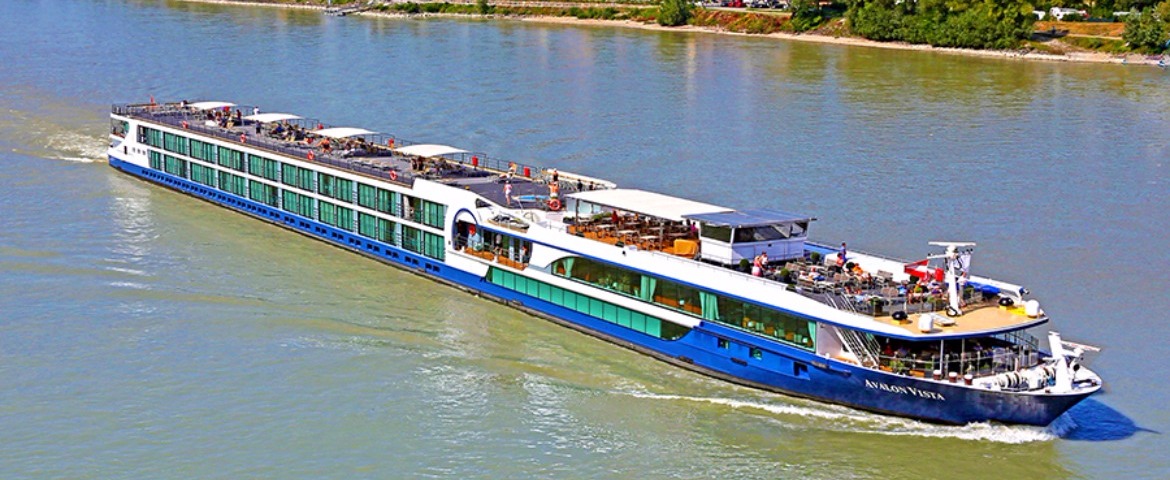
Avalon VistaSM
8 Cruises
Uniworld Boutique River Cruise (39 Cruises)

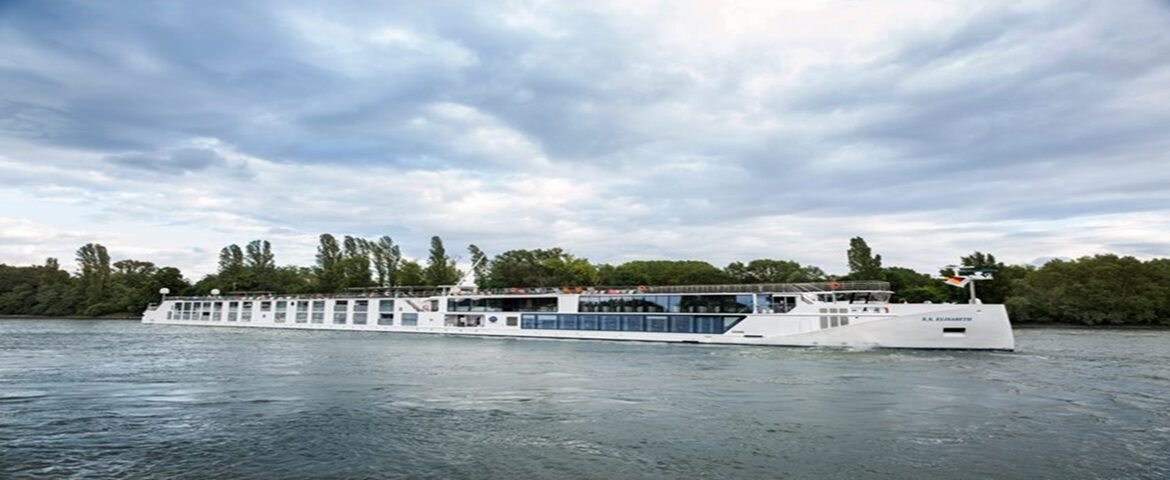
S.S Elisabeth
8 Cruises
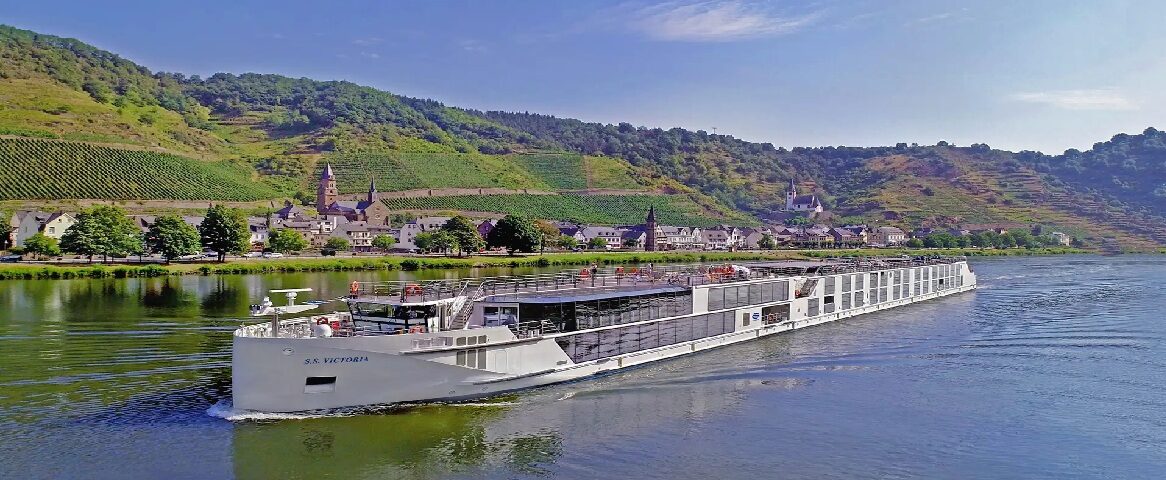
S.S. Victoria
28 Cruises
| 6 June | 15 days | One-way from Basel to Brussels |
450-628-6241
Call us
|
| 20 June | 15 days | One-way from Brussels to Basel |
450-628-6241
Call us
|
| 3 June | 15 days | One-way from Basel to Brussels |
450-628-6241
Call us
|
| 17 June | 15 days | One-way from Brussels to Basel |
450-628-6241
Call us
|
Viking River Cruises (133 Cruises)
Viking Longships Kvasir
117 Cruises
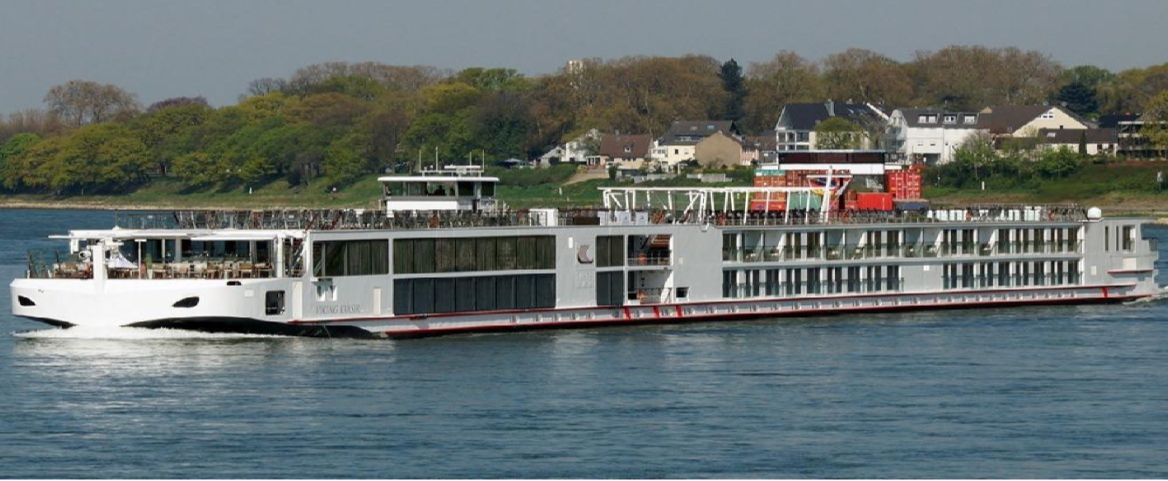

Viking Longships Magni
8 Cruises
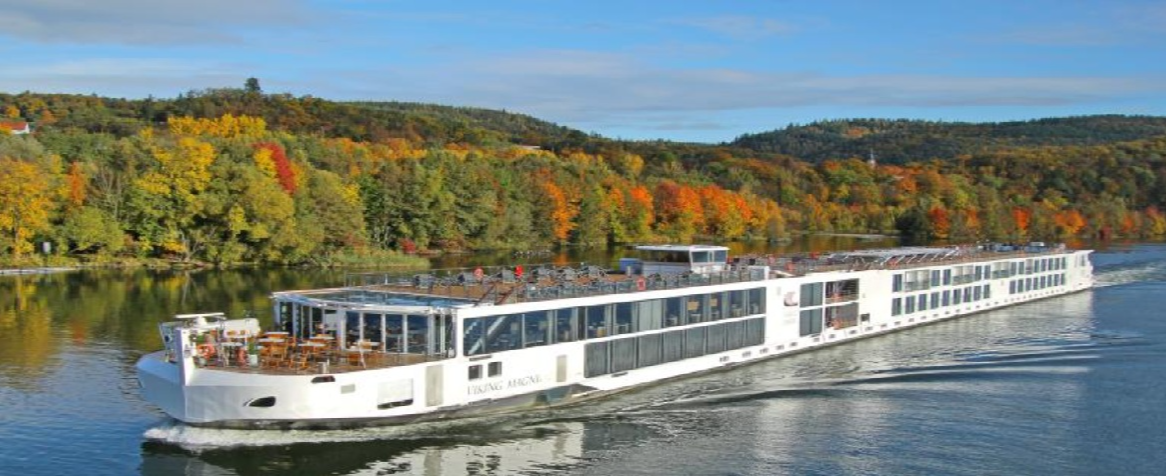
Viking Longships Mimir
8 Cruises
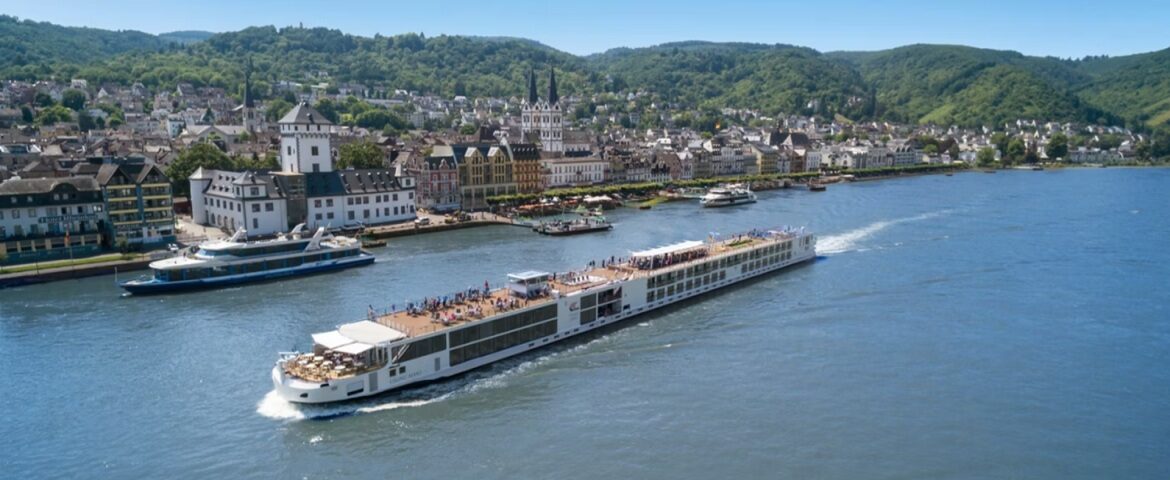
Port of Maastricht | Cruise Port Guide
Frequently Asked Questions
Along the Meuse, just a few steps from the old centre. Few Dutch cities pack so many churches, squares and terraces into such a walkable area: no transport is needed.
A stone bridge with medieval arches, considered the oldest in the Netherlands. Crossing it on foot immediately gives you the measure of the place: the lively Wyck quarter on one side, the old centre and its steeples on the other.
Two buildings face each other: the Basilica of Saint Servatius, a Romanesque masterpiece holding the saint's tomb and a treasury of medieval goldwork, and St John's church with its climbable red tower. The contrast between the red and the grey sums the city up.
A bookshop inside a thirteenth-century Dominican church. Beneath Gothic vaults, a multi-storey structure of shelving rises towards the frescoes, and a café occupies the choir. It is the most photographed curiosity in town.
Yes. At the southern edge of the centre, the Sint-Pietersberg hill hides a network of galleries hand-cut into the marl and quarried since the Middle Ages. Lantern-lit guided tours run through these cool corridors where refugees and artworks sheltered during wartime.
A thirteenth-century city gate, the oldest surviving in the Netherlands. It stands at the end of the ramparts running beside the municipal park, where sheep graze — an unexpected detail two steps from a busy city centre.
Vlaai, the large Limburg fruit tart sold in every pastry shop, regional cheese and local beers on a terrace. The city claims, with survey evidence, to be the culinary capital of the Netherlands.
Wednesdays and Fridays, on the town hall square. They are colourful and give a good sense of the Limburg character, more southern than the rest of the country.
In the Stokstraatkwartier, cobbled streets lined with seventeenth- and eighteenth-century façades. They rank among the most elegant in the Benelux, and walking them is a pleasure whether or not you look in the windows.
No, and that is exactly the point. It has neither Amsterdam's canals nor postcard windmills: wedged between Belgium and Germany, it claims Roman origins and a southern ease of living. The Dutch themselves consider it their most foreign-feeling city.


