King George Island Antarctica South Shetlands
Antarctica
300
Cruises availables
At departure or passage at this port
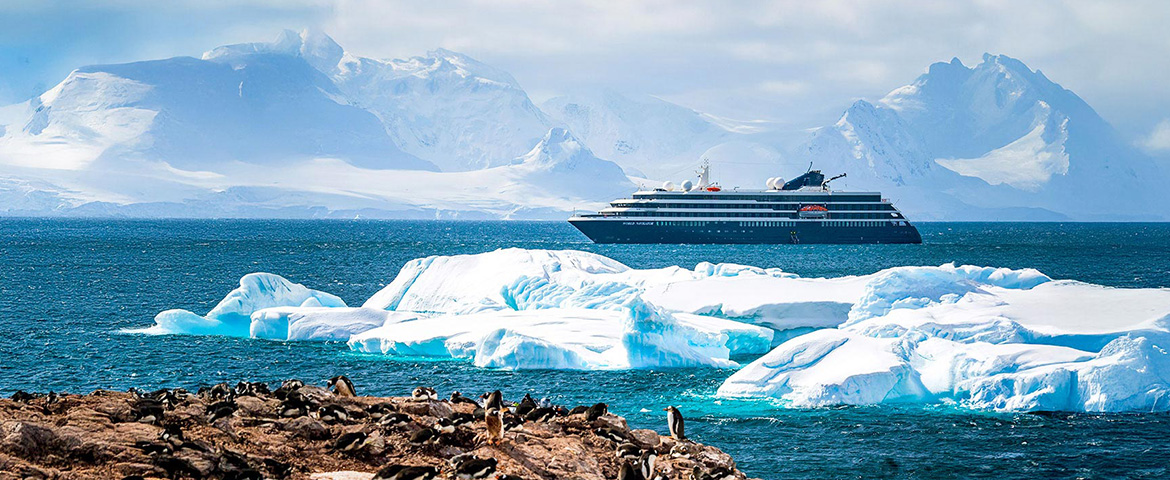

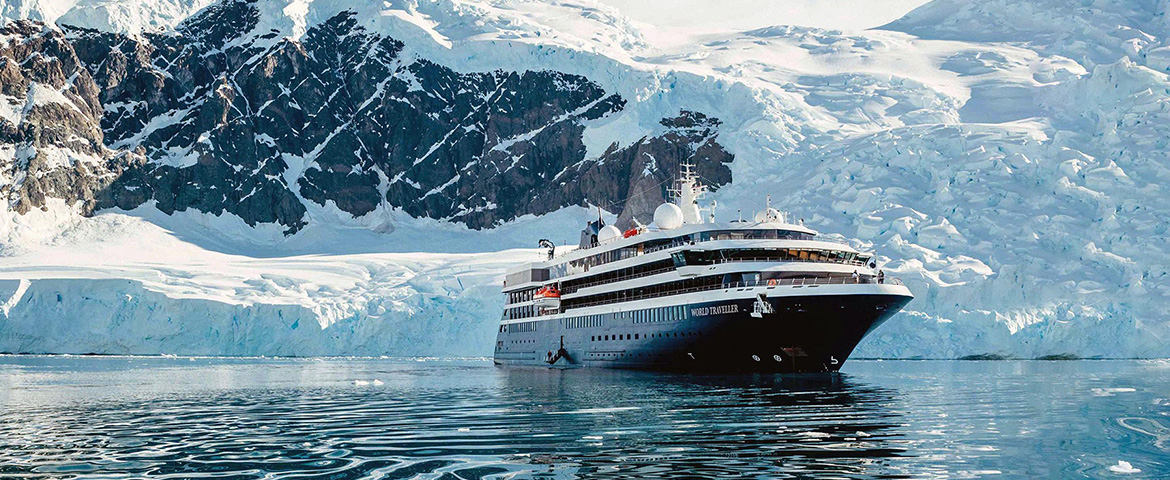
Aurora Expeditions (17 Cruises)
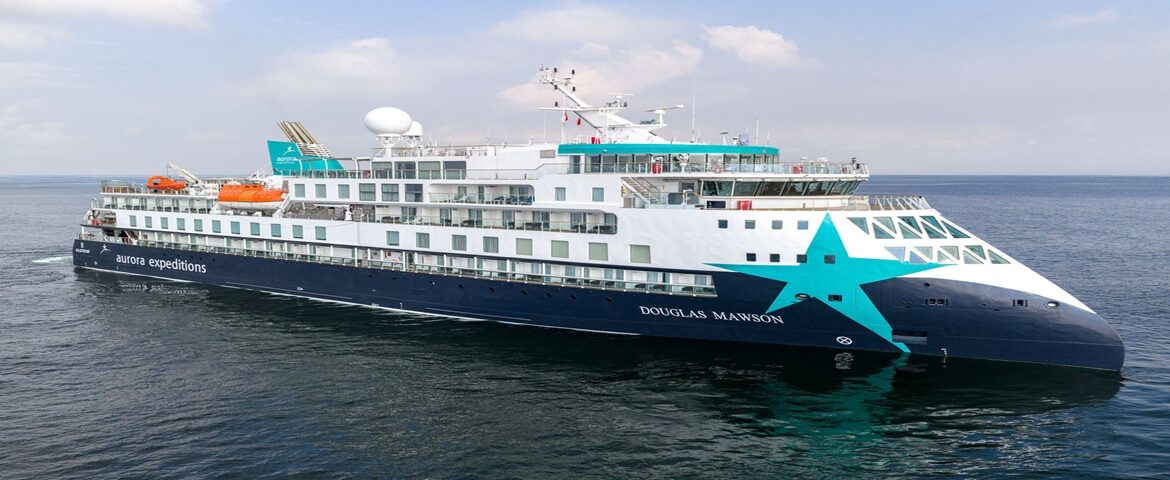
Douglas Mawson
8 Cruises

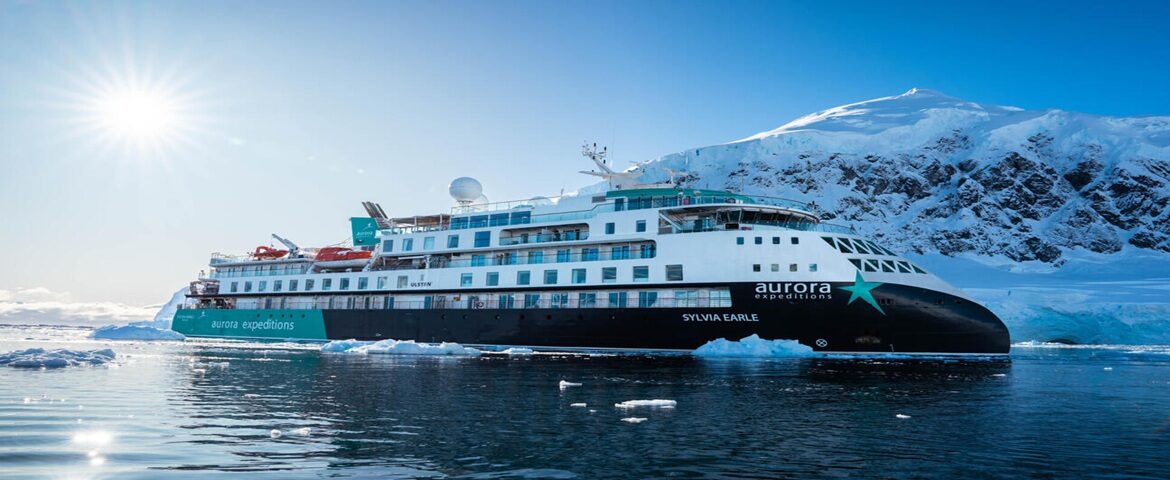
Sylvia Earle
7 Cruises
| 8 January | 20 days | One-way from Ushuaia to Punta Arenas |
450-628-6241
Call us
|
| 25 January | 12 days | One-way from Punta Arenas to Ushuaia |
450-628-6241
Call us
|
Lindblad Expeditions (180 Cruises)
Greg mortimer
4 Cruises


National Geographic Explorer
96 Cruises
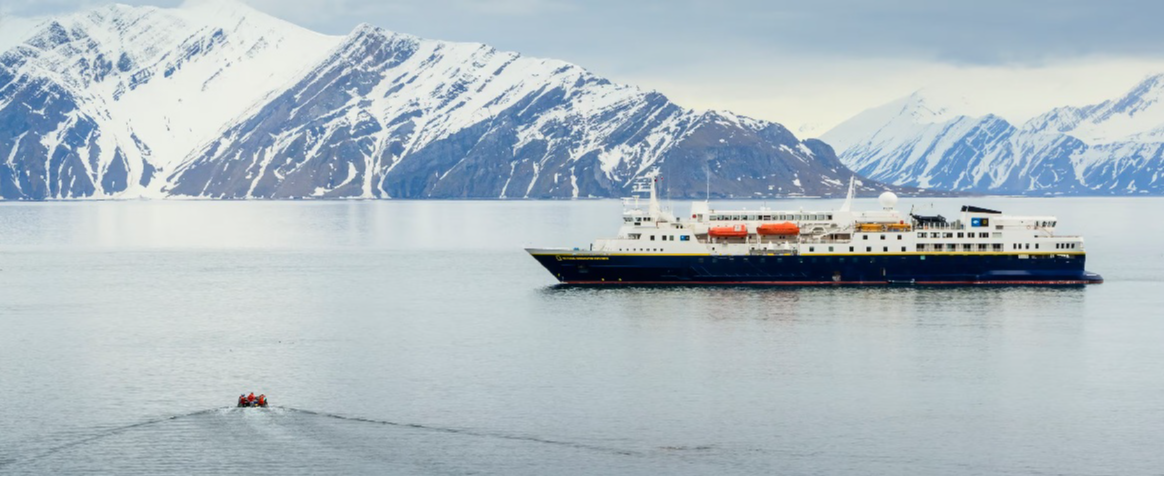
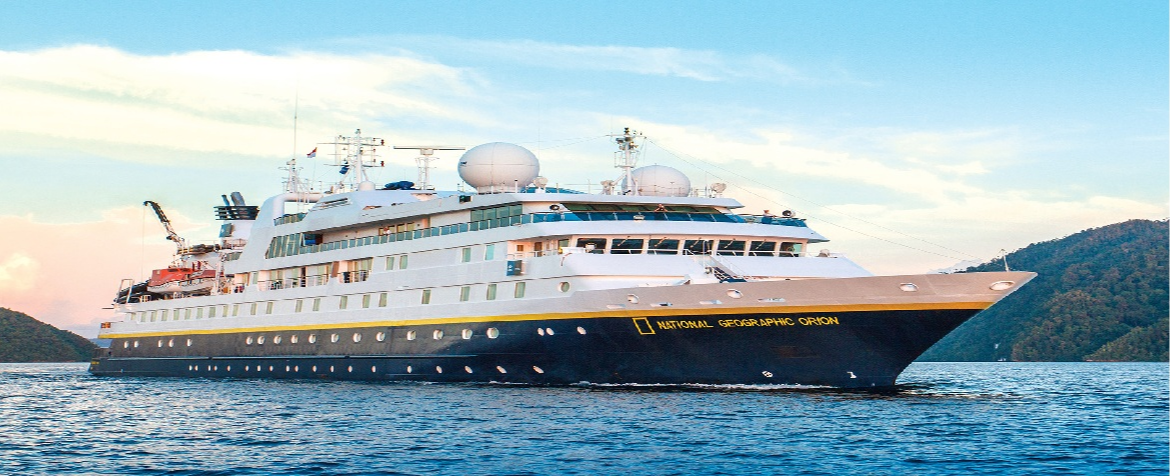
National Geographic Orion
80 Cruises
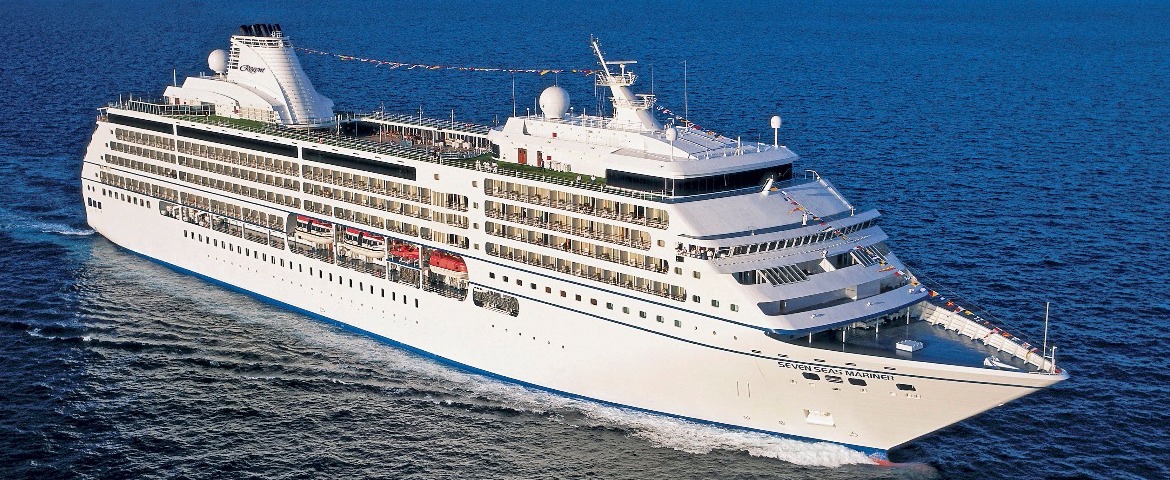

Silversea Cruises (89 Cruises)
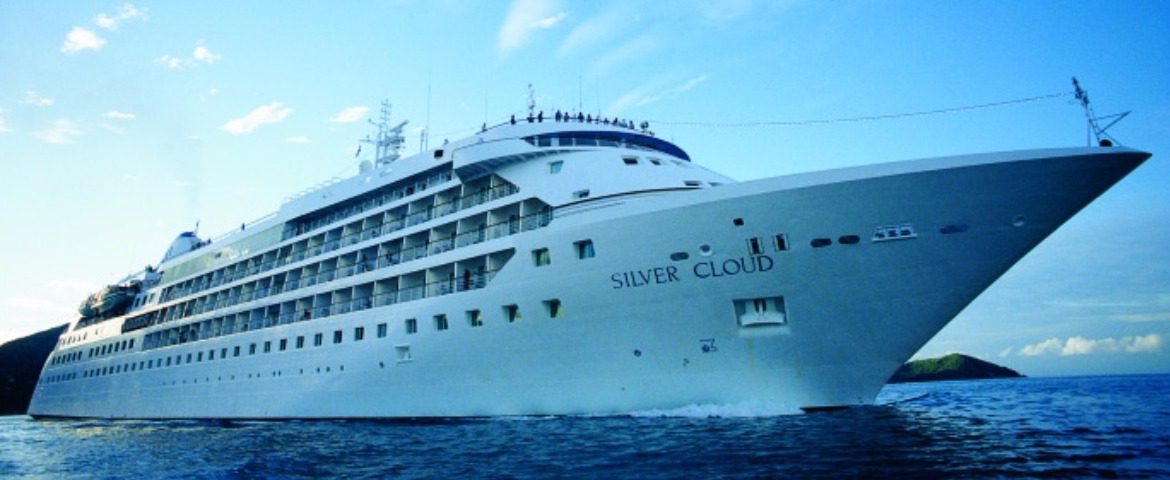

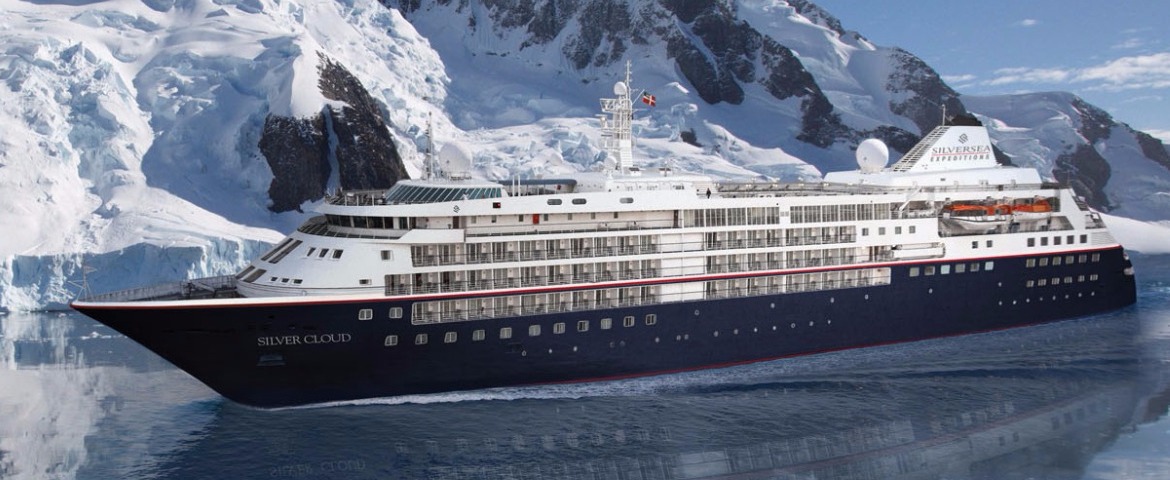
Silver Endeavour
43 Cruises
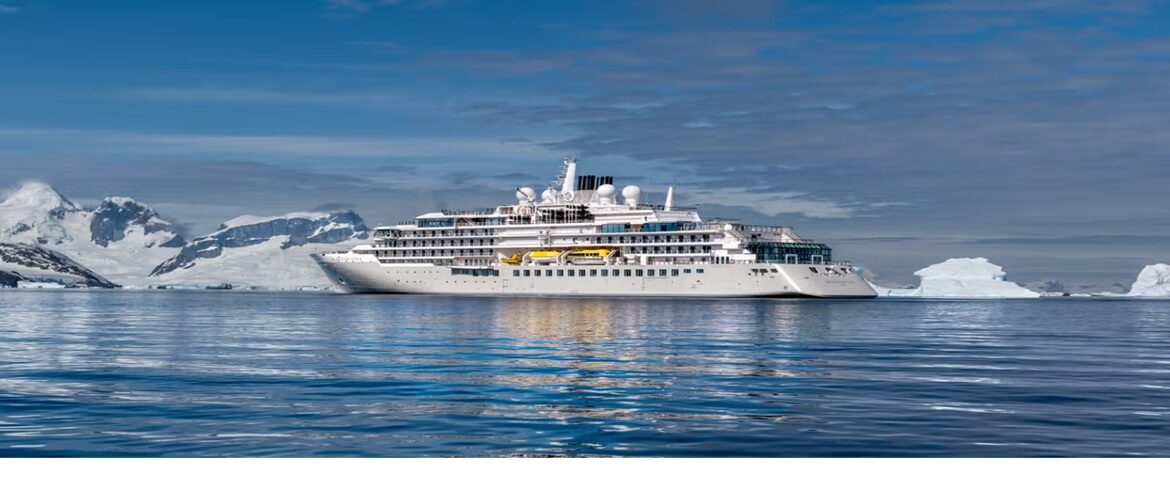
| 2 January | 14 days | One-way from King George Island Antarctica to Puerto Williams |
450-628-6241
Call us
|
| 24 January | 7 days | Round-trip from King George Island Antarctica |
450-628-6241
Call us
|
| 23 October | 15 days | One-way from Puerto Williams to King George Island Antarctica |
450-628-6241
Call us
|
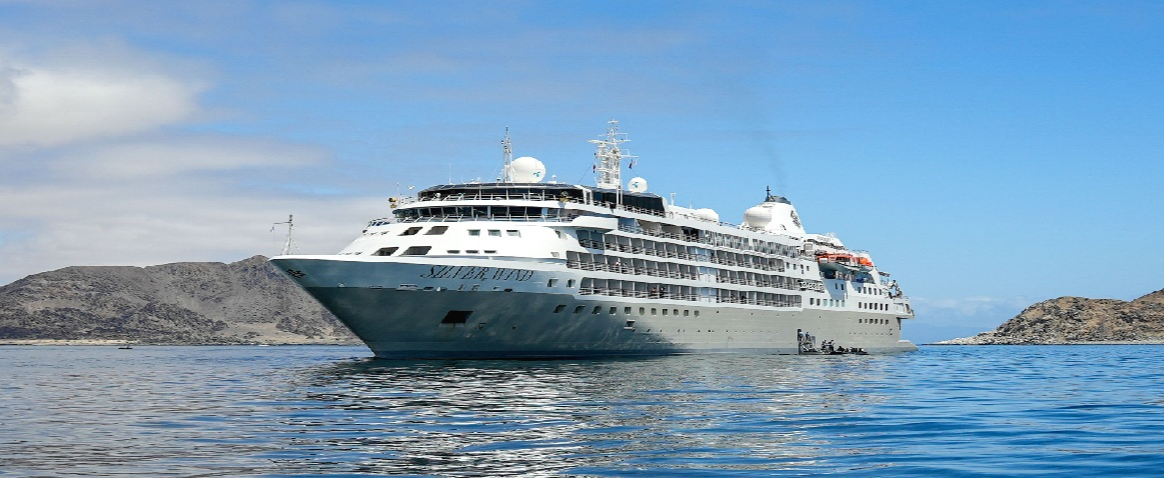
Silver Wind
42 Cruises
| 1 March | 10 days | One-way from Puerto Williams to King George Island Antarctica |
450-628-6241
Call us
|
| 10 March | 10 days | One-way from King George Island Antarctica to Puerto Williams |
450-628-6241
Call us
|
| 26 October | 15 days | One-way from Puerto Williams to King George Island Antarctica |
450-628-6241
Call us
|

King George Island, Antarctica | Cruise Port Guide
Frequently Asked Questions
It is the largest of the South Shetland Islands, about 120 kilometres from the Antarctic Peninsula. For anyone arriving after two days at sea in the Drake Passage, it is the first land since Cape Horn.
No pier awaits the ships : you anchor offshore and land by zodiac, in boots, on volcanic gravel beaches. Outings depend entirely on the conditions of the day.
Yes. Some fly and cruise itineraries use the airstrip at the Chilean Frei station : passengers fly in from Punta Arenas and join their ship at anchor, skipping the Drake Passage crossing.
About ten nations maintain research stations along a few kilometres of ice free coast : Chile, Russia, Poland, Korea, China, Uruguay, Brazil and others. It is the most cosmopolitan crossroads in Antarctica.
Sometimes, when science programmes allow. A genuine hamlet has grown around the Chilean Frei base, with a school, a post office and a gym for staff families. Some researchers take the time to explain their work to visitors.
Yes, the small Trinity Church, in dark timber, on a knoll above the Russian Bellingshausen station. Built in Siberia, reassembled on site and consecrated in 2004, it remains the southernmost Orthodox place of worship in the world.
From November to March, colonies of gentoo, Adélie and chinstrap penguins raise their chicks under the watch of patrolling skuas. Elephant seals, Weddell seals and leopard seals share the beaches and the cold water.
The largest inlet on King George Island. Zodiac cruises run along its glacier fronts, where icebergs calve with a dull crash you sometimes hear before you see it.
The same as for researchers : a maximum of about one hundred people ashore at a time, distances from wildlife, boot decontamination, nothing left behind but footprints. That is the spirit of the Antarctic Treaty.
November through March, the austral summer. Penguin colonies are active all season, with chicks at the height of summer. It is also the only period when expedition ships work the South Shetlands.


