Hitachinaka Japan Ibaraki

100 Cruises availables At departure or passage at this port

Princess Cruises (22 Cruises)

Seabourn Cruise Line (48 Cruises)

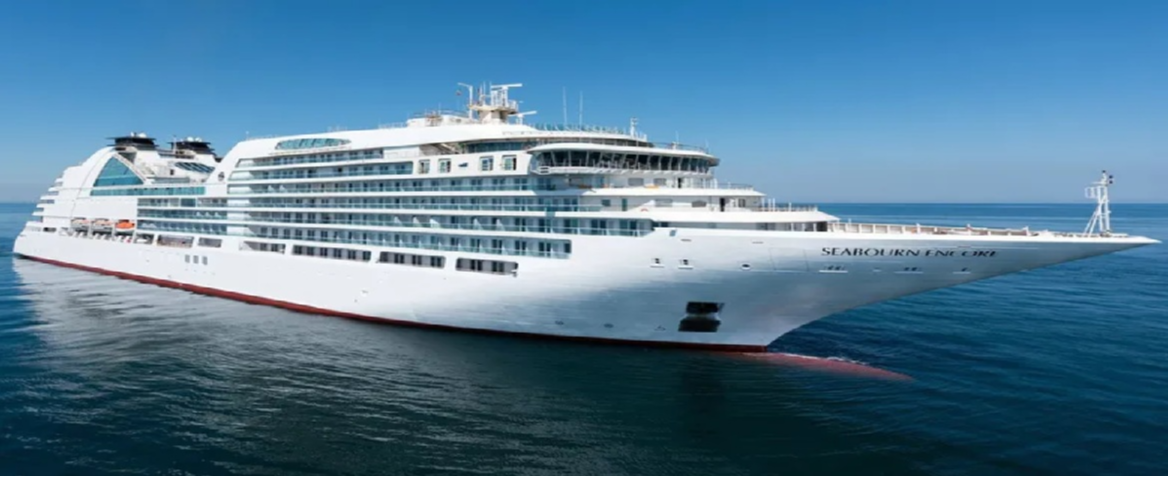
Seabourn Encore.

Seabourn Encore

40350 tons
Visit the ship's page

Port of Hitachinaka | Cruise Port Guide

In spring, an entire hillside in this corner of Japan turns blue: millions of blooming nemophila cover the slopes of Hitachi Seaside Park, to the point where earth and sky seem to merge into a single pale hue. It's for this spectacle, and its autumn counterpart in blazing red, that ships now call at Hitachinaka, a port city in Ibaraki Prefecture, about a hundred kilometres northeast of Tokyo, facing the Pacific.

An Industrial Landing, Efficient Shuttles

Ships dock in a commercial zone where walking is restricted: shuttles and coaches take over right from the gangway, heading to Katsuta Station or directly to the main sights. It's worth planning the day ahead, whether through an excursion or using the complimentary shuttles, since the points of interest are spread out around the city. At peak bloom, weekends also draw tens of thousands of visitors from Tokyo: leaving the ship early guarantees quieter paths and the best light for photos. Locals, not especially used to cruise ships, greet visitors with a warmth that more than makes up for the container-yard scenery of the first few minutes; it's not unusual to see volunteers waving flags as the ship departs, until it disappears behind the breakwater.

Tides of Flowers Facing the Pacific

Set on former coastal dunes, Hitachi Seaside Park orchestrates the seasons across 350 hectares: blue nemophila in late April and May, tulips and daffodils earlier in spring, and cosmos and kochia, those round bushes that blaze red in October before drying into golden balls. Trails, a Ferris wheel, and rental bikes make it easy to cover the hills at your own pace, between pine groves and ponds where ducks nest; a small rubber-tyred train spares tired legs. Photographers spend hours crouched between the rows; everyone else enjoys a well-filled morning, nemophila-flavoured ice cream in hand, a local specialty best enjoyed with a smile.

Nakaminato, the Fish Market

Near the mouth of the Naka River, the Nakaminato market lines up fishmongers, sushi counters, and skewer stands around the trawler basin. Here, visitors dine on tuna, grilled scallops, and bowls of rice piled generously with raw fish in a way no Tokyo restaurant can match, elbow to elbow with Japanese families stocking up for the week. The lively, good-natured atmosphere alone is worth the trip; bring cash for the smaller stalls, and try hoshi-imo, dried sweet potato, a modest-looking treat from the region that calls itself the country's capital for it and is well worth discovering.

Toward Mito and the Torii in the Waves

Excursions often push on to Mito, the neighbouring prefectural capital, for Kairakuen Garden, one of Japan's three great landscape gardens, renowned for its three thousand plum trees blooming at winter's end. Another popular stop, Oarai Isosaki Shrine raises one of its sacred torii gates on a rock pounded by the waves, a favourite spot for photographers at sunrise; the nearby aquarium, among the largest in the country, delights families with its sharks and ocean sunfish.

Points of Reference for the Stop

DetailNote
DockingCommercial port area; shuttles required
Hitachi Seaside ParkNemophila in April-May, kochia in October
Nakaminato MarketFresh fish meals; cash recommended

Hitachinaka doesn't appear on any list of Japan's great ports of call, and its visitors are glad of it. They leave with images the big cities can't offer: a blue hillside in the sea breeze, a torii gate in the sea spray, and the smile of a fishmonger handing over a skewer still warm from the grill.

Frequently Asked Questions

In a commercial port area where pedestrian movement is restricted. Shuttles and coaches take over at the gangway, running to Katsuta station or directly to the attractions. Leaving on foot is not possible.
In Ibaraki prefecture, about a hundred kilometres northeast of Tokyo, facing the Pacific. It is a recent addition to Japanese itineraries, chosen mainly for Hitachi Seaside Park.
A 350-hectare flower park laid out on former coastal dunes. It stages the seasons: blue nemophila in late April and May, tulips and narcissi earlier in spring, cosmos and kochia, the round bushes that blaze red in October.
Late April and May. Millions of flowers then cover the slopes until earth and sky seem to merge. At peak bloom, weekends draw tens of thousands of Tokyo visitors: leaving the ship early secures the quietest paths.
A small rubber-tyred train spares tired legs, and bicycles can be hired on site to cover the hills faster. Trails, a Ferris wheel and ponds connect at your own pace. Allow a good morning for the full circuit.
A fish market near the mouth of the Naka river: fishmongers, sushi counters and skewer stands around the trawler basin. You eat tuna, grilled scallops and rice bowls topped with raw fish, elbow to elbow with Japanese families.
Yes, especially at Nakaminato market, where small stalls do not take cards. The region receives few foreign visitors and payment habits are more traditional than in the big cities.
Kairakuen garden, one of Japan's three great landscape gardens, famous for its three thousand plum trees in bloom at the end of winter. Mito is the neighbouring prefectural capital, and most organized excursions go there.
A shrine whose sacred gate stands on a wave-battered rock, a favourite of photographers at sunrise. The nearby aquarium, among the country's largest, delights families with its sharks and sunfish.
Hoshi-imo, dried sweet potato, of which the region is the national capital. It is a modest-looking treat that deserves to be better known, and it travels back to the cabin without trouble. The nemophila flower ice cream, by contrast, is eaten on the spot.