Foynes Ireland

25 Cruises availables At departure or passage at this port

Port of Foynes, Ireland | Cruise Port Guide

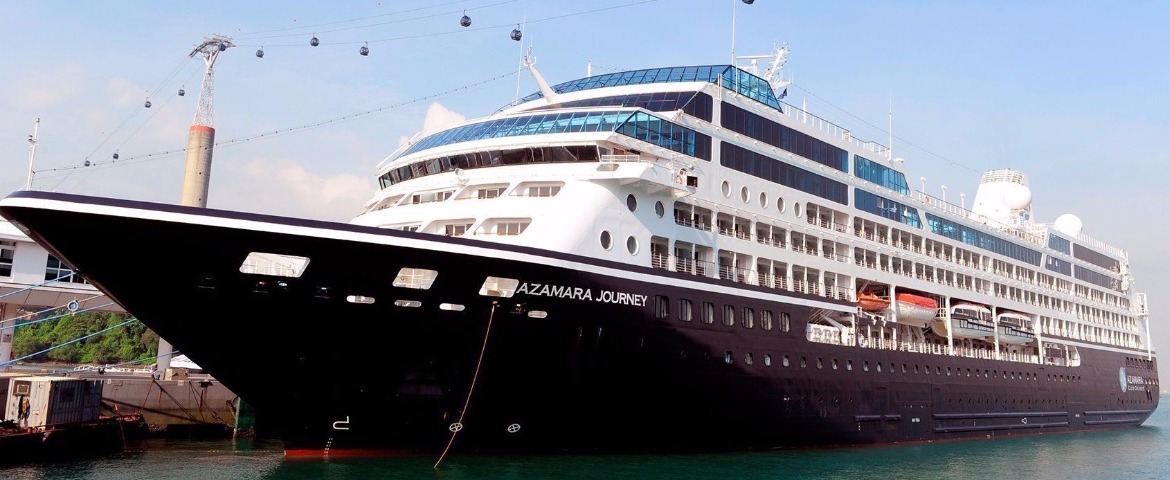
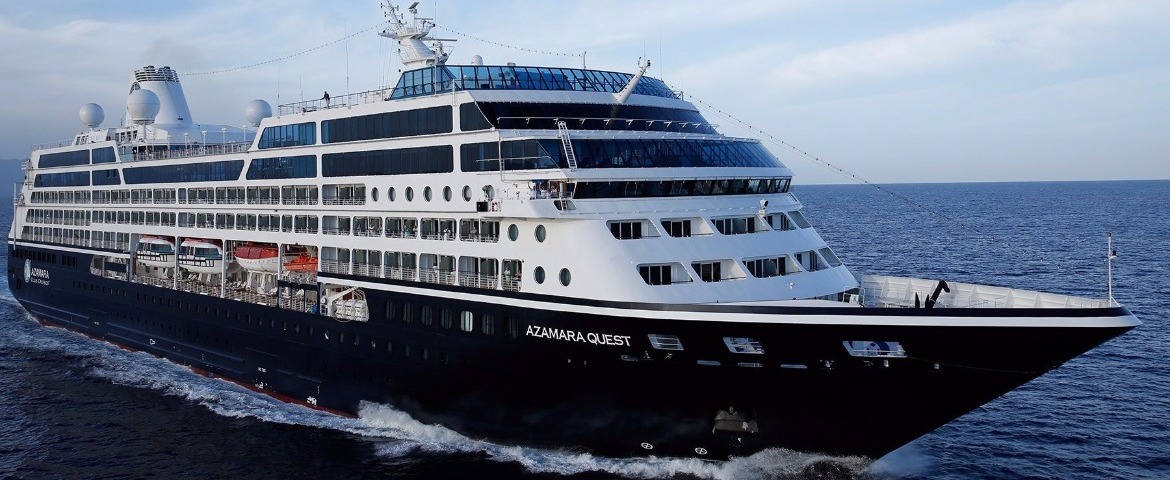
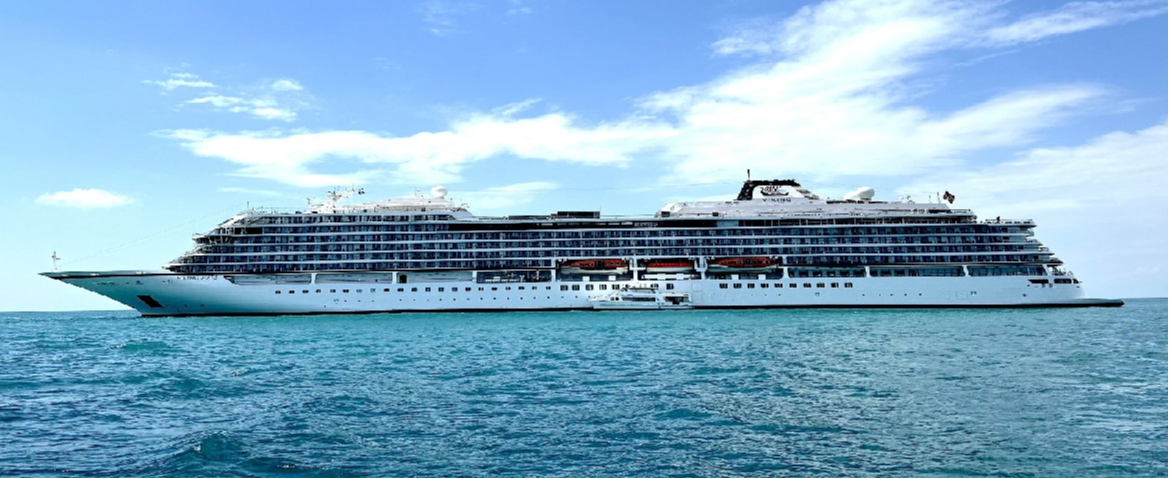
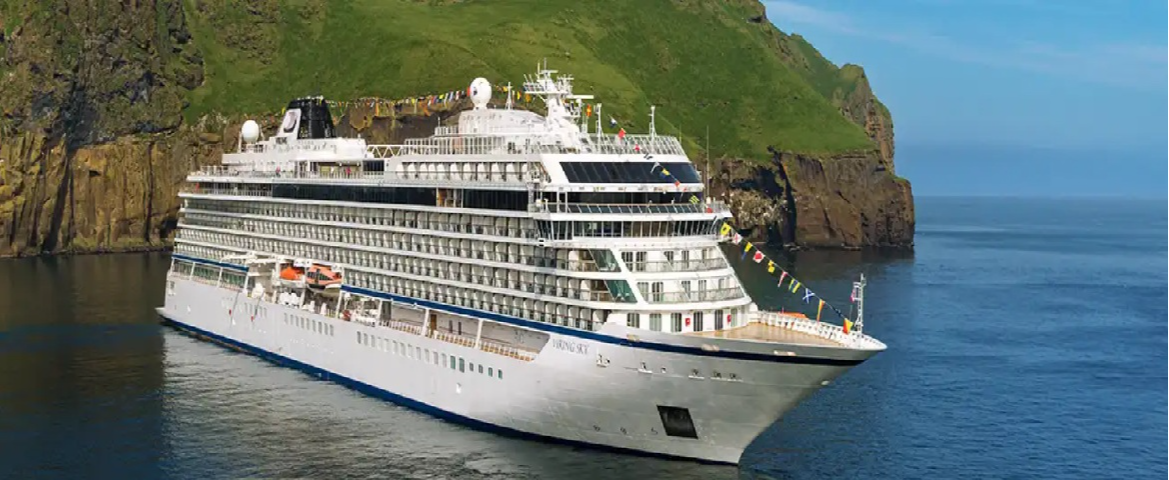
In the 1940s, the sky over this Irish village hummed with flying boats. Foynes, set on the south bank of the Shannon estuary, once served as Europe's gateway for transatlantic flights: the Boeing 314s, those giants of the air that landed on water, stopped over here between America and the Old World. Today, cruise ships have taken the place of the flying boats. The Shannon offers one of the deepest anchorages in Ireland here, and mid-sized ships dock directly at the quay, just a few minutes' walk from the village.

The Flying Boat Museum

The main attraction sits just steps from the pier. The Foynes Flying Boat and Maritime Museum occupies the former terminal from which passengers once departed in the 1930s and 1940s, a time when crossing the Atlantic by air was an adventure reserved for the wealthy and the famous. Visitors can board a full-scale replica of a Boeing 314, complete with sleeping berths, dining room, and cockpit, before trying the flight simulator or climbing up into the reconstructed control tower, which offers a 360-degree view over the surrounding area. The maritime section rounds things out with the story of navigation on the Shannon, Ireland's longest river.

The Birth of Irish Coffee

The village lays claim to an invention that went on to conquer the world. On a winter night in 1943, a flying boat forced to turn back brought a group of frozen passengers back to the terminal. Chef Joe Sheridan had the idea of warming their coffee with whiskey and topping it with cream: Irish coffee was born. The museum brings that evening back to life through a holographic presentation, then invites visitors to sample the drink prepared just so, in the very place it was first served. Few villages this size can claim a legacy quite like it.

The Village and Its Estuary

Foynes then reveals itself over an unhurried stroll. The main street lines up colourful façades, a handful of shops, and pubs where the welcome is warm and unpretentious. Behind the houses, a hill topped with a cross offers walkers a sweeping view over the estuary, its islands, and the steady traffic of cargo ships. Water remains ever-present: here the Shannon widens into a sea inlet crossed by rigid inflatable boat excursions in search of seals and shorebirds. Garden enthusiasts can also head to Knockpatrick Gardens, a family-run terraced garden overlooking the water.

Adare and the Surrounding Area

About thirty minutes' drive away, the town of Adare is considered one of the prettiest in Ireland, with its rows of thatched cottages, its parks, and its manor house turned luxury hotel. The excursion combines easily with the stop itself. Limerick, the Republic's third-largest city, lies about 35 kilometres away and is worth the detour for its medieval castle set on the river and its Georgian quarters. Between the two, the county unfolds a landscape of hedge-lined fields dotted with the ruins of towers and churches.

Taking Flight Again

As the ship departs, it pulls away from the quay and the estuary opens back up to its full width. Thoughts drift to the flying boat crews who once scanned this same stretch of water before launching off toward Newfoundland, carrying mail, spies, and film stars. Foynes has kept, from that era, a taste for stories well told, preferably over a steaming glass topped with cream. Visitors leave Ireland warmed from the inside, in every sense of the word.

Frequently Asked Questions

Directly at the quay, on the south shore of the Shannon estuary, a few minutes' walk from the village. The Shannon offers one of Ireland's deepest anchorages here, allowing mid-sized ships to come alongside without tendering.
Because in the 1930s and 1940s this village served as Europe's gateway for transatlantic flights. The Boeing 314s, those giants of the air that landed on water, called here between America and the Old World.
It occupies the original terminal from which those passengers departed. You board a full-scale replica of a Boeing 314, with its bunks, dining room and cockpit, then try the flight simulator or climb the reconstructed control tower with its 360-degree view.
That is the claim made here. On a winter night in 1943, a flying boat forced to turn back brought chilled passengers to the terminal. Chef Joe Sheridan thought to warm their coffee with whiskey and top it with cream. The museum recreates that evening and serves the drink where it was first poured.
Yes. The museum is steps from the landing and the main street, with its coloured façades, shops and pubs, is a few minutes away. Behind the houses, a hill topped with a cross gives a wide view over the estuary, its islands and the passing freighters.
The flying boat museum and the village comfortably fill half a day. Those who prefer countryside take the excursion to Adare, about thirty minutes by road. Trying to combine the museum and Limerick is optimistic.
Yes. The Shannon widens here into an arm of the sea criss-crossed by rigid inflatable boat trips in search of seals and shorebirds. It is a good alternative for anyone who has already seen the museum.
One of the prettiest in Ireland, about thirty minutes by road from Foynes, with its row of thatched cottages, its parks and its manor turned luxury hotel. The excursion combines easily with a stop in the village itself.
Yes, the Republic's third city lies about 35 km away. It rewards a visit with its medieval castle on the river and its Georgian quarters, but the round trip takes up a good part of the day.
Yes, Knockpatrick Gardens, a family terraced garden looking out to sea. It is a quiet stop, appreciated by garden lovers, a short distance from the village.