Heidelberg Germany Baden-Wurttemberg
375
Cruises availables
At departure or passage at this port
CroisiEurope (44 Cruises)
MS Lafayette
5 Cruises


MS Leonard de Vinci
31 Cruises
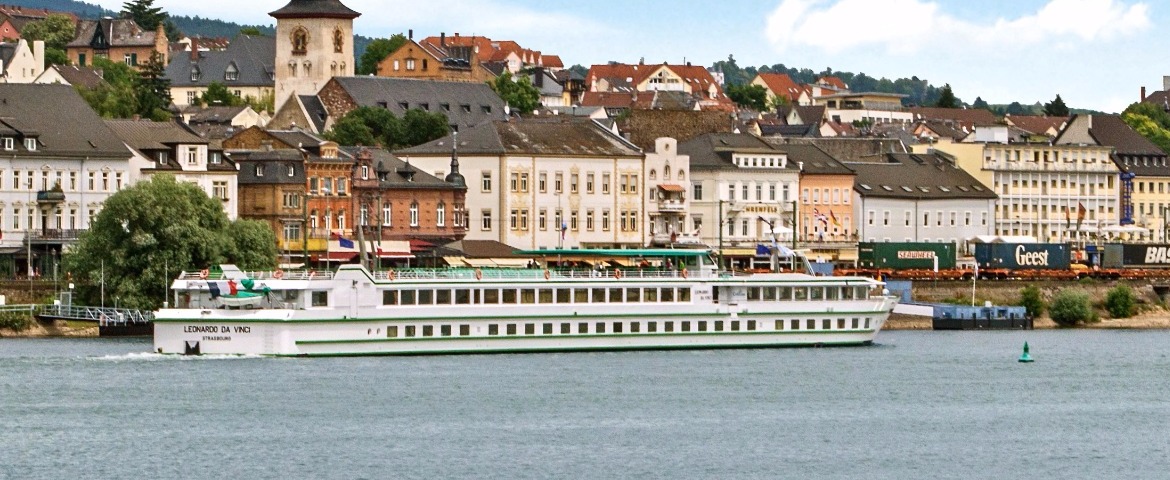
| 30 April | 9 days | One-way from Kehl-Strasbourg to Remich |
450-628-6241
Call us
|
| 30 April | 8 days | One-way from Kehl-Strasbourg to Remich |
450-628-6241
Call us
|
| 8 May | 7 days | One-way from Remich to Kehl-Strasbourg |
450-628-6241
Call us
|
| 24 May | 7 days | One-way from Remich to Kehl-Strasbourg |
450-628-6241
Call us
|

Emerald Waterways (2 Cruises)


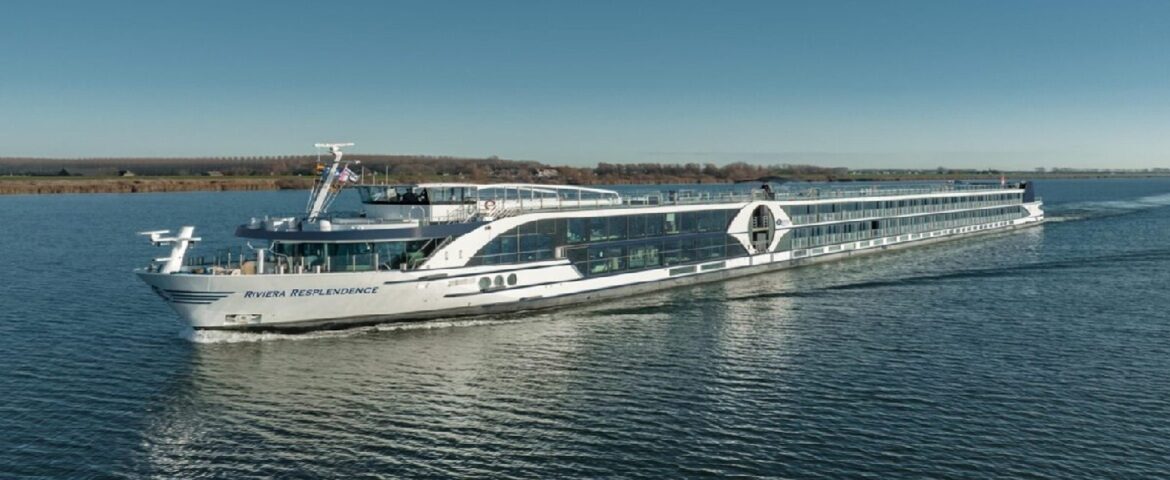
Riviera Travel (28 Cruises)
MS Emily Bronte
10 Cruises
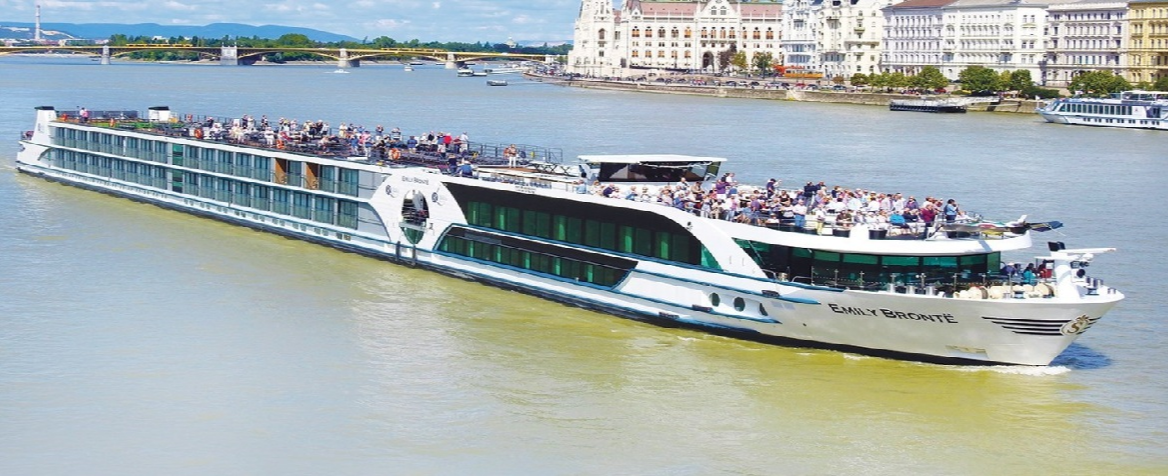

| 31 May | 7 days | Round-trip Rhine, Strasbourg and Heidelberg River Cruise - MS Emily Bront |
450-628-6241
Call us
|
| 31 May | 8 days | Round-trip from Cologne, Germany |
450-628-6241
Call us
|
| 21 June | 8 days | Round-trip from Cologne, Germany |
450-628-6241
Call us
|
| 21 June | 7 days | Round-trip Rhine, Strasbourg and Heidelberg River Cruise - MS Emily Bront |
450-628-6241
Call us
|
| 2 August | 7 days | Round-trip Rhine, Strasbourg and Heidelberg River Cruise - MS Emily Bront |
450-628-6241
Call us
|
| 2 August | 8 days | Round-trip from Cologne, Germany |
450-628-6241
Call us
|
MS George Eliot
6 Cruises
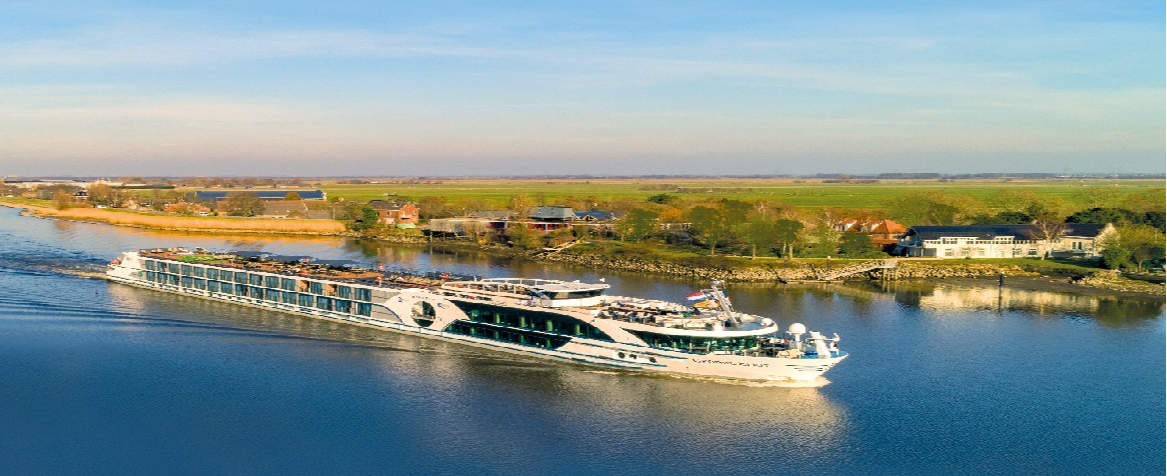
MS Oscar Wilde
8 Cruises
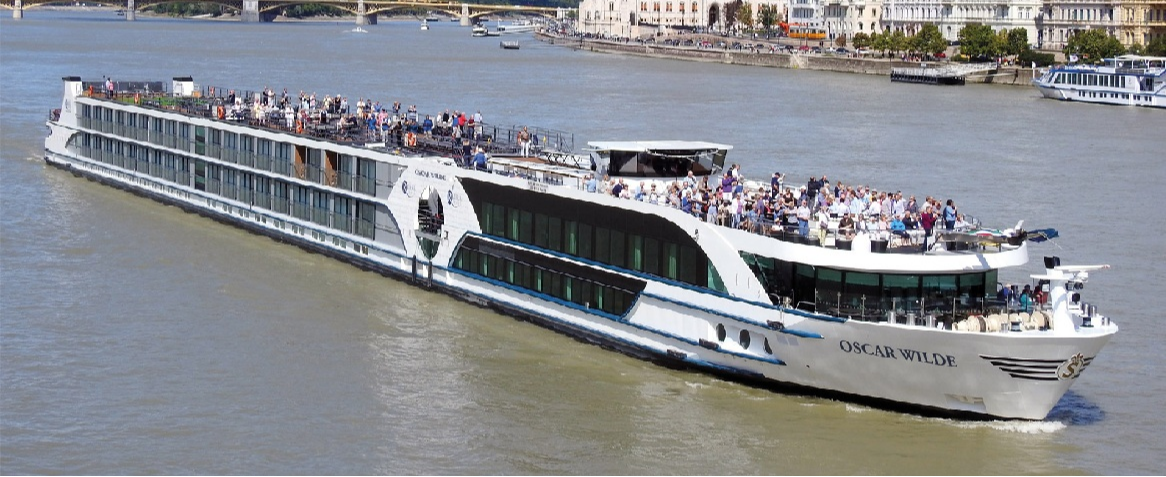
| 15 June | 7 days | Round-trip Rhine, Strasbourg and Heidelberg River Cruise - MS Oscar Wilde |
450-628-6241
Call us
|
| 15 June | 8 days | Round-trip from Cologne, Germany |
450-628-6241
Call us
|
| 13 July | 7 days | Round-trip Rhine, Strasbourg and Heidelberg River Cruise - MS Oscar Wilde |
450-628-6241
Call us
|
| 13 July | 8 days | Round-trip from Cologne, Germany |
450-628-6241
Call us
|
Viking River Cruises (301 Cruises)
Viking Longships Alsvin
149 Cruises
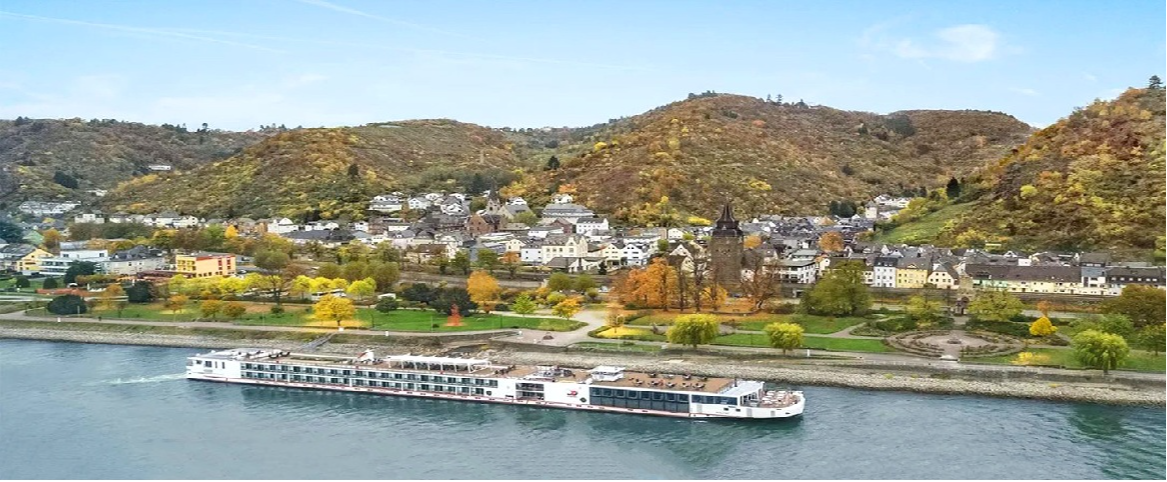

| 30 April | 8 days | One-way from Trier to Bamberg |
450-628-6241
Call us
|
| 30 April | 7 days | One-way from Trier to Bamberg |
450-628-6241
Call us
|
Viking Longships Idi
152 Cruises
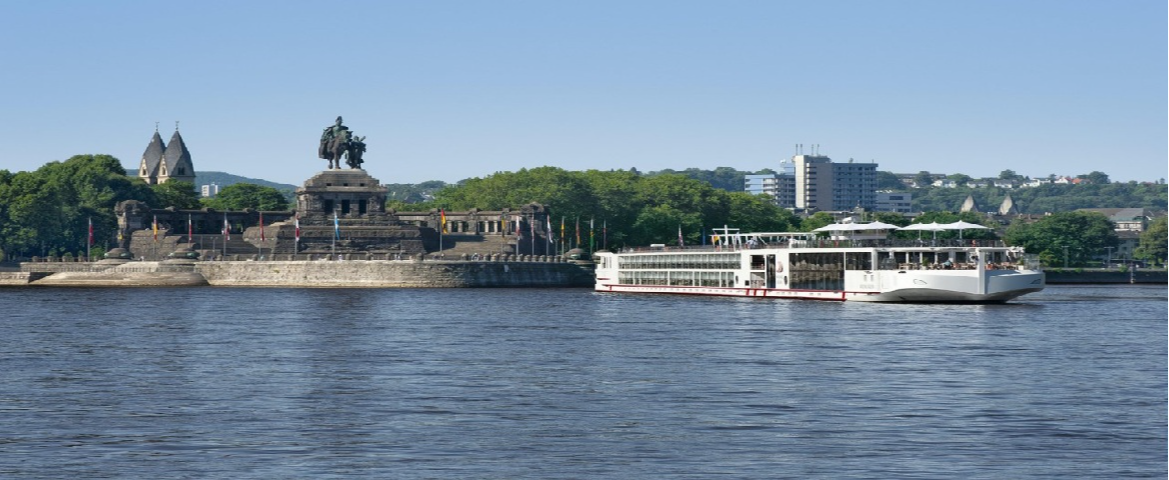
| 3 March | 8 days | One-way from Bamberg to Trier |
450-628-6241
Call us
|
| 3 March | 7 days | One-way from Bamberg to Trier |
450-628-6241
Call us
|

Heidelberg, Germany | Cruise Port Guide
Frequently Asked Questions
Rarely in Heidelberg itself. River ships generally call at Mannheim or Speyer, about thirty minutes away by road. Some excursion boats do come up the Neckar to the foot of the old walls, but that is not the norm.
No, except in the particular case of excursion boats coming up the Neckar. From Mannheim or Speyer, allow about thirty minutes by road. Once there, however, everything is walkable.
The castle first, via the funicular from the Kornmarkt. Then the Hauptstrasse and the university old town, the market square and the old bridge. If time allows, the climb to the Philosophers' Walk for the city's most famous view.
No. A funicular leaves from the Kornmarkt and lifts passengers to the upper terraces in a few minutes, sparing a steep climb. It is the sensible choice when the call is short or walking is difficult.
Partly, yes, and that is what made its reputation. The red sandstone Renaissance facades, torn open by the wars of the 17th century, were never fully rebuilt. This is Germany's most famous ruin, not an intact castle.
A cask holding more than 200,000 litres, kept in the cellars. Legend has it that a court dwarf, Perkeo, was charged with guarding it and drinking it. A dance floor laid across its lid gives you the measure of the thing.
A gently rising path on the far bank of the Neckar, where university scholars once came to think. It leads to the viewpoint from which Heidelberg photographs best: the bridge in front, the tight roofs behind, the castle set in its frame of forest.
About twenty minutes by the Schlangenweg, the snake path, which zigzags between low walls. The climb is honest but short, and the benches at the top are among the best placed in Europe. Wear proper shoes.
The euro. As a heavily visited university city, Heidelberg takes cards widely in restaurants, museums and Hauptstrasse shops. Still, keep a few notes for small cafés and kiosks.
Yes, very much. The funicular, the Great Vat, the bronze monkey on the old bridge whose mirror you touch to ensure your return, and the student prison covered in graffiti left between 1780 and 1914 genuinely entertain children.


