Giverny France
64
Cruises availables
At departure or passage at this port
Riviera Travel (20 Cruises)
MS Jane Austen
10 Cruises
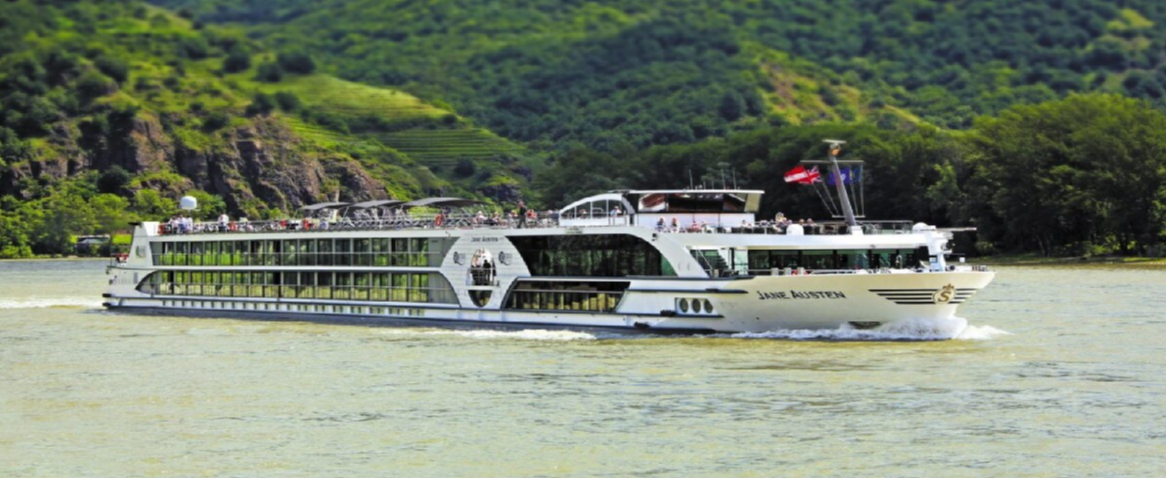

| 8 April | 7 days | Round-trip Gastronomy of the Seine River Cruise - MS Jane Austen |
450-628-6241
Call us
|
| 8 April | 8 days | Round-trip from Paris City, France |
450-628-6241
Call us
|
| 9 June | 7 days | Round-trip Gastronomy of the Seine River Cruise - MS Jane Austen |
450-628-6241
Call us
|
| 9 June | 8 days | Round-trip from Paris City, France |
450-628-6241
Call us
|
| 17 July | 8 days | Round-trip from Paris City, France |
450-628-6241
Call us
|
| 17 July | 7 days | Round-trip Gastronomy of the Seine River Cruise - MS Jane Austen |
450-628-6241
Call us
|
MS Lord Byron
10 Cruises
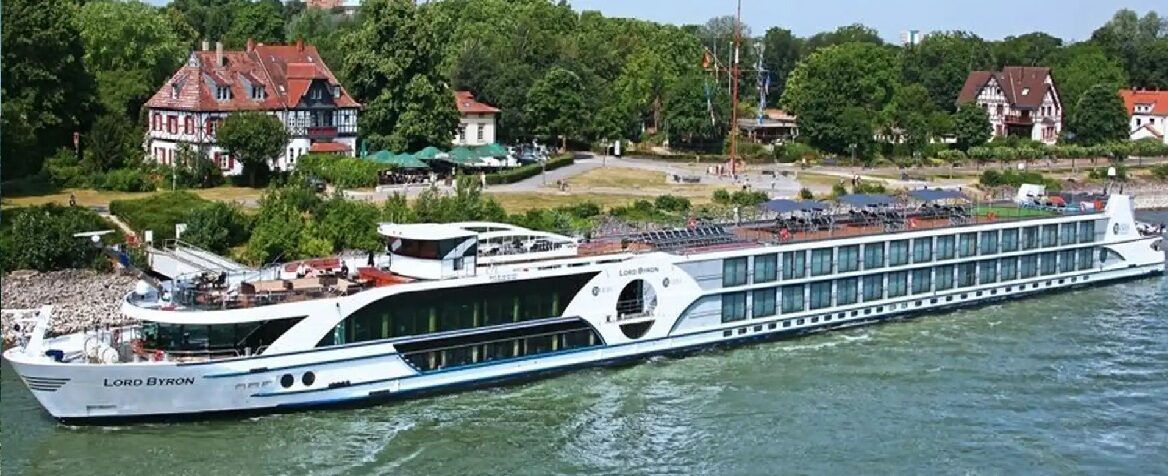
| 8 April | 14 days | One-way from Avignon to Paris City |
450-628-6241
Call us
|
| 8 April | 15 days | One-way from Avignon to Paris City |
450-628-6241
Call us
|
| 9 June | 14 days | One-way from Avignon to Paris City |
450-628-6241
Call us
|
| 9 June | 15 days | One-way from Avignon to Paris City |
450-628-6241
Call us
|
| 17 July | 14 days | One-way from Avignon to Paris City |
450-628-6241
Call us
|
| 17 July | 15 days | One-way from Avignon to Paris City |
450-628-6241
Call us
|
Tauck Cruises (44 Cruises)
MS Reverie
16 Cruises
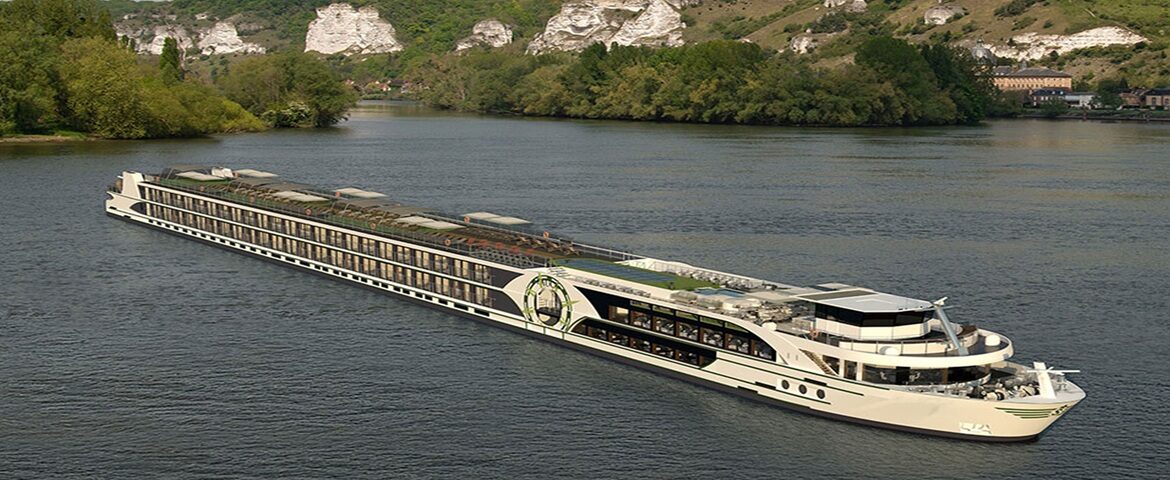

| 12 April | 11 days | One-way from Bordeaux to Paris City |
450-628-6241
Call us
|
| 22 April | 10 days | Round-trip from Paris City, France |
450-628-6241
Call us
|
| 13 June | 8 days | Round-trip from Paris City, France |
450-628-6241
Call us
|
| 17 June | 11 days | One-way from Bordeaux to Paris City |
450-628-6241
Call us
|
| 6 July | 10 days | Round-trip from Paris City, France |
450-628-6241
Call us
|
| 21 July | 11 days | One-way from Bordeaux to Paris City |
450-628-6241
Call us
|
MS Serene
28 Cruises
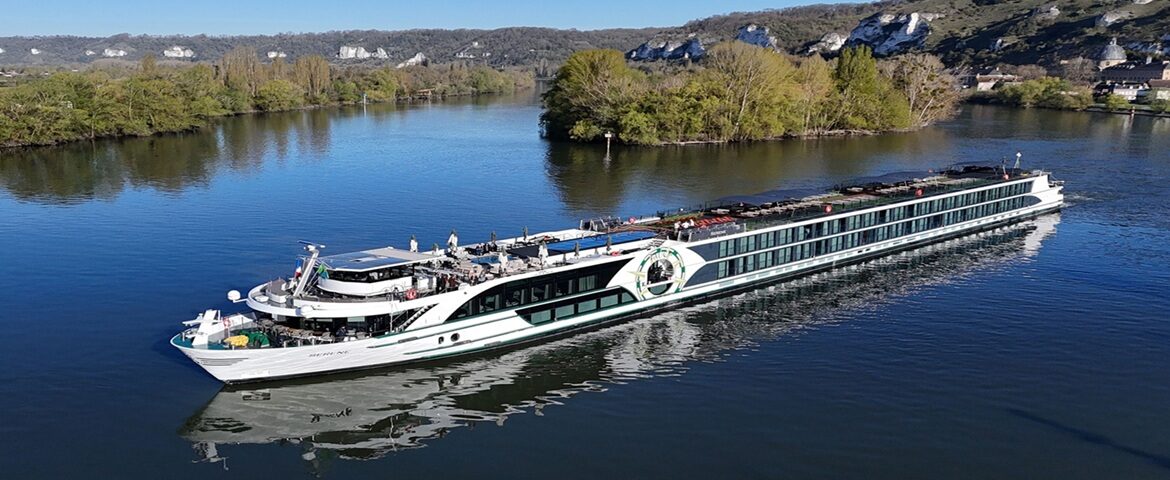
| 4 April | 8 days | Round-trip from Paris City, France |
450-628-6241
Call us
|
| 26 April | 11 days | One-way from Bordeaux to Paris City |
450-628-6241
Call us
|

Giverny France | Normandy River Cruise & Monet Garden Guide
Frequently Asked Questions
At Vernon, right in the centre of the small Norman town. Five kilometres separate the quay from Monet's estate, a ride excursion coaches cover in a few minutes along the valley.
No, five kilometres separate the Vernon quay from the village of Giverny. You need the excursion coach, a taxi or a bicycle. Vernon itself is walkable from the landing.
The excursion to Monet's estate generally fills half a day: the house, the Clos Normand and the water garden. Keep an hour for Vernon on the way back if the call allows.
The long pink house with green shutters holds his studio-drawing room and his collection of Japanese prints, along with the yellow dining room and the blue-tiled kitchen, still in their original colours. The Fondation Claude Monet keeps it all as the painter wanted it.
The garden in front of the house, laid out like a palette: straight paths spilling over with flowers, composed to give patches of colour from spring through autumn. It is the dry-land counterpart to the famous water garden.
Yes. A passage leads to the water garden, created by Monet by diverting an arm of the Epte. The lily pond opens beneath weeping willows, crossed by the Japanese bridge draped in wisteria. Walking around it means stepping physically into the paintings.
From 1883 until his death. He devoted his final decades to a single motif, up to the great Nymphéas panels given to France: forty-three years painting the same pond, the same lilies, the same Japanese bridge.
The Musée des impressionnismes, which explores the movement and its legacy through temporary exhibitions, and the churchyard of Sainte-Radegônde where Monet is buried, a few minutes' walk from his house.
The half-timbered houses around the collegiate church of Notre-Dame, and above all the Vieux-Moulin, a timber structure resting on the piers of a former medieval bridge and seeming to hang above the Seine. The shopping streets are steps from the landing.
The euro, cards accepted at the Foundation, the museum and village shops. French is spoken; Giverny receives visitors from all over the world and English is common there, less so in Vernon itself.


