Ilok Croatia
277
Cruises availables
At departure or passage at this port
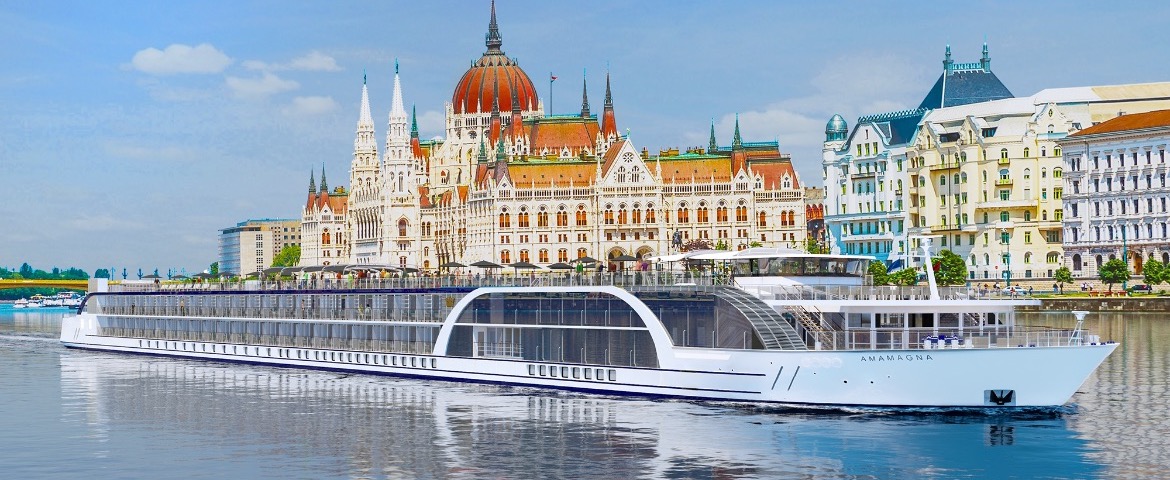
AmaWaterways (13 Cruises)
AmaMagna
13 Cruises

Avalon Waterways (18 Cruises)
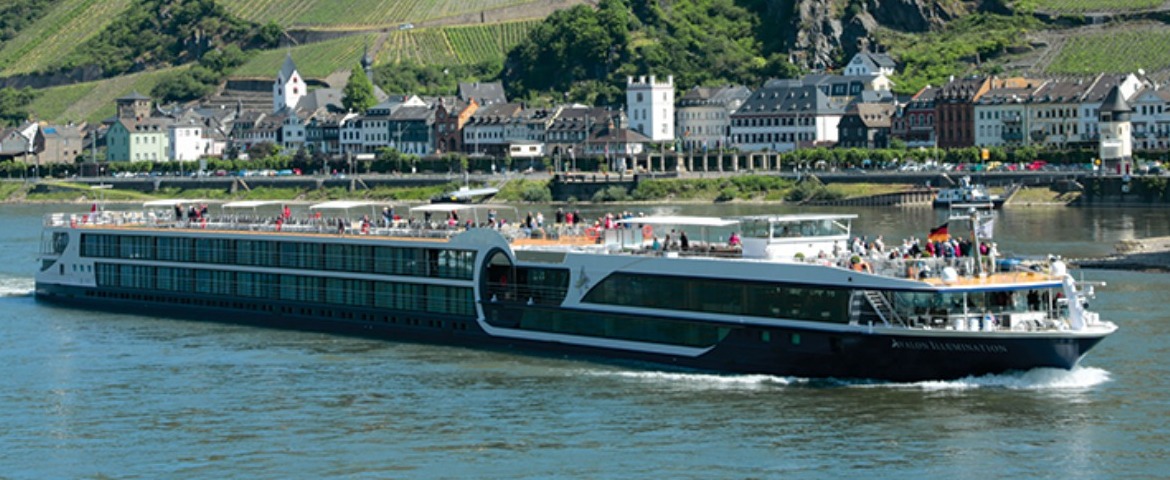
Avalon Illumination®
7 Cruises

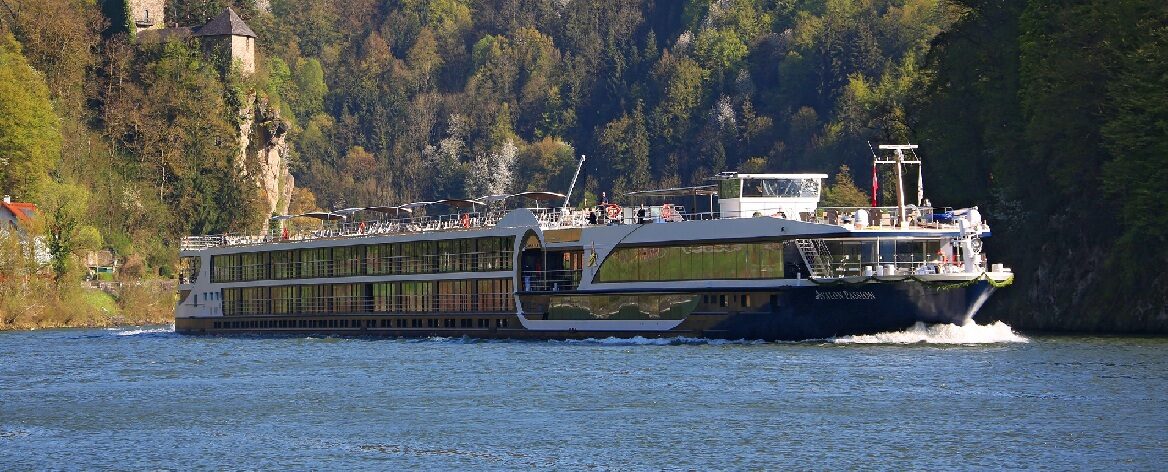
Avalon Passion®
11 Cruises
| 11 July | 9 days | One-way from Oltenita to Budapest |
450-628-6241
Call us
|
| 26 July | 9 days | One-way from Oltenita to Budapest |
450-628-6241
Call us
|
CroisiEurope (9 Cruises)
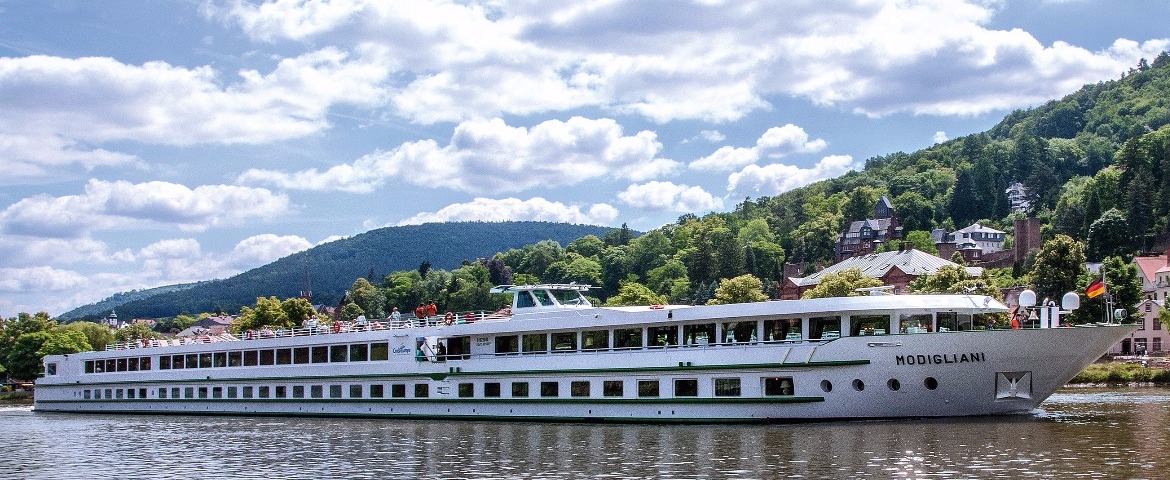
MS Modigliani
6 Cruises

Uniworld Boutique River Cruise (96 Cruises)
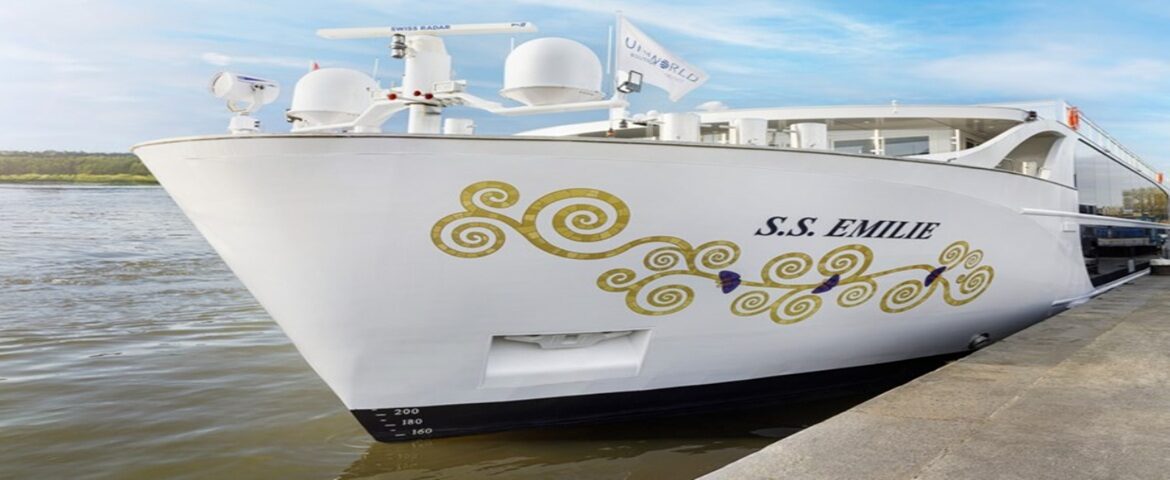
S.S. Émilie
96 Cruises

| 24 September | 17 days | One-way from Prague to Belgrade |
450-628-6241
Call us
|
| 26 September | 15 days | One-way from Nuremberg to Belgrade |
450-628-6241
Call us
|
| 24 March | 10 days | One-way from Vienna to Belgrade |
450-628-6241
Call us
|
| 26 March | 8 days | One-way from Vienna to Belgrade |
450-628-6241
Call us
|
Viking River Cruises (141 Cruises)
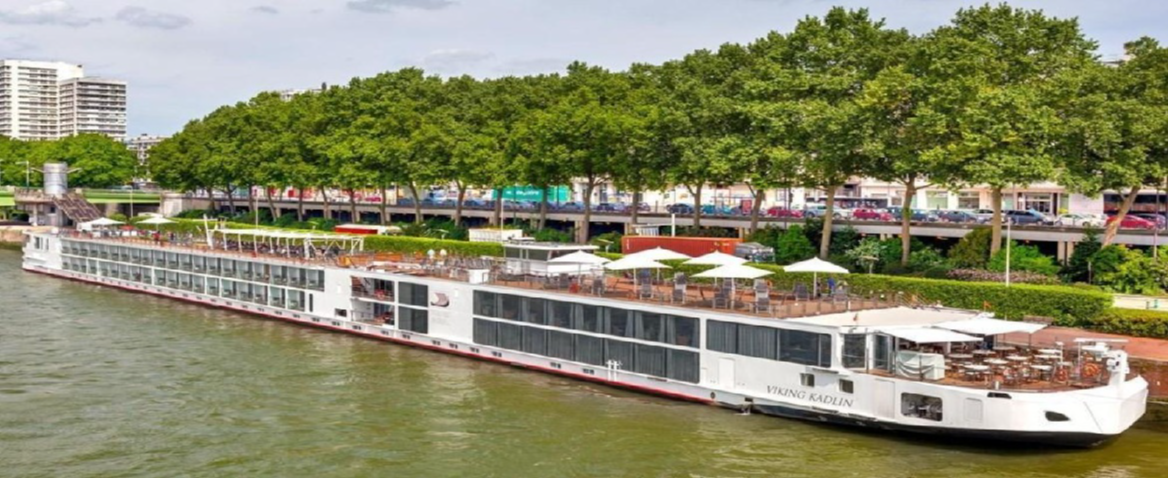
Viking Longships Kadlin
65 Cruises

| 28 March | 14 days | One-way from Vienna to Constanta |
450-628-6241
Call us
|
| 28 March | 15 days | One-way from Vienna to Constanta |
450-628-6241
Call us
|
| 26 March | 15 days | One-way from Vienna to Constanta |
450-628-6241
Call us
|
| 26 March | 14 days | One-way from Vienna to Constanta |
450-628-6241
Call us
|
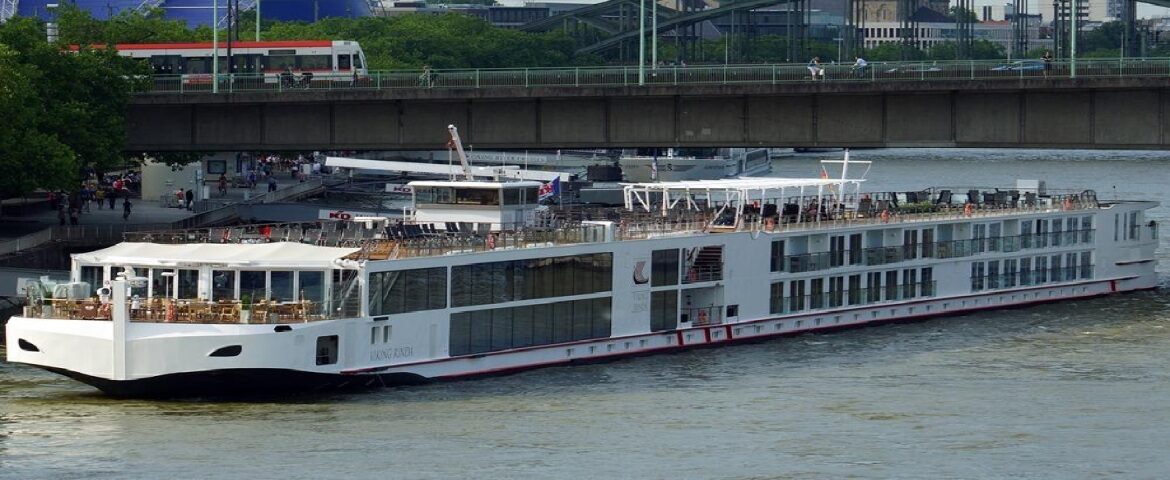
Viking Longships Rinda
76 Cruises

Port of Ilok, Croatia | Cruise Port Guide
Frequently Asked Questions
At the Danube river landing at the foot of the hill. Ilok is a river cruise call, not an ocean one: ships tie up directly to the bank and the upper town is reached on foot.
About ten minutes uphill from the landing to the medieval walls. The slope is real but short; once up top everything is flat, between ramparts, castle and churches.
Three things, in order: the ramparts and upper town, the Odescalchi castle museum, then the cellar tour with tasting. Allow a good three hours to link them without rushing.
Because of a coronation. Ilok's traminac, a Danubian cousin of gewürztraminer, was served in London at the 1953 coronation of Elizabeth II, from the 1947 vintage. The 15th-century cellars beneath the castle can be visited, tasting and local cheeses included.
The municipal museum, on three floors: Roman mosaics and coins, medieval weapons, period furniture and accounts of the 1990s war. The presentation is modern and carefully done, a pleasant surprise deep in the Danube countryside.
That phrase is guidebook shorthand, not an equivalence. Ilok has barely 5,000 residents and its brick walls have neither the scale nor the crowds of the Dalmatian city. What they share: a complete enceinte, a constant dialogue between stone and water, and a sense of enclosed space.
The euro and Croatian. English is spoken at the cellars and the museum, less so in street shops. Bring cash: this small town is not set up like a tourist centre.
Autumn, if you can choose. At harvest the air smells of must and tractors loaded with grapes cross the square. In spring the acacias are fragrant. Summer is hot with little shade on the ramparts.
The Danube, which here marks the border with Serbia, and the Bačka plain stretching to the horizon. The curtain walls can be walked at an easy pace, between mulberry trees and wooden benches.
It is limited. The climb from the pier to the upper town and access to the underground cellars both need steady legs. The riverside promenade along the Danube is a flat, pleasant alternative for those who prefer to stay below.


