Golfo Dulce Costa Rica
68
Cruises availables
At departure or passage at this port
Lindblad Expeditions (30 Cruises)
National Geographic Quest
30 Cruises


| 3 January | 8 days | One-way from Panama City to land tour |
450-628-6241
Call us
|
| 10 January | 8 days | One-way from Puntarenas to Colon |
450-628-6241
Call us
|
| 27 November | 7 days | One-way from Puntarenas to Panama City |
450-628-6241
Call us
|
| 27 November | 8 days | One-way from land tour to Panama City |
450-628-6241
Call us
|
| 6 January | 8 days | One-way from Colon to Puntarenas |
450-628-6241
Call us
|
| 18 January | 8 days | One-way from Puntarenas to Colon |
450-628-6241
Call us
|
Windstar Cruises (38 Cruises)
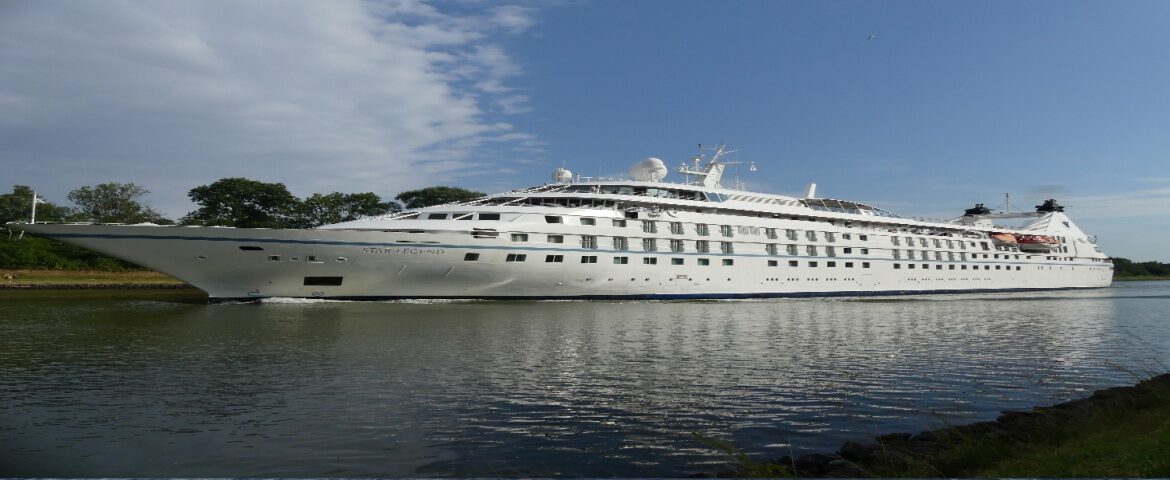
Star Legend
10 Cruises

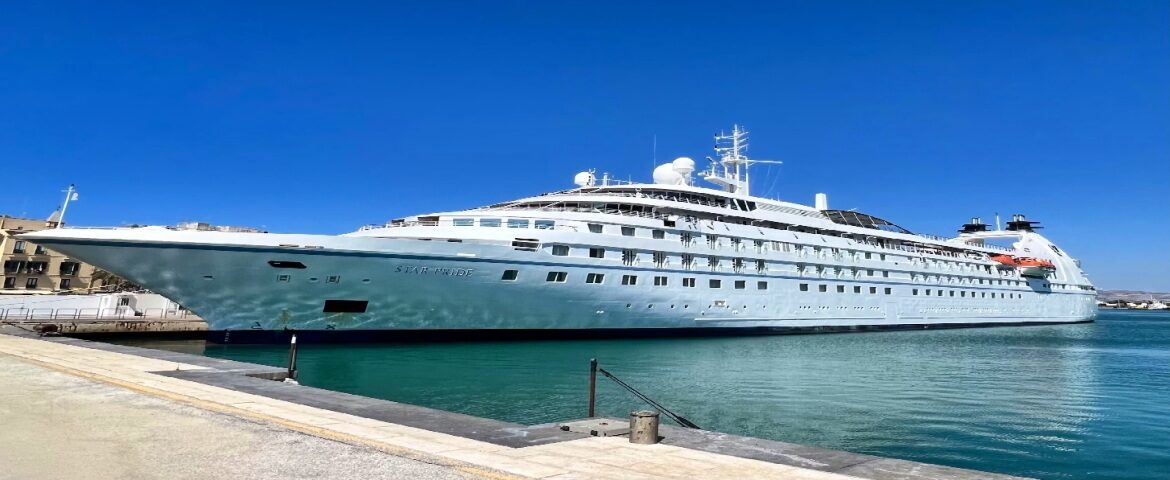
Star Pride
16 Cruises
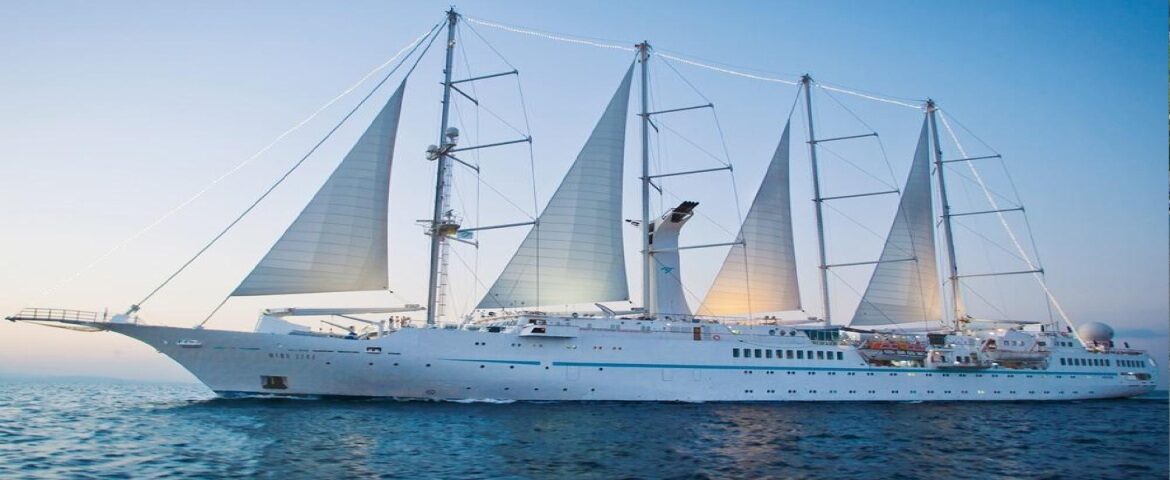
Wind Star
12 Cruises

Golfo Dulce, Costa Rica | Cruise Port Guide
Frequently Asked Questions
One of very few tropical fjords on the planet: a deep inlet of calm water slipped between the Osa peninsula and Costa Rica's south coast, so enclosed that Pacific swell almost never enters.
There is no pier and no town: small expedition ships venture in, sailing slowly, and outings are by zodiac or kayak. The surface is often smooth as a lake, and the forest comes down to the salt water.
A resident population of bottlenose dolphins and groups of pantropical spotted dolphins, which readily accompany the boats. From July to October in particular, humpback whales from the southern hemisphere shelter there to calve.
Yes: this arm of the sea is among the few places on earth visited by whales from both hemispheres depending on the month. Naturalists remind everyone of approach distances, and that restraint adds to the quality of the moment.
A private botanical garden on the north shore, reachable only by sea at the end of San Josecito beach. For decades it has gathered palms, heliconias, orchids, fruit trees and medicinal plants, tended with watchmaker's care.
Like an open-air botany class. You land straight onto the beach, then the guided visit takes up part of the morning: you crush leaves that smell of cinnamon, taste a fruit picked along the way, follow hummingbirds from flower to flower.
Yes, and it is among the finest settings anywhere: the absence of waves makes paddling easy. Outings follow the mangroves, head up a river mouth or simply trace the forest edge, where roots plunge into brackish water.
Without an engine, sound takes over: howler monkeys calling in echo, a kingfisher skimming the surface, drops falling from the leaves after a shower. It is that soundtrack, more than the images, that stays with you.
Some programmes add a guided walk on the Piedras Blancas national park side or in the private reserves along the shore. Guides point out what a hurried eye misses: a frog in warning colours, a column of leafcutter ants, a fresh track.
December to April for the driest weather, but July to October for humpback whales. The choice depends on what you have come for: the climate or the wildlife.


