Puerto Williams Navarino Island Chile Antarctica
Chile
108
Cruises availables
At departure or passage at this port
Ponant (4 Cruises)
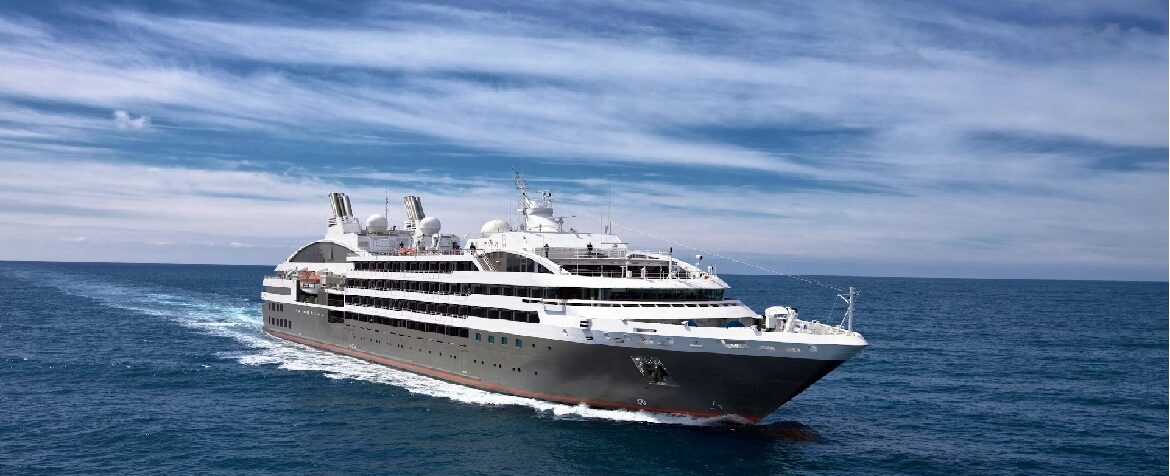

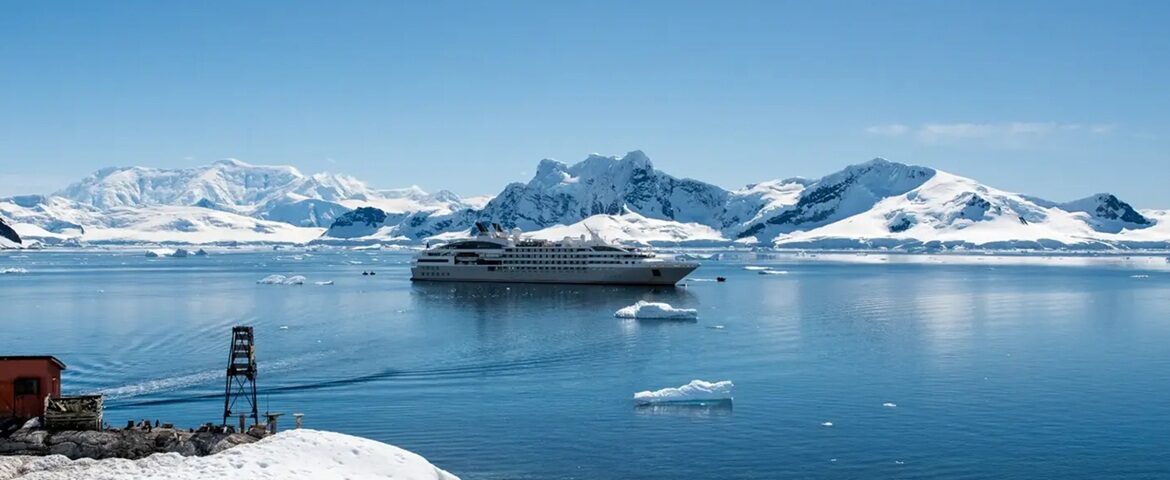
Seabourn Cruise Line (4 Cruises)
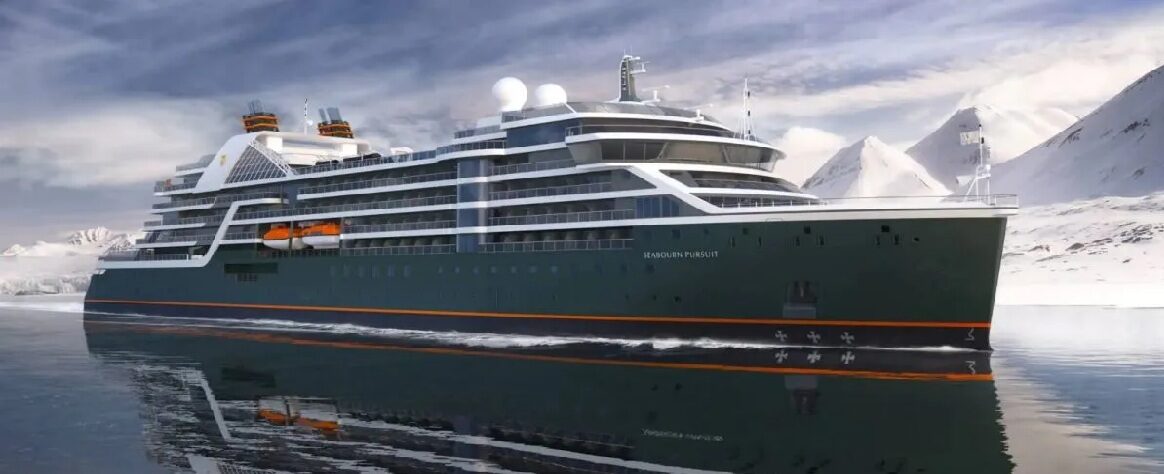

Silversea Cruises (100 Cruises)
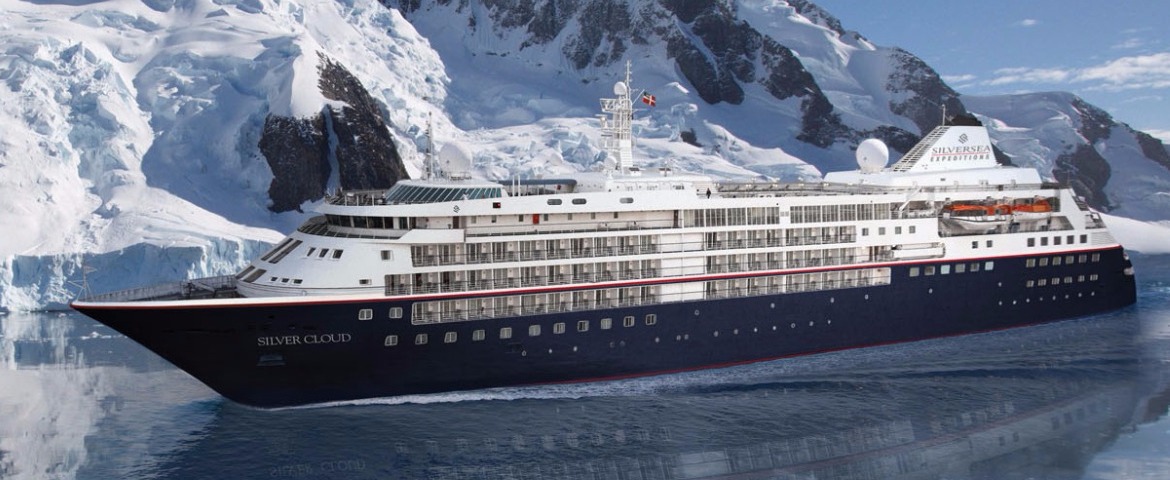
Silver Cloud
26 Cruises
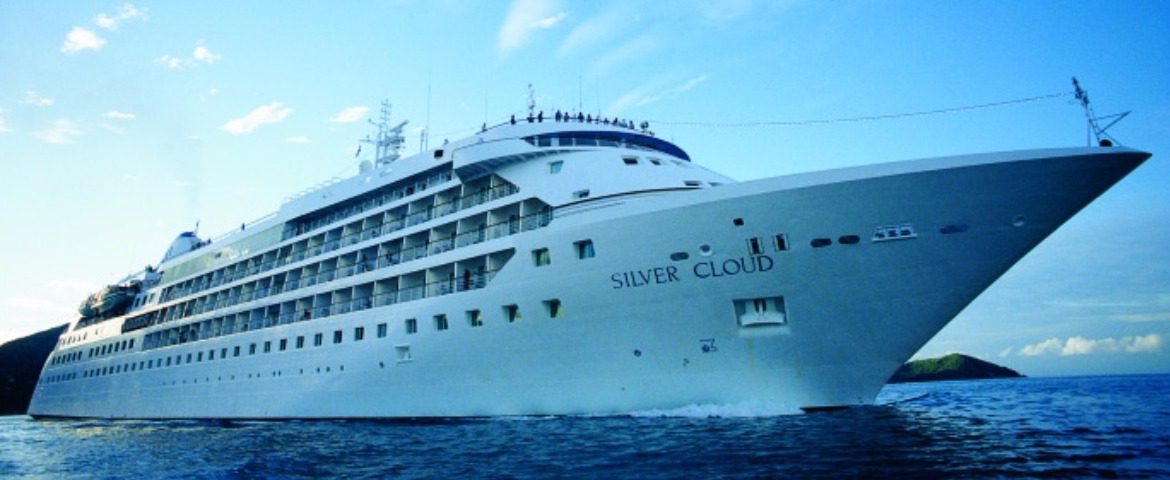

| 8 January | 11 days | Round-trip from Puerto Williams, Chile |
450-628-6241
Call us
|
| 18 January | 16 days | Round-trip from Puerto Williams, Chile |
450-628-6241
Call us
|
| 11 January | 11 days | Round-trip from Puerto Williams, Chile |
450-628-6241
Call us
|
| 21 January | 19 days | Round-trip from Puerto Williams, Chile |
450-628-6241
Call us
|
Silver Cloud Expedition
26 Cruises
| 8 January | 11 days | Round-trip from Puerto Williams, Chile |
450-628-6241
Call us
|
| 18 January | 16 days | Round-trip from Puerto Williams, Chile |
450-628-6241
Call us
|
| 11 January | 11 days | Round-trip from Puerto Williams, Chile |
450-628-6241
Call us
|
| 21 January | 19 days | Round-trip from Puerto Williams, Chile |
450-628-6241
Call us
|
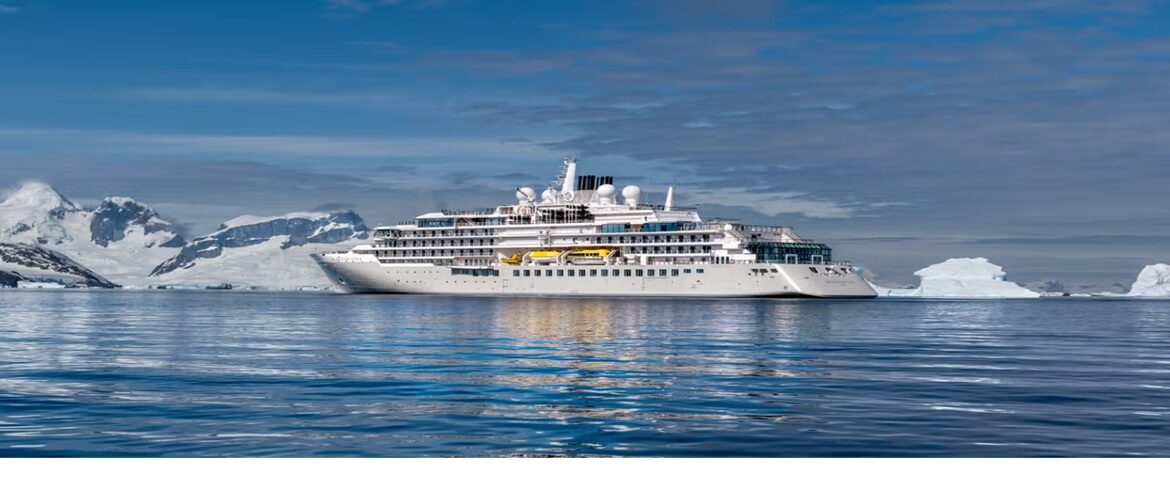
Silver Endeavour
7 Cruises
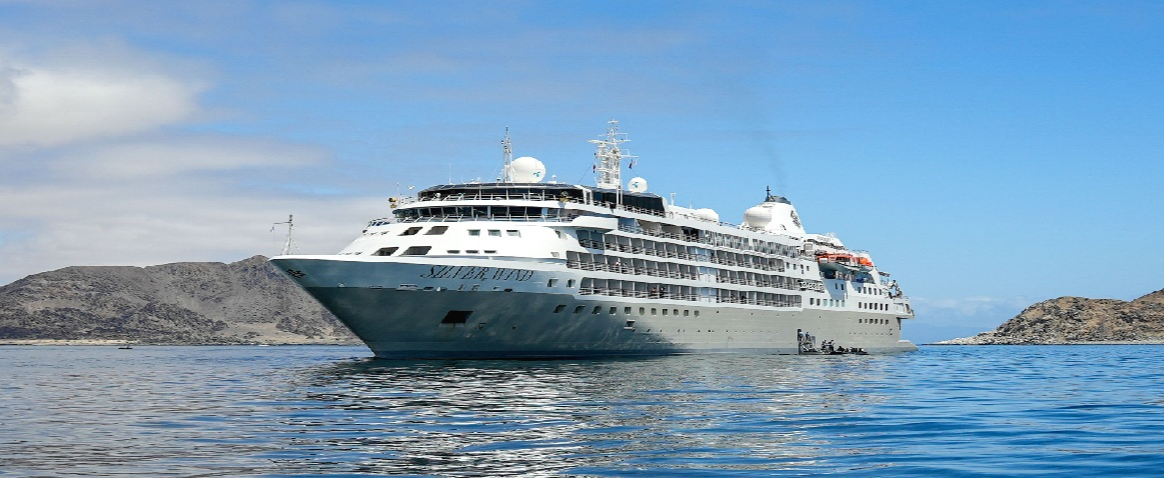
Silver Wind
41 Cruises
| 1 March | 10 days | One-way from Puerto Williams to King George Island Antarctica |
450-628-6241
Call us
|
| 10 March | 10 days | One-way from King George Island Antarctica to Puerto Williams |
450-628-6241
Call us
|
| 26 October | 15 days | One-way from Puerto Williams to King George Island Antarctica |
450-628-6241
Call us
|

Puerto Williams, Chile | Cruise Port Guide
Frequently Asked Questions
On the north shore of Navarino Island, south of the Beagle Channel, facing the mountains of Argentine Tierra del Fuego. Expedition ships bound for Cape Horn or the Antarctic Peninsula call here for formalities, and to give passengers one last contact with the inhabited world.
It claims the title, with a few thousand residents, a naval base and a grid of short streets. The argument with Ushuaia, larger but slightly further north, has fuelled deck conversations for years.
Everything is walkable: the main square, the murals devoted to the region's peoples, the small church, the Martín Gusinde museum and the Omora park on the village edge. A morning is enough to take it in; it still leaves a lasting mark.
The village museum, named after the missionary ethnologist who documented the Fuegian peoples. It follows the Yagan, navigators who travelled the channels in bark canoes with a fire kept burning aboard, long before European sails arrived.
A kingdom you view through a magnifying glass: mosses, lichens and liverworts form miniature forests of surprising diversity, seen on short guided trails. Researchers call it tourism with a hand lens, and the phrase describes the experience exactly.
Yes, the Cerro Bandera trail climbs steeply through forest before opening onto summit tundra, where a Chilean flag snaps above the Beagle Channel. Allow half a day return, good shoes and a serious windbreaker.
The crown of jagged peaks dominating the island, behind Cerro Bandera. They draw long-distance hikers to the world's southernmost trekking circuit, far beyond what a port call allows.
A monument set on the heights of the village: the bow of the tug that rescued Shackleton's crew in 1916. It is a reminder that the history of the southern seas often played out in these waters.
Unadorned. Horses sometimes graze loose between the fences, dogs escort walkers without ceremony, and woodstove smoke scents the streets whenever the temperature drops, which is often.
Yes, the hamlet of Ukika, steps from the village, is home to families descended from that people. Visiting the museum first changes everything: afterward, every island in the Beagle seems to carry a name older than the ones on the charts.


