Natal Brazil

47 Cruises availables At departure or passage at this port

Seabourn Cruise Line (32 Cruises)

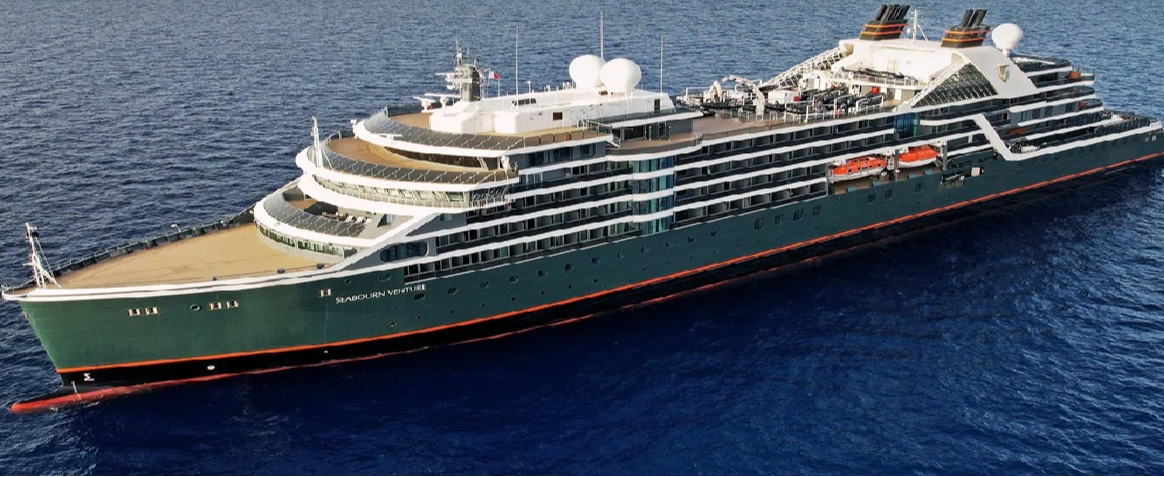
Seabourn Venture

Seabourn Venture

Visit the ship's page

Port of Natal, Brazil | Cruise Port Guide

A white star-shaped fortress has stood guard at the mouth of the Potengi River for more than four centuries: it is the first thing ships salute as they enter Natal. The capital of Rio Grande do Norte occupies the northeastern tip of Brazil, where the coast swings toward the equator, and boasts the nicknames city of the sun and capital of the dunes. Passengers find here a concentrate of the Nordeste: Portuguese history, urban beaches and mountains of sand that shift with the winds.

Ribeira, the founding district

The cruise terminal is in Ribeira, the founding district, on the banks of the Potengi. The area alternates warehouses, colonial façades and eclectic early-20th-century buildings, several brightened by murals; revitalization is advancing in waves, and the sector keeps a raw character that will appeal to lovers of port atmospheres. Climbing up to Cidade Alta, the historic upper town, you reach the cathedral, the Alberto Maranhão Theatre and shopping streets that bustle on weekdays. The Ribeira–Cidade Alta pairing can be discovered in an hour or two on foot, preferably in the morning.

The Fort of the Three Kings

At the mouth of the river, the Forte dos Reis Magos owes its name to the day of its founding, the Epiphany of 1598, followed by that of the city on December 25, 1599: Natal means Christmas in Portuguese, and all local place names stem from this calendar. The fortress is reached by a strip of sand and a footbridge; inside, casemates, a chapel and cannons watch the ships go by, while the whitewashed ramparts offer a panorama of the Newton Navarro Bridge, the modern arch that has spanned the Potengi since 2007. It is the attraction closest to the pier and the one most steeped in history.

Ponta Negra and the bald dune

South of the city, Ponta Negra beach remains the classic image of Natal: a crescent of warm water closed off by Morro do Careca, a giant dune covered in vegetation except on its smooth face, now protected from climbing. The promenade along the beach lines up seafood restaurants, iced coconut water kiosks and roasted cashew vendors, the region being among the world's major producers of this nut. Allow about twenty minutes by taxi from the port to dip your toes in, longer at rush hour.

The dunes by buggy

The region's signature excursion takes place to the north, around Genipabu, where dunes as tall as hills plunge into the ocean. You ride across them in an open-top buggy driven by a licensed driver, who asks the eternal local question at every departure: a ride with or without thrills? The spicy version strings together steep descents and sandy turns, while the gentle version sticks to the panoramas and the lagoons where you swim between climbs. Mind the logistics: the round trip and the activity fill a good half-day, best booked through an organized excursion to respect the ship's schedule.

Before heading back on board

The equatorial sun is no joke, even under clouds: sunscreen, a hat and water at all hours. Brazilian reais can be withdrawn at ATMs in shopping centres, and cards are accepted in most Ponta Negra restaurants. Portuguese is by far the dominant language, but a smile and a few words of Spanish will help, the people of the Nordeste being among the most welcoming in Brazil.

Natal leaves a memory of harsh light and shifting sand, with that stubborn fortress that has locked the river since 1598. Ships then continue on to Recife or Fortaleza, but many passengers keep a special fondness for this stop: the kind reserved for cities born on Christmas Day.

Frequently Asked Questions

At the maritime terminal in Ribeira, the founding district, on the bank of the Potengi river. It is a central berth: the historic upper town is walkable by climbing toward Cidade Alta.
Yes, for the historic section. Ribeira and Cidade Alta together take an hour or two on foot, best done in the morning. For the beaches and dunes you need a taxi or an excursion.
The Forte dos Reis Magos and the historic centre fit comfortably into half a day on foot. The dune buggy excursion fills a solid half day on its own: the two do not combine comfortably.
A white star-shaped fortress guarding the mouth of the Potengi since 1598. You reach it by a sand spit and a walkway; inside, casemates, a chapel and cannon watch the ships go by. It is the closest attraction to the pier and the most steeped in history.
Because Natal means Christmas in Portuguese. The fortress was founded on Epiphany 1598, hence its Three Kings name, and the city itself on 25 December 1599. The whole local place-naming follows from that calendar.
Allow around twenty minutes by taxi, longer at peak hours. Ponta Negra draws a crescent of warm water closed by Morro do Careca, a giant dune now off-limits to climbers for its protection.
A run through the Genipabu dunes to the north, in an open buggy driven by an accredited driver. The bold version strings together steep drops and sand-swept turns; the gentle version sticks to viewpoints and swimming lagoons. The round trip fills a good half day, so book through a supervised excursion.
Brazilian reais and Portuguese. Cards work in most Ponta Negra restaurants and reais can be withdrawn at shopping-centre ATMs. A few words of Spanish often help.
Yes. The fortress appeals to children, Ponta Negra beach is lined with coconut-water and roasted-cashew kiosks, and the gentle buggy version suits younger passengers. Choose the no-thrills option if anyone is prone to motion sickness.
Sunscreen, a hat and water at all times: Natal sits on Brazil's northeastern tip where the coast turns toward the equator, and the sun bites even under cloud. Bring a scarf for the dunes, where sand blows freely.