Norfolk Island Australia
Australia

37 Cruises availables At departure or passage at this port

Norfolk Island, Australia | Cruise Port Guide

Long before you glimpse a roof, you see the pines. Rows of araucarias as tall as church steeples outline the silhouette of Norfolk, a green islet of 35 square kilometres isolated between Australia, New Zealand and New Caledonia. Captain Cook noticed them in 1774, on his second voyage, and judged them perfect for Royal Navy masts. Since then, these trees have given the island its image and sheltered an unusual history, where convicts, Bounty mutineers and cows with the right of way on the roads cross paths.

An old-fashioned landing

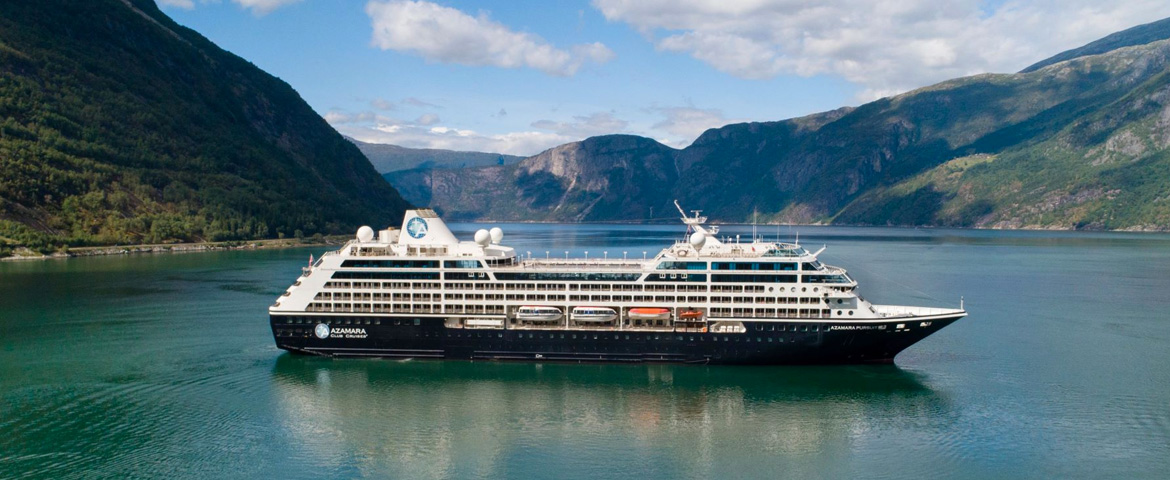
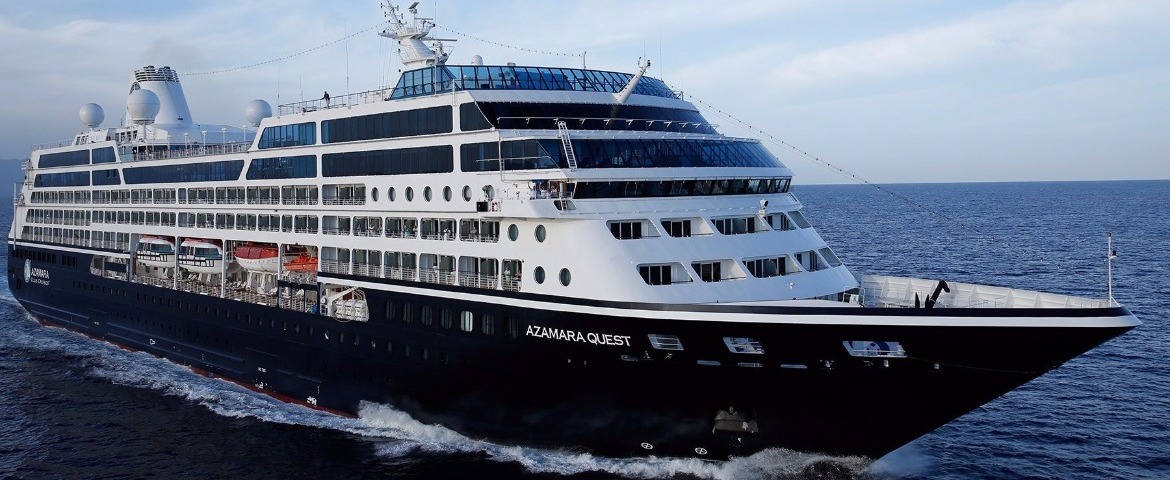
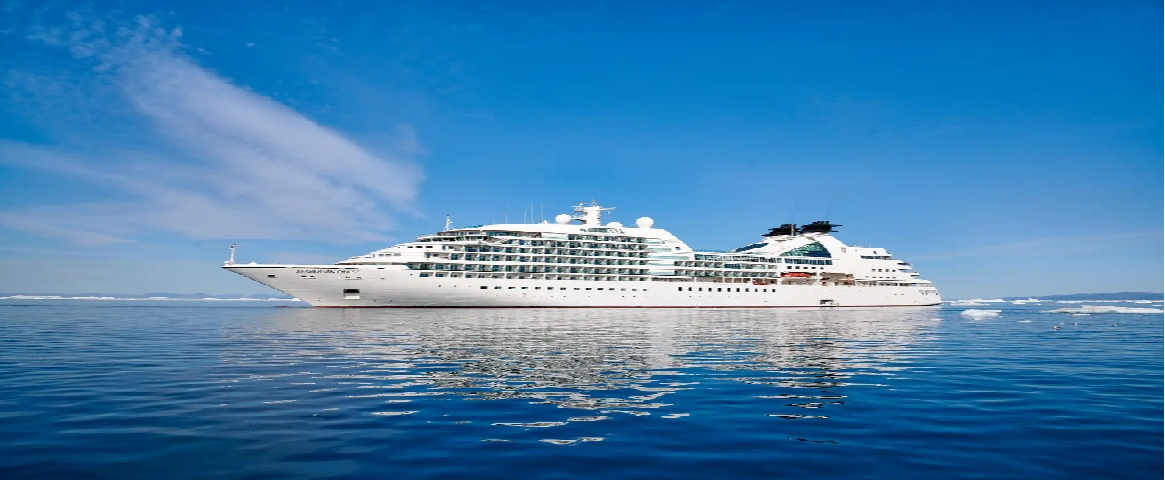
No pier can receive cruise ships: they anchor offshore and tenders run to the Kingston jetty in the south, or the Cascade jetty in the north, depending on the day's swell. The operation depends entirely on the sea, and some passengers say they attempted the port call twice before setting foot ashore; cruise lines warn, in fact, that a landing is never guaranteed. Once on dry land, everything becomes disarmingly simple: distances are short, shuttles and excursions cover the essentials, and the cows, which roam freely, officially have the right of way — local drivers wave by lifting two fingers from the steering wheel, a custom you quickly adopt.

Kingston, memory of the penal colony

The Kingston and Arthur's Vale site, a World Heritage Site listed among the great places of the Australian penal system, occupies a coastal plain facing the lagoon. You walk among:

  • the Georgian houses of Quality Row, where the colony's officers and administrators lived;
  • the ruins of the New Gaol, whose walls tell of the harshest period of the penal settlement, between 1825 and 1855;
  • the old cemetery, whose headstones sum up entire lives in three engraved lines facing the sea;
  • the museums set in the former military buildings and the landing pier store, where archaeologists display coins, uniform buttons and everyday objects that excavations still bring to light.

The whole site can be explored on foot, between lawns mowed by cattle and Pacific rollers, in a light that softens the dark tales the stones have to tell. Allow a good two hours to tour it without hurrying, more if the museums hold your attention, and keep an eye on the reef: at low tide, the remains of HMS Sirius, flagship of the First Fleet wrecked here in 1790, still break the surface.

The heirs of the Bounty

In 1856, the descendants of the Bounty mutineers and their Tahitian companions, cramped on Pitcairn, were resettled here by the British Crown. Their names — Christian, Quintal, Adams — still fill the phone book, and their language, Norfuk, a mix of 18th-century English and Tahitian, appears on bilingual signs. Every June 8, the island celebrates their arrival on Bounty Day, a parade in period costume from the jetty to the cemetery. The shops of Burnt Pine, the main shopping street, sell their stories alongside local honey, woollens and pine soaps, and it is not unusual for the cashier herself to be descended from a mutineer.

The Emily Bay lagoon

A few minutes from Kingston, Emily Bay curves its beach behind a reef that calms every wave: the water stays clear and calm, perfect for a swim or a few strokes above the coral before returning to the tenders. Leaning against the pines, you watch the cruise ship anchored offshore, just as the convicts once watched sails on the horizon, with very different thoughts. Perhaps that is what Norfolk is: a peaceful setting placed on a harsh history, and one of the rare places in the Pacific where a single day is enough to cross three centuries. You leave promising yourself to check, someday, whether the pines are still as straight.

Frequently Asked Questions

Nowhere: no wharf can take cruise ships. They anchor offshore and tenders run to the Kingston jetty in the south or Cascade in the north, depending on the day's swell.
No, and cruise lines say so plainly. The operation depends entirely on the sea, and some passengers report attempting the call twice before setting foot ashore. That's the accepted risk of this Pacific stop.
Kingston and Arthur's Vale Historic Area, World Heritage listed among Australia's major convict sites: the Georgian houses of Quality Row, the ruins of the New Gaol, the old cemetery facing the sea and museums in the former military buildings. Allow a good two hours to see it without rushing.
At low tide, yes: the remains of the First Fleet flagship, wrecked here in 1790, still break the surface on the reef off Kingston. A site museum displays objects raised during excavation.
The heirs of the Bounty mutineers and their Tahitian partners, resettled here from Pitcairn in 1856 by the British crown. Their names — Christian, Quintal, Adams — still fill the phone book, and their language, Norfuk, a blend of 18th-century English and Tahitian, appears on bilingual signs.
The 8 June celebration marking the arrival of the Bounty descendants, with a parade in period costume from the jetty to the cemetery. It's the high point of the island calendar.
Yes, at Emily Bay, a few minutes from Kingston: the beach curves behind a reef that flattens every wave, and the water stays clear and calm, ideal for a swim over the coral before returning to the tenders.
Because Captain Cook noticed in 1774 rows of araucarias as tall as church spires, which he judged perfect for Royal Navy masts. Those trees have defined the island's outline ever since, visible long before the first roof.
Yes, they roam freely and officially have right of way on the roads. Local drivers greet each other by lifting two fingers off the wheel, a habit visitors pick up quickly.
Local honey, woollens and pine soaps, sold in the shops of Burnt Pine, the main street, alongside books by Bounty descendants. The person at the till is quite often descended from a mutineer herself.