Exmouth WA Western Australia
Australia

32 Cruises availables At departure or passage at this port

Port of Exmouth | Cruise Port Guide

The contrast hits you right from the deck: on one side, the ochre earth of the North West Cape, flat and sun-scorched; on the other, clear water shifting from turquoise to deep blue. Exmouth has only existed since 1967, born around a naval communications station whose towers still dominate the point. Today, this small Australian town lives to a very different rhythm, that of the Ningaloo Reef, stretching 260 kilometres along this stretch of Indian Ocean coastline.

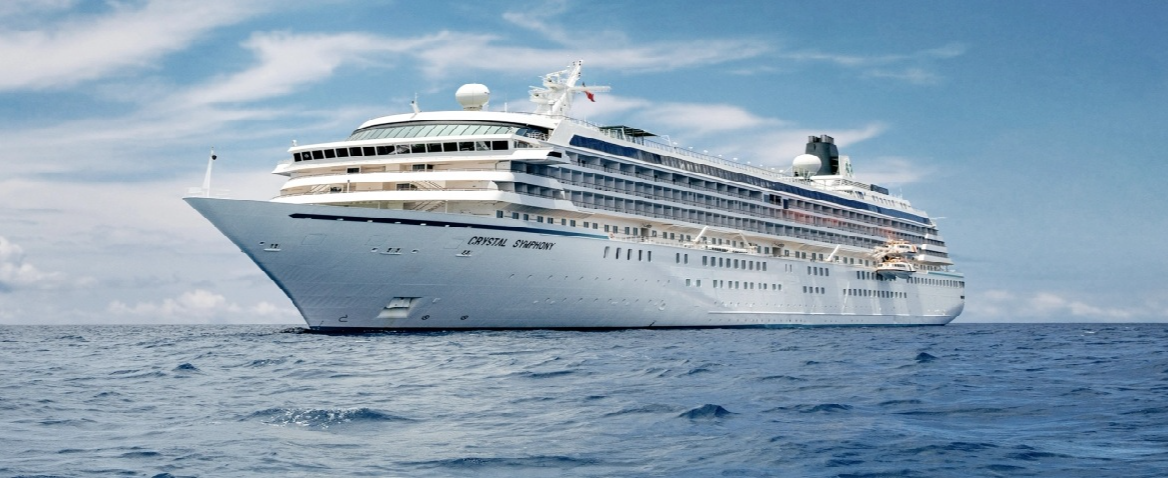
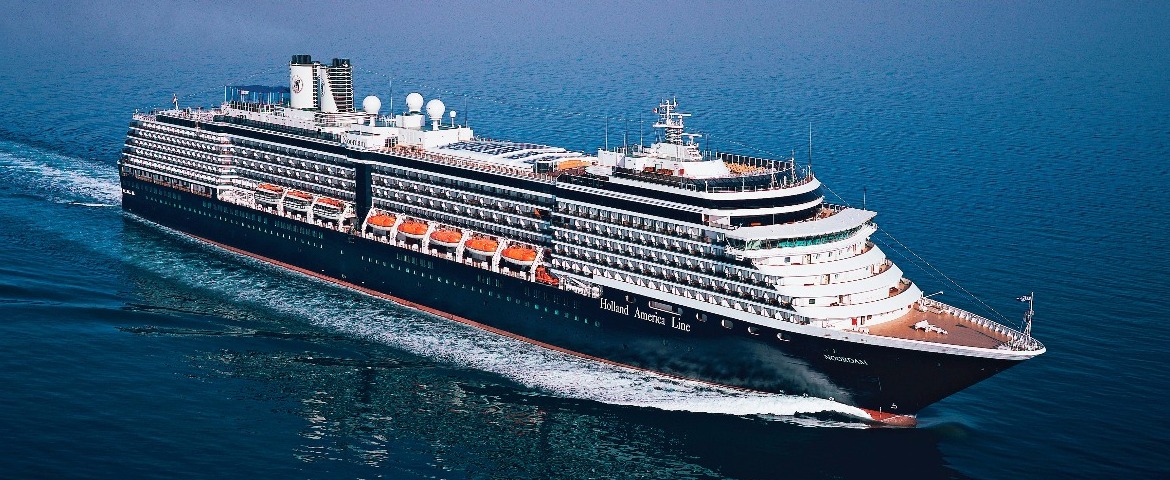
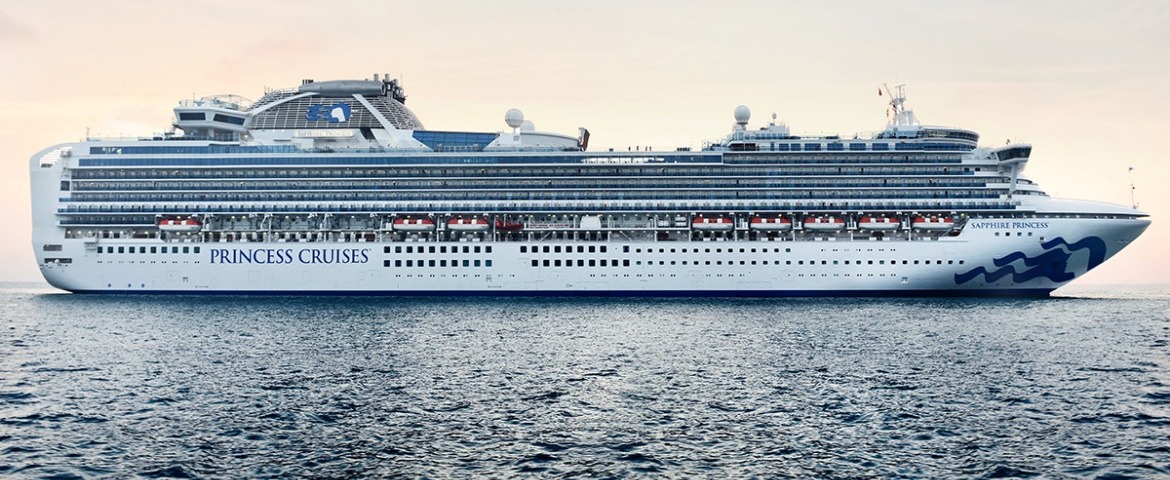
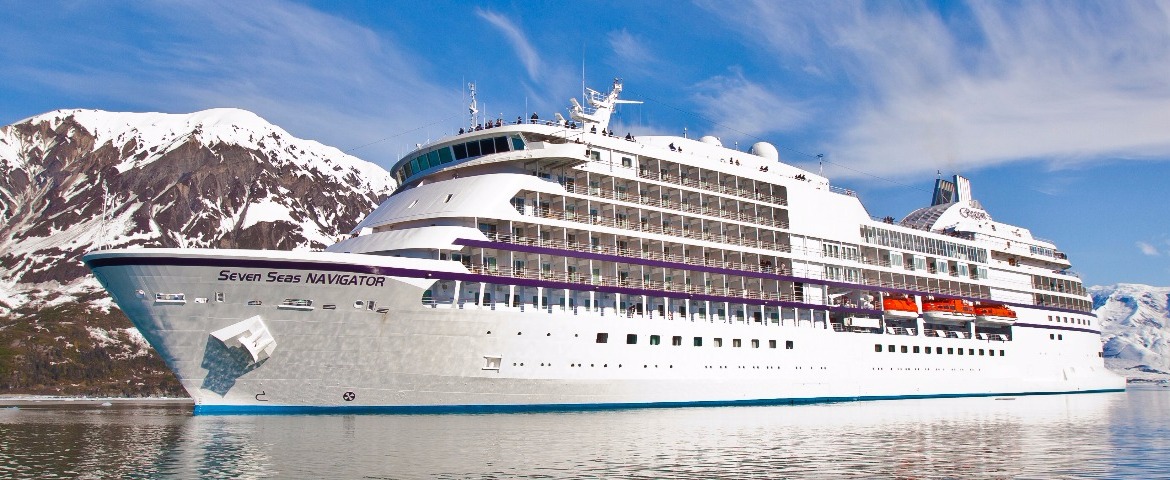
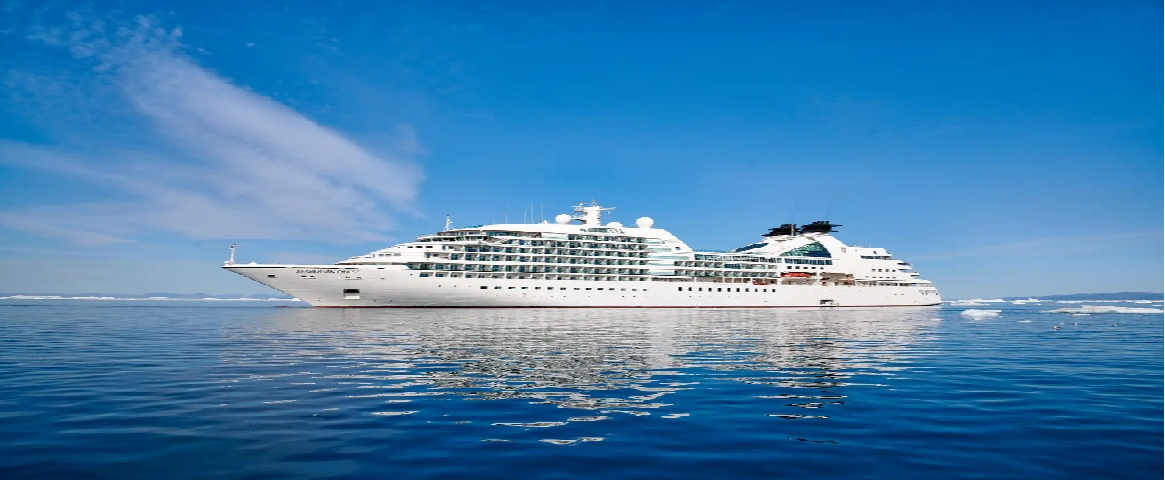
Arriving at Anchor

Ships anchor in the Exmouth Gulf and bring passengers ashore by tender. Shuttles then connect to downtown, as the distances and heat make walking impractical. The town itself can be explored in about an hour: a few shopping streets, laid-back cafés, and a well-stocked visitor centre. Keep an eye out along the way: emus regularly wander between the parking lots and the lawns, unbothered by passersby.

Ningaloo, a Reef That Starts at the Beach

What sets Ningaloo apart, a UNESCO World Heritage Site since 2011, comes down to one simple fact: the coral grows just metres from shore. There's no need for a long boat trip; at several beaches along the cape, you simply wade in, put on your mask, and the fish are already there. Turquoise Bay, about an hour's drive along the west coast, is a perfect example of this: a gentle current carries swimmers over the coral gardens before bringing them back to the sand.

The Encounter That Made the Region Famous

Between March and July, whale sharks gather along the reef to feed. Swimming alongside the largest fish in the world, guided by experienced local operators, remains the most sought-after outing departing from the marina. Depending on the season, boat excursions also offer chances to spot turtles, manta rays, and migrating humpback whales. Glass-bottom boat tours provide a calmer way to view the coral without getting wet.

Before heading off to the beaches, take a moment for the gulf itself. Its calm waters serve as a nursery for humpback whales and are home to dugongs, turtles, and reef sharks. The town's waterfront, with its jetty and shaded park, makes for a short stroll between shuttle rides. Local shops sell cultured pearls from the region and handicrafts from the communities of the North West Cape, worlds away from the standardized shops found at major cruise terminals.

Cape Range National Park

The western side of the cape belongs to Cape Range National Park, a limestone plateau cut through with gorges. Yardie Creek can be explored by boat or along a clifftop trail: rust-red walls, black-footed rock wallabies tucked into the crevices, and ospreys hovering above the water. On the way back, the Vlamingh Head Lighthouse offers the best view in the region, with the reef on one side and the gulf on the other.

Practical Notes

  • Currency: Australian dollar; cards accepted almost everywhere.
  • Climate: dry and hot; water, a hat, and sunscreen are essential.
  • Turquoise Bay and Cape Range: about a 60-minute drive; book an excursion or a vehicle.
  • Whale sharks: March to July, offered as a full-day outing.
  • In town: shuttle from the landing, compact and flat centre.

As passengers head back aboard, many share the same lasting impression: having seen, in a single day, an almost desert-like landscape alongside one of Australia's most vibrant marine ecosystems. Ningaloo doesn't translate especially well into words. It's understood with your head underwater, when the first school of fish crosses your mask and the coral lights up beneath the afternoon sun.

Frequently Asked Questions

Ships anchor in Exmouth Gulf and land passengers by tender. Shuttles then run into town: distance and heat make walking from the landing impractical.
A 260-kilometre coral reef along the Indian Ocean coast, listed as a UNESCO World Heritage site in 2011. Its distinguishing feature is simple: the coral grows metres from shore, with no long boat crossing required.
Yes, that's the whole point of Ningaloo. On several beaches along the cape you walk in, put on a mask and the fish are already there. Turquoise Bay, about an hour away along the west coast, is the classic example: a gentle current carries swimmers over the coral gardens.
March to July, when they gather along the reef to feed. Trips, run by experienced local operators, leave from the marina and take a full day: this is not compatible with a short port call.
Depending on the season, turtles, manta rays and migrating humpback whales. The gulf itself serves as a humpback nursery and shelters dugongs, turtles and reef sharks. Glass-bottom boat trips let you see the coral without getting wet.
The town takes an hour to see: a few shopping streets, relaxed cafés, a well-stocked visitor centre. Beyond that you must pick one outing: Turquoise Bay or Cape Range National Park, each about an hour's drive.
A limestone plateau cut by gorges, on the western side of the cape. Yardie Creek is seen by boat or from a clifftop trail, among rust-red walls, rock wallabies tucked into crevices and ospreys hovering overhead. Vlamingh Head lighthouse, on the way back, gives the best panorama in the region.
Often, yes. Emus wander regularly between the car parks and lawns of the town, unbothered by passers-by. It's one of the images passengers most readily take away from this call.
Australian dollars, with cards accepted almost everywhere. The climate is hot and dry: water, hat and sunscreen are essential, and shade is scarce once you leave the town.
Cultured pearls from the region and craftwork from North West Cape communities, sold in local shops. This is a long way from the standardised boutiques of the big cruise terminals.