Hoi An Vietnam
426
Cruises availables
At departure or passage at this port
CroisiEurope (134 Cruises)
RV Indochine
80 Cruises


| 24 February | 17 days | One-way from Hanoi to Siem Reap |
450-628-6241
Call us
|
| 24 February | 16 days | One-way from Hanoi to Siem Reap |
450-628-6241
Call us
|
| 28 August | 16 days | One-way from Siem Reap to Halong Bay |
450-628-6241
Call us
|
| 28 August | 17 days | One-way from Siem Reap to Halong Bay |
450-628-6241
Call us
|
RV Indochine II
54 Cruises

| 8 January | 17 days | One-way from Siem Reap to Halong Bay |
450-628-6241
Call us
|
| 8 January | 16 days | One-way from Siem Reap to Halong Bay |
450-628-6241
Call us
|
| 14 April | 17 days | One-way from Siem Reap to Halong Bay |
450-628-6241
Call us
|
| 14 April | 16 days | One-way from Siem Reap to Halong Bay |
450-628-6241
Call us
|
| 23 November | 17 days | One-way from Siem Reap to Halong Bay |
450-628-6241
Call us
|
| 23 November | 16 days | One-way from Siem Reap to Halong Bay |
450-628-6241
Call us
|
Emerald Waterways (206 Cruises)
Emerald Harmony
103 Cruises
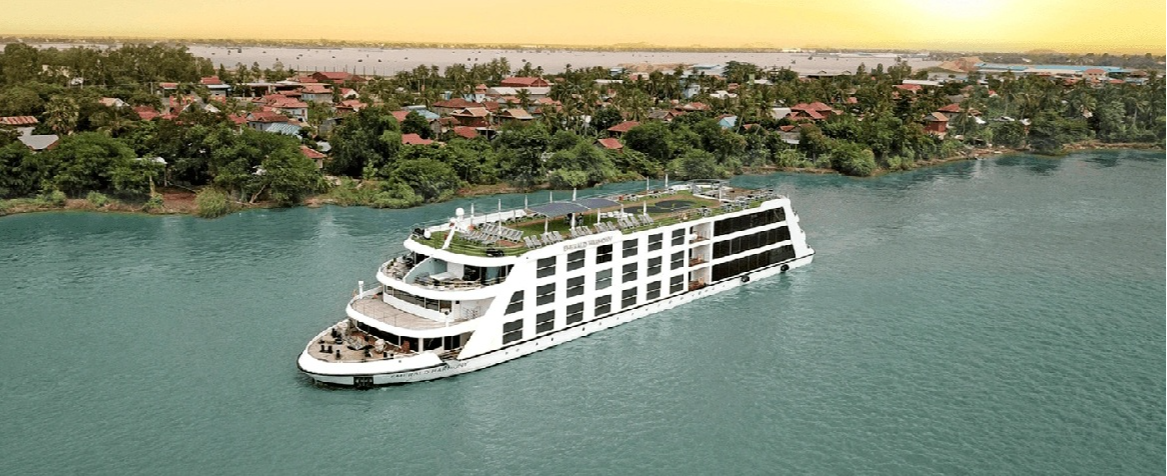

| 27 October | 21 days | One-way from Hanoi to Saigon |
450-628-6241
Call us
|
| 27 October | 20 days | One-way from Hanoi to Saigon |
450-628-6241
Call us
|
Emerald Liberte
103 Cruises
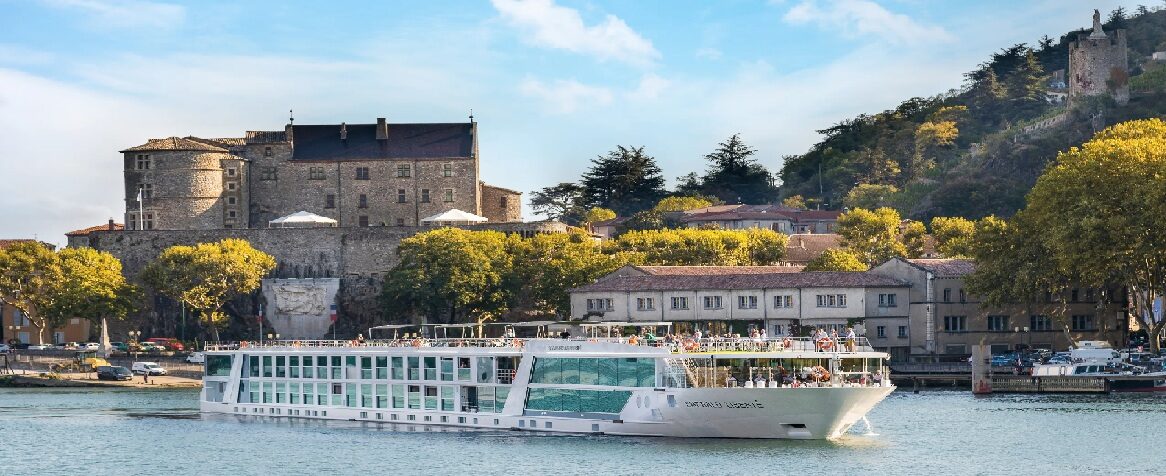
| 27 October | 21 days | One-way from Hanoi to Saigon |
450-628-6241
Call us
|
| 27 October | 20 days | One-way from Hanoi to Saigon |
450-628-6241
Call us
|
Scenic Cruises (86 Cruises)
Scenic Spirit
86 Cruises
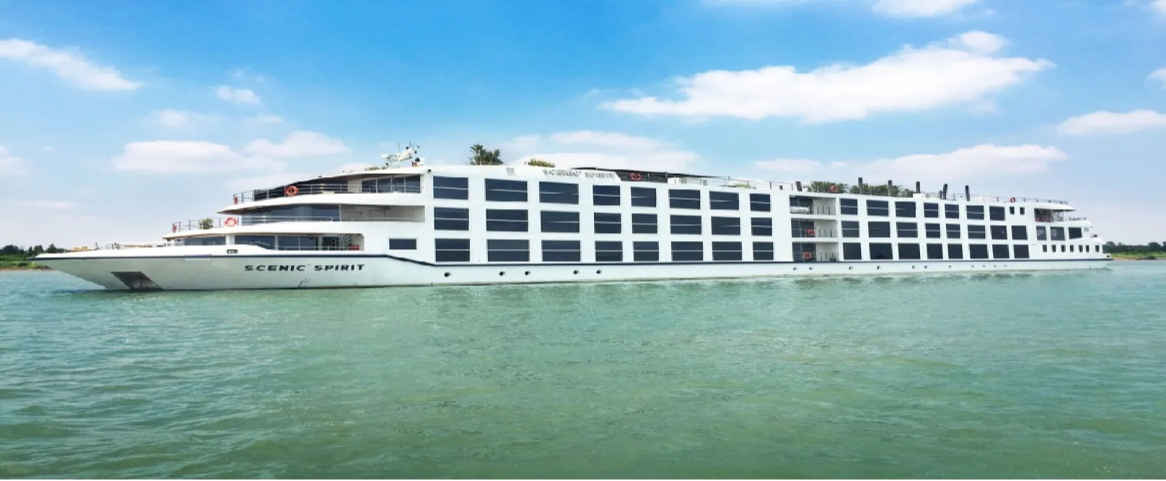

| 22 October | 22 days | One-way from Hanoi to Saigon |
450-628-6241
Call us
|
| 22 October | 21 days | One-way from Hanoi to Saigon |
450-628-6241
Call us
|
| 27 July | 24 days | One-way from Hanoi to Siem Reap |
450-628-6241
Call us
|
| 27 July | 23 days | One-way from Hanoi to Siem Reap |
450-628-6241
Call us
|
| 4 August | 24 days | One-way from Hanoi to Saigon |
450-628-6241
Call us
|
| 4 August | 23 days | One-way from Hanoi to Saigon |
450-628-6241
Call us
|

Hoi An | Cruise Port Guide
Frequently Asked Questions
At Tien Sa, the port of Da Nang, set against the Son Tra peninsula. The call is named after Hoi An, but the old town lies about 35 km south of the pier.
Between 45 minutes and an hour depending on traffic, over roughly 35 km. The trip is made by organized shuttle, shore excursion or a pre-booked car with driver.
No, and it is not a matter of stamina: 35 km separate the pier from the old town. Ground transport is essential, whichever option you choose.
The old town is walkable in a few hours: the Japanese covered bridge, the Tan Ky merchant house, the Chinese assembly halls and the tailor streets. A combined ticket gives access to a choice of monuments.
Because from the 15th to the 19th century it was one of the great trading ports of the South China Sea. Japanese, Chinese, Dutch and Portuguese merchants left behind houses, temples and a bridge that still stand.
Yes, the tailor workshops in the old town make garments to measure in a few hours, a well-established local tradition. The timing is tight on a short call: order as soon as you arrive.
Cao lau, a thick pork noodle dish that is only truly made here, or banh mi from the street counters. The central market near the river adds stalls of fruit, spices and fresh herbs.
Da Nang offers enough to fill the day: the 67-metre white Lady Buddha statue on the Son Tra peninsula, the Cham sculpture museum, and the long My Khe beach, about twenty minutes from the pier.
Yes, An Bang beach, a few kilometres from the old quarters, lines up its thatched huts facing the South China Sea. It is the quiet break after the walking streets.
The Vietnamese dong. US dollars are often accepted in tourist areas, but the rate applied on the spot is rarely in your favour.


