Mobile Alabama
158
Cruises availables
At departure or passage at this port
American Cruise Lines (92 Cruises)
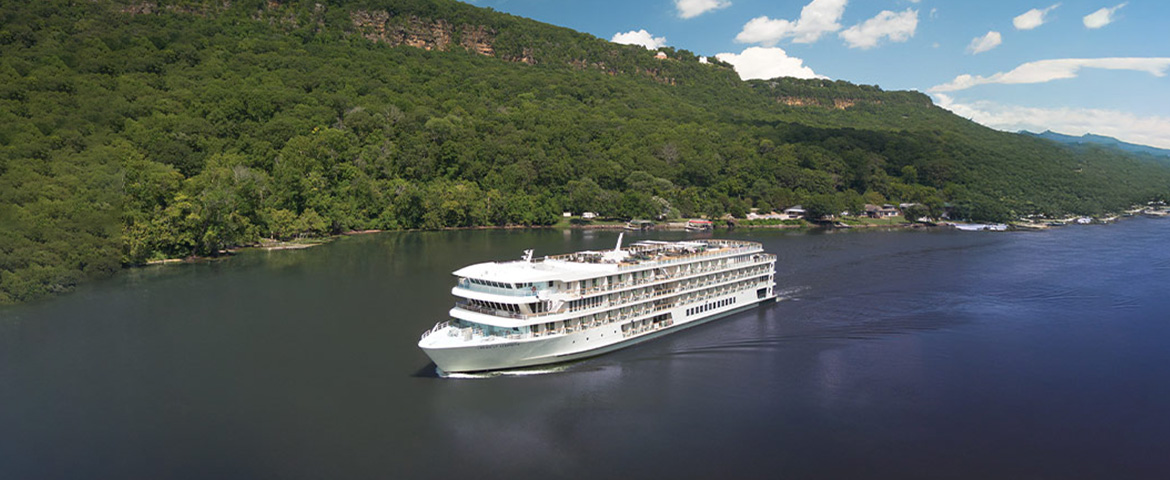
American Symphony
92 Cruises

| 4 April | 8 days | One-way from Pensacola FL to New Orleans |
450-628-6241
Call us
|
| 5 April | 5 days | One-way from Pensacola FL to New Orleans |
450-628-6241
Call us
|
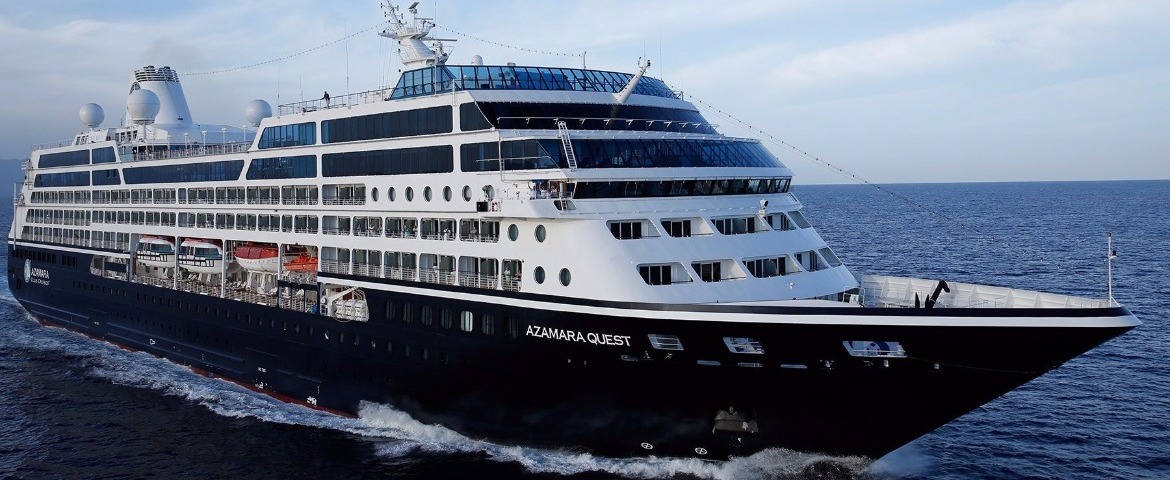
Azamara Club Cruises (1 Cruises)

Carnival Cruise Line (65 Cruises)
Carnival Spirit
22 Cruises


| 24 October | 8 days | Round-trip from Mobile, USA |
450-628-6241
Call us
|
| 31 October | 9 days | Round-trip from Mobile, USA |
450-628-6241
Call us
|
Carnival Valor
43 Cruises

| 15 May | 9 days | Round-trip from Mobile, USA |
450-628-6241
Call us
|
| 23 May | 7 days | Round-trip from Mobile, USA |
450-628-6241
Call us
|
| 29 May | 9 days | Round-trip from Mobile, USA |
450-628-6241
Call us
|

Port of Mobile, USA | Cruise Port Guide
Frequently Asked Questions
Right downtown, on the bank of the Mobile River. That is one of the port's real strengths: you walk off the gangway and the historic district begins a few streets away, with no shuttle or taxi required.
Yes, easily. The historic district is compact and Dauphin Street, its main artery, is a few minutes' walk away. Only the USS Alabama, across the bay, needs about ten minutes by car.
Dauphin Street for galleries and restaurants, the Mobile Carnival Museum, and a Gulf seafood lunch. With six hours, add the History Museum of Mobile or cross the bay to the battleship USS Alabama, allowing a good two hours on board.
Because America's first Mardi Gras really was celebrated in Mobile, well before its more famous neighbour's. The Mobile Carnival Museum, within walking distance of the pier, covers more than three centuries of celebrations: queens' gowns, crowns, floats, and how the mystic societies still shape local social life.
Very much so if military history interests you. The Second World War ship is open across twelve decks — turrets, gun stations, galleys, sick bay — and the memorial park adds a submarine and a collection of military aircraft. Allow two hours minimum; enthusiasts stay all day.
The US dollar. Credit cards work everywhere downtown, in museums and restaurants alike. Some cash is still handy for tips, which are customary in the South.
English, with a soft Southern accent. The French heritage dating from 1702 survives in street and family names, but not in everyday speech.
Spring and autumn bring the most comfortable heat. Summer is hot and humid with late-afternoon downpours, and the Gulf hurricane season runs June through November. Winter stays mild and suits walking the city very well.
Yes. The USS Alabama, with its open decks and aircraft, is a hit with children. Downtown is flat and shaded by live oaks draped in Spanish moss, making it easy to cover as a family.
Gulf oysters and seafood gumbo top the menus along Dauphin Street, served in some of the oldest buildings downtown. The culinary kinship with neighbouring Louisiana is obvious on the plate.


