Metlakatla Annette Island Alaska

55 Cruises availables At departure or passage at this port

American Cruise Lines (44 Cruises)

American Constellation

217 Passengers
Visit the ship's page

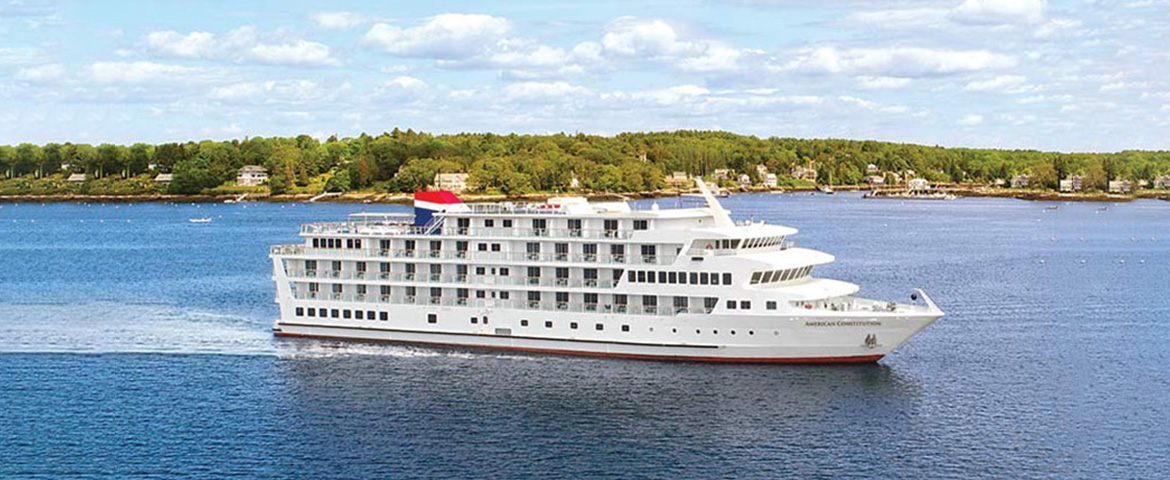
American Constitution

217 Passengers
Visit the ship's page

Metlakatla, Alaska | Cruise Port Guide

The drum resounds in the longhouse even before the visitors have found their seats on the cedar benches. Facing the small fishing harbour, the dancers enter in regalia, button blankets and carved headdresses, and the song rises in a language few ears have heard: Sm'algyax, the language of the Tsimshian. Metlakatla, on Annette Island at the southern tip of Alaska, is the only Indigenous reserve in the state, and it welcomes its visitors as guests, not customers.

A Community With a Unique Destiny

Metlakatla's story begins elsewhere. In 1887, several hundred Tsimshian left the coast of British Columbia with the Anglican missionary William Duncan to found a new community on Annette Island, on the American side. The village's name, meaning "saltwater passage," comes from their homeland. When Alaska abolished reservations in the 20th century, Metlakatla chose to keep its special status, which still guarantees it control over its island, its waters and its resources today.

The Longhouse Facing the Harbour

The heart of the visit beats in the community longhouse, whose façade, painted with traditional designs, looks out over the fishing boats. Inside, artifacts sit alongside contemporary works, and local dance groups, several of whose members leave their jobs for the length of a performance, share songs, drums and clan stories. The emotion comes from the closeness: a few dozen spectators, dancers of all ages and a pride that has nothing of a rehearsed show. After the performance, many spectators linger to talk with the dancers, who answer with a mix of pride and disarming simplicity.

Totems, Art and Workshops

Walking through the village, you come across recent totem poles, a sign of a very much alive carving tradition, as well as the arts centre where engravers, weavers and beadworkers practise their crafts. Visitors can watch the artists at work and buy their creations directly: silver jewellery engraved with clan designs, baskets, prints. Each piece comes with its story and the name of its maker, which sets it apart from ordinary shopping at the region's large ports of call.

Annette Island, Between Sea and Mountains

Around the village, the island unfolds rainforests, pebble beaches and modest but steep mountains. Guided outings lead to viewpoints over the strait, where whales, seals and bald eagles pass by. Fishing has always sustained the community; depending on the season, you can watch the seiners return to the harbour and unload salmon under the interested gaze of gulls and onlookers. A short boardwalk climbs Yellow Hill, a mound of yellow sandstone from which the view takes in the strait and the neighbouring peaks, while the small museum set up in Duncan's former residence preserves memories of the early days of the Tsimshian settlement.

Good to Know Before You Go

  • Most passengers arrive on organized excursions from Ketchikan, about 45 minutes away by ferry; a few small ships call directly.
  • Visits are designed and guided by the community; programs vary from day to day.
  • Photographing the dances or people requires permission; it is almost always granted graciously.
  • Bring waterproof clothing: Southeast Alaska makes no exceptions here.

What the Drum Says

Once on board, the songs take a long time to fade from memory. Passengers leave with songs filling their heads and one clear realization: Metlakatla did not open its doors to put itself on show, but to tell its own story, in its own words and with its own music. This kind of port of call can't be compared; it is kept.

Frequently Asked Questions

Most passengers arrive on organized excursions from Ketchikan, about 45 minutes by ferry. A few small ships call directly at the village's fishing harbour on Annette Island.
It is the state's only Indigenous reserve. When Alaska abolished reservations in the 20th century, Metlakatla chose to keep its distinct status, which still guarantees it control over its island, its waters and its resources.
The performance in the community longhouse first — it is the heart of the visit. Add the arts centre with its carvers, weavers and beaders, a walk through the village among recent totem poles, and the short boardwalk climb up Yellow Hill.
Tsimshian people. In 1887, several hundred left the coast of British Columbia with Anglican missionary William Duncan to found a new community on Annette Island, on the American side. The village's name, meaning 'saltwater passage', comes from their homeland.
Local dance groups share songs, drumming and clan stories in regalia, button blankets and carved headdresses, in the Sm'algyax language. Several dancers leave work for the length of a performance. The power lies in the closeness: only a few dozen spectators.
Yes, directly from the artists. The arts centre hosts carvers, weavers and beaders: silver jewellery engraved with clan crests, baskets, prints. Each piece comes with its story and its maker's name, which sets it apart entirely from ordinary shopping at the region's larger ports.
You must ask permission, and it is almost always granted graciously. The same applies to photographing people. It is basic respect in a community that receives visitors as guests, not as customers.
A yellow sandstone knoll climbed by a short boardwalk, from which the view takes in the strait and the neighbouring peaks. The small museum in Duncan's former residence also holds mementoes from the Tsimshian colony's early days.
Guided outings lead to viewpoints over the strait, where whales, seals and bald eagles pass. Depending on the season you may also watch the seiners return to the harbour and unload salmon: fishing has always sustained this community.
Yes, for families who come to listen. The drums, the dances and the totem poles leave a lasting mark on children. Note that programs vary by day — visits are designed and guided by the community — and bring rain gear.