Inverness Scotland
United Kingdom

29 Cruises availables At departure or passage at this port

Scenic Cruises (18 Cruises)

Port of Inverness, Scotland | Cruise Port Guide

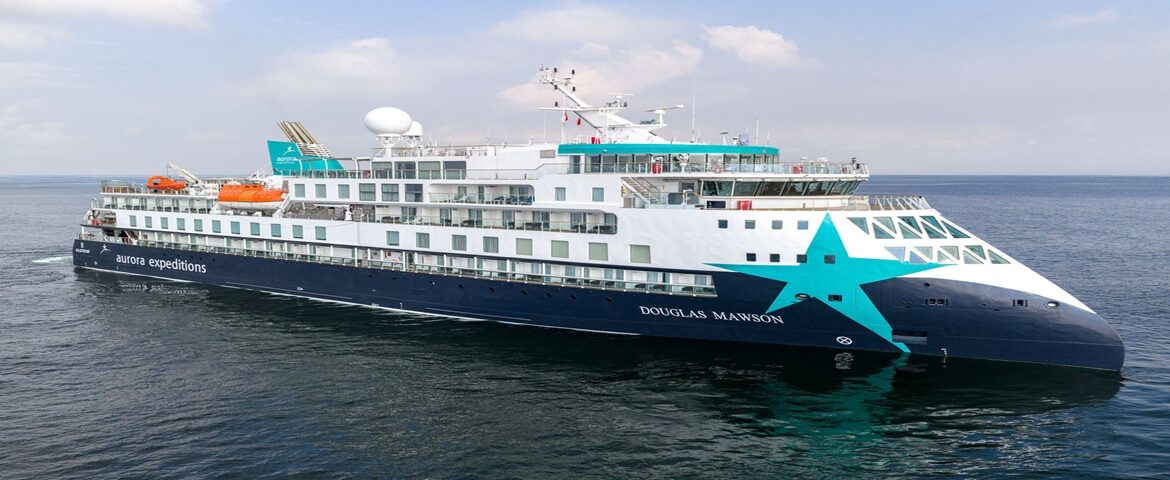
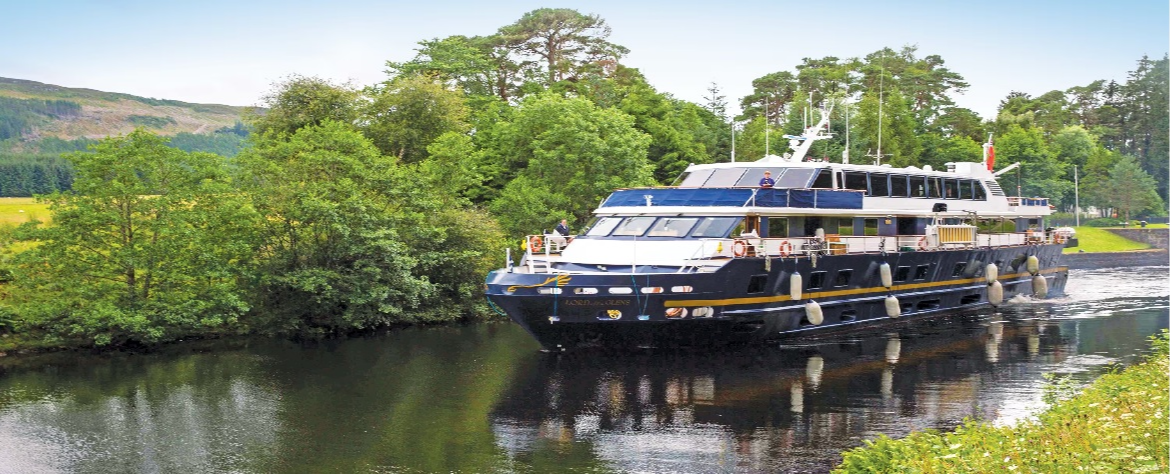
The River Ness runs through the Highland capital like a hyphen between two worlds: upstream, Scotland's most famous lake; downstream, the Moray Firth and its dolphins. Inverness can be reached in several ways depending on the ship. Smaller vessels and boats travelling the Caledonian Canal dock right at the edge of the city, while most large ships call at Invergordon, on the Cromarty Firth, from where train and coach reach downtown in about forty minutes. Whichever route you take, the reward is the same: a human-scaled city, lively and proud, serving as the gateway to the finest landscapes in the north of Scotland.

The centre reveals itself naturally by following the water. The pink sandstone castle keeps watch over the river from its hilltop; St. Andrew's Cathedral faces it from the opposite bank, and a succession of bridges and footbridges invites you to cross back and forth between the two shores.

Along the Water

The gentlest walk of the stop leads to the Ness Islands, small wooded islets linked by Victorian cast-iron footbridges, about a twenty-minute walk from the centre. Beneath the tall trees, you'll pass joggers, salmon fishermen, and families out for a stroll; the murmur of the water replaces the noise of traffic, and herons fish just metres from passersby. In the other direction, downstream, the Caledonian Canal towpath leads to the Clachnaharry locks, where the waterway designed by Thomas Telford in the early 19th century meets the sea. Watching sailboats pass through the locks, with the hills of the Great Glen as a backdrop, sums up the quiet charm of the region rather well.

The Victorian Market and Its Shops

At the heart of the city, the Victorian Market shelters, beneath its 19th-century glass roof, a collection of independent shops: watchmakers, record stores, and tweed and cashmere artisans. Book lovers should step into Leakey's, a vast secondhand bookshop housed in a former Gaelic church, where a wood stove keeps tens of thousands of volumes warm. Kilts, tartans, and whiskies from the nearby Speyside distilleries round out the list of local temptations, and the castle esplanade above offers, in passing, the best view over the rooftops and the river.

Culloden and Loch Ness

Two excursions dominate the programs. To the east, Culloden Moor holds the memory of the 1746 battle that sealed the fate of the Jacobite clans; the battlefield, modestly presented, is walked in a silence that commands real respect. To the southwest, Loch Ness stretches its dark waters for some forty kilometres; the ruins of Urquhart Castle, perched on their promontory, offer the most spectacular viewpoint, and lake cruises depart from Dochgarroch, right at the edge of the city. Monster or not, the scenery alone fully justifies the detour.

Flavours of the Highlands

Before heading back, the pubs downtown serve haggis, smoked salmon, and craft beers in an atmosphere where a fiddle is never far away. Several evenings a week, traditional music takes over the rooms, and it only takes one jig to get the whole place keeping time. The luckiest visitors might even spot, from the banks of the Moray Firth, the gleaming backs of the bottlenose dolphins that frequent the estuary.

Heading back to the ship, many travellers take one last look at the river slipping away toward the firth. Inverness isn't trying to dazzle anyone: it welcomes, it tells its story, and it lets its landscapes speak for themselves. That's exactly what makes you want to come back one day, to follow the Great Glen all the way to its end.

Frequently Asked Questions

It depends on the ship. Small vessels and boats transiting the Caledonian Canal berth on the edge of the city itself. Most large ships call instead at Invergordon, on the Cromarty Firth, from where train and coach reach the centre in about forty minutes.
Yes. The centre unfolds along the River Ness: the pink sandstone castle on its mound, St Andrew's Cathedral on the far bank, and a run of bridges and footbridges inviting you to cross back and forth. The Victorian Market is right in the centre.
The centre and the Ness Islands fill three hours pleasantly. With six you have to choose: either Culloden battlefield to the east or Loch Ness to the southwest. Trying to do both in one call does not work.
Small wooded islands mid-river, linked by Victorian cast-iron footbridges, about twenty minutes' walk from the centre. You pass joggers, salmon anglers and families out walking, and herons fish a few metres from the path. It is the gentlest walk of the call.
Under a nineteenth-century glass roof, a collection of independent stalls: watchmakers, record shops, tweed and cashmere makers. Nearby, the second-hand bookshop Leakey's occupies a former Gaelic church where a wood stove warms tens of thousands of volumes.
The moor where the 1746 battle sealed the fate of the Jacobite clans. The battlefield, soberly presented, is walked in a silence that commands respect. This is a visit of remembrance, and the visitor centre makes no attempt to make it spectacular.
Yes, it stretches southwest of the city for about forty kilometres. Allow half a day to combine a boat trip with the ruins of Urquhart Castle. It is the most requested excursion, but it takes up most of the call.
The towpath leads seaward to the Clachnaharry locks, where the waterway designed by Thomas Telford in the early nineteenth century meets the sea. Watching yachts work through the chambers, with the Great Glen hills behind, sums up the region's quiet appeal.
Yes. The Ness Islands and their footbridges, the castle esplanade and the Victorian Market make an easy day at human scale with no long journeys. Culloden, by contrast, suits teenagers and adults better.
Pounds sterling and English; Scotland issues its own banknotes, valid locally but sometimes refused elsewhere in the UK. The best window runs May to September, for the long Highland days and the light on the River Ness.